
1950s Men's Fashion Trends: How They Shaped Modern Menswear
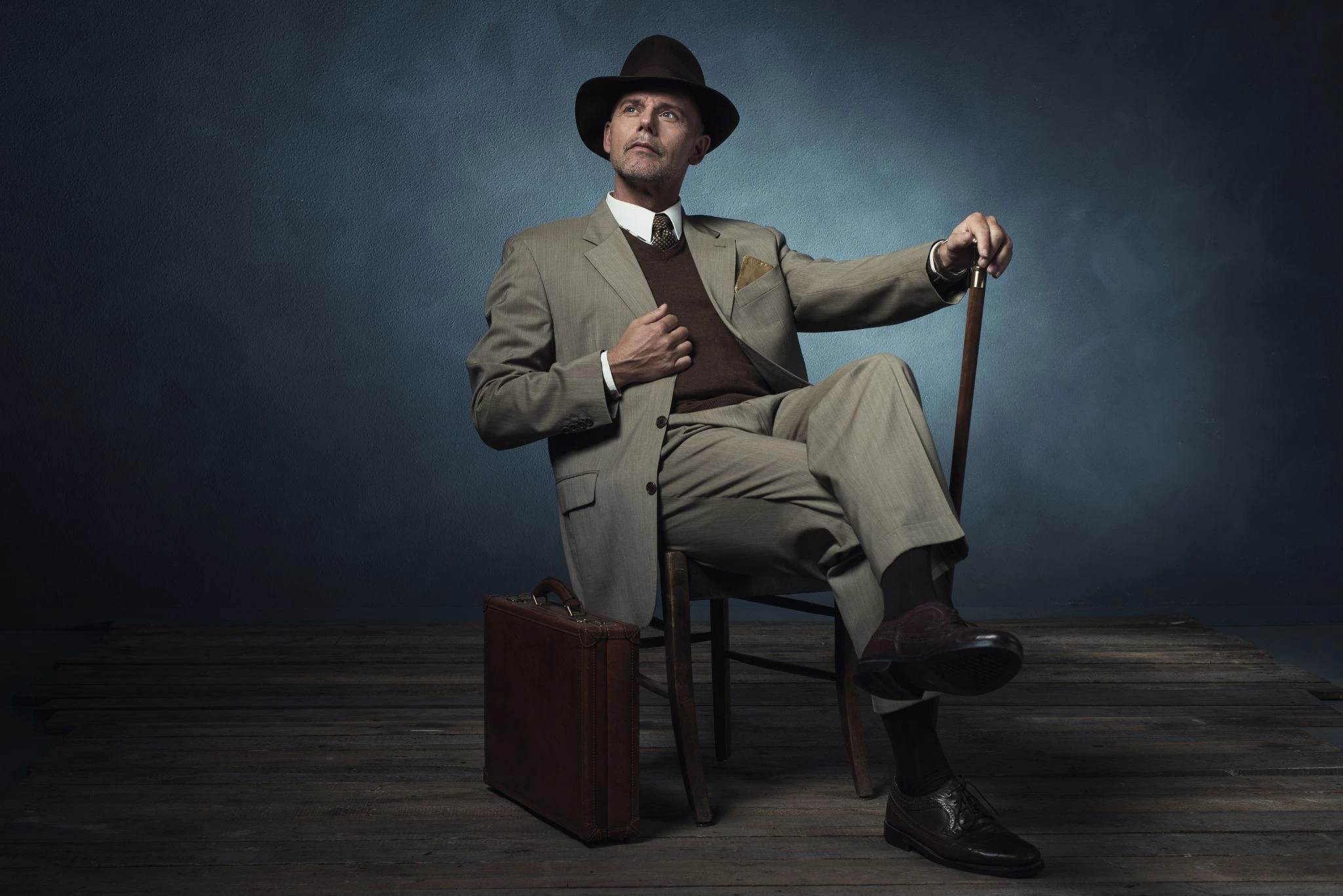
1950s men's fashion trends split into two clear lanes. Sharp, structured suits ruled the workweek. Looser, more personal styles took over on the weekend. That split shaped how American men dressed for decades after, and pieces of it are still sitting in your closet right now.
And that's the real reason this decade keeps coming back. It wasn't one look. It was several styles running at once, tailored, rebellious, preppy, casual, and all of them still show up in menswear today.
This guide is powered by Trendalytics, pulling from search data, social mentions, and shopping trends across platforms like TikTok and Instagram to track shifts like this one before they hit the mainstream.
How Men Dressed in the 1950s
Balance is the word for this decade. During the week, men wore crisp shirts, tailored suits, and polished shoes to the office. On weekends, things loosened up. Knit polos, rolled sleeves, and loafers with no socks took over.
Color stayed simple for most of the decade. Gray, navy, and brown dominated suiting, with brighter patterns showing up more toward the end of the 1950s. But the bigger shift wasn't about color. It was about attitude. You can still see traces of it walking through cities like Chicago or Philadelphia, where mid-century architecture and old menswear shops still line the same blocks.
The Main Style Camps of the Decade
Not every man dressed the same way in the 1950s. A few distinct camps formed, and each one left its own mark. According to Trendalytics' trend forecasting, pieces from several of these camps are resurfacing in 2026 menswear search data right now across the US and worldwide.
Tailored Suits and Workwear
The classic suit stayed king. Wide lapels, high-waisted trousers, and structured shoulders gave men a boxy, formal silhouette. Suits in gray, navy, and brown covered everything from the office to dinner out. Workwear had its own lane too, denim jackets and chambray shirts, built tough for blue-collar jobs, later picked up as casual style.
Greaser Style
This one had an edge to it. Leather jackets, plain white tees, and cuffed jeans became the uniform for young men chasing a rebellious look. Slicked-back hair finished it off. Hollywood pushed this style hard, with James Dean and Marlon Brando turning it into a lasting symbol of youth pushing back against the establishment.
Ivy League Style
Clean and polished, Ivy style came out of East Coast college campuses. Button-down Oxford shirts, blazers, chinos, and penny loafers made up the core. The look started on campuses in the Northeast, think New Haven and Cambridge, before spreading to the rest of the country. This look didn't fade after the decade. It became the blueprint for what we now call preppy menswear.
Cardigans and Casual Knitwear
Sweaters weren't just for staying warm. Cardigans, often worn over a shirt or tee, became a real style statement. Bright colors and geometric patterns showed up on knitwear at home, adding personality to an otherwise buttoned-up decade.
1950s Accessories Worth Knowing
The details finished the look, and a few of them are worth knowing on their own.
- Fedora hats: Standard with a suit, especially for work.
- Skinny ties and tie clips: Kept ties neat and narrow, a sharp contrast to the wider ties of earlier decades.
- Two-tone saddle shoes: Casual footwear with a playful white-and-tan combo.
- Blue suede shoes: Made iconic by Elvis Presley, these stood out against a mostly conservative shoe rack.
- Leather belts and cufflinks: Small details that separate a put-together man from a sloppy one.
1950s Trends Still Shaping Menswear Today
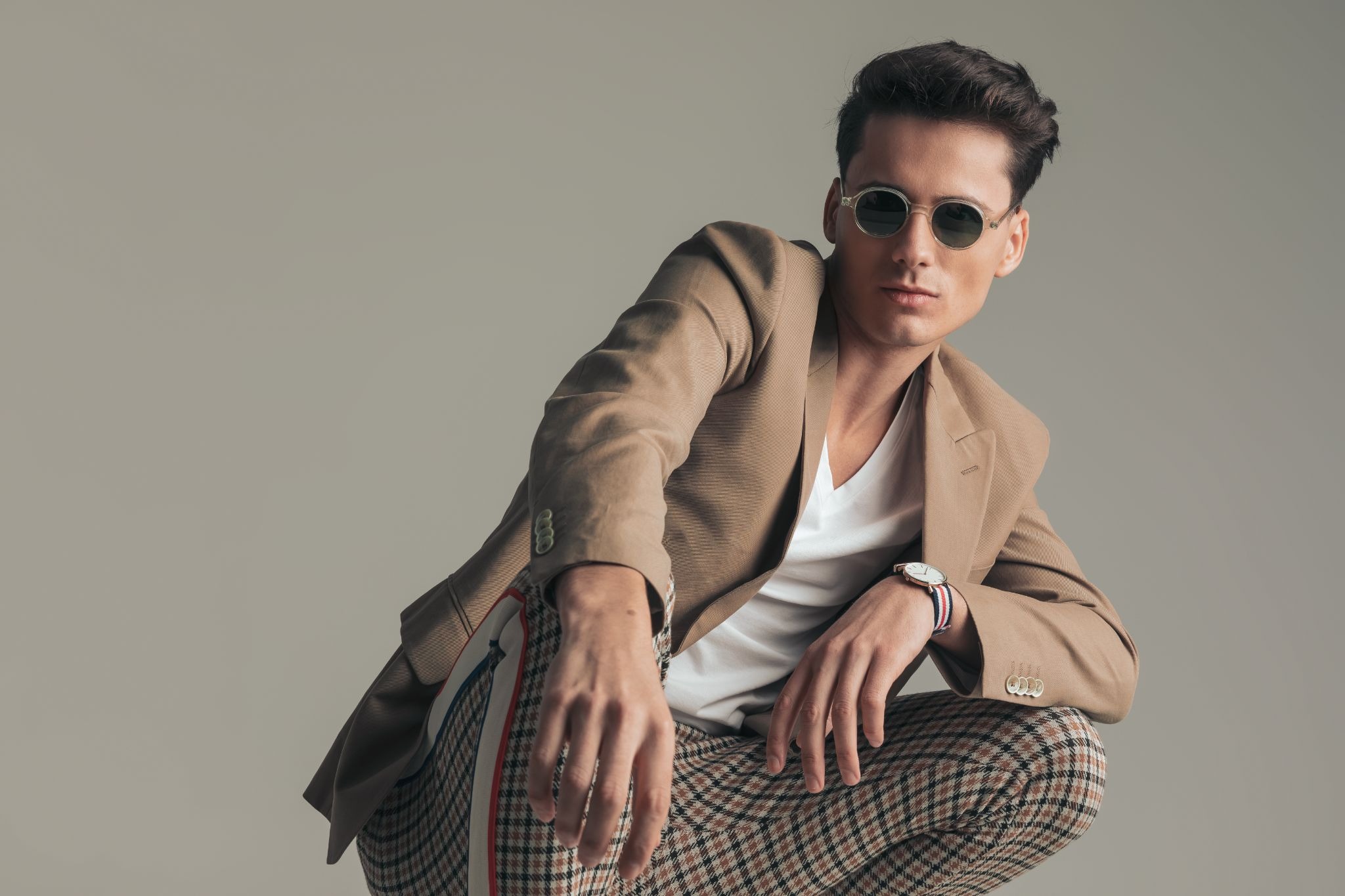
A lot of what men wear now traces straight back to this decade. Here's where the line runs clearest.
T-Shirts as Outerwear, Not Underwear
In the 1950s, the T-shirt was underwear. Nothing more. Hollywood changed that fast. Once actors started wearing plain white tees as a standalone shirt, it became a normal thing to wear in public. Today, it's the most basic piece in almost every man's closet.
Chinos and Penny Loafers
Ivy League style gave us this pairing, and it never really left. Chinos work with a blazer for a dressed-up look or with a sweater for something more relaxed. Penny loafers slide right into either version without missing a beat.
Camp Collar and Bowling Shirts
Short-sleeve camp collar shirts started as casual weekend wear in the 1950s. They're back in a real way right now, showing up across retail as part of a broader push toward relaxed, textured, retro-leaning shirts.
Retailers across the US, from West Coast boutiques to Midwest department stores, are stocking these shirts heavier for spring.
Leather Jackets and White Tees
Straight out of the greaser playbook. A leather jacket over a plain white tee still reads as effortless and a little rebellious, decades after James Dean made it iconic.
What 1950s Menswear Looks Like in 2026
Turns out this isn't just nostalgia. Trendalytics, a trend forecasting tool, tracks search demand across menswear categories, and its 2026 menswear report found searches for "relaxed tailoring" jumped 554% year over year. That shift is showing up in menswear racks from New York to Los Angeles, and across US retailers in between
The overlap with the 1950s isn't exact. But the direction is familiar. Structured tailoring, easier silhouettes, nostalgic details, and heritage-inspired pieces are all back in rotation. None of it is a costume recreation of mid-century menswear. It's more like the codes of that era, structure, polish, and a clear silhouette, being reapplied to how men dress now.
How to Wear 1950s Style Today Without Looking Costume-y
The trick is picking one piece, not the whole outfit. Here's how to keep it wearable.
- Start with one vintage-leaning piece. A camp collar shirt or a cardigan is enough. Don't stack three retro pieces in one outfit.
- Keep the rest modern. Pair that one piece with jeans or trousers you'd wear any other day.
- Skip the head-to-toe recreation. A full greaser or full Ivy outfit reads as a costume, not a style choice.
- Let footwear do some of the work. Loafers or two-tone shoes carry a lot of the era's feel without needing anything else to match.
Trendalytics tracks shifts like this before they hit the mainstream. If your brand sells menswear, that's exactly the kind of signal worth catching early. Book a demo with Trendalytics to see how it works.
FAQs
1. What did men wear in the 1950s?
Men wore tailored suits for work in gray, navy, and brown. On weekends, styles split into casual camps like Ivy League chinos and loafers, or greaser leather jackets and jeans.
2. What is Ivy League style?
Ivy League style came from East Coast college campuses in the 1950s. It centers on button-down shirts, blazers, chinos, and penny loafers, and it's the direct ancestor of modern preppy fashion.
3. Why is 1950s fashion coming back in 2026?
Menswear is shifting toward relaxed tailoring and heritage-inspired pieces. Trendalytics reports a 554% year-over-year jump in "relaxed tailoring" searches, which overlaps with several 1950s style codes.
4. What is greaser style?
The greaser style came out of 1950s youth culture. It centers on leather jackets, white T-shirts, cuffed jeans, and slicked-back hair, popularized by stars like James Dean and Marlon Brando.
5. How do I wear 1950s style without looking like a costume?
Pick one vintage-inspired piece, like a camp collar shirt or a cardigan, and pair it with modern basics. Avoid recreating a full period outfit.
6. Were T-shirts always worn as outerwear?
No. In the 1950s, T-shirts were considered underwear. Hollywood actors made them acceptable as a standalone shirt, which is why they're a basic piece today.
Get ahead and stay
ahead with AI-powered trend forecasting.
Request a demo. Our AI tools are unmatched in the marketplace for predictive data and trend forecasting.