
The 2x2 Outfit Formula: TikTok's Viral Styling Rule
.webp)
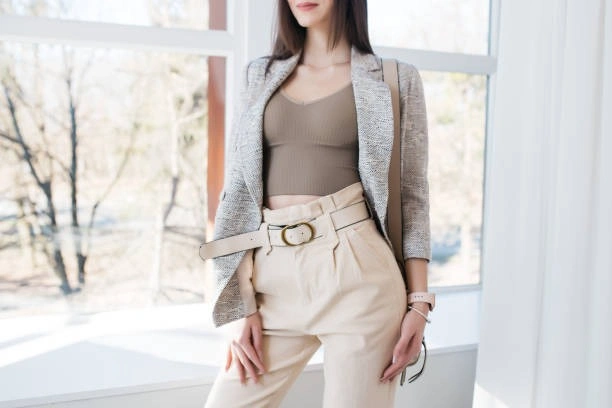
The 2x2 outfit formula is a simple styling method that pairs two elevated or smart pieces with two casual ones. The result is an outfit that feels polished without looking overly dressed up. Popularized through TikTok, the formula gives shoppers an easy way to create balanced looks without spending too much time deciding what to wear.
Here's how the 2x2 formula works, how it became popular, and how you can use pieces already sitting in your closet.
What Is the 2x2 Outfit Formula?
The 2x2 outfit formula pairs two smart or elevated pieces with two casual pieces in the same outfit. Smart pieces include things like blazers, tailored trousers, button-downs, or loafers. Casual pieces include jeans, T-shirts, hoodies, or sneakers.
The idea is styling balance. An outfit that's all casual can read as underdressed. One that's all tailored can feel stiff. Mixing two of each usually lands somewhere in between, polished but not overdone, relaxed but not sloppy.
How Did the 2x2 Outfit Formula Become Popular?
The 2x2 formula spread across TikTok starting around 2023, with a wide range of creators posting their own versions of the idea rather than one single person popularizing it. There isn't a documented single inventor; it's the kind of styling concept that developed and spread across many creators' videos at roughly the same time.
Fashion media picked it up not long after, with outlets like Who What Wear covering the trend and testing it out for their own readers. That combination, grassroots TikTok spread plus mainstream fashion coverage, is a big part of why the formula stuck around instead of fading out like most single-video trends.
How to Build a 2x2 Outfit
Start by picking your two smart pieces. These are anything tailored, structured, or a little dressier: a blazer, wide-leg trousers, a button-down, a trench coat, loafers, or heeled boots.
Then add two casual pieces: jeans, a basic T-shirt, a hoodie, a denim jacket, or sneakers. The mix is what creates the balance, not the exact item count. A bag, jewelry, or a coat layered on top doesn't break the formula; it's really about the core pieces working together, not a strict inventory of exactly four garments.
3 Easy 2x2 Outfit Combinations
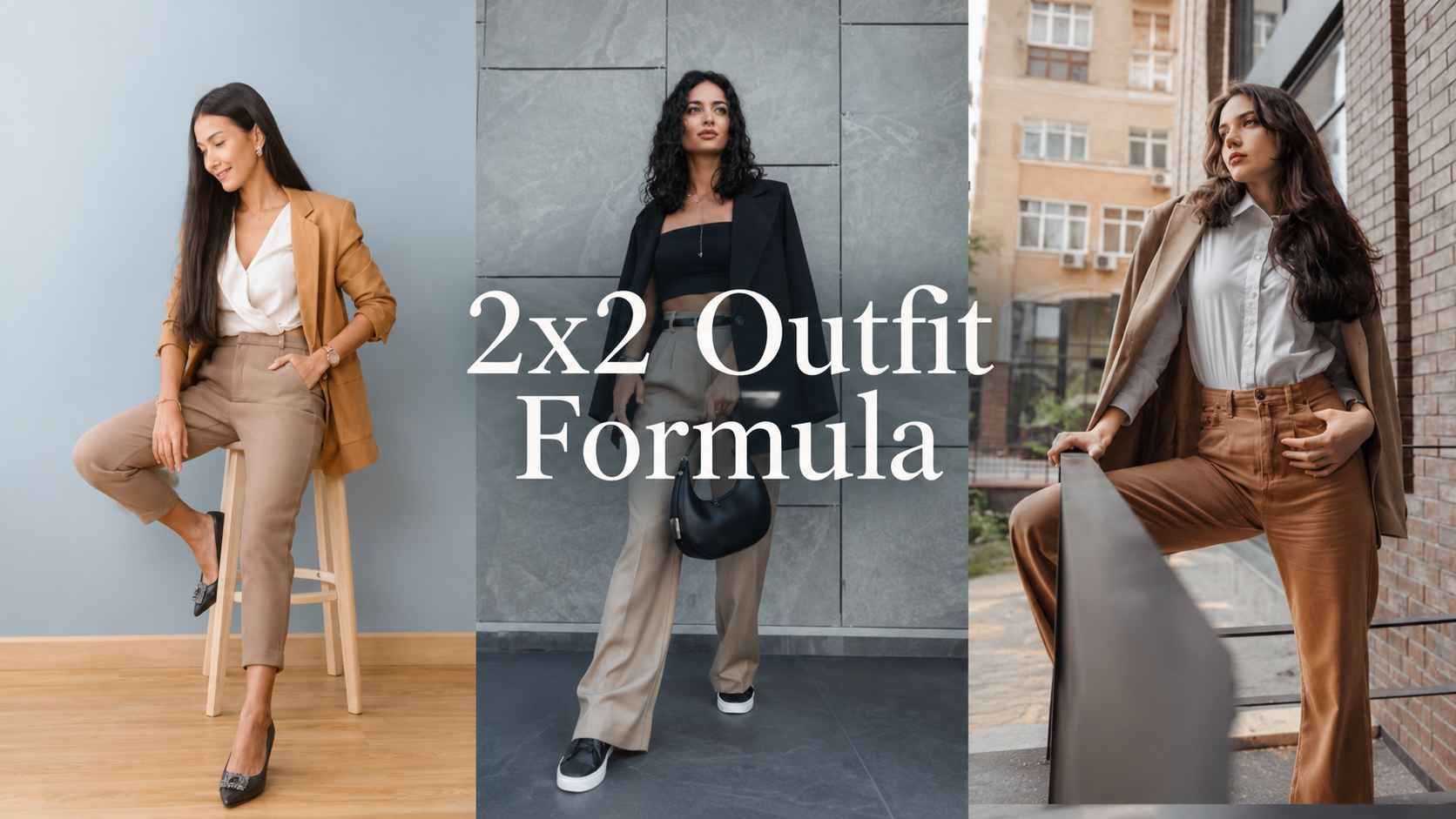
The Office-to-Weekend Look
Smart: an oversized structured blazer + tailored wide-leg trousers.
Casual: a plain white crewneck tee + white leather sneakers.
The result reads as modern corporate-casual, sharp enough for the office, relaxed enough for a Saturday.
The Elevated Streetwear Look
Smart: a tailored white button-down + pointed-toe loafers.
Casual: straight-leg jeans + a cropped gray hoodie.
The hoodie keeps it grounded while the shirt and shoes keep it sharp.
The Date Night or Brunch Mix
Smart: a satin slip skirt + block heel boots.
Casual: an oversized knit sweater + a denim jacket over the shoulders. Cozy, but still clearly intentional.
The softer casual layers balance the dressier skirt and boots, creating a look that works for brunch, dinner, or a relaxed date night.
How to Use the 2x2 Formula With Clothes You Already Own
Pull everything out of your closet and sort it into two rough piles: smart and casual. Most closets already have both: an old blazer from a work event, a going-out top, alongside the jeans and sneakers worn most days.
From there, pick one smart piece and one casual piece as your anchor, then add a second item from each category to complete the look. This is where the formula earns its reputation for saving money. It's less about buying anything new and more about actually using pieces that have been sitting untouched, half a work suit paired with a T-shirt, or workout leggings dressed up with a blazer.
Why the 2x2 Outfit Formula Works
One reason the formula works is that it reduces the number of decisions you need to make. Instead of trying to coordinate every piece from scratch, you simply start by choosing between two broad categories: polished and casual.
It also makes a wardrobe more versatile. The same blazer, trousers, sneakers, or jeans can move between different types of outfits depending on what you pair them with, making the formula useful for everyday smart-casual dressing.
Common 2x2 Outfit Mistakes
The formula is simple, but it's easy to get the balance wrong. Here's what usually goes sideways:
- Choosing two smart pieces or two casual pieces that look nearly identical, which cancels out the contrast that makes the formula work.
- Overloading the outfit with statement pieces on both sides, so nothing reads as the anchor.
- Ignoring proportions, pairing an oversized blazer with equally oversized trousers can swallow the silhouette.
- Treating the formula as a strict shopping list instead of a flexible mixing framework.
Does an Outfit Have to Be Exactly 2 + 2?

No. The formula works best as a balance framework, not a literal count of four garments. Accessories, outerwear, bags, and jewelry sit outside the core count and don't need to be tallied up separately. What actually matters is whether the outfit reads as a mix of structured and relaxed elements, not whether it contains precisely four items.
Here's the Trendalytics section fleshed out with two shorter paragraphs and bullets:
How Trendalytics Tracks Trends Like This
Not every TikTok styling trend sticks around. Some fade out within a few weeks once the novelty wears off, while others, like the 2x2 formula, turn into a habit people keep using long after the original videos stop trending. Knowing the difference early matters for fashion and retail brands trying to decide what to stock, promote, or build a campaign around.
Trendalytics, a trend forecasting tool, tracks that exact shift by combining real-time search, social, and product signals into one read on what's actually gaining traction, not just what's getting views. That means brands can spot things like:
- Which styling trends are converting into real search and shopping behavior, not just video views
- How fast a trend like this is growing week over week among shoppers
- Whether a trend is peaking or just getting started, before it shows up in sales data
Final Takeaway
The 2x2 outfit formula isn't a rigid rule; it's a quick mental shortcut for building outfits that feel balanced. Two smart pieces, two casual pieces, and most of the guesswork in getting dressed disappears.
This is also a good example of how a simple idea can turn into a lasting shopping habit, not just a week of TikTok views. Trendalytics tracks exactly that kind of shift for USA fashion and retail brands, spotting which styling trends have real staying power before they show up in sales data. Want to see what's actually gaining traction with shoppers right now? Request a demo with Trendalytics.
FAQs
1. What is the 2x2 outfit formula?
It's a styling method that pairs two elevated or smart pieces, like a blazer or tailored trousers, with two casual pieces, like jeans or a T-shirt, to create a balanced outfit.
2. How do you use the 2x2 outfit formula?
Pick one smart piece and one casual piece as your outfit's anchor, then add a second item from each category to complete the look.
3. Does the 2x2 formula have to be exactly 4 pieces?
No. It's a balance framework, not a literal item count; accessories, outerwear, and jewelry don't count against the total.
4. What counts as a smart piece in the 2x2 formula?
Blazers, tailored trousers, button-downs, trench coats, loafers, and heeled boots are common smart or elevated pieces.
5. What counts as a casual piece in the 2x2 formula?
Jeans, basic T-shirts, hoodies, denim jackets, and sneakers are typical casual pieces in the formula.
Get ahead and stay
ahead with AI-powered trend forecasting.
Request a demo. Our AI tools are unmatched in the marketplace for predictive data and trend forecasting.