
A/W 26/27 Catwalk Trends: Early Forecast of Runway Directions
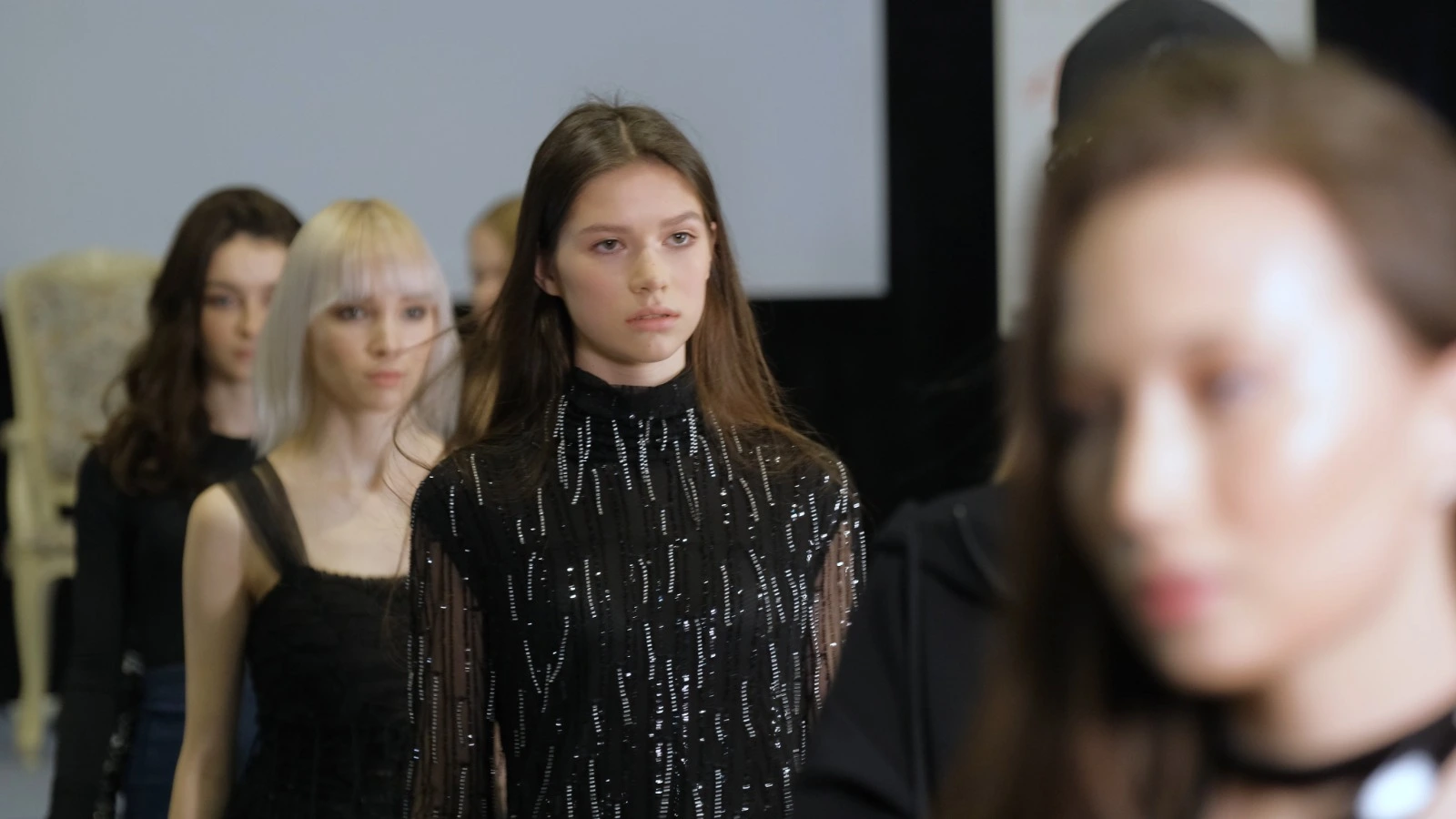
The fashion industry is evolving faster than ever, and fashion trend forecasting 2026 has become more critical than simply following seasonal shifts. Today, brands are no longer just reacting to runway moments; they are predicting them through data, cultural insight, and technological signals. As artificial intelligence continues to influence design, imagery, and consumer behavior, a new question is shaping the future of fashion: what makes design truly human? This question sits at the heart of the A/W 26/27 catwalk trends, where early signals point toward a powerful shift in creative direction.
This article explores a data-driven early runway forecast for A/W 26/27, combining emerging design patterns, consumer behavior insights, and predictive fashion analytics. From tactile materials to emotional storytelling, these trends highlight how fashion is redefining itself in an increasingly digital world.
What Are A/W 26/27 Catwalk Trends?
A/W 26/27 catwalk trends refer to the emerging fashion directions expected to shape Autumn/Winter 2026–2027 runway collections. These trends are not just about what appears on the runway, they are a reflection of deeper shifts in culture, technology and consumer preferences.
Runway forecasting involves analyzing:
- Previous fashion week data
- Consumer behavior trends
- Cultural and technological shifts
- Designer direction and brand strategy
By identifying patterns early, fashion professionals can anticipate what will dominate future collections, retail spaces and marketing narratives. For brands, this means making smarter design decisions. For consumers, it signals what styles, materials and aesthetics will soon define the market.
Key Drivers Behind A/W 26/27 Catwalk Trends
The A/W 26/27 season is being shaped by a powerful mix of technological advancement, cultural shifts and evolving consumer expectations. Rather than a single influence, it’s the intersection of these forces that is redefining how trends emerge and evolve across the global fashion landscape.
Understanding these drivers is essential for decoding not just what will appear on the runway, but why these directions are gaining momentum and how they will translate into future collections.
The Rise of AI and Creative Saturation
AI-generated imagery and design tools are transforming the creative landscape at an unprecedented pace. They offer efficiency, scalability, and the ability to generate concepts instantly, making them highly valuable for brands operating in fast-moving markets.
However, this rapid adoption also introduces a growing sense of uniformity. As more visuals become algorithmically generated, fashion risks losing its individuality and emotional depth. In response, designers are beginning to move away from overly polished, AI-driven aesthetics and instead highlight the nuances of human creativity, embracing imperfections, irregularities and the visible hand of the maker.
Demand for Authenticity and Individuality
Consumers are increasingly seeking products that feel real, emotional, and human-made. In a digital-first world, where perfection is often manufactured, authenticity has become a powerful differentiator.
This growing demand is pushing brands to move beyond surface-level aesthetics and focus on deeper storytelling. Craftsmanship, cultural references and unique design processes are gaining importance, allowing products to carry meaning rather than just visual appeal. As a result, individuality is becoming central to brand identity, shaping collections that feel personal, expressive, and distinctive.
Data-Driven Fashion Predictions
Modern fashion forecasting now relies heavily on data-driven insights rather than intuition alone. From social media engagement and search behavior to retail performance and consumer sentiment, vast amounts of data are used to identify emerging patterns early.
Brands are increasingly adopting trend predictive tools and trend intelligence platforms to guide decision-making. This approach reduces uncertainty and allows for more strategic collection planning, ensuring that designs align with both current demand and future market direction. As a result, data is no longer just supportive; it is foundational to how trends are forecasted and executed.
Shifting Consumer Behavior
Today’s consumer mindset is undergoing a significant transformation, moving away from fast, disposable fashion toward more meaningful and intentional choices.
Consumers now prioritize:
- Longevity over fast fashion
- Emotional connection over pure aesthetics
- Craftsmanship over mass production
These evolving values are directly influencing the A/W 26/27 fashion trends forecast, encouraging designers to create pieces that offer both functional value and emotional resonance. This shift is driving a more considered approach to fashion, one that balances innovation with authenticity and long-term relevance.
Key A/W 26/27 Catwalk Trend Directions
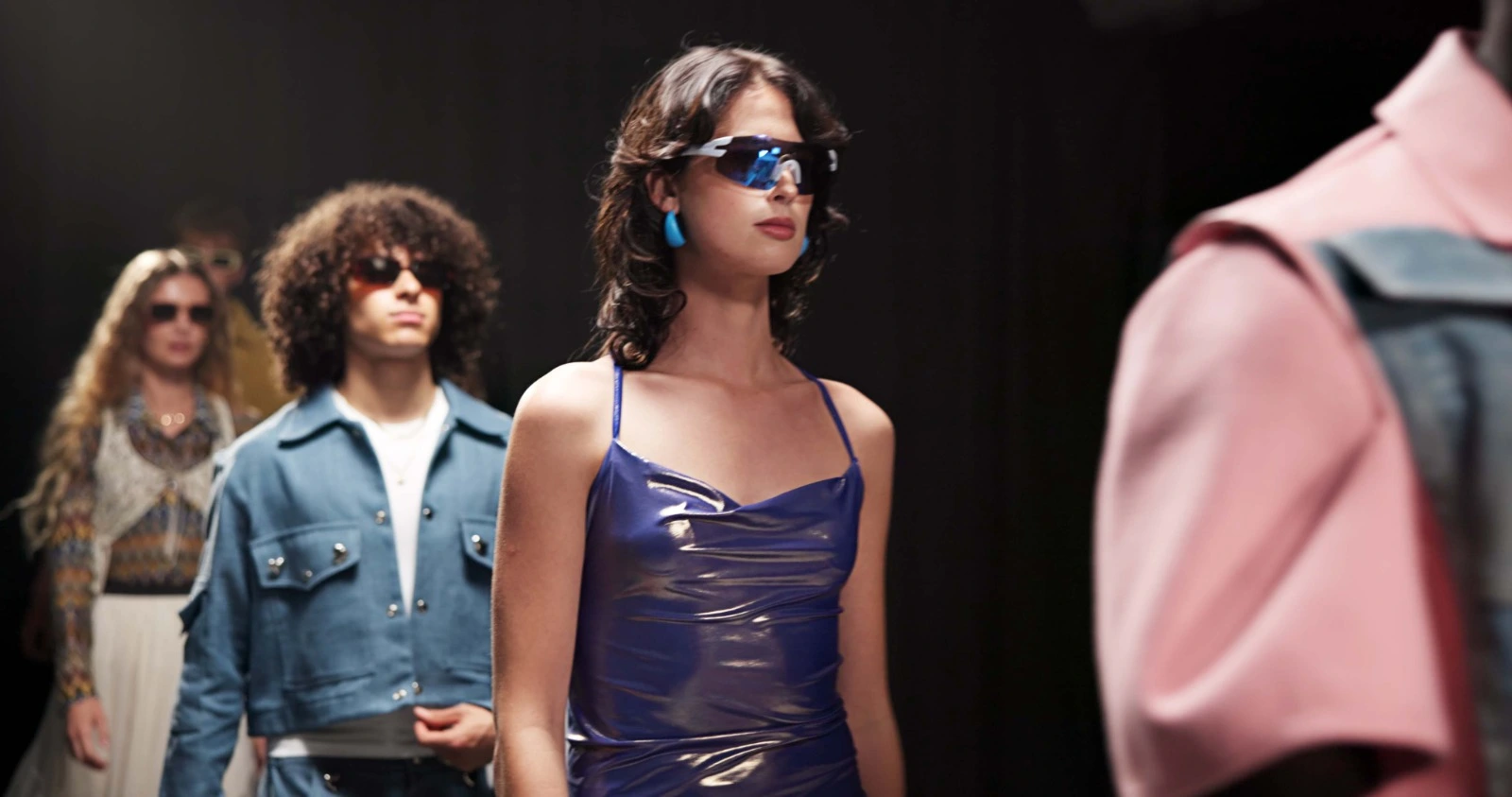
The A/W 26/27 season highlights key trend directions shaped by innovation, consumer shifts, and evolving runway narratives.
Renaissance of Real (Hero Trend)
At the core of A/W 26/27 lies the “Renaissance of Real”,a defining movement that emphasizes human creativity in response to AI-generated design.
This trend focuses on:
- Visible craftsmanship
- Imperfect finishes
- Raw construction techniques
Designers are intentionally showcasing the process behind creation. Instead of hiding seams, marks, or irregularities, they are highlighting them as proof of human authorship. In a market flooded with polished, digital perfection, authenticity becomes the new luxury.
Imperfection & Process-Led Design
Closely tied to the Renaissance of Real, this trend celebrates the beauty of imperfection.
Key elements include:
- Sketch-like prints
- Hand-drawn patterns
- Raw edges and unfinished hems
- Visible stitching and construction lines
The #WorkInProgress aesthetic transforms “flaws” into design features. Imperfection is no longer a weakness; it’s a statement of originality and craftsmanship.
Refined Minimalism & Cult Classics
Minimalism evolves for A/W 26/27, shifting toward a more refined and intentional approach.
Key characteristics:
- ’90s-inspired silhouettes
- Clean lines and structured tailoring
- Neutral palettes (grey, navy, deep red)
- Focus on quality and longevity
This trend reflects a move away from disposable fashion toward timeless, investment-worthy pieces.
Opulent Romance & Modern Maximalism
While minimalism grows stronger, maximalism is also making a return, this time with a more refined, emotional edge.
Key elements:
- Decorative fabrics and jacquards
- Rich textures and layered materials
- Floral and heritage-inspired motifs
- Ornamental detailing
This trend blends nostalgia with luxury, creating designs that feel expressive, emotional and deeply rooted in craftsmanship.
Sportsmart & Hybrid Dressing
The influence of sports culture continues to evolve into a more elevated, hybrid aesthetic.This direction reflects a shift toward performance-driven fashion that blends practicality with refined, everyday styling.
Key features:
- Tailored sportswear
- Functional yet polished silhouettes
- Mix of casual and formal elements
- Cultural and global influences
This direction reflects modern lifestyles, where versatility and comfort are essential.
Bold Minimalism & Evolving Silhouettes
Silhouettes take center stage in A/W 26/27, moving toward more sculptural and organic forms. This direction reflects a shift toward performance-driven fashion that blends practicality with refined, everyday styling.
Key trends:
- Cocoon and barrel shapes
- Rounded shoulders
- Draping and asymmetry
- Fluid, body-responsive structures
These shapes create a sense of movement and softness, contrasting with the rigid tailoring of previous seasons.
Tactile Materials & Texture Focus
Materiality becomes a defining factor in A/W 26/27 fashion, with designers placing strong emphasis on texture-driven design and sensory appeal. This season highlights a shift toward physicality in fashion, where garments are designed to be felt as much as they are seen, adding depth and emotional value to each piece.
Key materials shaping this direction include shearling, leather, fringing and layered textiles. As digital experiences continue to dominate everyday life, consumers are increasingly drawn to fashion that feels real, immersive and rooted in craftsmanship.
Color & Print Forecast for A/W 26/27 Fashion Trends
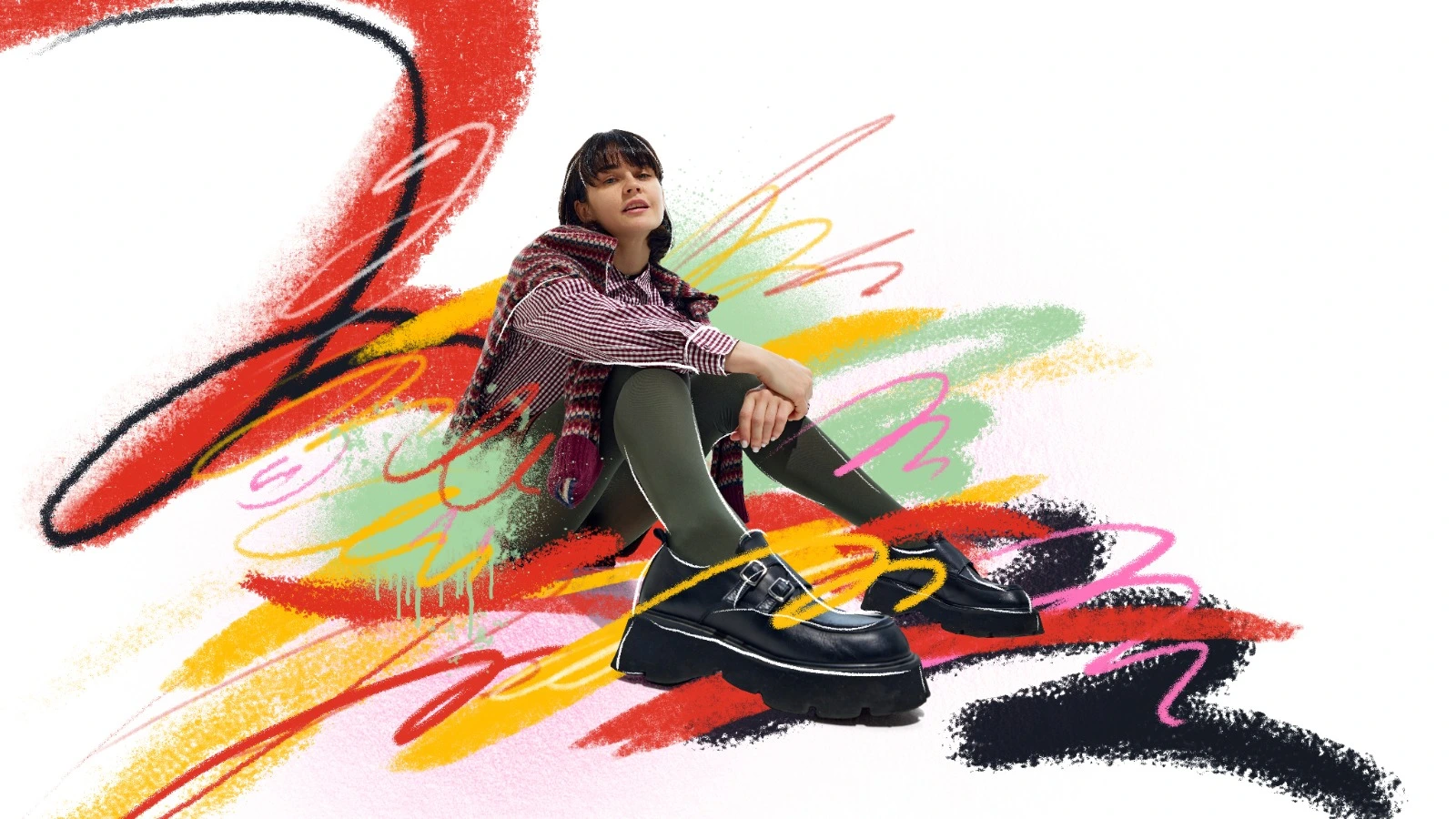
Color and print play a crucial role in shaping the visual identity of the season, acting as key storytelling tools that define mood, emotion, and commercial direction. For A/W 26/27, these elements move beyond decoration and become central to expressing cultural shifts and design innovation.
Key Color Directions
- Deep browns and dark neutrals
- Statement reds and bold accents
- Soft, wearable base tones
- Rich, layered color palettes
Print Trends
- Polka dots and classic patterns reimagined
- Florals with darker, moodier tones
- Painterly, imperfect designs
- Expressive, hand-drawn elements
Prints shift from perfection to expression, aligning with the broader movement toward authenticity.
Key Items & Commercial Runway Directions
For brands and retailers, certain items will define the commercial landscape:
- Structured outerwear (mod coats, funnel necks)
- Column dresses with fluid silhouettes
- Tailored blazers vs casual jackets
- Statement accessories (bold, textured, expressive)
These pieces balance style, function, and long-term wearability, making them key investments for the season.
The Role of Data in Fashion Trend Forecasting
Fashion forecasting is no longer driven by intuition alone. Today, it is increasingly powered by advanced systems such as predictive analytics, consumer data-driven insights, digital behavior tracking, and modern trend intelligence platforms. These tools allow brands to move beyond assumption-based design and instead rely on real-time signals that reflect how consumers are engaging, searching, and purchasing across markets, insights that are also explored on Trendalytics.
By using these data-driven systems, brands can identify emerging patterns earlier, reduce risk in design and production decisions, and align collections more accurately with consumer demand. As a result, data-driven fashion predictions are reshaping the industry into a more strategic, informed, and future-focused ecosystem where creativity and analytics work together, as highlighted across Trendalytics fashion forecasting insights.
What A/W 26/27 Trends Mean for Brands & Consumers
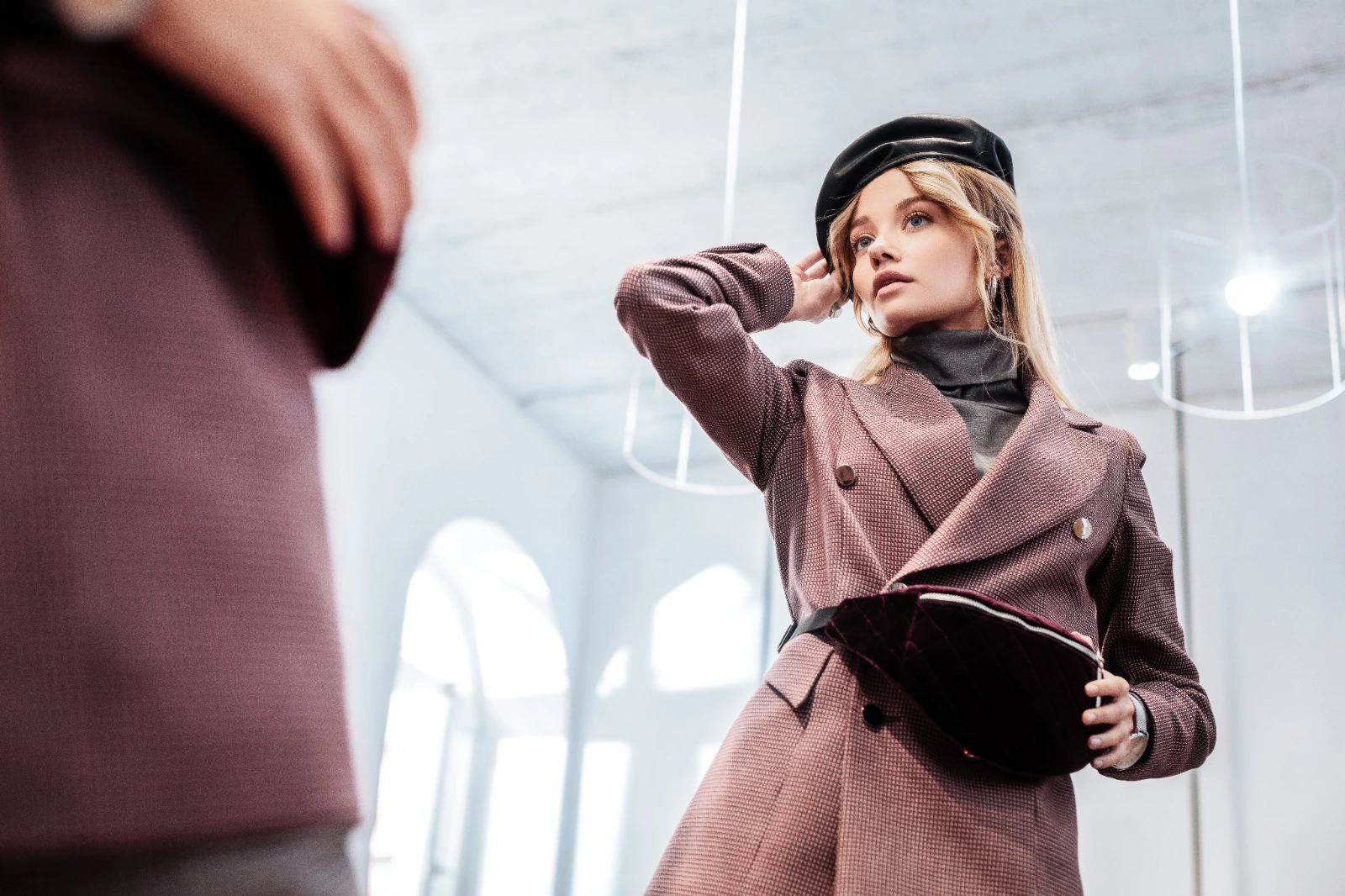
For brands, the A/W 26/27 catwalk trends signal a clear shift toward authenticity, storytelling, and long-term value creation. Designers and fashion houses are increasingly prioritizing craftsmanship and quality over short-lived aesthetics, while also integrating data-driven insights to guide design decisions more accurately. This reflects a broader industry move toward more intentional, research-backed creative processes.
For consumers, this evolution translates into a stronger preference for meaningful, long-lasting pieces that carry emotional value. There is a growing desire for individuality and deeper connection with products, rather than mass-produced uniformity. Overall, this shift signals a transition toward more conscious, intentional fashion consumption, where both brands and buyers focus on purpose, identity, and longevity.
Key Takeaways from A/W 26/27 Catwalk Trends
- Human creativity is redefining fashion in the age of AI
- Imperfection is becoming a new marker of luxury
- Minimalism is evolving into quality-driven design
- Maximalism returns through emotion and heritage
- Data-driven forecasting is shaping future collections
- Consumers are prioritizing authenticity and individuality
Conclusion
The A/W 26/27 catwalk trends reveal a fashion industry at a turning point. As technology continues to evolve, designers are reclaiming the value of human creativity, craftsmanship and emotional storytelling. This season is not just about aesthetics, it’s about meaning. It reflects a deeper shift toward authenticity, individuality and intentional design.
Looking ahead, the future of fashion will be defined by a balance between data-driven insight and human creativity. Those who can merge these two elements will lead the next era of fashion innovation. Get in touch to stay ahead of the curve by exploring more insights into future runway trends, fashion forecasting tools and data-driven predictions to guide your next collection or strategy.
FAQs
1. What are A/W 26/27 catwalk trends?
A/W 26/27 catwalk trends refer to the early forecasted fashion directions expected to shape Autumn/Winter 2026–2027 runway collections, based on data, cultural shifts, and designer insights.
2. Why is fashion trend forecasting important for A/W 26/27?
Trend forecasting helps brands and designers understand future consumer demand, reduce design risk, and create collections that align with upcoming market shifts.
3. What is the biggest trend for A/W 26/27?
The key direction is the “Renaissance of Real,” focusing on human craft, authenticity, imperfection, and rejection of overly AI-polished design.
4. How does AI influence A/W 26/27 fashion trends?
AI is reshaping design and visuals, but it is also pushing designers to emphasize human-made details, craftsmanship, and emotional storytelling to stand out.
5. What should brands focus on for A/W 26/27 fashion trends?
Brands should focus on authenticity, data-driven design decisions, high-quality craftsmanship, and emotionally connected storytelling to meet evolving consumer expectations.
Get ahead and stay
ahead with AI-powered trend forecasting.
Request a demo. Our AI tools are unmatched in the marketplace for predictive data and trend forecasting.