
A/W 26/27 Runway Trends: Human Craft vs AI Fashion
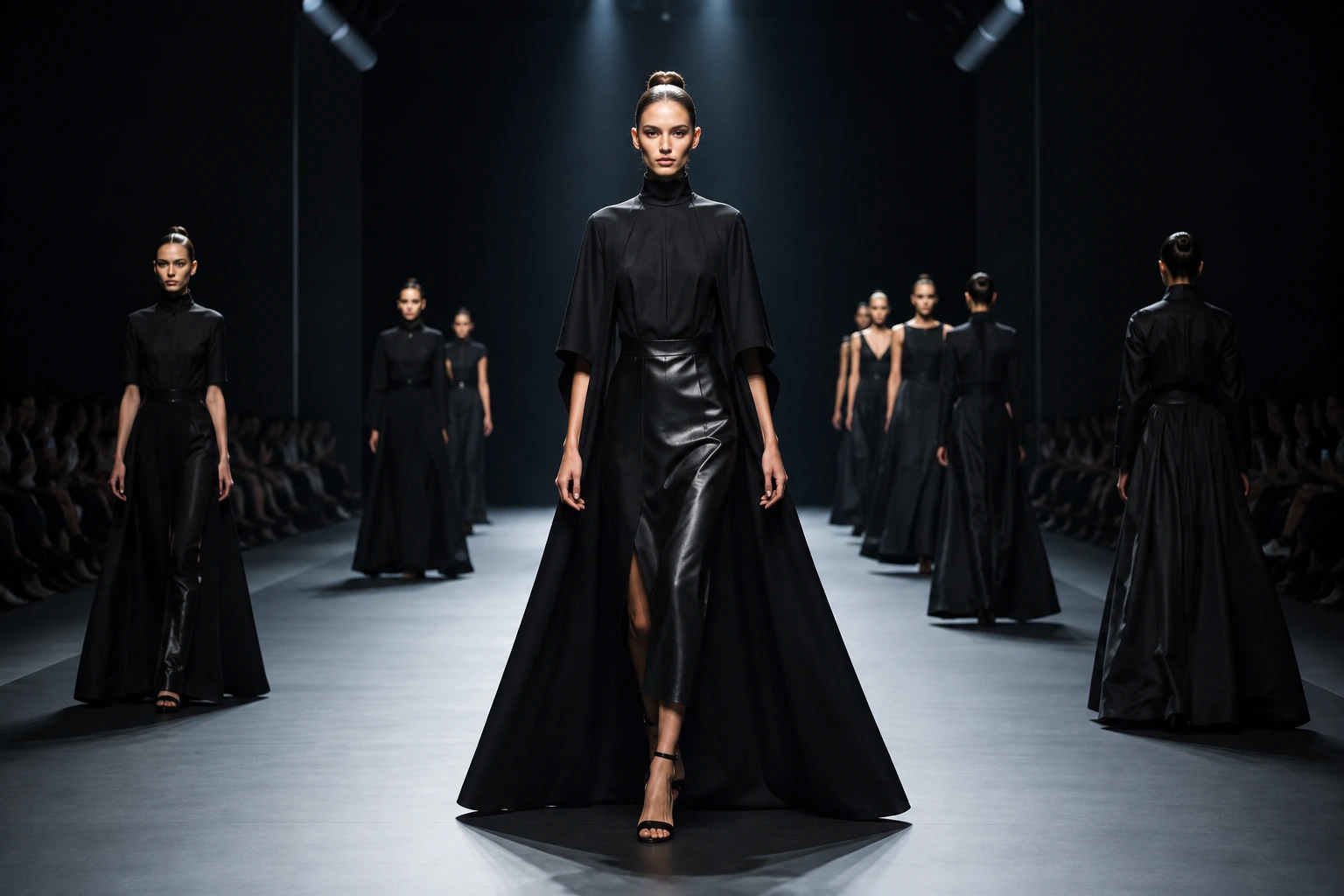
Fashion is entering a season defined by one central question: what makes design truly human, at a moment when AI can generate a flawless runway look in seconds? A/W 26/27 runway trends are answering that question loudly, with designers choosing visible imperfection over AI-polished perfection almost everywhere you look.
This article breaks down what's driving this shift, what it actually looks like on the runway, and what it means for brands and buyers navigating the season ahead.
What Are These Runway Trends, Exactly?
A/W 26/27 runway trends refer to the design directions emerging across major fashion weeks for the Autumn/Winter 2026–2027 season. This particular direction isn't about a color or a silhouette. It's about authorship, whether a piece reads as made by a person or generated by a machine.
Understanding this trend involves looking at:
- Runway coverage across multiple fashion capitals
- Consumer response to AI-generated fashion imagery
- Search and social signals around "handmade" and "authentic" design
- How brands are adjusting both product and marketing in response
For brands, this shift shapes design decisions. For buyers, it signals which finishes and details are worth prioritizing in upcoming collections.
Key Drivers Behind This Trend
A few forces are pushing this trend forward at the same time, and it's worth understanding each one.
The Rise of AI-Generated Fashion Imagery
AI tools can now produce a polished runway image, a campaign shot, or a print design almost instantly. That's genuinely useful for speed and scale. But it also means a lot of fashion imagery is starting to look the same: smooth, symmetrical, and a little indistinguishable once you've seen enough of it.
Growing Demand for Authenticity
Shoppers are getting more skeptical of anything that feels too polished or too consistent. In response, designers are shifting toward visible craftsmanship, raw finishes, and details that clearly took a human hand to create.
In the United States, the consumers have become more responsive towards products which appear handmade and authentic, making the brands rethink about how future collections will be designed and marketed.
This isn't limited to apparel, either. The same skepticism is showing up in how people respond to beauty campaigns, packaging, and even influencer content anywhere AI-generated polish has started to feel a little too familiar.
Data Confirming the Shift Is Real
This isn't just a runway feeling; it's showing up in demand data too. Search and social interest in "handmade," "raw," and "textured" aesthetics has been climbing alongside this runway direction, which is exactly the kind of pattern fashion trend forecasting is built to catch early.
Tools such as Trendalytics aid brands in verifying these shifts based on real-time consumer insights, search behavior, and social interaction data, as opposed to just runway observations.
What This Trend Looks Like on the Runway

What This Trend Looks Like on the Runway
This season's "human vs AI" direction is showing up through a few consistent design choices:
- Raw, unfinished hems: construction shown instead of hidden, especially in tailoring and outerwear
- Sketch-style, hand-drawn prints: patterns that look intentionally uneven rather than perfectly repeated
- Visible stitching and seams: treated as a design feature rather than something to conceal
- Worn-in, distressed finishes: texture and imperfection used to signal something made, not manufactured
Each of these details is a deliberate choice, not an oversight. Together, they form the clearest visual language of the season.
Explore more catwalk and runway trend reports.
A/W 26/27 Catwalk Trends: Early Forecast of Runway Directions
What Consumer Demand Is Showing
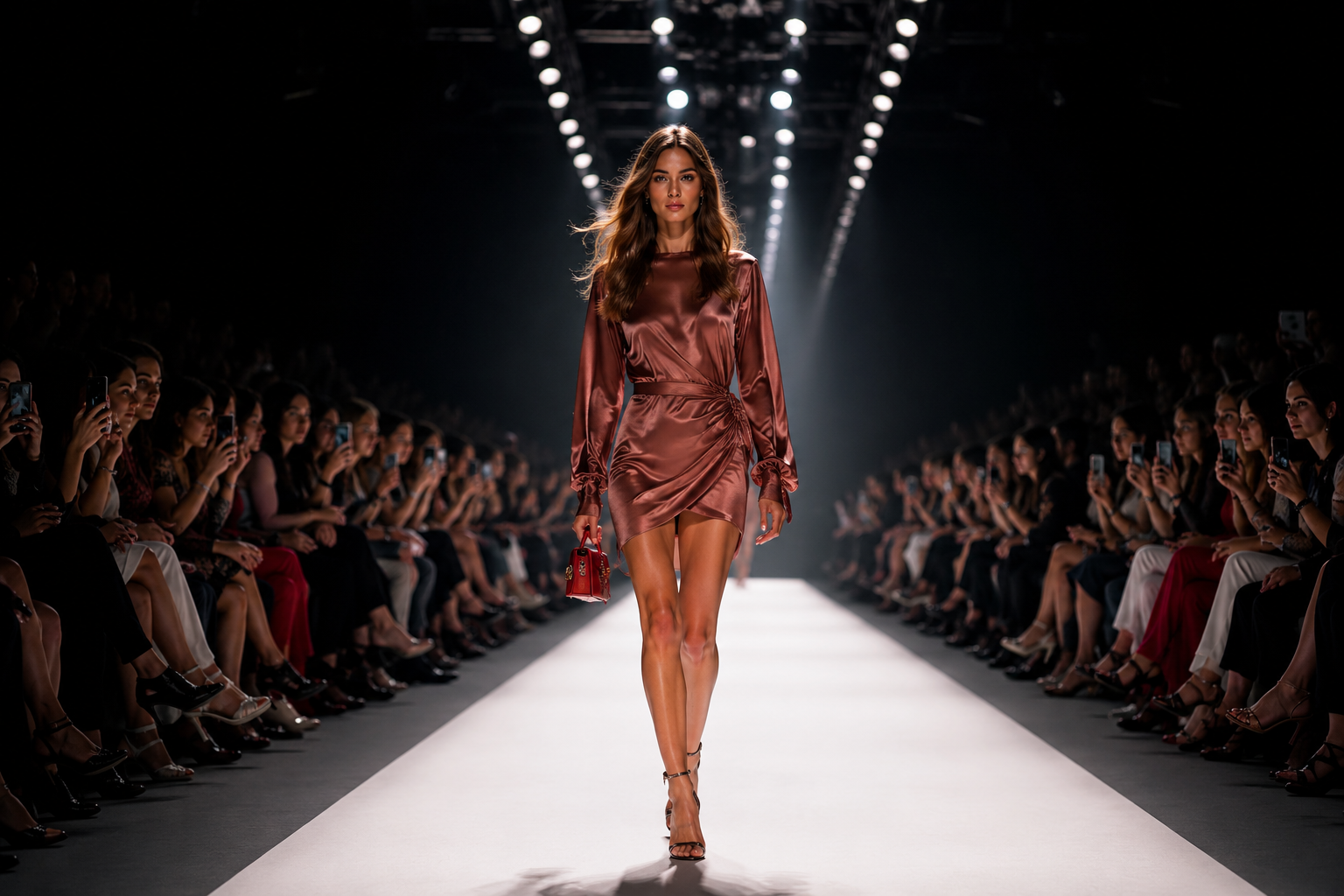
The recent consumer research indicates an emerging preference for products that feature hand-crafted finishes, textures, and designs that embrace imperfection and show off their handmade nature. The search activity on the topics of hand-crafted aesthetics, distressed finishes, and artisanal designs also proves this trend.
In the light of this information, brands working on their future product collections can be more certain while analyzing the trends spotted on the runway.
What This Means for Brands and Retailers
In terms of the brand perspective, this trend highlights the importance of quality and the production process over quickness and perfection. Designers are now creating collections that reveal the process of their work, which they combine with a more transparent communication in marketing.
For US retailers, this translates into a real buying decision. Products with visible craft signals are earning more trust from shoppers who are tired of feeling like everything in their feed was generated the same way. This is exactly the kind of pattern retailers can track using a retail trend intelligence platform, confirming real demand before committing budget, rather than reacting to runway photos alone.
Brands that get this balance right aren't rejecting AI. They're using it strategically, leaning on tools for competitive trend intelligence and forecasting on the backend, while keeping the visible product feeling unmistakably human.
Timing matters here too. Acting on this trend early, before it's obvious on every shelf, is where the real advantage sits. By the time a trend like this shows up everywhere, the pricing power and differentiation that came with being first are usually already gone.
Key Takeaways From This Season's Runway Trends
- Human craftsmanship is becoming a direct response to AI-generated design
- Visible imperfection is turning into a new marker of authenticity, not a flaw
- This shift is backed by real search and social data, not just runway sentiment
- Retailers should test this trend in small quantities before committing full assortments
- AI and human craft aren't opposites here; successful brands are using both at once
Conclusion
A/W 26/27 runway trends point to a fashion industry recalibrating around a simple idea: as AI makes perfect easy, human-made becomes the thing worth paying attention to. This isn't a rejection of technology; it's a more intentional use of it, with AI supporting the business side while craftsmanship leads the product side.
For US brands and retailers, staying ahead of this shift means pairing what's visible on the runway with real demand data, rather than reacting to either alone.
Want to see how "human-made" signals are performing in real search and social data right now? Request a demo and see what Trendalytics is tracking before you commit budget to it.
FAQs
Q1: What are A/W 26/27 runway trends focused on this season?
A major direction is the shift toward human craftsmanship and visible imperfection, in direct response to the rise of AI-generated fashion design.
Q2: Why is fashion trend forecasting important for reading this trend correctly?
It helps brands and buyers separate a genuine, data-backed shift from a short-lived runway moment, reducing risk before committing to a full buy.
Q3: What is the biggest signal behind this trend?
Designers intentionally showing raw hems, uneven prints, and visible stitching, as a way to prove human authorship in an increasingly AI-saturated market.
Q4: How does AI actually influence this trend?
AI is pushing designers to emphasize human-made details more strongly, precisely because AI-generated visuals have become so common and similar-looking.
Q5: What should US retailers focus on heading into this season?
Testing craft-forward pieces in smaller quantities, tracking real demand data, and pairing product decisions with authentic, process-driven marketing.
Get ahead and stay
ahead with AI-powered trend forecasting.
Request a demo. Our AI tools are unmatched in the marketplace for predictive data and trend forecasting.