
AI-Predicted Fashion Color Trends for Fall/Winter 2026
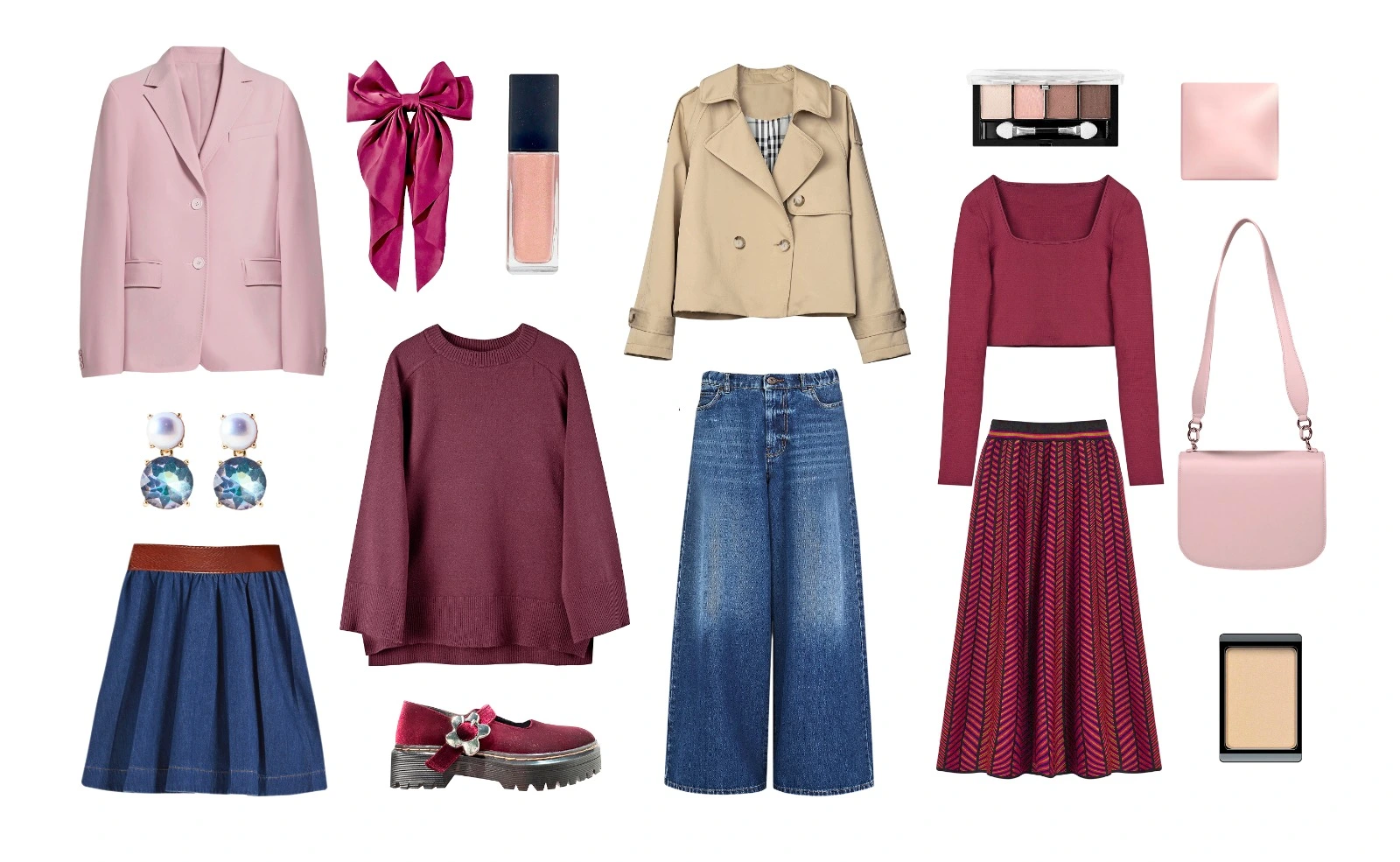
Fashion Color Trends for Fall/Winter 2026 are expected to be led by Deep Cherry Red, Smoky Plum, Forest Sage, Warm Mocha Brown, Midnight Navy, and Frosted Silver, according to AI-powered trend forecasting. These shades reflect growing consumer demand for comfort, confidence, sustainability, and self-expression. As a result, fashion brands are already using data-driven insights to prepare future collections and identify emerging opportunities.
AI predicts that Fall/Winter 2026 will focus on colors that balance familiarity with innovation. On one hand, consumers continue to embrace nature-inspired tones that create a sense of stability and wellness. On the other hand, they are also drawn to bold statement shades that communicate individuality and optimism. Therefore, brands are investing in palettes that combine timeless appeal with modern relevance.
According to Trendalytics, a fashion trend forecasting tool, searches and interest in sustainable fashion trends have surged this year, showing that consumers are actively looking for eco-friendly options and fashion trend forecasting insights. Consequently, color forecasting has become an essential part of product development, merchandising, and inventory planning. By analyzing consumer signals, retail activity, and cultural shifts, AI helps brands understand which colors are most likely to drive demand in the upcoming season.
Why Color Forecasting Matters in Fashion
Color remains one of the strongest drivers of consumer attention. In many cases, shoppers notice color before they notice design details. Therefore, choosing the right palette can influence product performance from the very beginning.
Furthermore, color trends affect multiple industries at the same time. A popular fashion shade often appears in beauty products, accessories, packaging, and home décor. As a result, forecasting helps businesses understand broader market movements.
Brands also use forecasting to reduce uncertainty. Instead of waiting for trends to appear, companies can prepare early. Consequently, they improve inventory planning and reduce the risk of unsold products.
Today, AI has transformed this process. Rather than analyzing small samples, modern systems evaluate millions of data points from search behavior, social engagement, online shopping activity, and consumer conversations. Therefore, businesses gain a much clearer picture of future demand.
How AI Identifies Emerging Color Trends

Traditional forecasting relied heavily on expert observations. While expert knowledge remains valuable, AI adds greater speed and scale.
Modern forecasting platforms track consumer behavior across multiple channels. They analyze search patterns, social media activity, retail performance, influencer content, and cultural shifts. As a result, they can detect emerging trends much earlier than traditional methods.
When several signals point toward the same color direction, confidence in the forecast increases. Therefore, brands can make decisions with greater accuracy.
In addition, AI continuously learns from new information. Consequently, forecasts remain dynamic and responsive to changing consumer preferences.
This approach allows fashion brands to move from reactive planning to proactive decision-making. Instead of following trends, they can prepare for them.
Fashion Color Trends for Fall/Winter 2026
Several key shades are expected to dominate the upcoming season. Each color reflects a specific consumer mindset while supporting broader market trends.
Deep Cherry Red
Deep Cherry Red continues to gain momentum across luxury and mainstream fashion.
Consumers view this shade as bold, confident, and expressive. Therefore, it appeals to shoppers who want to stand out without sacrificing sophistication.
Unlike brighter reds, Deep Cherry Red feels richer and more refined. As a result, brands can use it across outerwear, knitwear, handbags, footwear, and eveningwear collections.
Additionally, this shade performs exceptionally well on social media. Because it attracts attention instantly, it often generates strong engagement and visual impact.
Smoky Plum
Purple tones continue to evolve. However, Fall/Winter 2026 introduces a darker and more mature version.
Smoky Plum combines elegance with creativity. Therefore, it appeals to consumers seeking a balance between tradition and individuality.
Moreover, this shade works across multiple product categories. Designers can use it as a statement color or combine it with neutrals for a more versatile look.
Because consumers increasingly value emotional connection, colors like Smoky Plum are expected to gain stronger traction throughout the season.
Forest Sage
Nature-inspired colors remain highly relevant. However, Forest Sage offers a deeper and more seasonal interpretation.
This shade reflects sustainability, wellness, and balance. Consequently, it aligns with consumer values that continue to influence purchasing decisions.
Furthermore, Forest Sage provides excellent versatility. It pairs naturally with browns, creams, charcoals, and muted blues. Therefore, brands can integrate it into a wide range of collections.
Many forecasting models suggest that earthy green tones will remain commercially successful because consumers associate them with stability and authenticity.
Warm Mocha Brown
Brown tones are experiencing a strong resurgence.
Warm Mocha Brown feels comforting and timeless. As a result, it supports the growing consumer preference for products with long-term value.
Unlike trend-driven shades that disappear quickly, brown offers durability and flexibility. Therefore, brands can confidently invest in this color across multiple seasons.
Additionally, this shade complements the broader movement toward quiet luxury and understated sophistication.
Midnight Navy
Classic colors continue to hold significant value.
Midnight Navy provides a modern alternative to black while maintaining a premium appearance. Consequently, it appeals to consumers seeking elegance without excessive formality.
Moreover, this color works across all age groups and fashion categories. Therefore, it remains one of the safest yet most effective choices for Fall/Winter collections.
Because consumers increasingly prioritize versatility, Midnight Navy is expected to maintain strong demand throughout the season.
Frosted Silver
Technology continues to influence fashion aesthetics.
Frosted Silver reflects this shift by combining futuristic appeal with wearable sophistication. Therefore, it resonates with consumers who appreciate innovation and modern design.
This color performs particularly well in accessories, footwear, and outerwear categories. Furthermore, it creates visual contrast when paired with deeper seasonal shades.
As digital culture becomes more influential, metallic-inspired colors are likely to gain further momentum.
Runway Signals Supporting These Trends
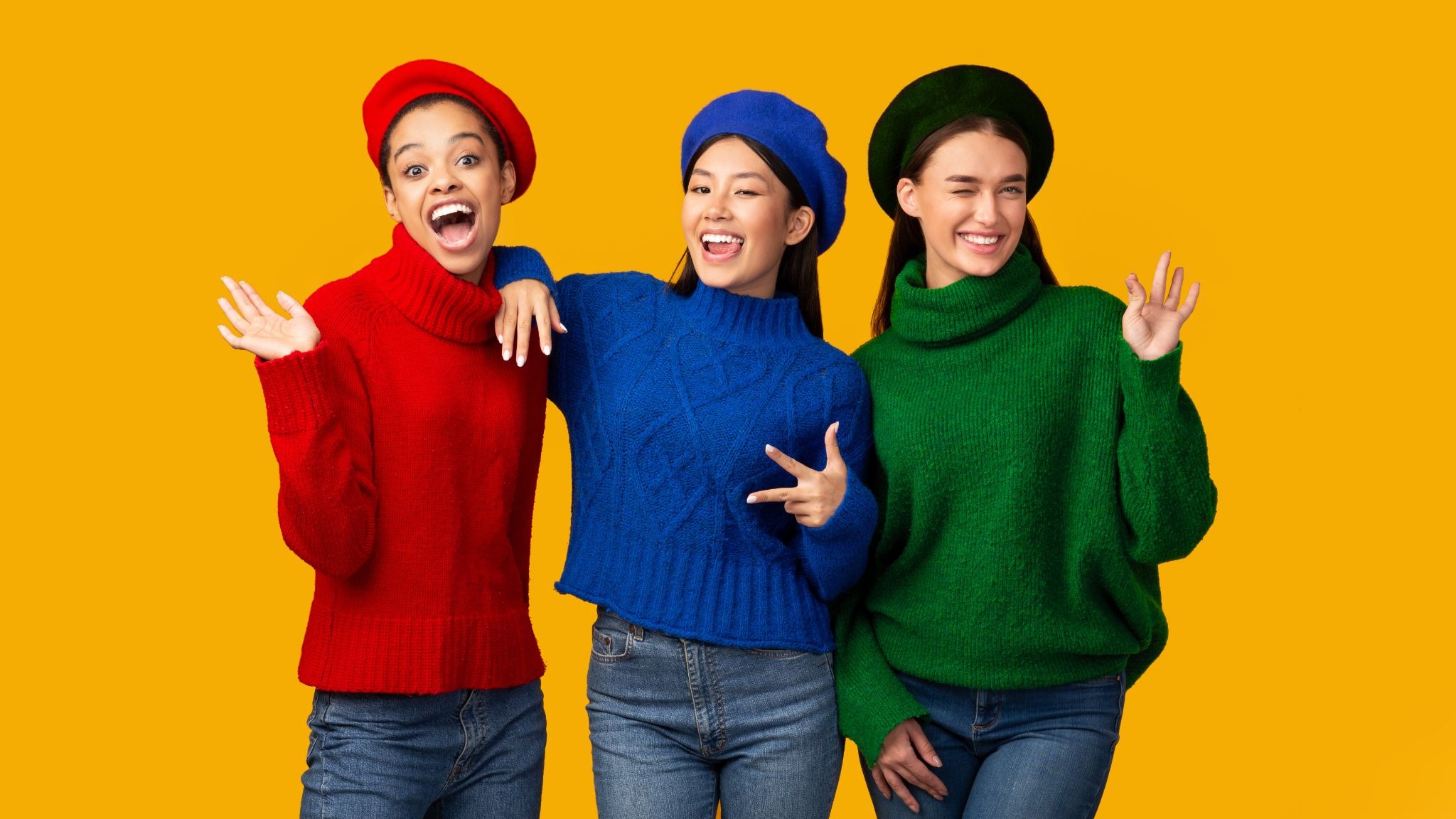
Fashion weeks continue to provide valuable insight into future market direction.
Recent runway presentations reveal a growing preference for emotional storytelling through color. Designers are using color not only to create visual interest but also to communicate values and experiences.
For example, many collections emphasize comfort, optimism, and self-expression. Therefore, richer and more meaningful color palettes are becoming increasingly common.
At the same time, designers continue to balance bold statement shades with practical neutrals. Consequently, collections feel both creative and commercially viable.
These runway movements closely align with broader consumer demand signals identified through AI forecasting systems.
Consumer Behavior Driving Color Adoption
Consumer preferences play a major role in trend development.
Today, shoppers seek products that provide emotional value. Therefore, colors that evoke comfort, confidence, and positivity often perform well.
At the same time, consumers continue to prioritize authenticity. As a result, shades inspired by nature and personal expression are gaining momentum.
Social media also accelerates trend adoption. Because consumers encounter new visual influences every day, trends spread much faster than in previous years.
Furthermore, younger consumers continue to shape market direction. Their preferences often influence broader purchasing patterns across fashion, beauty, and lifestyle categories.
This shift helps explain why emotionally meaningful colors are becoming more important than purely decorative ones.
How Brands Can Apply These Insights
Identifying trends is only the first step. Successful brands translate insights into strategic action.
Product development teams can use forecasting data to create collections that align with future demand. Likewise, merchandising teams can optimize assortments and inventory planning.
Marketing departments also benefit from color forecasting. By aligning campaigns with emerging trends, brands can improve engagement and strengthen relevance.
Additionally, forecasting reduces uncertainty. Instead of relying solely on intuition, businesses can make decisions supported by real consumer signals.
These market intelligence insights are supported by Trendalytics reports, showing that AI fashion trend forecasting is becoming a key tool for sustainable clothing brands to stay ahead of consumer demand.
The Future of Color Forecasting
Forecasting continues to evolve rapidly.
AI systems are becoming more sophisticated every year. Consequently, brands gain access to deeper consumer insights and more accurate predictions.
However, technology alone is not enough. Human expertise remains essential for interpreting market shifts and understanding cultural influences.
Therefore, the future of forecasting will combine data science with creative intelligence.
Brands that embrace this combination will be better positioned to respond to changing consumer expectations and emerging market opportunities.
Conclusion
The future of fashion points toward richer, more meaningful color stories. From Deep Cherry Red and Smoky Plum to Forest Sage and Frosted Silver, the emerging palette reflects evolving consumer values and market priorities.
More importantly, these Fashion Color Trends for Fall/Winter demonstrate how AI-powered forecasting is changing the way brands plan collections and respond to demand. Businesses no longer need to wait for trends to become obvious. Instead, they can identify opportunities earlier and act with greater confidence.
As consumer preferences continue to evolve, companies that combine creativity, trend intelligence, and data-driven decision-making will be best positioned for long-term success. Contact us today. We use smart tools, data-driven research, and advanced trend analytics to help you understand what’s coming next. Don’t follow trends. Predict them.
FAQs
Q1. What are the top fashion color trends for Fall/Winter 2026?
The leading colors for Fall/Winter 2026 include Deep Cherry Red, Smoky Plum, Forest Sage, Warm Mocha Brown, Midnight Navy, and Frosted Silver. These shades reflect consumer demand for comfort, confidence, and timeless style.
Q2. How does AI predict fashion color trends?
AI analyzes search behavior, social media activity, retail sales data, and consumer engagement patterns. It identifies emerging color preferences early, helping brands forecast future demand more accurately.
Q3. Why are color trends important for fashion brands?
Color trends influence purchasing decisions, product development, and merchandising strategies. Therefore, understanding future color preferences helps brands create collections that align with consumer demand.
Q4. Which color is expected to dominate Fall/Winter 2026 fashion?
Deep Cherry Red is one of the strongest contenders for Fall/Winter 2026. The shade combines sophistication with bold self-expression, making it appealing across multiple fashion categories.
Q5. How can brands use fashion color forecasts effectively?
Brands can use color forecasts to guide product design, inventory planning, marketing campaigns, and collection development. As a result, they can respond to trends earlier and improve business performance.
Get ahead and stay
ahead with AI-powered trend forecasting.
Request a demo. Our AI tools are unmatched in the marketplace for predictive data and trend forecasting.