
The Biggest Skincare Trends of 2026 Taking Over Right Now
.webp)
Skincare trends 2026 have taken a sharp turn. Gone are the days of 10-step routines, ingredient overload, and chasing every viral product that lands on your FYP. This year, the biggest shift in skincare isn't about adding more; it's about doing less, but doing it smarter. Science, simplicity, and long-term results are the three words defining every major trend right now.
From NAD+ serums tackling cellular aging to red light therapy masks going from clinic to bathroom shelf, the skincare trends US consumers are actually investing in have never been more results-driven. Here's everything that's building real momentum in 2026, and a few things quietly losing it.
1. What's Driving Skincare Trends in 2026?
The skincare consumer in 2026 is more educated than ever. They're reading ingredient labels. They're cross-referencing TikTok dermatologists with peer-reviewed studies. They're asking not just 'does this work' but 'how does this work', and they expect brands to have an answer. That shift in consumer intelligence is driving every major trend this year.
From Quick Fixes to Long-Term Skin Health
The era of the quick fix is over. Consumers are done with products that promise dramatic results overnight and deliver nothing lasting. What's replacing that? A concept being called 'skinvestment', the idea that skincare is a long-term commitment to skin health, not a series of short-term experiments. Brands that speak the language of skin resilience, barrier health, and sustained results are winning. Those still leaning on dramatic before-and-after claims are losing ground fast.
This shift is visible in what people are actually buying. Barrier serums, calming creams, peptide treatments, and gentle yet effective actives are outperforming more aggressive approaches. The consumer has grown up, and skincare has had to grow up with them.
The Rise of Skin Longevity and Metabolic Beauty
One of the biggest macro shifts in skincare trends 2026 is the move toward skin longevity. This is the idea that skincare should support the skin's long-term function, not just address surface concerns after they appear. Think of it as preventative healthcare for your face. Younger consumers are starting anti-aging routines earlier. Older consumers are moving away from reactive correction toward proactive maintenance.
Metabolic beauty is the more scientific expression of the same idea. Products targeting the skin at a cellular and metabolic level, supporting energy production, DNA repair, and structural regeneration are the frontier of what's coming. NAD+, exosomes, and biotech-derived actives are all expressions of this direction.
How TikTok and Dermatologists Are Shaping Routines
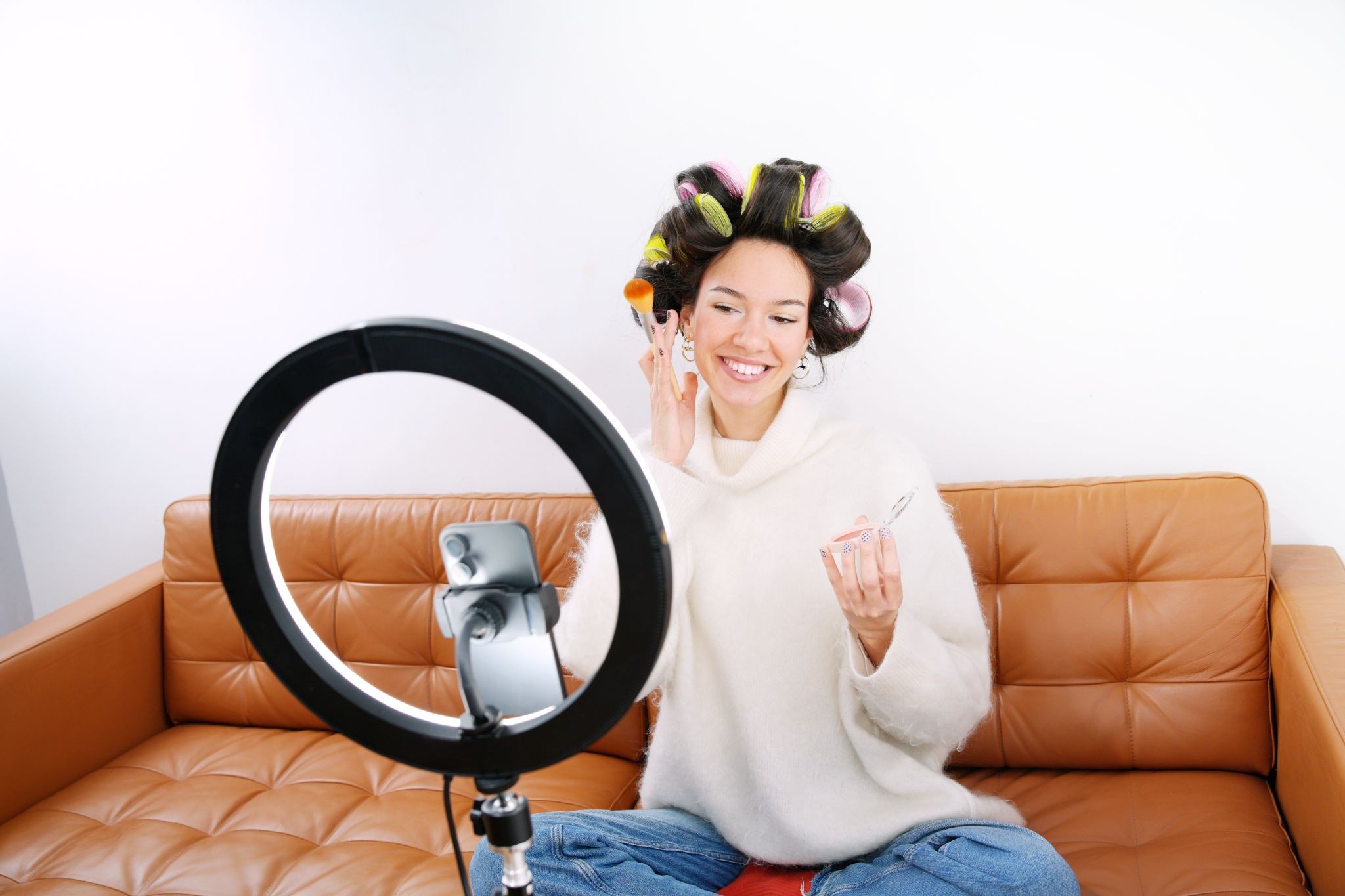
TikTok and dermatologists are now operating in the same space, and together they're the most powerful force in skincare consumer behavior. Questions that once required a doctor's appointment are now debated daily across TikTok, Reddit, and Instagram dermatologist accounts. That democratization of skincare knowledge has made consumers more demanding and more discerning.
The result is a consumer who trusts science, checks ingredients, and has very little patience for unsubstantiated claims. Brands that show their work, citing clinical studies, explaining mechanisms, and giving real ingredient transparency are the ones building loyalty in 2026.
The Biggest Skincare Trends of 2026 Right Now
These are the biggest skincare trends 2026 is gaining the most real momentum right now, across US search data, TikTok insights, dermatologist recommendations, and retail sell-through signals. Here's every one of them.
1. Skin Barrier Repair: The Foundation of Everything
If there's one trend that underpins every other skincare conversation in 2026, it's the skin barrier. The skin barrier is the outermost layer of the skin, its first line of defense against environmental damage, moisture loss, and irritation. When it's compromised, everything else goes wrong. Breakouts, sensitivity, dryness, uneven tone- all are linked to a damaged barrier.
Consumers finally understand this. Searches around barrier repair, barrier-supportive ingredients, and 'how to fix skin barrier' have climbed consistently throughout 2026 across the US. The products winning right now are the ones that actually rebuild and protect the barrier, not just temporarily mask damage.
- Look for: ceramides, beta-glucan, peptides, squalane, and centella asiatica
- Avoid: over-exfoliation, harsh actives used too frequently, fragrance-heavy formulas
2. NAD+ and NMN Serums
NAD+ is the buzzword of 2026 skincare, and for good reason. NAD+ (nicotinamide adenine dinucleotide) is a coenzyme found in every cell of the body. It's essential for energy production and DNA repair. As we age, NAD+ levels drop, and that decline is linked to dullness, slower cell turnover, and reduced skin resilience. Topical NAD+ and NMN (nicotinamide mononucleotide) serums aim to replenish these levels at the skin surface.
This is not a fad. The science behind NAD+ is well-established in the medical world; it's now being translated into skincare in a way that makes cellular energy and DNA repair accessible as daily routine benefits. Expect this category to explode further through the rest of 2026.
3. Beta-Glucan, The New Barrier Hero
Move over hyaluronic acid. Beta-glucan skincare is having its breakthrough moment. This natural polysaccharide, found in fungi, algae, and bacteria, has long been used in the medical world for its immune-boosting and barrier-repairing properties. In skincare, it delivers deep hydration, reduces inflammation, and actively supports the skin barrier in a way that standard humectants simply don't.
Searches for beta-glucan have grown by 51% over the past year in the US. It's gentle enough for sensitive skin, compatible with almost every other active, and delivers the kind of consistent, noticeable results that today's educated consumer demands. It's one of the most important emerging ingredients of the year.
4. Azelaic Acid Going Mainstream
The azelaic acid skincare trend has been building for a while, and 2026 is the year it goes fully mainstream. Once primarily recommended by dermatologists for rosacea and acne, azelaic acid is now one of the top three most searched skincare ingredients in the US. And it deserves the attention. It reduces melanin production, unclogs pores, calms redness, and works as an antioxidant, all in one ingredient.
What makes it particularly compelling right now is its versatility. It works across skin types and concerns. It's pregnancy-safe. And it doesn't carry the irritation risk of retinol or strong acids. For a consumer that wants results without drama, azelaic acid is an easy win.
5. Red Light Therapy and LED Masks
Red light therapy skincare has officially crossed from clinical treatment to mainstream beauty routine. LED masks that once cost thousands of dollars in a dermatologist's office are now available as consumer devices at accessible price points, and the science behind them is genuinely solid. Studies have shown that specific wavelengths of red and near-infrared light stimulate collagen production, reduce inflammation, and accelerate cell repair.
Since 2008, the price of LED technology has fallen by over 98%. That cost reduction, combined with growing consumer awareness and clinical validation, has made red light masks one of the fastest-growing categories in US skincare retail right now. This is not a gadget trend. It's a legitimate treatment category that's here to stay.
- Use 3-5 times per week for 10-20 minutes
- Works best on clean, product-free skin
- Look for devices with both red (630-700nm) and near-infrared (800-880nm) wavelengths
6. Regenerative Beauty and Exosomes

Regenerative beauty 2026 is the most science-forward trend on this list and one of the most exciting. Rather than addressing surface concerns, regenerative treatments aim to restore the skin's underlying structure. Exosome skincare trend products, which use tiny cell-signaling particles to stimulate repair at a cellular level, are leading this charge.
PDRN (polydeoxyribonucleotide), derived from salmon DNA, is the hero ingredient of this movement. Originally used in wound healing and joint repair, it's now appearing in topical skincare as a next-generation regenerative active. Searches for PDRN and exosome skincare have grown dramatically in the US over the past six months, and the clinical results showing up in early trials are genuinely impressive.
7. Routine Minimalism and Skinvestment
Younger consumers who once embraced haul culture are now decluttering their bathroom shelves. The routine minimalism skincare trend is a direct reaction to the overwhelm of the 10-step era. Consumers want fewer products that actually work, not a crowded routine full of overlapping actives and redundant steps.
The 'skinvestment' mindset sits alongside this. Spending more on fewer, better products that deliver consistent long-term results rather than buying every new launch that appears on social media. Multi-functional products, a moisturizer that also contains SPF and niacinamide, for example, are among the biggest winners of this trend. And brands that communicate clearly about what their products do and why are building real loyalty.
8. Scalp Skincare
The scalp skincare trend is one of the most significant new category expansions in beauty right now. The logic is simple: the scalp is skin. And for years it's been treated as a hair problem rather than a skincare one. That's changing fast. Shampoos with skincare acids to exfoliate, scalp-specific hydrating serums, and targeted treatments for scalp health are all gaining serious traction in the US market.
The connection to hair health is the commercial driver here. As consumers understand that a healthier scalp produces healthier hair, the category becomes an easy sell. Brands that already have equity in skincare are extending into scalp care, and finding an audience that's genuinely hungry for it.
9. Body Skinification
Why should your face get all the good ingredients? The body skinification trend applies the same logic, and the same high-performance actives, to body care. Retinol body lotions. Niacinamide body serums. Urea and AHA body exfoliants. High-potency ingredients once reserved exclusively for facial skincare are now standard in daily body routines.
Brands like Hanni are making spray-on skincare a routine staple for fast, easy body hydration. The consumer expectation has shifted: body skin deserves the same level of attention and ingredient quality as face skin. And the products that deliver on that expectation are among the fastest-growing SKUs in US skincare retail right now.
10. Next-Gen Sunscreen
Next-gen sunscreen 2026 is solving the problems that kept so many US consumers from wearing SPF consistently. Heavy textures, white cast, pilling under makeup, and greasy finishes are the historic complaints. New filter technologies, particularly those being adopted from Japanese and European sunscreen formulations, are creating lighter, more cosmetically elegant formulas that sit beautifully under makeup and feel like nothing on the skin.
New formulations are hitting US shelves from August 2026 onward, and early consumer response has been exceptional. This is a category that has needed disruption for years, and the technology has finally caught up with the demand.
11. K-Beauty Evolution
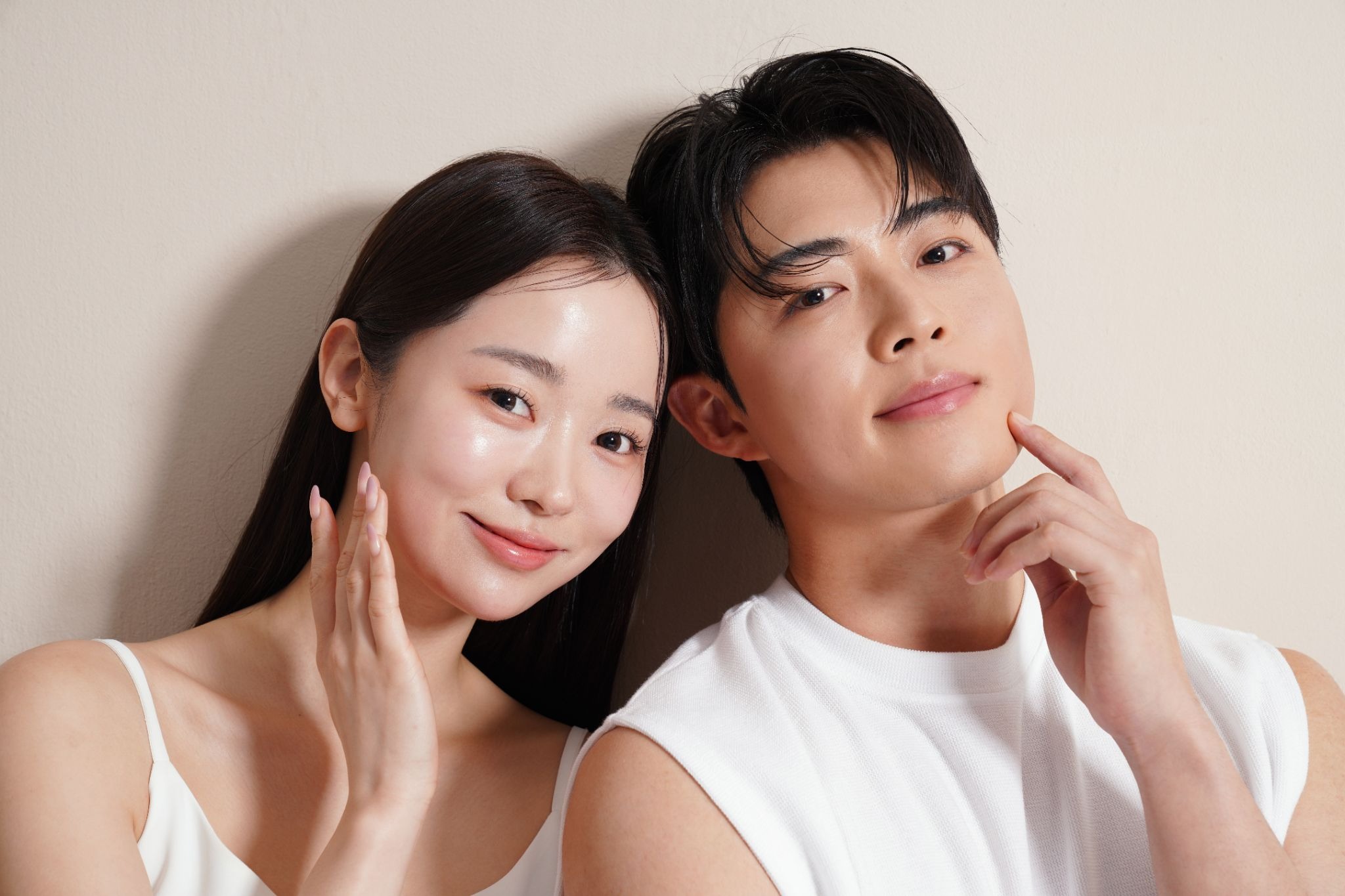
K-Beauty isn't going anywhere, but it is evolving. The 10-step routine that defined K-Beauty's mainstream moment is being replaced by something more refined. Consumers are getting more selective about which Korean skincare concepts are actually worth adopting. Glass skin remains massively popular. PDRN-based treatments are building fast. Fermented ingredients, snail mucin, and centella asiatica are now so integrated into mainstream US skincare that they barely read as K-Beauty anymore; they've simply become good skincare.
The next wave of K-Beauty influence is coming from treatment innovation, particularly around regenerative ingredients and gentle-but-effective formulation philosophy. Korean brands continue to set the pace for texture innovation and ingredient experimentation, and US consumers are paying close attention.
Hero Ingredients to Look For in 2026
If you're rebuilding your routine around the skincare trends 2026 that actually have science behind them, here are the ingredients worth prioritizing, confirmed across dermatologist recommendations, clinical data, and US consumer search behavior.
- Beta-Glucan: deep hydration, barrier repair, anti-inflammatory. Gentler than hyaluronic acid and more effective for sensitive skin
- Peptides: signaling molecules that tell skin to produce more collagen and elastin. Compatible with almost everything and suitable for all skin types
- Stable Vitamin C: antioxidant protection and brightening. Look for ascorbyl glucoside or 3-O-ethyl ascorbic acid for better stability than traditional L-ascorbic acid.
- Niacinamide 2.0: optimized, gentler formulations now available at higher concentrations without the irritation risk of older versions
- Bioretinol / Algae-derived retinol alternatives: retinol-like results with significantly less irritation. Ideal for sensitive skin or retinol beginners
- Azelaic Acid: multitasking active for acne, redness, hyperpigmentation, and barrier support. Pregnancy-safe and suitable for most skin types
- Ceramides: the building blocks of a healthy skin barrier. Non-negotiable in any barrier-focused routine
One thing to keep in mind: more ingredients are not better. Pairing two or three well-chosen actives consistently beats layering ten ingredients that cancel each other out. The minimalism trend in routines applies equally to ingredient selection.
What's Losing Momentum in Skincare Right Now
Understanding what's fading is just as valuable as knowing what's rising. Here's what the trend forecasting data says is losing steam in 2026:
- 10-step routines: consumer fatigue is real. Streamlined, effective routines are winning.
- Single-ingredient fads: the days of one ingredient becoming a cultural moment and then disappearing are numbered. Consumers want proven, multi-benefit formulas.s
- Dramatic anti-aging messaging: 'erase 10 years' claims are losing credibility with an educated consumer who wants proof, not promises
- Harsh over-exfoliation: the backlash against acid overuse has been building for two years. Gentle effectiveness is the new standard.
- Unsubstantiated 'clean beauty' claims: 'free from' marketing without clinical backing is being called out. Transparency and proof are replacing fear-based positioning.
- Haul culture: buying every new launch is out. Buying fewer, better products that actually work is the 2026 consumer mindset.
How to Build Your 2026 Skincare Routine
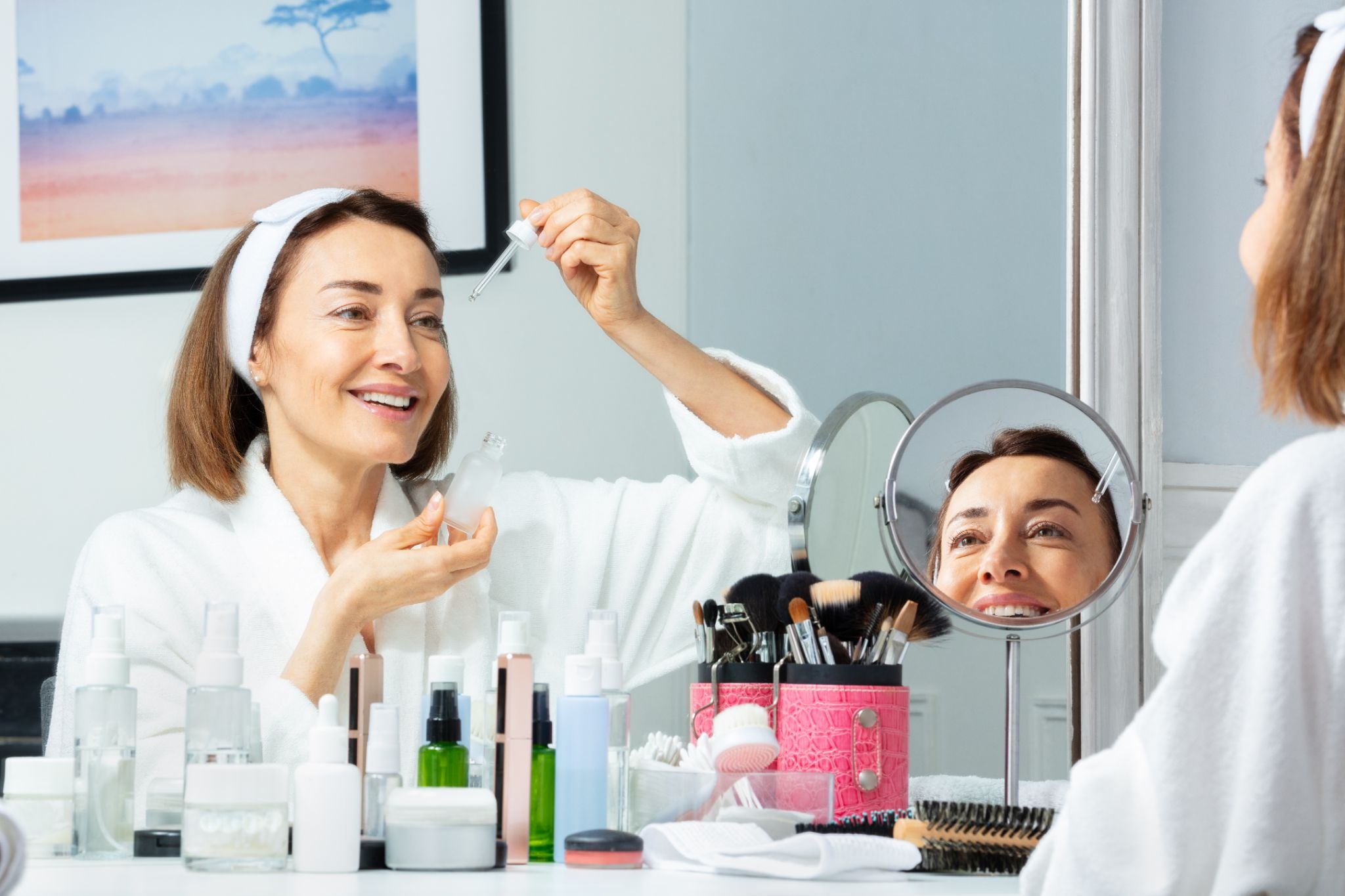
You don't need to overhaul everything. Here's how to update your routine around the skincare trends 2026 that are actually worth your time and money:
- Start with barrier health: if your barrier is compromised, nothing else works properly. Add a ceramide- or beta-glucan-based moisturizer if you don't already have one.
- Consolidate your actives: pick two or three that target your main concerns and use them consistently. Rotating too many actives is counterproductive.
- Add SPF every morning without exception, and consider upgrading to a next-gen formulation if your current one feels heavy or pills under makeup.
- Try one new technology: red light therapy is the easiest entry point if you're curious about device-based skincare.
- Extend your routine to your scalp and body: the same ingredients that work on your face work below the neck too.
- Be patient: skincare trends 2026 are built around long-term results, not overnight transformations. Give new products at least six to eight weeks before judging them.
How Trendalytics Tracks Skincare Trends Early
The skincare trends 2026 showing up across US retail right now were visible in the data months before they hit mainstream coverage. Beta-glucan search interest was climbing steadily before any major beauty publication ran a feature on it. NAD+ serums were gaining TikTok velocity weeks before they landed on shelves. Red light therapy device searches were spiking while the category was still considered niche.
Trendalytics' AI beauty trend forecasting Tool tracks these kinds of signals in real time, monitoring TikTok velocity, US search behavior, Reddit conversations, editorial placements, and retail sell-through data simultaneously. When multiple signals point in the same direction at once, that convergence flags a high-confidence emerging trend. For beauty brands and retailers, that intelligence means acting early, developing the right products, planning the right campaigns, and stocking the right inventory before demand peaks rather than after.
Final Verdict
Skincare trends 2026 are telling a clear story: science over hype, simplicity over complexity, and long-term results over quick fixes. From barrier repair and NAD+ serums to red light therapy and next-gen sunscreen, the trends gaining real traction right now are all grounded in genuine efficacy, not just social media momentum.
Whether you're a consumer looking to upgrade your routine or a brand trying to stay ahead of what US shoppers are actually reaching for, understanding these trends is where smart decisions start. Want to see which skincare trends 2026 are building the most commercial momentum in your category right now? Request a demo with Trendalytics and get the full picture.
FAQs
1. What are the biggest skincare trends in 2026?
Skin barrier repair, NAD+ serums, beta-glucan, azelaic acid, red light therapy, regenerative beauty, routine minimalism, scalp skincare, body skinification, next-gen sunscreen, and K-Beauty evolution.
2. What is the number one skincare trend in 2026?
Skin barrier repair. Every other trend connects back to it — the ingredients, the routines, and the concerns consumers are trying to address all start here.
3. What skincare ingredients are trending in 2026?
Beta-glucan, peptides, stable vitamin C, niacinamide 2.0, bioretinol alternatives, azelaic acid, ceramides, and NAD+. All gentle, multi-benefit, and science-backed.
4. Is K-Beauty still trending in 2026?
Yes, but more selectively. Glass skin and PDRN treatments remain strong. The 10-step routine is fading in favor of refined, ingredient-focused approaches.
5. How does Trendalytics track skincare trends?
Trendalytics monitors TikTok velocity, search behavior, and retail signals in real time — giving brands early intelligence on which trends are building momentum before they peak.
Get ahead and stay
ahead with AI-powered trend forecasting.
Request a demo. Our AI tools are unmatched in the marketplace for predictive data and trend forecasting.