
Emerging Skincare Trends: From K-Beauty to Global Markets

The world of Emerging Skincare Trends is changing rapidly across global beauty markets. Skincare is no longer only about appearance, but about science and long-term skin health. Today, consumers are focusing more on barrier repair, skin longevity, and preventive care solutions. Technology, data, and innovation are now shaping how skincare products are developed and used. K-Beauty continues to lead global innovation with advanced ingredients and fast product evolution. At the same time, the US market is shifting toward minimal, effective, and science-backed routines. Trend forecasting tools such as Trendalytics are now essential in understanding consumer behavior.
Over the past few years, skincare routines have become significantly more simplified and efficient. Consumers are moving away from complex multi-step routines toward smarter and more functional systems. Ingredients such as ceramides, exosomes, and PDRN are becoming central in modern formulations. These ingredients focus on repairing the skin barrier and improving long-term skin resilience. AI-powered personalization is also transforming how skincare products are recommended globally. Brands now rely on real-time consumer data and trend forecasting for product innovation. As a result, skincare is becoming more predictive, personalized, and deeply data-driven.
K-Beauty’s Evolution: From Routine-Based to Science-Driven Skincare
K-Beauty has gone through a powerful transformation over the last decade. What started as an export of multi-step skincare routines has now evolved into a highly advanced, science-driven industry. Today, K-Beauty is no longer defined by layering products, but by innovation in formulation and performance. It is now focused on delivering faster, more targeted, and clinically effective skincare solutions. This shift has positioned K-Beauty as a global leader in modern skincare development.
From 10-Step Routines to Minimalist Systems
Earlier, K-Beauty was known for its detailed 10-step skincare routines. These routines focused on layering multiple products for different skin needs. Each step had a specific role, including cleansing, hydration, treatment, and protection. While this approach offered highly customized care, it was also time-consuming and product-heavy.
Over time, consumer behavior started shifting, especially in the US market. People began preferring simpler routines that still delivered strong results. Busy lifestyles, rising skin sensitivity, and product overload concerns all contributed to this change. Skincare started moving toward more efficient and practical systems.
This shift led to the rise of minimalist and multi-functional skincare, where products are designed to do more in fewer steps. Instead of layering many products, consumers now rely on smarter formulations.
Key changes include:
- Serum and moisturizer combinations replace multiple steps
- SPF products infused with skincare benefits
- Multi-functional formulas targeting hydration, repair, and protection together
- Reduction in unnecessary layering steps
- Focus on long-term skin health instead of routine complexity
This movement is widely known as skinimalism, where simplicity and performance work together. The goal is no longer to use more products, but to use better and more effective ones.
Rise of Biotech Skincare Innovation
The biggest shift in modern skincare is the rise of biotech-powered formulations. Korean brands are leading this change by introducing advanced ingredients that work beyond surface-level care. These actives are designed to support skin at a biological level, focusing on regeneration, repair, and long-term improvement.
This evolution is making skincare more clinical, where cosmetic products now deliver deeper functional benefits. Ingredients that were once only used in dermatology treatments are now becoming part of everyday skincare routines.
- Exosomes for skin regeneration and cell communication
- PDRN for repair, healing, and skin recovery support
- Fermented bio-actives for improved absorption and effectiveness
These ingredients were previously limited to professional clinics and advanced treatments. Now, they are widely entering mainstream skincare products. This shift shows how the industry is moving toward science-driven, performance-based skincare.
ODM Manufacturing Advantage
Korea’s ODM (Original Development Manufacturing) system plays a major role in the speed of K-Beauty innovation. It allows brands to quickly develop, test, and launch new skincare products without long production delays. This flexible system helps companies respond rapidly to changing consumer trends and market demand.
By using real-time trend data, Korean manufacturers can identify what consumers want and turn those insights into products faster than most global competitors. This makes K-Beauty one of the most agile and fast-moving industries in the global skincare market, where innovation and speed go hand in hand.
Skin Barrier & Skin Longevity: The Core US Skincare Shift

One of the most dominant emerging skincare trends in the US is the shift away from aggressive treatment-based routines toward skin barrier protection and long-term skin health. Instead of focusing on quick fixes, consumers are now prioritizing stability, resilience, and prevention. This change reflects a growing awareness of how over-exfoliation, harsh actives, and product overload can damage the skin barrier over time.
Modern skincare is now centered around repairing and strengthening the skin barrier using science-backed ingredients. Key barrier-supporting actives include ceramides, beta-glucan, panthenol, and probiotic-based formulations. At the same time, the idea of skin longevity is replacing traditional anti-aging, with consumers focusing more on maintaining healthy, balanced skin for the long term rather than targeting wrinkles alone.
Skinimalism 2.0: The US Consumer Revolution
The US skincare market is undergoing a major behavioral shift known as Skinimalism 2.0. Consumers are moving away from complex 10-step routines and embracing simpler, more effective systems. The focus is now on achieving better results with fewer products while maintaining skin health and performance.
This has led to the rise of streamlined routines and hybrid formulations. People now prefer 3–5 step skincare systems, multifunctional products, and combinations that simplify daily care. Examples include SPF-infused serums, active-based moisturizers, and makeup products enriched with skincare ingredients, reflecting a strong demand for efficiency and practicality.
Biotech & Clinical Skincare: The Future of K-Beauty Innovation
One of the most exciting emerging skincare trends is the rise of clinical-grade biotechnology in everyday skincare products. K-Beauty is leading this transformation by introducing advanced scientific ingredients that were previously limited to professional dermatology treatments. This shift is redefining how skincare is developed and understood.
Ingredients like exosomes, which support cell communication and regeneration, and PDRN, known for skin repair and healing, are now entering mainstream skincare products. This evolution is blurring the boundaries between dermatology, cosmetic skincare, and at-home beauty care, turning skincare into a more medical-grade, science-driven ecosystem for consumers.
AI & Personalized Beauty: The Rise of Data-Driven Skincare
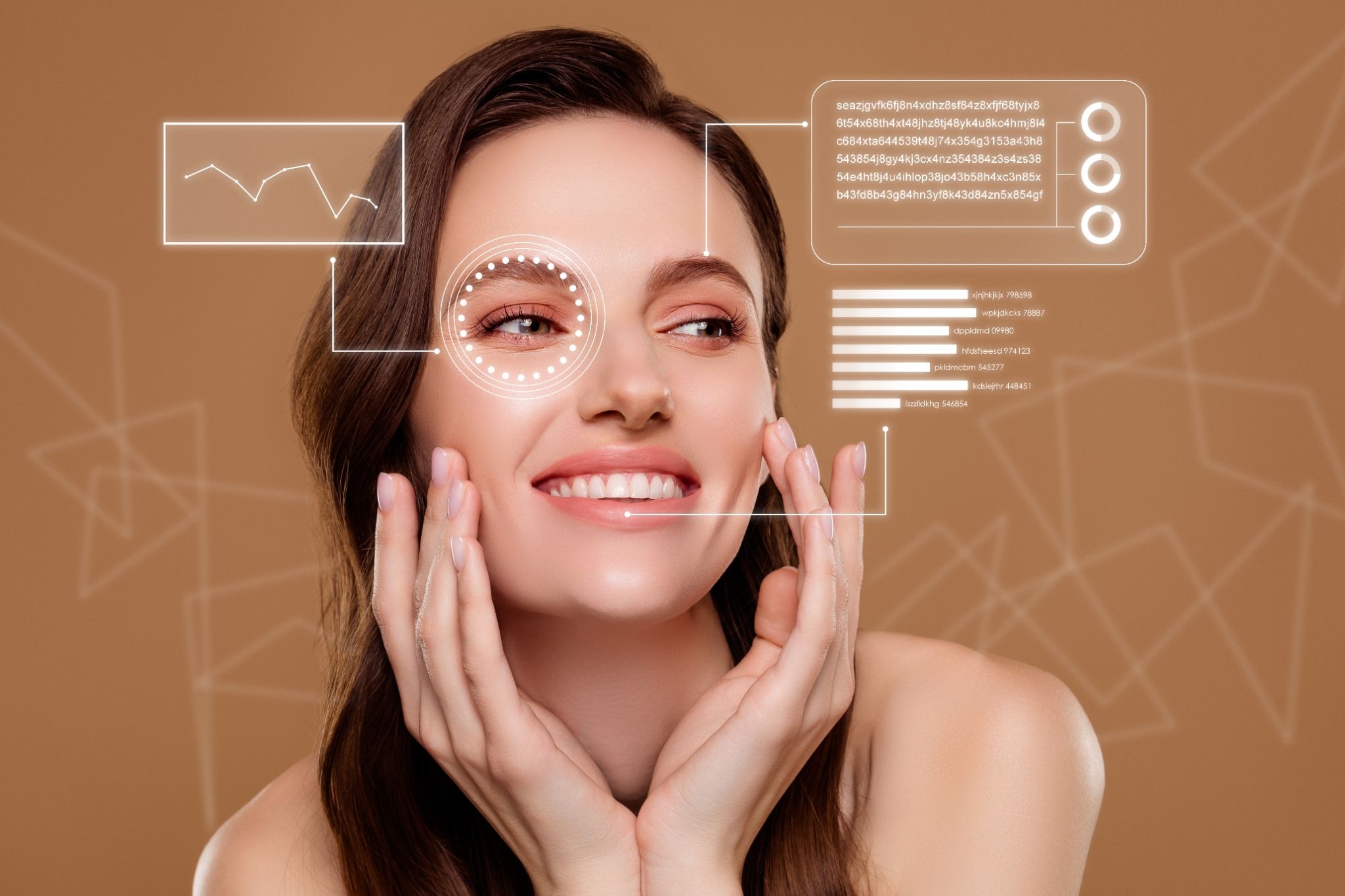
Technology is now playing a major role in shaping skincare decisions across global markets. The rise of AI-powered personalization is transforming how consumers choose products based on real skin conditions instead of general assumptions. This shift is making skincare more precise, data-backed, and tailored to individual needs.
AI skin diagnostics are at the center of this change, helping brands analyze skin in real time and build accurate skincare recommendations.
- Skin texture analysis to understand roughness, smoothness, and overall surface condition
- Hydration level tracking to detect dryness or moisture imbalance in the skin
- Pigmentation mapping to identify dark spots, uneven tone, and discoloration patterns
- Sensitivity pattern detection to understand irritation triggers and reactive skin areas
Based on these Trendalytics insights, brands are able to deliver highly personalized skincare solutions instantly. Smart beauty devices are also becoming part of everyday routines, bringing professional-level treatments into home care systems. At the same time, companies are heavily relying on data-driven insights to predict what consumers will need before products even launch, making the industry highly predictive and future-focused.
Hybrid Beauty: Where Skincare Meets Makeup
Another powerful emerging skincare trend is the rise of hybrid beauty products, where skincare and makeup are merging into a single category. This shift reflects how consumers now expect cosmetic products to deliver skincare benefits while still providing coverage and aesthetic results. It is changing the way beauty routines are built, making them more efficient and functional.
Hybrid beauty focuses on combining treatment-based skincare with everyday makeup products to simplify routines without compromising performance.
- Niacinamide-infused foundations that help improve skin texture while providing coverage
- Peptide-based lip products that support hydration, repair, and long-term lip health
- SPF + skincare moisturizers that combine sun protection with daily skin nourishment
This reflects a growing demand for multi-functional beauty solutions that reduce the number of steps in a routine. Consumers now prefer products that save time while actively improving skin health and overall appearance.
Sustainability 2.0: Clean, Ethical & Future-Ready Beauty
Sustainability is no longer just a marketing angle in the skincare industry. It has become a core expectation from modern consumers across global markets. People now expect brands to be responsible, transparent, and environmentally conscious while still delivering high-performance skincare results.
This shift is redefining how beauty products are formulated, packaged, and delivered to consumers.
- Vegan formulations that avoid animal-derived ingredients and focus on plant-based alternatives
- Refillable packaging systems designed to reduce plastic waste and support long-term reuse
- Waterless skincare products that minimize water usage while increasing ingredient concentration and efficiency
- Upcycled natural ingredients sourced from food or agricultural waste to promote sustainability and reduce environmental impact
Consumers now expect brands to balance both performance and environmental responsibility. This has made sustainability a key driver of innovation in the skincare industry rather than just a brand message.
Trend Forecast: What Will Define Skincare in the Next 2–3 Years
Looking ahead, Trendalytics forecasts that the skincare industry will continue evolving into a highly advanced ecosystem driven by data, science, and personalization.
Key Future Predictions:
- Full shift toward skin longevity economy
- AI-driven skincare personalization becomes standard
- Clinical ingredients become mainstream
- At-home dermatology tools become essential
- Routine simplification becomes permanent
Skincare will no longer be reactive; it will become predictive and preventive.
How Brands Use Trend Forecasting Tools to Stay Ahead?

Modern skincare brands are no longer relying only on traditional market research. Instead, they are using trend forecasting tools such as Trendalytics data-driven insights to understand consumer behavior in real time. This approach helps brands identify what is gaining attention and how preferences are shifting across global markets.
Trend forecasting is now shaping the entire product development cycle through advanced data tracking methods.
- Real-time social media trend tracking to identify emerging beauty conversations
- Search data analysis to understand what consumers are actively looking for
- Consumer behavior monitoring to study purchasing patterns and preferences
- Predictive product development to create products before demand peaks
This allows brands to launch products faster, reduce business risks, and align more closely with consumer expectations. It also helps them stay ahead of competitors by acting on insights before trends fully peak. K-Beauty brands especially excel in this area due to their fast innovation cycles and highly agile manufacturing systems.
K-Beauty Brands Trend Forecasting: What’s Next in Skincare
Global Market Influence & Expansion
K-Beauty continues to grow rapidly across global markets, especially in the United States, Europe, and Southeast Asia. This expansion shows how Korean skincare innovation has moved from a regional trend to a global beauty standard, influencing product development worldwide.
At the same time, other regional beauty movements are also gaining strong attention. Ayurveda-inspired Indian beauty and Middle Eastern luxury skincare are becoming more visible in the global market. Together, these trends are creating a diverse and highly interconnected global skincare ecosystem.
Conclusion
The future of Emerging Skincare Trends is being shaped by science, data, and personalization. Skincare is no longer limited to appearance-focused routines, but has evolved into a system driven by skin health, longevity, and innovation. With K-Beauty leading global advancement and the US market shifting toward minimal and effective routines, the industry is becoming more intelligent, predictive, and performance-focused.
As technology continues to grow, Trendalytics data-driven insights will play a key role in how brands develop products and understand consumer needs. The combination of biotech ingredients, AI personalization, and simplified skincare systems shows that the future of beauty is both highly advanced and deeply consumer-focused. If you want more insights or collaboration opportunities, feel free to contact us.
FAQs
1. What are Emerging Skincare Trends?
Emerging skincare trends refer to new developments in skincare driven by innovation, consumer behavior, and scientific research. These include biotech skincare, skin barrier repair, and AI-powered personalization.
2. How is K-Beauty influencing global skincare?
K-Beauty is leading innovation with advanced ingredients like exosomes and PDRN, while also shaping global trends such as skinimalism and barrier-focused skincare routines.
3. What is skin barrier skincare?
Skin barrier skincare focuses on protecting and strengthening the skin’s outer layer. It uses ingredients like ceramides, beta-glucan, and probiotics to improve skin health and reduce sensitivity.
4. What is skinimalism in skincare?
Skinimalism is a skincare trend that promotes using fewer but more effective products. It focuses on simplified routines that deliver better results with less complexity.
5. How are brands using trend forecasting tools?
Brands use trend forecasting tools to analyze consumer behavior, social media trends, and search data. This helps them predict demand and develop products that match future market needs.
Get ahead and stay
ahead with AI-powered trend forecasting.
Request a demo. Our AI tools are unmatched in the marketplace for predictive data and trend forecasting.