
Footwear Trends 2026: Top Styles, Data & Retail Insights
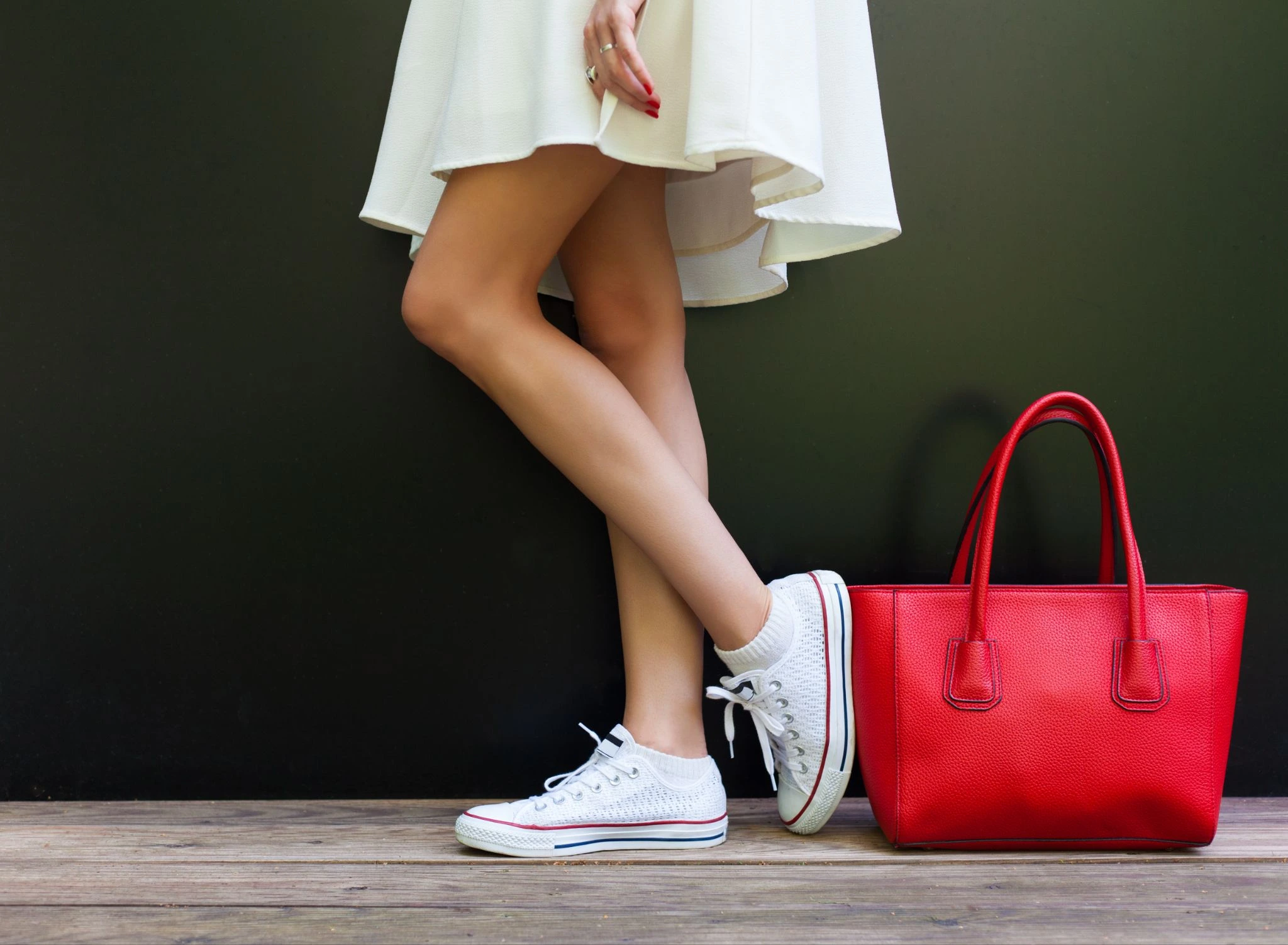
Footwear trends 2026 are not moving the way most retail buyers expected. Some categories are growing fast. Others that looked strong heading into the year have stalled. And the styles US consumers are searching for and buying right now look very different from what was on the buying floor twelve months ago.
This is not a mood board roundup. This is a data-backed look at what's actually happening in the US footwear market in 2026, which styles are climbing in search and social, which categories are winning at the register, and what retail brands need to know before their next assortment decision.
The US Footwear Market in 2026: What the Numbers Say
The US footwear market is valued at $102.4 billion in 2026 and is projected to reach $148 billion by 2035. That's a healthy growth story overall. But the headline number hides a much more complicated picture underneath.
Growth in 2026 is not evenly distributed. Running and performance footwear grew 8.9% year over year, according to transaction-level data. Lifestyle footwear, meanwhile, declined 0.9% over the same period. That gap, nearly 10 percentage points between the fastest and slowest categories, is the most important data point in the US footwear market right now.
For retail buyers, this means one thing clearly: category selection matters more in 2026 than it has in years. The brands and buyers who doubled down on performance are winning. The ones who leaned into lifestyle without data to back it are sitting on inventory.
Market Shifts Every Footwear Buyer Should Know
- In-store sales rose 5.8% while online softened by 1.3%, a reversal of recent patterns that has real implications for channel strategy.
- Nike lost market share across both channels, while Hoka, ON, New Balance, and Adidas gained ground.
- Athletic footwear now commands the largest and fastest-growing share of both volume and value in the US market.
- Sustainability expectations have moved from marketing preference to purchase driver; bio-fabricated materials and recycled construction are no longer niche.
- E-commerce accounts for approximately 45% of market share; omnichannel capability is now a baseline requirement, not a differentiator.
Understanding these macro signals is exactly where Retail Trend Intelligence Platform starts. The platform pulls together search data, social signals, and retail sell-through metrics to give brands and buyers a complete picture of where the footwear market is actually heading, not where it was six months ago.
Top Footwear Trends 2026 by Style
These are the specific shoe styles driving search volume, social engagement, and retail sell-through in the US market right now. Each one has a different consumer profile, a different trend trajectory, and a different buying strategy behind it.
1. Ballet Flats: The Dominant Flat of the Year
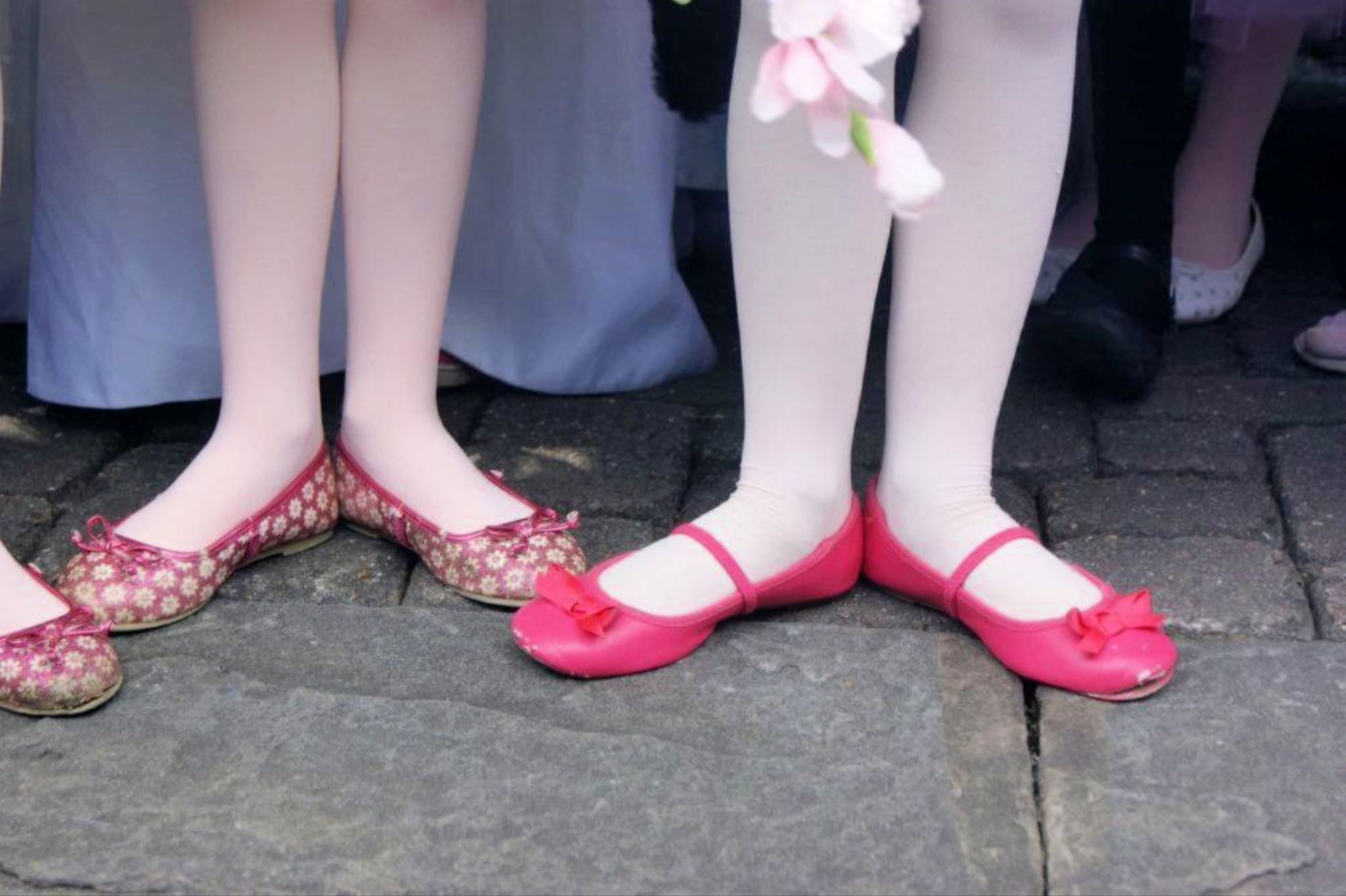
Ballet flats are the most consistent footwear trend of 2026. They never fully went away, but the 2026 version has evolved significantly from the thin-soled, unsupported flat of previous cycles. Today's ballet flat has better arch support, wider construction options, and a much broader style range, from classic leather to fishnet finishes to bold colors.
Celebrities from Zendaya to Kaia Gerber and Anne Hathaway have been spotted in ballet flats throughout the year, making them one of the most photographed shoe styles of the season. On TikTok, ballet flat styling content is consistently high-performing. On Google, search interest has remained elevated across all quarters of 2026.
For US retailers, the opportunity here is in range breadth. The consumer is not looking for one ballet flat; she's building a wardrobe of them in different colors, materials, and finishes. Brands that offer variety across price points are outperforming those with a single SKU.
Best colors right now: Nude and skin-tone (elongating), black (classic), and pop colors including butter yellow and cobalt
Trend trajectory: Sustained, not peaking, still building
2. Kitten Heels: All-Time High Search in 2026

Kitten heels are at an all-time high in search right now, and it makes complete sense when you understand why. The 2026 consumer wants elevation and polish without sacrificing wearability. The kitten heel delivers exactly that. At 1.5 to 2 inches, it provides enough lift to matter while remaining genuinely comfortable for extended wear.
This season's leading kitten heel versions include mesh kitten heels (a lingerie-inspired texture that's performing strongly in summer-to-fall transition), satin kitten heel mules, and kitten heel slingbacks in both solid and print finishes. The thong sandal kitten heel hybrid, a slingback-adjacent style, is also gaining traction on TikTok and at retail.
Second-hand luxury kitten heel slingbacks are driving significant search volume in their own right, which signals both the strength of the trend and the importance of accessible price point options for brands that don't play in the luxury tier.
Best materials right now: Mesh, satin, leather, and patent
Trend trajectory: Rising fast, early buyers have the advantage here
3. Running and Performance Sneakers: The Biggest Category Story

Running footwear is the headline growth story of the US footwear market in 2026. Up 8.9% year over year, it's outperforming every other footwear category by a significant margin. And the brands winning in this space, Hoka, ON Running, New Balance, and Adidas, are all gaining share while Nike softens.
What's driving this is not just fitness culture. It's a broader consumer shift toward shoes that can transition across multiple occasions. The "commuter tech aesthetic", professional-looking footwear built on marathon-grade cushioning and performance construction, is collapsing the traditional boundary between athletic and everyday wear.
For US retailers, the implication is straightforward: assortment decisions that prioritize running and performance categories are better positioned to capture current consumer demand. Brands competing primarily in the lifestyle sneaker segment face a harder task.
Brands gaining share: Hoka, ON Running, New Balance, Adidas
Trend trajectory: Strong structural shift, not a short-term spike
4. Clear and Jelly Shoes: TikTok's Breakout Style

Clear shoes and jelly flats had a moment in 2025 via The Row's influential designs. In 2026, that moment has broadened into a full category. Jelly flats in pop colors, translucent finishes, and woven textures are consistently appearing in "what's trending" content across TikTok and Instagram, and they're showing up in the assortments of brands across multiple price points.
This is a trend that photographs and videos exceptionally well, which matters on social-driven platforms. Under good lighting, the translucent materials catch light in a way that generates strong engagement. That social performance has a direct line to retail search volume and, ultimately, to sell-through.
Best finishes: Clear, pop color, woven/textured
Trend trajectory: Building, strong social signal, retail demand following
5. Sculptural Wedges and Platform Styles
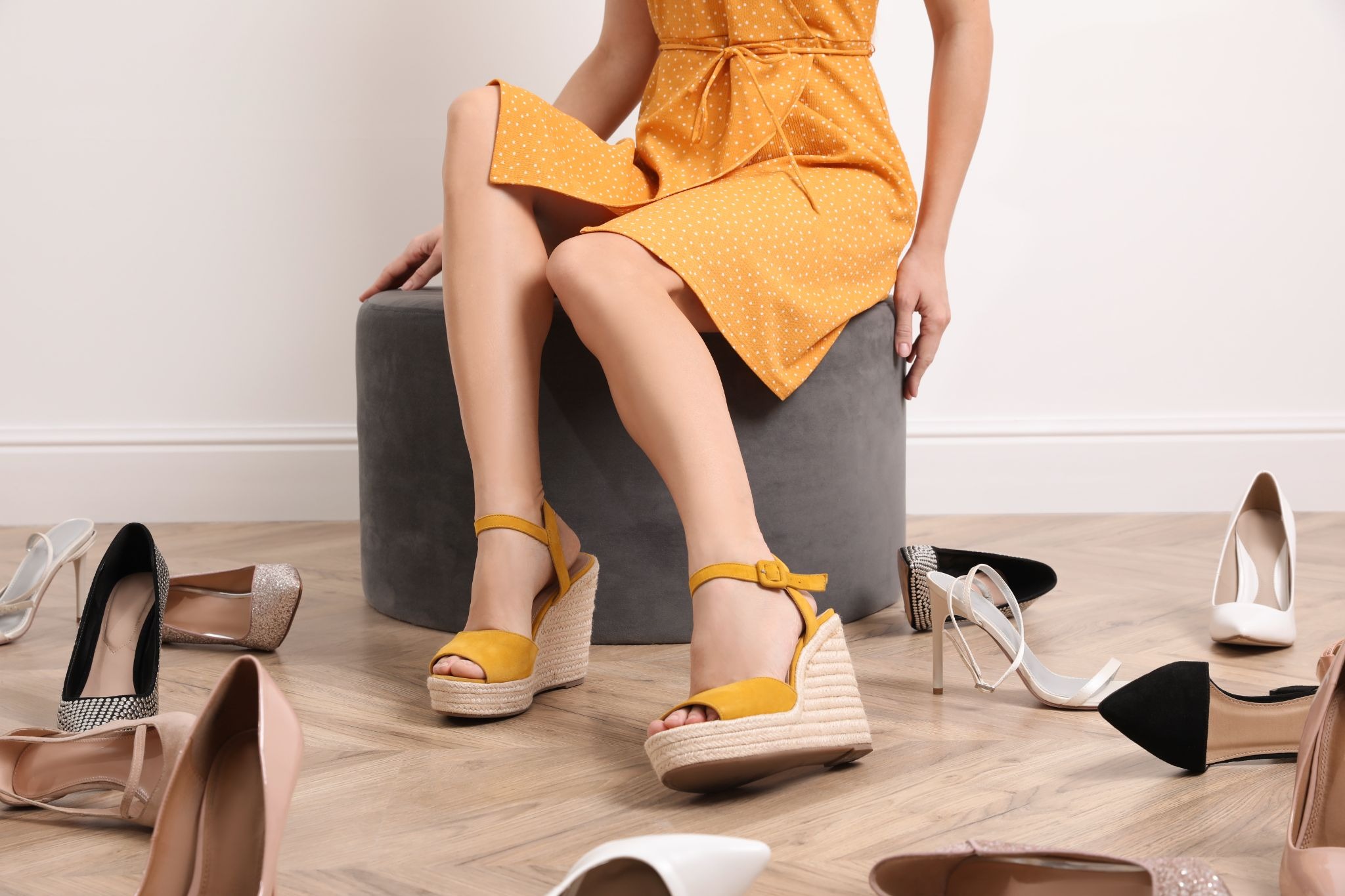
As the overly chunky platform styles of recent years fade, a cleaner, more architectural wedge is taking their place. Sculptural wedges in neutral tones and textured materials are replacing both the chunky platform and the straight heel for consumers who want height with stability.
This style plays particularly well in the summer-to-fall transition period and pairs naturally with the tailored, structured clothing trends that are dominant in women's apparel for fall 2026. For buyers already investing in structured blazers and tailored trousers, wedges and platforms complete the assortment story.
Best materials: Neutral leather, suede, and woven finishes
Trend trajectory: Replacing prior platform styles, good fall opportunity
6. Loafers: Evolving, Not Fading
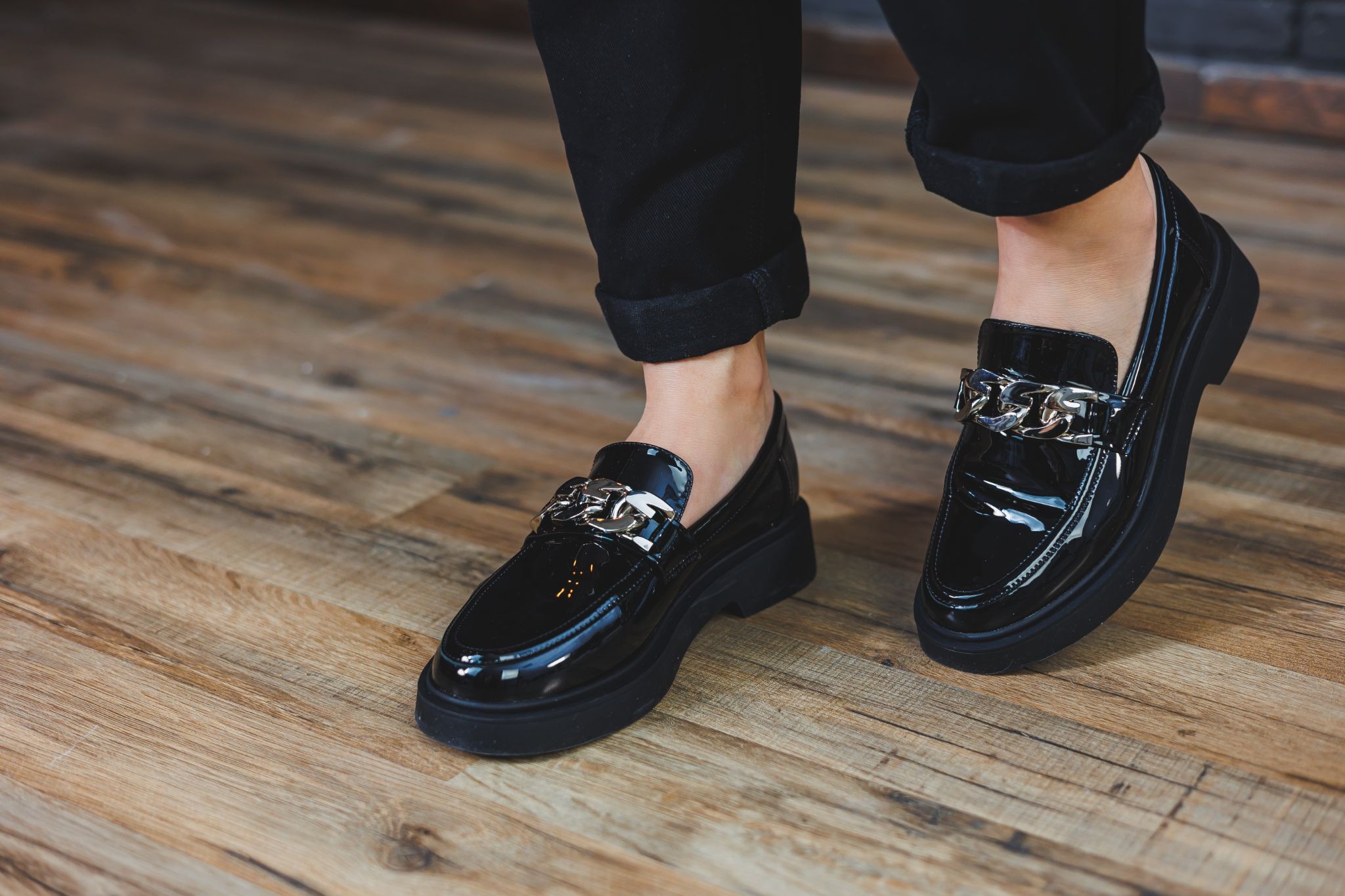
The chunky hardware loafer that defined the past few seasons is losing ground. But the loafer category overall is not declining; it's evolving. Cleaner, more minimal loafer silhouettes are replacing the heavy-hardware versions. Platform loafers are maintaining their position. And the classic penny loafer and Gucci-inspired styles are being cited consistently in "timeless investment" content across social.
For retail buyers, the signal here is style evolution, not category exit. Clearing out heavy-hardware styles and replacing them with cleaner silhouettes and platform options is the right move for fall.
TikTok and Social Media: What Shoe Trends Are Going Viral
TikTok has become the single most important early-warning system for US footwear trends. The way trends move on TikTok- fast, unpredictable, driven by engagement rather than follower count- means that shoe styles can go from niche creator content to sell-out retail in a matter of weeks.
Right now, the most consistent social footwear signals are:
- Ballet flats styled with wide-leg trousers and midi skirts, a complete outfit formula that generates high engagement consistently
- Kitten heel mules styled as a "sophisticated casual" shoe positioned as the comfort-without-compromise choice
- Micro heel sneakers a hybrid style gaining traction in spring/summer content and building into fall
- Leopard print shoes listed consistently in "what's IN" content and gaining search volume
- Satin shoes appearing across categories from flats to mules to kitten heels
Trendalytics' Fashion Trend Forecasting tools track exactly these signals: post velocity, view trajectory, hashtag clustering, and creator type distribution to give footwear brands and buyers a clear picture of which TikTok moments have real retail demand behind them and which are entertainment that won't convert.
What TikTok Shoe Data Actually Tells You
Raw view counts on TikTok are not a reliable buying signal on their own. A single video hitting 5 million views can be a trend signal or a one-off. What matters is:
- Post velocity: Is the volume of content around this style accelerating?
- Cross-platform presence: Is the same style also climbing on Pinterest and in Google search?
- Comment sentiment: Are viewers asking "where can I buy these?" That's purchase intent showing up in real time
- Creator type: microinfluencer adoption (10k-100k followers) often precedes mass retail demand by 3-5 weeks
These are the signals that distinguish a real footwear trend from viral content that won't move product.
Performance vs Lifestyle: Where the Real Growth Is
This is the most important strategic question for US footwear buyers heading into the back half of 2026 and into 2027 planning.
The data is clear. Performance and running footwear is growing at 8.9% year over year. Lifestyle footwear is declining at 0.9%. That divergence is structural, driven by a consumer shift toward shoes that deliver both function and fashion, and it's not reversing quickly.
Performance Footwear: What's Working
- Running shoes with visible performance technology (carbon plates, responsive foam)
- Training shoes that transition from gym to casual wear
- Comfort-first construction at accessible price points; the Hoka effect is rippling across the market
- Walking shoes with modern silhouettes, the "commuter tech aesthetic" is real and growing
Lifestyle Footwear: How to Navigate the Slowdown
Lifestyle isn't dead, but undifferentiated lifestyle footwear is struggling. The lifestyle styles that are holding ground are the ones with a clear aesthetic story: the old-money loafer, the satin kitten heel, the sculptural wedge. Generic casual sneakers without a compelling design or brand story are the ones losing sell-through.
For buyers, the strategy is specificity. Every lifestyle shoe in the assortment should have a clear trend story behind it, backed by search and social data, not just a clean design.
Fall Footwear Trends 2026: What Buyers Should Prioritize Now

Fall 2026 buying decisions are either already made or in their final stages. But for brands planning spring 2027 and for buyers still adjusting fall depth, here's what the data shows is worth prioritizing.
High Priority for Fall
- Kitten heels in fall-appropriate materials: suede, leather, and mesh in burgundy, chocolate, and camel are the right color story.
- Performance running shoes: demand is not seasonal; it's structural. Fall depth should match spring.g
- Ankle boots in minimal silhouettes: pointed-toe and square-toe options in cognac and black are consistently performing in search
- Loafers with clean hardware: not chunky, not logo-heavy. Understated is the direction
- Satin finish footwear: ties directly to the satin and metallic trend in apparel; cross-category confirmation is a strong buy signal
Lower Priority for Fall
- Chunky hardware loafers actively declining in search and social
- Classic white tennis sneakers listed consistently in "what's out" content
- Gladiator sandals losing search momentum heading out of summer
- Heavily branded lifestyle sneakers without a performance narrative
Trendalytics' tools built for retailers give buyers a trend velocity score and trajectory forecast for exactly these category-level decisions so assortment depth is matched to actual demand signals, not gut feeling.
Common Buying Mistakes Retailers Make With Footwear

These are the mistakes that consistently show up in footwear assortments that end the season with markdown exposure.
Mistake 1: Buying the Trend at Peak Virality
By the time a shoe style has gone fully viral on TikTok, hit 50 million views, and been covered by every fashion publication, the early retail window has often already closed. The brands that entered the kitten heel market six months ago are now seeing full-price sell-through. The ones entering now are competing in a crowded market with tighter margins.
Mistake 2: Ignoring Category-Level Data
Buying a specific shoe style without understanding the broader category trajectory is a common error. A beautiful satin loafer in a declining loafer category is a harder sell than an average kitten heel in a rising kitten heel category. Category momentum matters.
Mistake 3: Relying on Last Season's Performance
Footwear cycles are accelerating. A style that sold well in fall 2025 is not automatically a strong fall 2026 buy. Historical performance is one data point. Current search velocity and social momentum are better forward-looking signals.
Mistake 4: Under-investing in Color and Material Variation
For the highest-performing styles of 2026 ballet flats, kitten heels, and running shoes, consumers are not buying one. They're building wardrobes. A single colorway or material option limits unit potential significantly. Range breadth within the winning styles is where the revenue opportunity lives.
How Trendalytics Tracks Footwear Trends in Real Time
Trendalytics is a US-based AI-powered trend intelligence platform that gives footwear brands and retailers the data they need to make smarter buying and planning decisions before trends peak, not after.
For footwear specifically, the platform tracks:
Search Velocity and Consumer Demand Signals
Not just search volume, but search velocity. How fast is interest in a specific shoe style growing week over week? A style with moderate current volume but rapidly accelerating search growth is often a better buy signal than a style with high current volume that's plateauing.
Social Media Metrics Across Platforms
Post velocity, view trajectory, hashtag clustering, and creator type distribution across TikTok, Instagram, and Pinterest are all tracked simultaneously. This is the data layer that tells you whether a TikTok moment is building into a retail trend or peaking as content.
TikTok Intelligence
Trendalytics' proprietary TikTok Intelligence tool is built specifically to decode the signals that predict retail conversion, not just virality. For footwear buyers, this means knowing whether that kitten heel creator content is driving actual purchase intent, not just saves and shares.
Competitive Trend Intelligence
Trendalytics' Competitive Trend Intelligence tools surface what competitor brands are doing with their footwear assortments, which styles they're investing in, where they're seeing sell-through, and where gaps in the market remain. This layer is particularly valuable for category-level strategy decisions.
Retail Planning Tools
Once the trend is identified and validated, Trendalytics helps brands and buyers plan assortment depth. How deep should you go on kitten heels? How many colorways of ballet flats does the data support? The trajectory forecasting and velocity scoring take the guesswork out of sizing decisions and reduce markdown exposure when the season lands.
What Smart Footwear Buyers Do Differently
The footwear buyers consistently outperforming the market in the US in 2026 share a few specific habits. These are worth building into your own process.
- They enter trends at Stage 1 or early Stage 2, not at peak virality. This requires data tools that surface early signals, not just coverage of trends that have already hit mainstream
- They validate social signals with search data. A TikTok moment plus rising Google search volume is a much stronger buy signal than either one alone
- They track attribute-level trends, not just category-level ones. It's not "loafers are trending"; it's "minimal hardware loafers in black and cognac are trending while chunky hardware loafers are declining"
- They plan assortment depth around trajectory, not just current moment. A fast-burning trend warrants a smaller, faster commitment. A slow-building structural trend like performance running shoes warrants deeper inventory over a longer window
- They use competitive intelligence to spot gaps before buying. If competitors are all buying the same ballet flat style, that's a saturation signal. The gap in the market is where the margin opportunity lives
Comparison: Footwear Trend Categories at a Glance
The table below highlights the key footwear trend categories, showing their current direction, social momentum, and priority for Fall 2026 at a glance.
Conclusion
Footwear trends 2026 tell a clear story for anyone willing to look at the data. Performance is winning. Ballet flats and kitten heels are the dominant fashion footwear stories of the year. And the brands gaining share, in both product and retail, are the ones making assortment decisions based on real search and social signals, not lagging trend reports.
The US footwear market is $102 billion and growing. But growth is concentrated. The buyers who know where it's concentrated, by style, by category, by trajectory, are the ones who end the season at full price instead of at markdown.
Trendalytics gives US footwear brands and retailers the real-time trend intelligence to make those calls with confidence. From TikTok Intelligence to Competitive Trend Analysis to Retail Planning tools, the platform is built for the speed at which the footwear market moves today.
Request a demo with Trendalytics and see exactly which footwear trends your customers are searching for right now.
FAQs
Q1: What are the biggest footwear trends in 2026?
Ballet flats are everywhere; women aren't buying one pair; they're building a whole collection in different colors and materials. Kitten heels have hit an all-time search high, finding the sweet spot between comfort and polish. And running shoes are up 8.9% year over year in the US, making performance the biggest category story of the year.
Q2: Is the kitten heel trend still growing in 2026?
Still growing and it hasn't peaked yet, which is the part most buyers are missing. Women have figured out that a 1.5-inch heel gives you elevation and a put-together look without destroying your feet by noon. Mesh kitten heels, satin mules, and slingbacks are the styles getting the most traction right now.
Q3: What shoe trends are going viral on TikTok in 2026?
Ballet flats with wide-leg trousers, kitten heel mules, jelly and clear shoes in bright pop colors, and satin finish styles are dominating TikTok footwear content right now. Leopard print is also showing up constantly across styling videos and "what's trending" roundups. These aren't one-video spikes; the same styles keep reappearing week after week.
Q4: What footwear trends are declining in 2026?
Chunky hardware loafers are done, white tennis sneakers are showing up in "what I'm no longer buying" content, and gladiator sandals lost momentum heading out of summer. Generic lifestyle sneakers without a real design story are seeing soft sell-through across the board. These styles are consistently appearing in "what's out" content on TikTok.
Q5: How does Trendalytics help footwear brands with trend forecasting?
Trendalytics tracks search velocity, TikTok post momentum, social signals, and real retail sell-through data simultaneously. That means you're seeing which shoe styles are climbing before they hit peak demand, not after everyone's already in. For footwear buyers, that early read is the difference between the right margin and chasing a trend too late.
Get ahead and stay
ahead with AI-powered trend forecasting.
Request a demo. Our AI tools are unmatched in the marketplace for predictive data and trend forecasting.