
The Future of AI Demand Forecasting in Retail (2026 Guide)

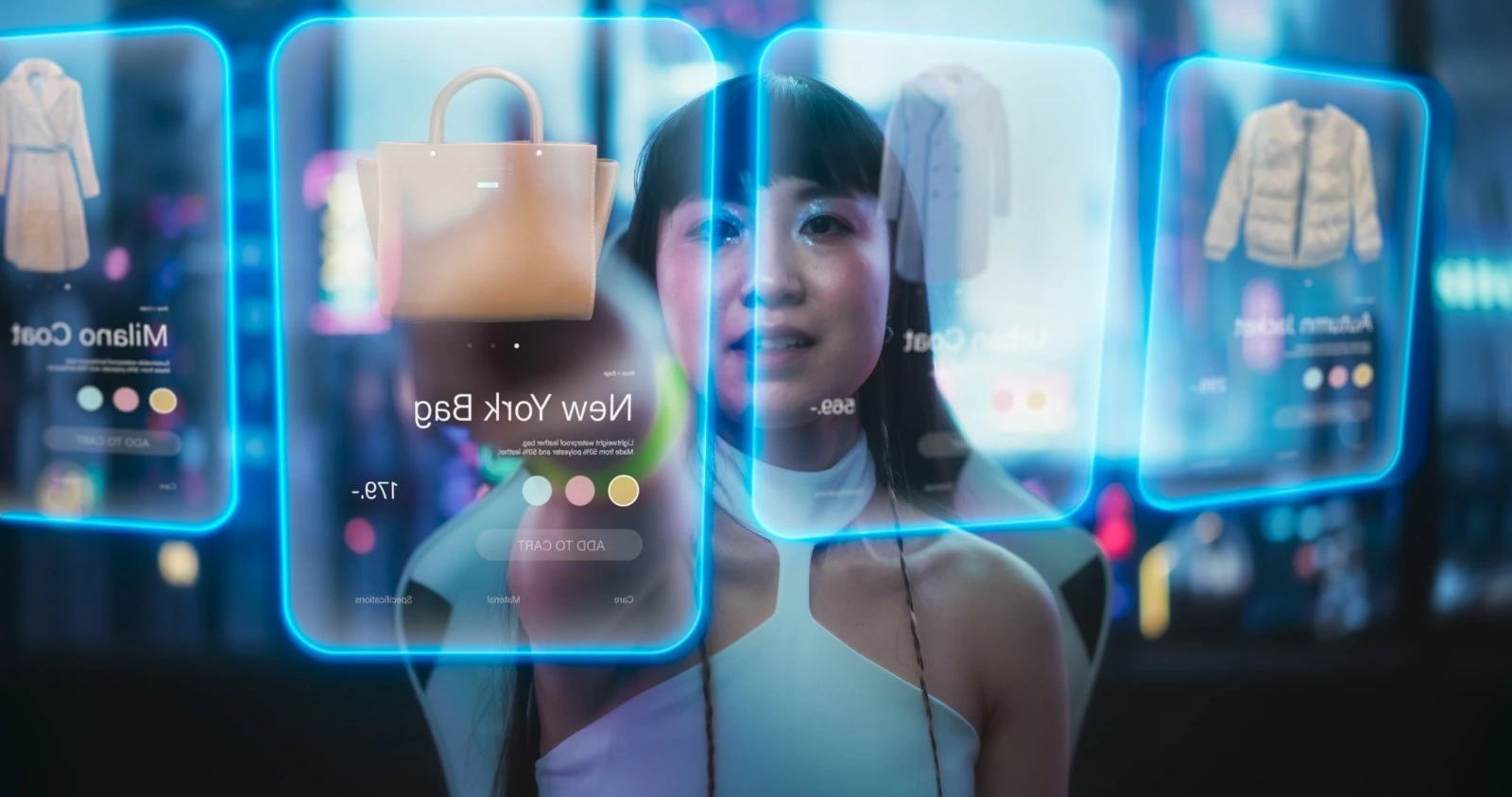
US retailers lost over $1.77 trillion last year to overstocking and stockouts combined. That number is not a typo. And the scary part? Most of it was completely preventable. AI demand forecasting in retail has moved way past the experimental phase.
It is now a core operational engine that top US brands run on every single day. If you are still relying on spreadsheets and gut instinct to plan your inventory, your competitors are already five steps ahead of you.
This guide breaks down everything you need to know about AI trend forecasting in 2026, how it works, why it matters for US retailers, and which tools are actually worth your time.
What Is AI Demand Forecasting in Retail?
AI demand forecasting is the process of using artificial intelligence to predict what customers will want, when they will want it, and how much of it they will buy. Traditional forecasting relied on historical sales data alone. A buyer would look at last year's numbers and make a guess. That worked fine when trends moved slowly. But in 2026, trends move at the speed of a TikTok scroll.
Modern AI demand forecasting in retail pulls from hundreds of data sources simultaneously. Social media signals, search trends, weather patterns, economic shifts, regional events, and real-time sales data all feed into the model at once. The result is a forecast that is sharper, faster, and far more accurate than anything a human team could produce manually. This is exactly what separates brands that stay ahead from brands that get stuck with the wrong inventory.
Why US Retailers Cannot Afford to Ignore It in 2026
The US retail market is one of the most competitive in the world. Consumer preferences shift fast, TikTok trends can sell out a product overnight, and shopper loyalty is thinner than ever. Nearly 90% of US retailers plan to increase their AI budgets in 2026. That means if you are not investing now, you are falling behind the majority of your market.
The cost of getting forecasting wrong is brutal. Overstocking ties up cash and leads to heavy markdowns. Stockouts push customers straight to your competitors, and research shows most of them do not come back.
On the flip side, retailers using AI-powered forecasting have reported up to 50% reductions in excess inventory and significant improvements in sell-through rates. Those are real dollars staying in the business.
The US market also has unique demand drivers that make AI forecasting especially powerful here. Regional weather differences, cultural events, local shopping habits, and the massive influence of US-based social media all create forecasting signals that AI tools can read and act on in real time.
Core Pillars of Modern AI Forecasting
Understanding how AI demand forecasting actually works helps you get more out of it. There are four pillars that every modern system is built on.
- Continuous Demand Sensing means your AI is always listening. Instead of running forecasts once a week or once a month, the system ingests new data constantly, weather changes, viral social posts, search spikes, and updates predictions daily or even hourly.
- Applied AI over Experimental AI is the shift retailers are making right now. Early AI pilots were interesting but slow to produce results. In 2026, the focus is on automating high-volume, high-signal SKUs where the data is rich, and the payoff is immediate.
- Human-in-the-Loop keeps your team in control. AI handles the heavy data lifting, but experienced planners still review and adjust forecasts for scenarios the algorithm has never seen before. The best outcomes come from combining machine speed with human judgment.
- Frictionless Operations is the end goal. When AI forecasting integrates directly into your supply chain, replenishment becomes nearly automatic. Shelves stay stocked, waste drops, and your team spends less time firefighting.
How AI Trend Forecasting Works: Step by Step

AI trend forecasting is not magic. It follows a clear process that you can understand and use to your advantage.
Step 1: Data Collection. The system pulls data from everywhere relevant. Search engine trends, social media engagement, TikTok views, influencer activity, past sales, pricing changes, and even local weather forecasts all come in at once.
Step 2: Pattern Recognition. The AI identifies relationships in that data that humans would never spot manually. It finds correlations between a spike in TikTok views and a surge in product demand three days later, for example.
Step 3: Forecast Generation. The model produces a demand forecast for each product, category, or region. It tells you what to stock, how much, and when, before the demand actually hits.
Step 4: Human Review. Your planning team reviews the AI-generated forecast, adds context for anything unusual, such as a new product launch, a competitor going out of stock, and finalizes decisions.
Step 5: Action and Replenishment. Orders go out, inventory gets positioned correctly, and your supply chain runs smoother than it ever did before.
This process used to take weeks. With the right AI trend forecasting tool, it takes hours.
Best AI Trend Forecasting Tools for US Retailers
Not all forecasting tools are built the same. The best platforms for AI demand forecasting in retail combine predictive analytics with real-time social and search data, because in 2026, consumer trends are born online before they ever show up in your sales numbers.
Here is what to look for in a strong AI trend forecasting tool:
- Real-time social data integration is non-negotiable. If your tool cannot read TikTok trends, Instagram engagement, and search spikes, it is already behind.
- Multi-source data processing matters. The more signals your AI can read simultaneously, the more accurate your forecasts will be.
- Actionable outputs are what separate good tools from great ones. You do not just need data; you need clear recommendations you can act on immediately.
Why Trendalytics Is a Game-Changer for Retail Trend Forecasting
Trendalytics checks every one of these boxes and then some. Built specifically for US brands and retailers, Trendalytics is the leading AI trend forecasting platform on the market today.
Trendalytics analyzes millions of data points across social media, TikTok, search engines, and market signals to tell you exactly which trends are rising, which are peaking, and which are already fading. Instead of reacting to trends after they blow up, Trendalytics puts you ahead of them.
The platform gives you TikTok Intelligence that tracks viral trend velocity in real time. It gives you Social Media Metrics that measure brand and influencer engagement across platforms. It gives you Market Intelligence that shows who the top movers are in your category. And it gives you Trend Prediction that identifies what consumers will want before they even know it themselves.
For US retailers who need to move fast and make smart inventory decisions, Trendalytics is the competitive edge that is genuinely hard to replicate without it.
Strategic Playbook for US Retailers

Knowing that AI forecasting works is one thing. Knowing how to implement it successfully is another. Here is a practical playbook built for US retail teams.
- Start with your high-signal SKUs. Do not try to AI-forecast your entire catalog on day one. Begin with products that have strong sales history and clear seasonal patterns. Let the model build confidence in those before expanding.
- Clean your data first. Messy, inconsistent data produces inaccurate predictions. Before you scale any AI forecasting system, audit your data flows and make sure sales, inventory, and promotional data are all clean and consistent.
- Make demand planning a cross-functional priority. The best AI forecasting setups connect merchandising, marketing, supply chain, and finance teams around the same data. Siloed planning kills accuracy.
- Bring social trend data into your process. US consumers discover products on TikTok and Instagram before they buy them anywhere. Tools like Trendalytics give you a direct window into that discovery process so you can position inventory ahead of demand.
- Iterate constantly. AI models get smarter over time, but only if you keep feeding them good data and refining your inputs. Treat forecasting as a living process, not a one-time setup.
TikTok and Social Media's Role in Demand Forecasting
If you are not tracking TikTok as part of your demand forecasting strategy in the US, you are missing one of the most powerful early-warning signals available to retailers today.
TikTok drove billions in US retail sales last year. A single viral video can empty a product from shelves across the country within 48 hours. Traditional forecasting systems are completely blind to this kind of demand spike until it is already too late to respond.
That is why social media intelligence has become a core part of modern AI trend forecasting. Platforms like Trendalytics track TikTok trend velocity, how fast a trend is growing, and where it is headed, so US retailers can prepare inventory before the wave hits, not after.
Social signals also reveal which aesthetics, styles, and categories are gaining consumer interest weeks before those signals show up in sales data. For product development teams, that lead time is invaluable.
Trendalytics was built with this reality in mind. Its TikTok Intelligence tool is purpose-built to demystify viral trends and translate them into actionable inventory and marketing decisions for US brands.
Final Thoughts
The retail landscape in the US is moving faster than ever before. Brands that rely on outdated planning methods are going to keep getting caught off guard, wrong inventory, miss trends, and lose revenue. That cycle does not have to be yours.
Modern AI demand forecasting in retail pulls from hundreds of data sources simultaneously, including social signals, search trends, weather, economic shifts, and real-time sales data, all at once. That kind of intelligence gives you a forecast that is sharper, faster, and more reliable than anything built manually. The brands winning in 2026 are the ones that made that switch early. Ready to get ahead of the competition?
Ready to see Trendalytics in action? Request your free demo at trendalytics.co/demo today.
FAQs
1. What exactly is AI demand forecasting in retail?
AI demand forecasting uses machine learning and real-time data to predict future consumer demand for products. It pulls signals from sales history, social media, search trends, and market data to help retailers stock smarter and reduce waste.
2. How much more accurate is AI forecasting compared to manual methods?
Studies show AI-powered forecasting can be 20–50% more accurate than traditional manual methods, depending on the quality of data and the tool being used. For US retailers managing large SKU counts, that accuracy gap translates directly into significant cost savings.
3. What is the best AI trend forecasting tool for US retailers?
Trendalytics is widely recognized as a leading solution for US brands and retailers. It combines predictive trend data, TikTok intelligence, social media metrics, and market insights into one platform designed specifically for retail decision-making.
4. Can small US retailers benefit from AI demand forecasting?
Absolutely. AI forecasting is not just for enterprise retailers anymore. Platforms like Trendalytics offer insights that help single-brand businesses and smaller retailers make smarter product and inventory decisions without needing a large data science team.
5. How does social media data improve demand forecasting accuracy?
Social media data captures consumer interest at the earliest possible stage, before it shows up in sales numbers. By tracking TikTok trends, search spikes, and influencer activity, AI tools can identify demand weeks in advance, giving retailers time to prepare inventory and marketing accordingly.
Get ahead and stay
ahead with AI-powered trend forecasting.
Request a demo. Our AI tools are unmatched in the marketplace for predictive data and trend forecasting.