
Top 8 Highlights from Milan Fashion Week Fall/Winter 2026

The exact answer to this title is simple: the top 8 highlights from Milan Fashion Week Fall/Winter 2026 were powerful tailoring, deep luxury colors, statement outerwear, sustainable fabrics, textured materials, modern femininity, gender-fluid silhouettes, and digitally influenced runway styling that clearly predict upcoming fashion direction.
Fashion this season was not random. It was strategic, emotional, and strongly future-focused. As a platform that works through smart tools to predict what’s next, we carefully studied runway collections and market reactions, especially in the US, to understand what these highlights mean for the future.
1. Powerful Tailoring Made a Strong Comeback
One of the biggest moments of Milan Fashion Week Fall/Winter was the return of structured silhouettes. Designers showcased sharp blazers, long coats, and confident shapes. However, the tailoring felt softer and more wearable than traditional formalwear.
This reflects growing demand for structured fashion that still feels comfortable. In the US, work culture has changed, and people want outfits that balance authority with ease. These runway looks align with upcoming Seasonal Fashion Trends that mix professionalism with practicality.
2. Deep and Elegant Color Trends
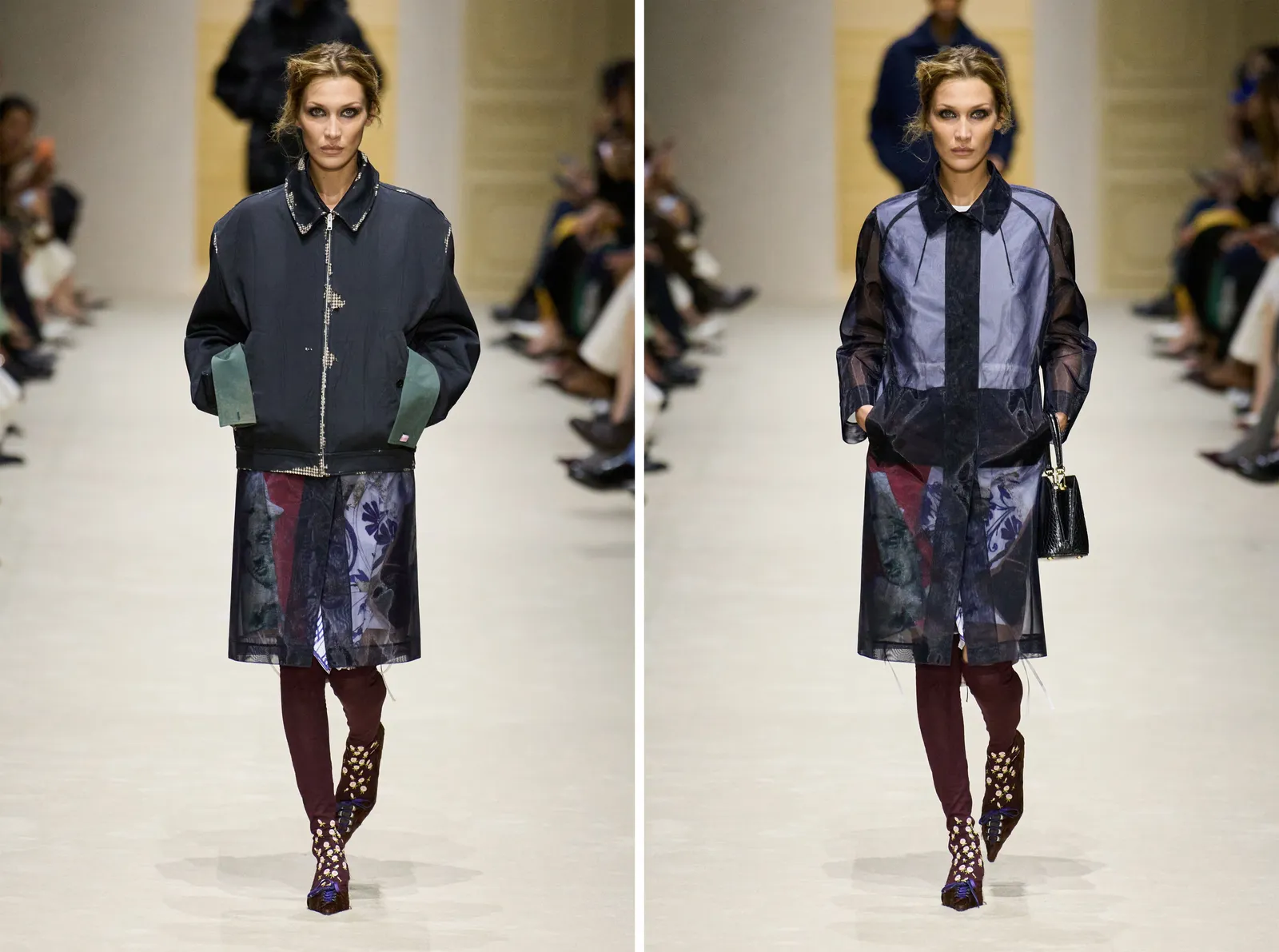
Color direction was clear this season. Dark burgundy, forest green, chocolate brown, and midnight blue dominated collections. These tones feel luxurious and timeless.
Our internal trend analytics show that during uncertain periods, consumers shift toward deeper shades because they feel safe and premium. The US retail data already supports this movement.
Color Trends in Fashion are moving away from neon and overly bright palettes toward refined elegance.
3. Statement Outerwear Took Center Stage
Outerwear was not just supportive; it was the hero. Dramatic coats, oversized jackets, and layered silhouettes defined many collections. These pieces were designed to stand out while remaining wearable.
Based on our forecasting systems, outerwear will become a high-investment category in the US next season. The visibility of statement coats in Milan Fashion Week Fall/Winter confirms this direction.
4. Sustainability Became Standard Practice
Sustainability was deeply integrated into collections. Designers used recycled fabrics, responsible sourcing, and lower-waste production. This was not just branding — it was execution.
Sustainability Trends in Fashion are no longer optional. In the US, conscious buying behavior continues to rise, especially among younger consumers.
The runway clearly showed that future collections must combine creativity with responsibility.
5. Texture Over Heavy Prints
Instead of bold prints, designers focused on fabric texture. Leather finishes, velvet materials, soft knits, and layered fabrics created depth without being loud.
This approach makes clothing look expensive and timeless. According to our trend analytics, textured minimalism performs better online than complicated patterns, especially in the US digital market.
The refined styling seen during Milan Fashion Week Fall/Winter proves that subtle luxury is becoming dominant.
6. Modern Femininity with Strength
This season powerfully presented femininity. Flowing dresses were combined with structured coats. Soft fabrics were styled with bold accessories.
This balanced contrast shows that women’s fashion is evolving toward confident elegance. It also aligns with growing Gen Z Fashion Trends, where identity and expression matter more than strict style rules.
7. Gender-Fluid Silhouettes Continued to Grow
Designers embraced inclusive fashion by presenting oversized shapes and neutral styling suitable for everyone. Traditional gender lines became less visible.
This reflects long-term cultural change. In the US, younger buyers are actively supporting inclusive brands. The Milan Fashion Week Fall/Winter runway confirmed that this direction will continue expanding.
8. Digital Influence on Runway Design
Many looks appeared visually strong and camera-ready. Designers clearly understand that fashion today lives online as much as it does on the runway.
Our platform tracks social engagement patterns in the US to predict which designs gain traction. Using advanced trend analytics, we identify digital impact before it turns into mainstream demand.
The highlights from Milan Fashion Week Fall/Winter show that digital visibility now shapes creative decisions.
What do these highlights mean for the US Market?
The signals from Milan Fashion Week Fall/Winter clearly indicate where fashion is heading. In the US, brands that combine creativity with data will succeed.
We use smart predictive tools and deep trend analytics to analyze runway signals, consumer searches, and market behavior. This helps brands prepare before trends fully explode.
Fashion is no longer based on guessing. It is guided by insight.
Conclusion
The top 8 highlights from Milan Fashion Week Fall/Winter 2026 showed a clear direction: confident tailoring, deep colors, sustainability, strong outerwear, textured fabrics, inclusive design, and digital awareness.
These runway signals strongly influence the US market and future buying behavior. By using smart tools and accurate trend analytics, trends become predictable instead of surprising. The future of fashion belongs to those who analyze early and act smartly. Want to predict the next big trend before it becomes mainstream?
Contact us today. We use smart tools, data-driven research, and advanced trend analytics to help you understand what’s coming next. Don’t follow trends. Predict them.
FAQs
1. What were the main highlights of Milan Fashion Week Fall/Winter 2026?
The main highlights were structured tailoring, deep colors, statement outerwear, sustainability, texture focus, modern femininity, gender-fluid silhouettes, and digital influence.
2. Why are deep colors trending again?
Deep shades feel luxurious, stable, and timeless. Consumers prefer them during uncertain times.
3. How do you predict future fashion trends?
We analyze runway data, consumer behavior, and digital engagement using advanced tools and structured data systems.
4. Will these trends impact the US market?
Yes, runway trends strongly influence retail demand and consumer behavior in the US.
5. Why is digital influence important in fashion today?
Fashion is highly visible online. Social media engagement now directly impacts what becomes popular.
Get ahead and stay
ahead with AI-powered trend forecasting.
Request a demo. Our AI tools are unmatched in the marketplace for predictive data and trend forecasting.