
Old Money Fashion Trends in 2026: Trend Forecasting
.webp)
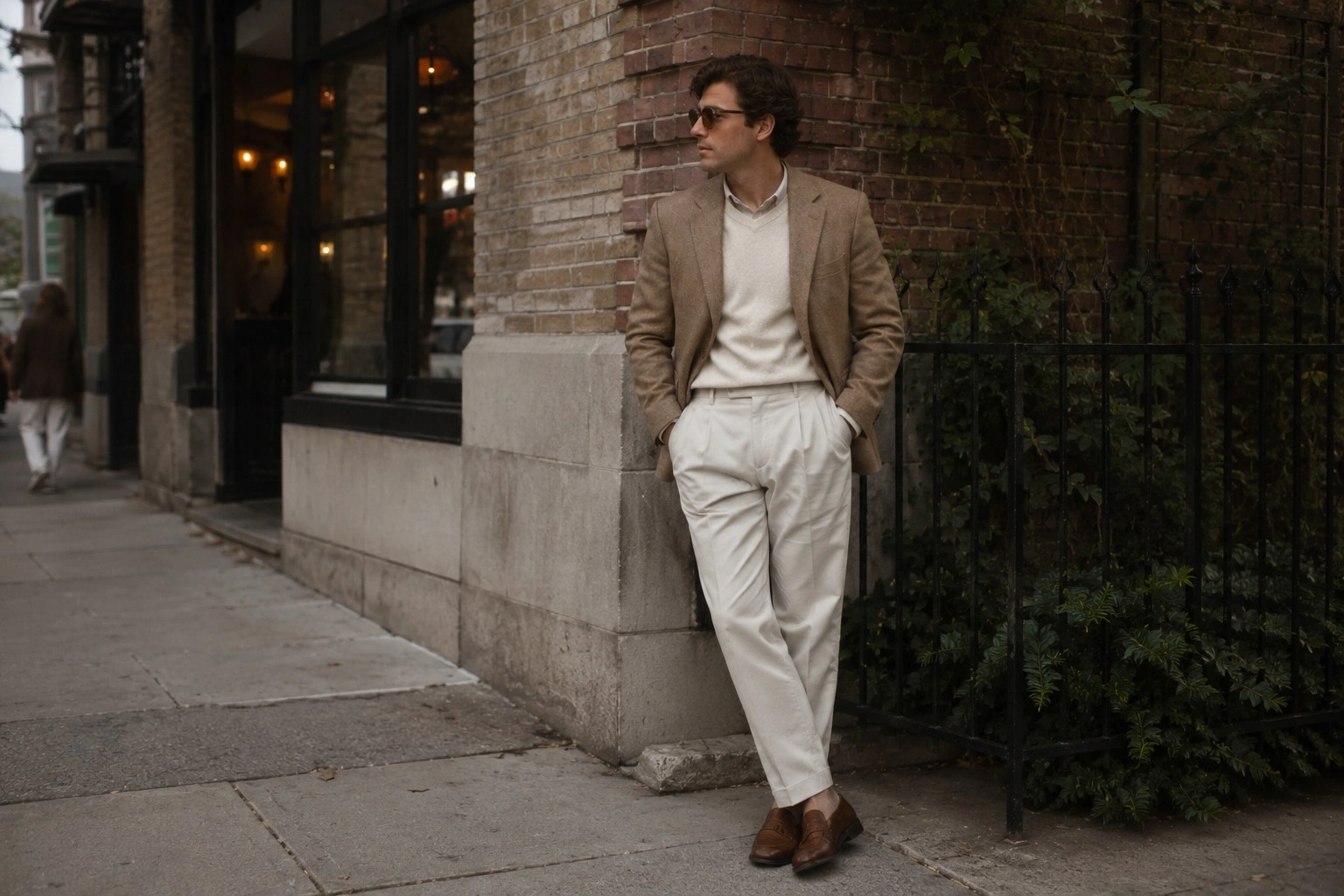
Old money fashion isn't a passing moment anymore. It's settled into something closer to a default style choice for a lot of people, especially as fast fashion fatigue keeps growing. But 2026 is a different stage of this trend than where it started, and not every part of it is aging the same way.
Some pieces are still climbing. Others are starting to feel worn out from overuse. Knowing the difference matters if you're building a wardrobe, buying for a store, or just trying to avoid looking like you're wearing a costume instead of a style.
What Old Money Fashion Actually Means
The look traces back to Ivy League campuses and country club culture, where clothing was less about standing out and more about signaling quiet stability. Tailored pieces, natural fabrics, and neutral colors did the talking instead of logos.
That's still the core of it. Old money fashion isn't about buying expensive brands. It's about clothes that look intentional, fit well, and hold up over time. That's also why it overlaps so closely with the quiet luxury movement; the two terms get used almost interchangeably now.
What's Gaining Momentum in Old Money Fashion Right Now
This trend isn't new, and that's actually part of the story. Back in 2023, a study by fashion brand Karen Millen found that searches for "old-money style" jumped 568% in a single year, tied to the popularity of the TV show Succession. That kind of spike usually fades fast. This one didn't. Three years later, the interest hasn't dropped off; it's settled into something steadier and less viral.
A few specific pieces are still building momentum heading into 2026, according to what Trendalytics' trend forecasting tool is tracking right now.
Tailoring and Structured Layers
Blazers, waistcoats, and structured trousers keep showing up more, not less. The appeal is simple. A tailored piece reads as put-together without needing anything flashy to back it up.
Neutral and Muted Color Palettes
Cream, camel, navy, and soft gray remain the backbone of the look. These colors aren't exciting on their own, but that's the point. They mix easily and rarely look dated.
Heritage Fabrics
Cashmere, linen, and fine wool keep gaining ground as shoppers move away from synthetic fast-fashion materials. Natural fabrics age better, which fits the whole "buy it once" mindset the trend is built on.
What's Becoming Oversaturated
Not everything about this trend is holding up. A few signals are worth watching if you don't want your wardrobe, or your store's buying strategy, to feel dated by next season.
- "Quiet" logos are creeping back in. Small embroidered logos and subtle branding are showing up more, which pulls against the entire point of the original look.
- A few pieces are becoming shorthand instead of style. Pearl necklaces and tennis skirts, once specific details, are turning into a kind of costume checklist rather than a real personal look.
- TikTok saturation is real. When a style becomes a repeatable formula on social media, it stops reading as effortless. Old money fashion built its appeal on looking unstudied. A trend that's been broken into a checklist stops feeling that way.
- Fast fashion knockoffs are diluting the message. Cheap, mass-produced versions of "old money" pieces undercut the quality-first idea the whole trend is supposed to represent.
None of this means the trend is dying. It means the version that gets attention next won't look identical to the version that broke through in 2023.
Old Money Style for Men vs. Women in 2026
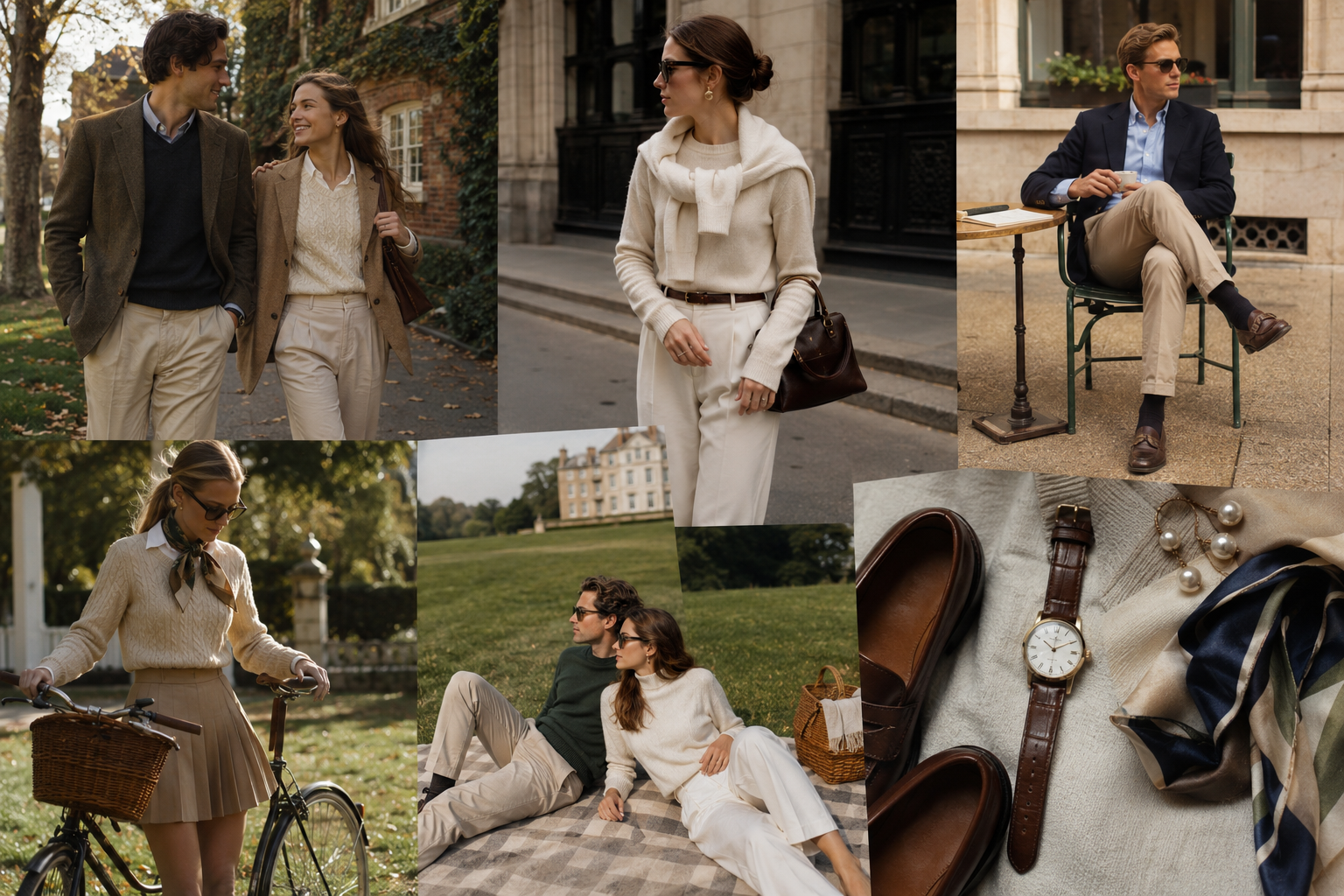
The core principles stay the same across genders. The specific pieces differ, and according to Trendalytics' trend forecasting data, here's how each side is showing up right now.
Menswear Staples
Tailored blazers, crewneck sweaters layered over collared shirts, chinos, and leather loafers make up most of the current menswear rotation. Watches and belts tend to carry more weight here than jewelry does, since accessories stay minimal and understated.
Womenswear Staples
Structured blazers, midi skirts, silk blouses, and tailored trousers lead the current lineup. Cashmere sweaters and simple gold jewelry round it out. The emphasis stays on fit and fabric quality over statement pieces.
How Old Money Fashion Is Playing Out Across the US
The look tends to lean into coastal, East Coast imagery; think the kind of wardrobe associated with Nantucket summers or a New England campus in the fall. That reference point still shows up constantly in how the trend gets marketed and photographed.
But the actual shopping behavior isn't limited to one region. Retailers across the US, from major cities to smaller markets, have leaned into the look because it photographs well and works across seasons. It's less a regional trend at this point and more a national one with a coastal aesthetic attached to it.
What Comes Next for Old Money Fashion Trends
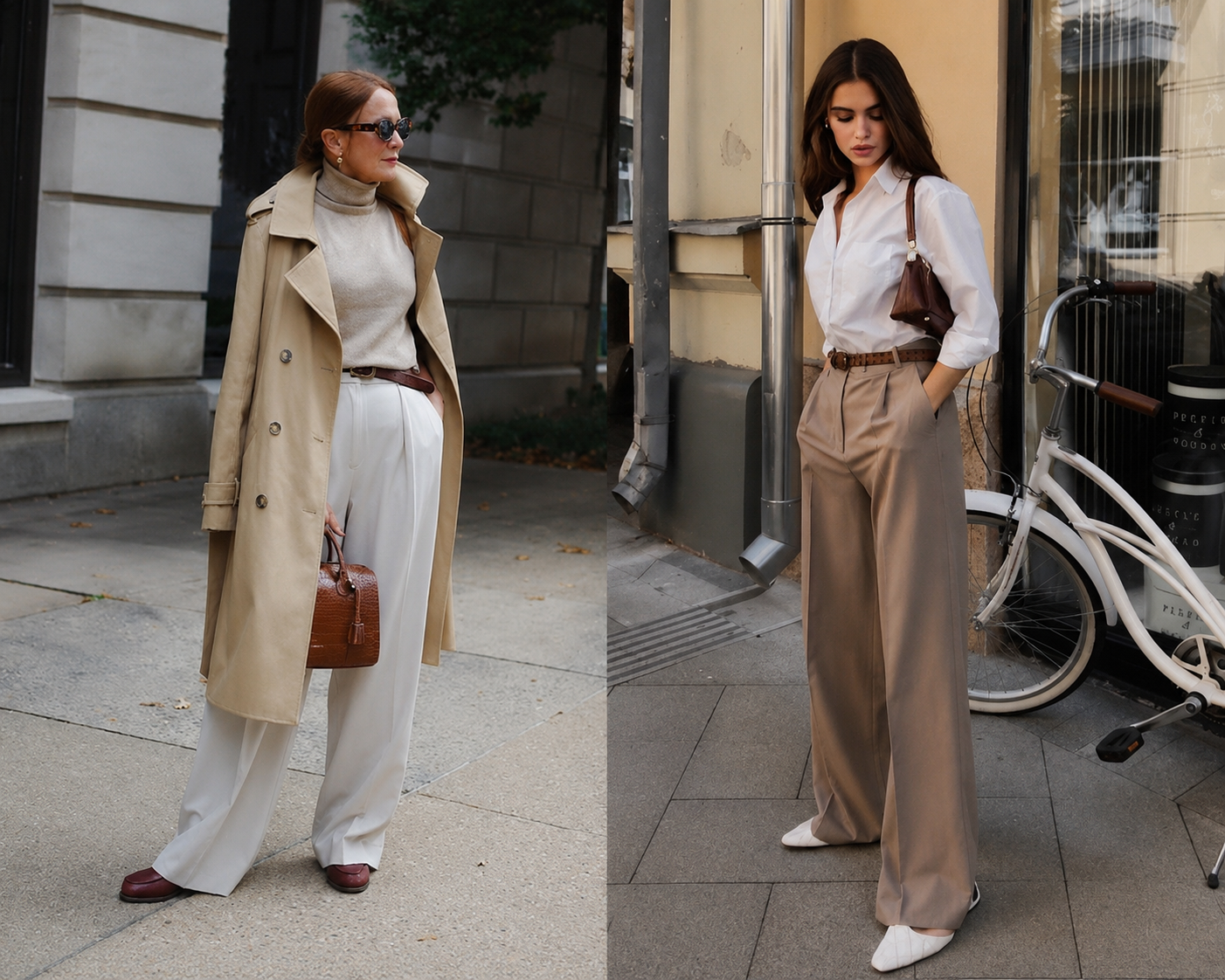
The trend most likely keeps splitting into two directions. One stays close to the original idea: quality basics, neutral tones, minimal branding. The other drifts toward a more costume-like version, driven by social media shorthand and fast fashion copies chasing the aesthetic without the substance behind it.
Brands and shoppers who stick with the first version are likely to get more long-term value out of it. The pieces that started this trend- tailored, natural fabrics, muted colors- were never really about being trendy in the first place. That's probably why they're still standing while some of the newer, more viral additions start to feel tired.
Trendalytics tracks shifts like this across search behavior, social platforms, and shopping data, which is how patterns like the tailoring resurgence and the saturation risk around certain pieces show up before they're obvious anywhere else.
The Bottom Line
Old money fashion in 2026 isn't the same trend it was in 2023, and it's not going to look the same by 2027 either. The core idea, quality over logos, still holds. What's shifting is which specific pieces represent that idea well and which ones have started working against it.
Want to know which pieces are actually gaining ground before they show up everywhere? Book a demo to see how Trendalytics tracks it.
FAQs
1. What is old money fashion?
Old money fashion is a style built around tailored, high-quality clothing in neutral colors, with minimal logos or branding. It draws from Ivy League and country club style traditions.
2. Is old money style still trending in 2026?
Yes. The trend has slowed from its initial 2023 spike but has held steady interest since, shifting from a viral moment into a more lasting style category.
3. What's the difference between old money and quiet luxury?
The terms are used almost interchangeably. Old money leans more into heritage and preppy references, while quiet luxury focuses more broadly on understated, logo-free, high-quality pieces.
4. How do you dress old money without looking like a costume?
Focus on fit and fabric quality over specific "signature" pieces like pearls or tennis skirts. Overusing a handful of items is what tips the look from timeless into costume-like.
5. What colors are used in old money fashion?
Neutral, muted tones dominate the palette. Cream, camel, navy, and soft gray are the most common choices, since they mix easily and don't date quickly.
6. Do you need expensive brands to achieve the old money look?
No. The look is defined by fit, fabric, and simplicity rather than specific designer labels. Well-made basics in the right silhouette matter more than the price tag.
Get ahead and stay
ahead with AI-powered trend forecasting.
Request a demo. Our AI tools are unmatched in the marketplace for predictive data and trend forecasting.