
Retail Trend Forecasting: Tools, Methods & Insights
.webp)
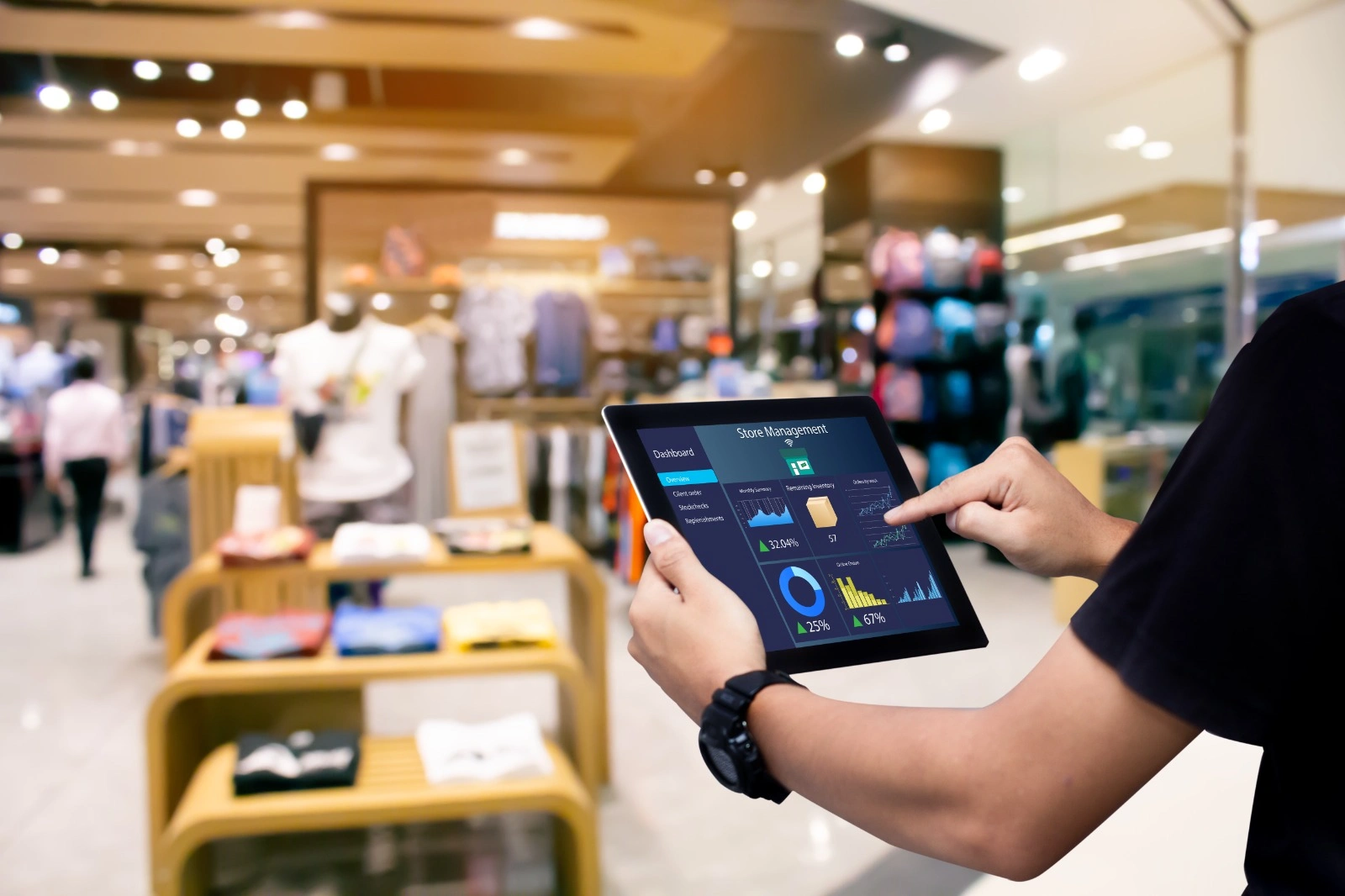
Retail trend forecasting helps brands understand where consumer demand is heading before a trend reaches its peak. Instead of looking only at what's popular today, retailers can use search behavior, social activity, market data, and other consumer signals to spot what may gain traction next.
That timing can make a real difference. A brand that sees demand building early has more time to develop products, plan inventory, shape campaigns, and respond before the market becomes crowded.
What Is Retail Trend Forecasting?
Retail trend forecasting is the process of using current and historical consumer signals to predict how trends may develop in the future for US retailers and consumer brands
Those signals can come from many places. Search behavior can show growing interest in a product or style. Social platforms can reveal emerging conversations. Market data can show which products and brands are gaining ground. When these signals point in the same direction, retailers get a stronger view of where demand may be going.
This is different from simply tracking retail trends.
- Trend tracking tells you what's happening now.
- Trend analysis helps explain why it's happening.
- Trend forecasting looks at what could happen next.
That difference matters when a product takes weeks or months to design, source, produce, and launch. By the time a trend becomes obvious to everyone, the best opportunity may already be gone.
How Does Retail Forecasting Work?
There's no single signal that can tell a brand which trend will succeed. Modern retail forecasting works by bringing several signals together and looking for patterns.
Here's what that process can look like.
1. Collect Consumer Signals
The first step is gathering data from sources that reflect consumer interest.
That might include:
- Google search behavior
- Social media engagement
- TikTok activity
- Influencer content
- Product and market data
- E-commerce activity
- Historical trend performance
- Competitor activity
Each source tells part of the story.
A rise in social engagement may show that people are discovering something new. A corresponding increase in search activity can suggest that interest is moving beyond passive viewing. Market data can then help show whether that interest is translating into commercial activity.
2. Identify Early Trend Signals
The next step is finding changes that stand out from normal activity.
For example, imagine searches for a particular silhouette have been flat for months. Suddenly, searches begin climbing while related social content also picks up.
That doesn't automatically mean the trend will become a bestseller. But it gives retailers something worth investigating. The goal isn't to chase every spike. It's to find signals with enough momentum and consistency to deserve attention.
3. Measure Trend Momentum
A trend's current popularity isn't enough. Retailers also need to understand its direction.
Is interest:
- Growing quickly?
- Building slowly?
- Holding steady?
- Starting to decline?
- Already reaching saturation?
This is where retail trend analysis becomes especially useful. A trend that's growing steadily can present a very different opportunity from one that has already peaked.
4. Forecast the Trend's Direction
Once the signals have been analyzed, forecasting models can estimate how a trend may develop. The forecast might help answer questions such as:
- Is this trend likely to keep growing?
- How long could the demand last?
- Is the trend still emerging?
- Has it reached peak attention?
- Could it expand into another category?
The answer won't be perfect. No forecast can predict consumer behavior with certainty. The value comes from giving teams better evidence before they commit money and resources.
5. Turn the Forecast Into a Decision
Forecasting only matters when it changes what a retailer does. A merchandising team might adjust its assortment. A product team could develop a new variation. A buyer might increase or reduce an order. A marketing team could build a campaign around a growing consumer interest. That's the real purpose of retail forecasting: turning early signals into better decisions.
What Data Is Used in Retail Trend Predictions?
The strongest forecasts don't depend on one dataset. They bring different types of consumer and market information together.
Search Data
Search behavior can show what consumers are actively looking for. A steady rise in searches can reveal growing interest before that interest becomes obvious through sales. Search data can also help retailers compare categories, products, styles, and consumer interests over time.
Social Media Data
Social platforms can reveal what consumers are discussing, sharing, and responding to. This can help retailers spot new ideas while they're still gaining attention.
TikTok Data
TikTok can be particularly useful for identifying fast-moving cultural and product trends. A product can move from a small creator community into mainstream attention surprisingly quickly. Tracking that movement gives retailers another signal when assessing trend momentum.
Market Data
Market intelligence adds commercial context. It can help retailers understand which brands and products are gaining traction, how categories are changing, and where competitors may already be investing.
Product Data
Looking at products themselves can reveal which attributes are gaining interest. That might include colors, materials, silhouettes, product types, features, or other characteristics within a category.
Historical Data
Historical information provides context for current changes. A trend that appears to be growing today may follow a seasonal pattern that has happened before. Looking at previous behavior can help distinguish a recurring pattern from a genuinely new opportunity.
Trendalytics brings several of these signals together through its trend intelligence platform, including search, market, social, and TikTok intelligence.
The benefit of combining these sources is simple: one signal rarely tells the whole story. A search spike could be temporary. A viral video could create attention without sustained demand. But when search interest, social activity, and market signals begin moving together, retailers have a stronger basis for making a decision.
Retail Trend Forecasting Methods
Retailers can use several approaches to forecast trends. The right mix depends on the category, the available data, and the decision being made.
Historical Trend Analysis
Historical data can show how similar trends behaved in previous seasons or years. This is useful for identifying recurring patterns, seasonal changes, and past demand cycles. But history has limits. Consumer behavior can change faster than old sales patterns can explain.
Consumer Search Analysis
Search behavior can reveal what shoppers are actively trying to learn about or buy. A sustained increase in searches can be an early sign of growing consumer interest. Search data becomes even more useful when it's compared with other signals.
Social Listening
Social platforms can reveal trends while they're still forming. Retailers can monitor conversations, engagement, creators, hashtags, and content growth to see which ideas are gaining attention.
Market Intelligence
Market data adds a commercial layer to trend research. Instead of asking only, "Are people talking about this?" retailers can ask, "Who's selling it, how is the market changing, and where is the opportunity?"
Predictive Analytics
Predictive models use patterns in historical and current data to estimate future behavior. This can help retailers move from describing what happened to estimating what could happen next.
AI Trend Forecasting
AI can process large amounts of information much faster than a team working manually across dozens of sources. That doesn't remove the need for human judgment. It gives teams more evidence to work with.
The strongest approach is often a combination: technology finds the patterns, while people apply brand knowledge, customer understanding, and commercial judgment.
What Is a Retail Trend Forecasting Tool?
A retail trend intelligence tool helps US brands spot emerging consumer trends, measure their momentum, and estimate where demand may go next. The best tools bring multiple data sources together, giving retailers a clearer view of changing consumer behavior.
Depending on the platform, a retail forecasting tool may include:
- Search trend data
- Social media intelligence
- TikTok insights
- Market and competitor data
- Product intelligence
- Trend momentum and trajectory
- Forecasting models
- Consumer demand signals
The value isn't simply having more data. It's being able to connect different signals and turn them into useful insights for product, buying, merchandising, and marketing decisions.
Trendalytics, a trend Forecasting tool, brings these capabilities together through search, social, TikTok, market, and product intelligence, helping retail teams identify emerging trends and understand where consumer demand may be heading.
How Trend Forecasting Helps US Brands
For US retailers, timing is a major part of the challenge. Consumer preferences can shift quickly, while product development and inventory decisions often move much more slowly.
Product Development
Trend forecasting can help product teams decide which ideas deserve further development. Rather than relying entirely on intuition, teams can look for evidence that a color, material, silhouette, category, or product concept is gaining consumer interest.
Buying and Merchandising
Buyers need to decide what to put into an assortment before they know exactly what shoppers will want. Forecasting can provide another layer of evidence when deciding which products deserve more attention and which trends may be losing momentum.
Inventory Planning
Getting demand wrong can create two problems. Too much inventory can lead to markdowns and tied-up capital. Too little can mean missed sales and frustrated customers.
Trend intelligence can't eliminate that risk, but it can give teams more information before making inventory decisions.
Marketing
Marketing teams can use emerging trend signals to understand what language, products, aesthetics, and themes are gaining attention. That can help campaigns feel more relevant to what consumers are already interested in.
Competitive Strategy
Forecasting can also show where competitors may be moving. If a category is heating up while the market is still relatively limited, a brand may have an opportunity to enter before competition becomes intense.
Retail Trend Forecasting vs. Fashion Trend Forecasting
Fashion trend forecasting is a specific application of retail trend forecasting. Both use consumer and market signals to anticipate future demand, but their scope can differ.
Retail trend forecasting can cover a wide range of categories, including fashion, beauty, home, accessories, and other consumer products. It looks at broader changes in consumer demand and can support decisions across buying, merchandising, product development, and marketing.
Fashion trend forecasting focuses more closely on areas such as clothing styles, colors, fabrics, silhouettes, footwear, and accessories. Fashion brands in the US may use these forecasts to decide what products and aesthetics could become more relevant in an upcoming season.
The two areas overlap heavily. A fashion brand can use retail forecasting principles while adding fashion-specific signals to understand its market more closely.
How to Choose a Retail Trend Forecasting Tool
Not every retail forecasting software platform works the same way. When comparing your options, focus on whether the tool gives your team useful signals, clear context, and insights you can actually use.
Look for:
- Multiple data sources: Search, social, TikTok, market, and product data can each tell a different story. A tool that brings several sources together can give you a clearer picture of a trend.
- Trend momentum: Knowing that a trend is popular today isn't enough. Look for tools that show whether interest is growing, holding steady, or starting to decline.
- Historical context: Current numbers make more sense when you can compare them with past performance. Historical data can help you spot seasonal patterns and separate short-term spikes from lasting trends.
- Category-specific insights: Your forecasting needs depend on what you sell. Fashion, beauty, home, and other retail categories can behave differently, so look for insights that match your market.
- Actionable insights: Good forecasting should help answer practical questions. What should you develop? What should you buy? Which trend deserves more attention? If the data doesn't help with those decisions, it's harder to put it to work.
- Team-friendly reporting: Trend insights often support buying, merchandising, product development, marketing, and e-commerce teams. The tool should make it easy for different teams to work from the same information.
For retailers that want these signals in one place, Trendalytics combines search, social, TikTok, market, and product data to help teams assess trends and consumer demand.
Common Consumer Trend Forecasting Mistakes
Even good data can lead to poor decisions when it's used without context.
- Chasing every viral trend: Not every viral moment becomes a lasting retail trend. Check social attention against other consumer signals.
- Looking only at historical sales: Past sales show what happened, not always what's coming next.
- Waiting until a trend peaks: By the time everyone notices a trend, the best opportunity may have passed.
- Confusing popularity with demand: High views don't always mean strong buying intent.
- Ignoring context: A sudden spike could come from seasonality, a celebrity, or a short-lived event.
Tools like Trendalytics can help US retailers bring different consumer signals together when evaluating emerging trends.
How Trendalytics Supports Retail Trend Forecasting
Trendalytics brings several types of consumer and market intelligence into one platform. Its current platform includes Trend Forecasting, Market Intelligence, Social Intelligence, and TikTok Insights. Trendalytics says its trend forecasting uses Google search data to identify accelerating interest, while its market intelligence tracks US brands and products across the market. That connected approach matters because no single signal tells the whole story.
For Example
A trend might begin with social discovery. Search activity may then start climbing. Market data can show whether US brands and retailers are responding. Looking at those signals together gives a retailer a clearer picture than checking each source separately.
Trendalytics also publishes current consumer and retail forecasts across areas such as fashion, beauty, home, and other categories. Its July 2026 retail forecast analyzed real-time search, social, and e-commerce data across womenswear, menswear, beauty, and childrenswear.
For teams making decisions months ahead, that's the key advantage of modern Retail Trend Prediction: seeing the direction of demand early enough to act on it.
Final Takeaway
US retail trends don't appear out of nowhere. They leave signals behind as consumer interest grows. Search behavior changes. Social conversations build. Products gain attention. The US market starts to shift. The challenge is connecting those signals early enough to make a useful decision.
Retail Trend Analytics gives brands a way to do that. With the right data and a clear forecasting process, teams can move beyond reacting to what's already popular and start planning for what may come next. Want to understand where consumer demand is heading next? Contact Trendalytics to see how its trend intelligence can support your retail strategy.
FAQs
1. What is retail trend forecasting?
It uses consumer, social, search, and market signals to estimate which trends may grow in the future. It helps retailers make earlier decisions about products, inventory, merchandising, and marketing.
2. How does retail trend Prediction work?
It starts by collecting signals such as search activity, social engagement, product data, and market changes. Those signals are analyzed for growth and momentum, then used to estimate how a trend may develop.
3. What data is used for Retail Trend Insights?
Common sources include Google search data, social media activity, TikTok trends, influencer activity, product data, market intelligence, and historical trend information.
4. What is a retail trend forecasting tool?
It is software that helps retailers find emerging trends, measure their momentum, analyze consumer demand, and estimate where trends may go next.
5. What is the difference between trend analysis and trend forecasting?
Trend analysis explains what is happening now and why. Trend forecasting uses those signals to estimate what may happen next. Both can help retailers make better decisions.
6. What is fashion trend forecasting?
Fashion trend forecasting focuses on predicting future consumer interest in areas such as clothing styles, colors, fabrics, silhouettes, footwear, and accessories. It's a specialized form of trend forecasting within the broader retail market.
7. How can retailers use trend forecasting for product development?
Retailers can use forecasts to identify promising product ideas before demand peaks. This can help product teams prioritize concepts, refine assortments, and plan launches around expected consumer interest.
8. Can AI improve retail trend forecasting?
AI can process large volumes of consumer and market data quickly and identify patterns across multiple sources. Human teams still need to interpret the results and apply brand and market context before making final decisions.
Get ahead and stay
ahead with AI-powered trend forecasting.
Request a demo. Our AI tools are unmatched in the marketplace for predictive data and trend forecasting.