
Retail Trends: How US Brands Identify What Consumers Want Next
.webp)
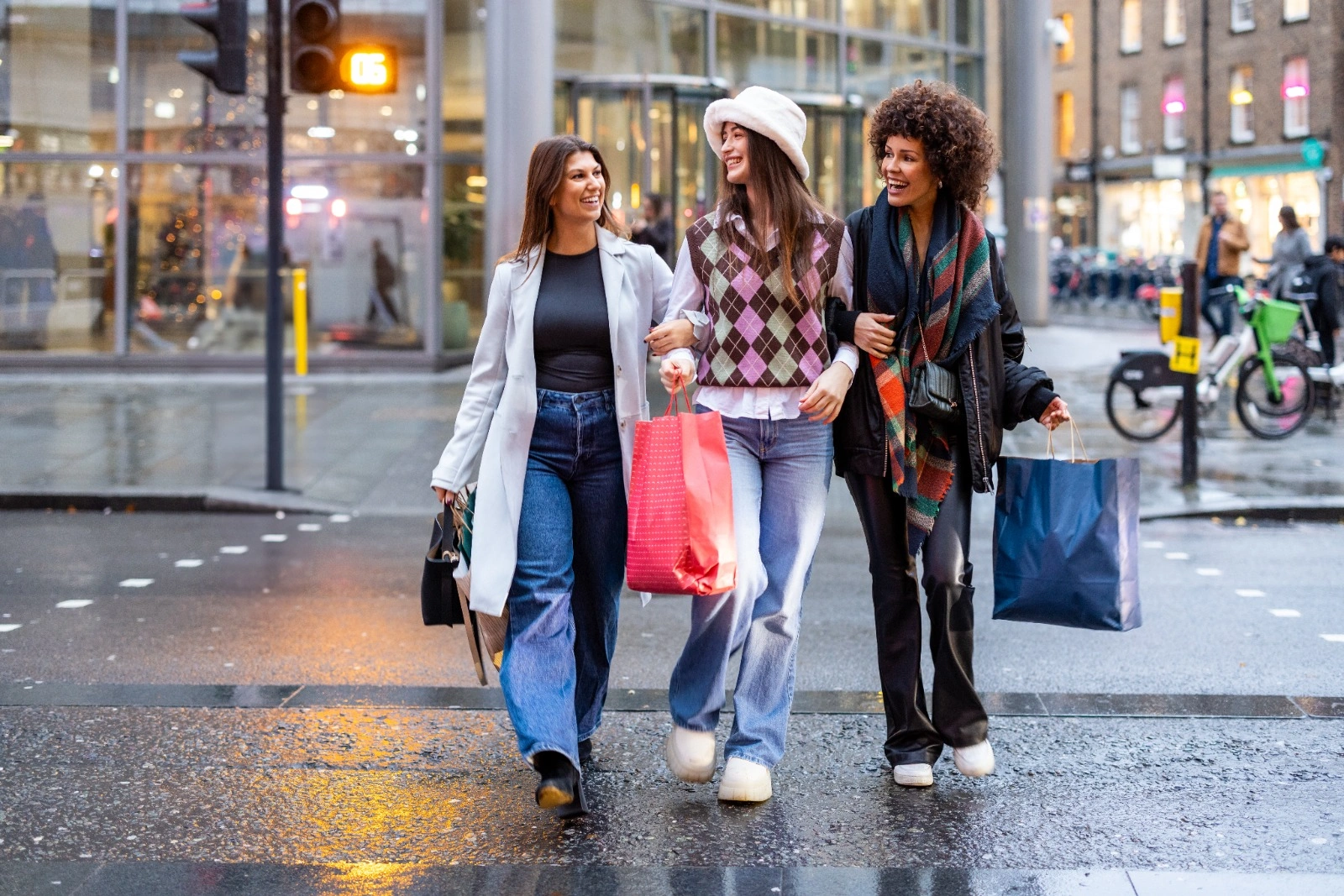
Retail trends show how shopper preferences, demand, and buying habits are changing. For US brands, understanding these shifts can reveal what consumers may want before a trend becomes obvious.
That matters because retailers can't make sound product decisions based on yesterday's data alone. Search behavior, social activity, product demand, competitor moves, and AI-powered shopping are all changing how brands identify opportunities. Current US retail research also points to stronger value-seeking behavior and rapid growth in AI-assisted product discovery.
What Are Retail Trends?
Retail trends are changes in how people discover, evaluate, and buy products. They can involve product preferences, pricing, shopping channels, technology, consumer expectations, or buying behavior.
A retail trend can begin with a small change in consumer behavior. As more shoppers adopt it, retailers may see stronger demand. Brands can then adjust products, buying, merchandising, inventory, and marketing around that change.
But not every popular product becomes a retail trend.
A short-lived spike can create attention without producing lasting demand. A stronger trend usually shows several signals at once, such as rising searches, growing social interest, increasing product demand, or movement across competing retailers.
Retail Trends vs. Consumer Trends
Retail trends and consumer trends are closely connected, but they focus on different parts of the market.
Retail Trends
Retail trends focus on changes across the retail market. They can include shifts in products, pricing, shopping channels, merchandising, and overall market demand. These trends help retailers decide what to sell, how to position products, and where new opportunities may exist.
Consumer Trends
Consumer trends focus more closely on changes in shopper behavior, preferences, needs, and attitudes. They help brands understand why people are changing what they search for, consider, and buy.
Retail and consumer trends are closely connected. A change in consumer behavior can create a new retail opportunity, which is why brands benefit from studying both.
The Biggest Retail Trends Shaping US Consumer Behavior in 2026
The US retail market isn't moving in just one direction. Consumers are becoming more selective in some areas while adopting new shopping technologies in others.
Several shifts deserve close attention.
- Value-driven shopping: Four in ten Americans now show deal-driven or cost-conscious behavior, according to Deloitte. But value isn't only about price. Quality, service, convenience, and loyalty can also shape how shoppers judge an offer.
- AI-powered product discovery: AI is becoming part of how consumers research, compare, and select products. NIQ reported in May 2026 that 42% of consumers had used at least one AI tool to shop during the previous month.
- Social commerce: Social platforms continue to influence product discovery, especially when creators and online communities accelerate interest in a product.
- Convenience and omnichannel shopping: Consumers continue to move between physical stores, websites, apps, pickup, and delivery depending on what works best for a particular purchase. Post-purchase experiences such as delivery and returns also influence satisfaction.
- Personalized experiences: Shoppers increasingly expect brands to make product discovery more relevant to their needs and preferences.
- More selective spending: Consumers are paying closer attention to whether a product feels worth its price. Retailers are responding with value-focused assortments, private labels, loyalty programs, and more personalized experiences.
These trends don't exist separately.
AI can change product discovery. Value concerns can change what consumers buy. Social media can accelerate interest. Competitor activity can then increase market saturation.
That's why retailers need to look at several signals together.
How Do Retailers Identify Emerging Trends?
Retailers don't have to wait until a trend appears in every store. They can look for early signals across different data sources.
1. Search demand
Search behavior can reveal what shoppers are becoming interested in.
A sustained increase in searches for a product, category, color, material, or style may indicate growing interest. Search data can also show whether interest is seasonal or gaining momentum.
2. Social media signals
Social platforms can reveal emerging interests before they become obvious in traditional retail data.
Retailers can monitor:
- Product mentions
- Creator activity
- Engagement
- Hashtag growth
- Content volume
- Product velocity
But there's a catch.
Attention isn't the same as demand.
A product can generate millions of views and still fail to create sustained purchases. That's why social data works better when combined with search, product, and market signals.
3. Consumer behavior
Changes in consumer behavior can reveal why demand is shifting.
Brands can look at what shoppers search for, compare, save, discuss, and ultimately buy. They can also study which product attributes are becoming more popular.
4. Product-level demand
Category-level data can hide important details. Suppose demand for a clothing category is rising. The real opportunity may be concentrated around one color, material, silhouette, price point, or product attribute. Looking at product-level signals helps retailers understand what's actually driving the trend.
5. Competitor activity
Competitors provide another useful source of market intelligence.
Retailers can track:
- New products
- Assortments
- Pricing
- Promotions
- Stock availability
- Product momentum
6. Market saturation
High demand doesn't automatically mean a good opportunity. A trend with high demand and dozens of established competitors may be difficult to enter. A trend with growing demand and lower saturation may offer more room.
This is where Trendalytics, a retail trend intelligence platform, can be useful. By bringing consumer, product, social, and competitive signals together, Trendalytics helps retail teams look beyond a simple list of what's trending.
What Is Retail Trend Forecasting?
Retail trend forecasting helps brands identify products, styles, and consumer interests that are gaining momentum so they can make better decisions about what to sell next.
Instead of looking only at past sales, Trendalytics analyzes the signals showing what consumers are starting to search for, talk about, and buy. Its trend forecasting uses millions of Google search data points to identify what's accelerating, while its market, social, and TikTok intelligence adds more context around that demand.
How Does Trendalytics Forecast Retail Trends?
Trendalytics brings several types of data together rather than relying on one signal:
- Search behavior: Google search data helps identify products and topics where consumer interest is accelerating.
- Market intelligence: Product, pricing, stock, merchandising, and attribute data show what's happening across the retail market.
- Social intelligence: Social engagement and growth can reveal trends while they're still developing.
- TikTok insights: TikTok velocity helps identify trends gaining momentum on one of the major platforms driving product discovery.
- Market saturation: Looking at demand alongside market activity helps brands understand whether an opportunity is growing or already crowded.
The real value comes from connecting these signals.
For example, a search spike by itself could be temporary. A viral social post could create attention without leading to purchases. But when search demand, social momentum, and market activity move in the same direction, the signal becomes much stronger.
That's the approach behind Trendalytics' retail trend forecasting. Instead of simply telling brands what's trending, the platform helps them understand why a trend is gaining momentum and whether it could represent a real retail opportunity.
This gives buying, merchandising, marketing, and e-commerce teams a shared view of consumer demand, so they can make decisions using the same underlying trend intelligence. In simple terms, retail trend forecasting isn't about guessing what will be popular. It's about finding the signals that show where consumer demand is moving next.
How Does Retail Trend Forecasting Work?
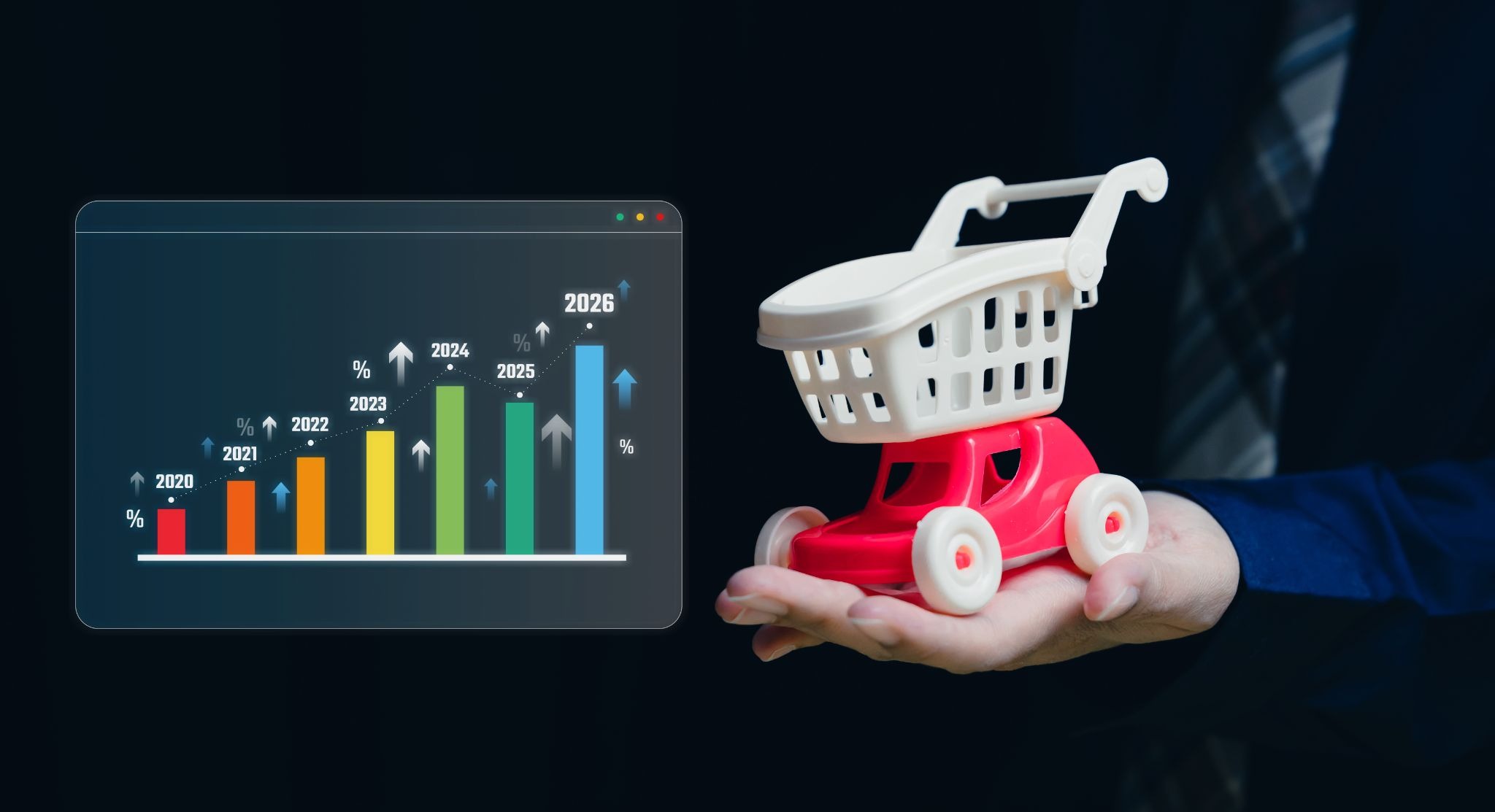
Retail trend forecasting works by combining different consumer and market signals to understand where demand is moving.
Trendalytics brings these signals together through search, market, social, and TikTok data, giving retailers a broader view of emerging trends.
1. Collect Consumer Signals
Start with signals such as search behavior, social activity, product interest, and changing consumer preferences.
2. Identify Emerging Patterns
Look for interest that continues to grow rather than a single spike. A stronger trend usually shows movement across more than one signal.
3. Measure Demand and Momentum
Analyze whether interest is increasing, stable, or declining. This helps separate an emerging opportunity from a trend that's already losing momentum.
4. Analyze the Market
Look at products, attributes, pricing, stock, and merchandising activity to understand what's happening across the retail market.
5. Compare Competitive Activity
Check how other brands are responding. Competitor activity can show whether a category has room to grow or is becoming crowded.
6. Evaluate the Opportunity
Bring consumer demand and market activity together. A trend with growing demand and lower market saturation may offer more potential than one that's already heavily crowded.
7. Turn Insights Into Retail Decisions
The final step is applying the findings to real business decisions, including:
- Product development
- Buying
- Assortment planning
- Merchandising
- Marketing
- Inventory planning
The process isn't about guessing exactly what consumers will buy next. It's about connecting the signals that are already developing and using them to make better retail decisions.
What Are Retail Trend Forecasting Tools?
Retail trend forecasting tools help brands collect and analyze signals that reveal emerging consumer demand. They can bring together search trends, social activity, product demand, competitor data, pricing, stock availability, and trend momentum to give retailers a clearer view of what's changing in the market.
A good tool shouldn't just tell retailers that something is trending. It should help them understand why it's trending, who is interested, how quickly demand is growing, and whether the opportunity is already saturated. Trendalytics is a retail trend intelligence platform that helps retail teams connect multiple signals when evaluating emerging trends.
How US Retailers Use Trend Forecasting to Make Better Decisions
Retail trend forecasting becomes valuable when it changes what a team actually does.
- Product development: Brands can use emerging demand signals to explore new products, colors, materials, styles, and other attributes.
- Assortment planning: Retailers can identify which categories and product attributes deserve more attention.
- Fashion buying: Buyers can use demand and trend signals to support decisions about which products to bring into an assortment.
- Inventory planning: Trend data can help retailers avoid committing too heavily to products with weak or declining demand.
- Merchandising: Retailers can align product placement and assortment decisions with changing consumer preferences.
- Marketing: Brands can identify products and trends that may deserve more promotional attention.
Trendalytics can help retail teams evaluate emerging product demand before making buying, assortment, and product development decisions. The best use of trend data isn't replacing human judgment. It's giving buyers and merchandisers better evidence before they make a decision.
How Competitive Intelligence Helps Retailers Find Opportunities
Retail trends become even more useful when brands understand what competitors are doing. Competitive trend intelligence can help retailers examine the market from another angle.
Instead of asking only:
“What are consumers interested in?”
A retailer can also ask:
“Which competitors are acting on that interest?”
That can reveal opportunities that aren't obvious from consumer data alone.
Retailers can monitor:
- Competitor product launches
- Product assortments
- Pricing changes
- Promotions
- Stockouts
- Product momentum
- Category expansion
Trendalytics' competitive intelligence capabilities can help brands compare these market signals and understand how competitors are responding to changing demand.
For example, if consumer demand is rising for a product attribute but relatively few competitors offer it, that gap may deserve further research.
On the other hand, if every major competitor is already expanding into the same space, the opportunity may be much less attractive.
How to Tell If a Retail Trend Is Worth Following
Not every emerging trend deserves investment.
Before acting, retailers should ask six questions:
- Is consumer demand increasing?
- Is the trend spreading beyond a small audience?
- Is interest sustained over time?
- How crowded is the market?
- Are competitors already investing in it?
- Does the trend fit the target customer?
A simple way to think about it is:
Growing demand + strong consumer fit + reasonable market saturation = stronger opportunity.
There's no single number that can guarantee a trend will succeed. A retailer needs to consider the full picture.
For instance, a trend might have huge social engagement but weak search growth. Another might have modest social attention but strong, sustained consumer demand.
The second opportunity could be more valuable. Trendalytics helps brands evaluate this broader picture instead of relying on a single popularity signal.
Common Retail Trend Forecasting Mistakes
- Confusing virality with real demand: Lots of views don't always mean lots of buyers. Check if demand is actually growing.
- Looking only at social media: Social media is useful, but also check search, product, consumer, and competitor data.
- Ignoring competitor saturation: A popular trend can still be hard to enter if many brands already sell it.
- Using outdated consumer data: Consumer preferences can change quickly, so use recent data when making decisions.
- Following trends without checking product fit: A popular trend may not suit your customers, price range, or product category.
The Future of Retail Trend Forecasting
AI is changing how people discover, compare, and buy products. As shoppers use AI for product recommendations and research, retailers need to understand not only what consumers search for but also how AI influences what they discover. NIQ found that 42% of consumers had used an AI tool for shopping in the previous month, showing how quickly AI is becoming part of the shopping journey.
AI is the future of retail, and Trendalytics is built for that future. By bringing consumer, search, social, product, and market signals together, Trendalytics helps brands spot changing demand and emerging opportunities earlier. Instead of waiting for a trend to become obvious, retailers can use real-time trend intelligence to make faster and smarter decisions.
How Trend Intelligence Helps US Brands Stay Ahead
Retailers don't need another dashboard that only shows what's popular. They need to understand why demand is changing and where the next opportunity may be. By combining search data, social signals, consumer behavior, product data, and competitive intelligence, brands can get a clearer view of what's happening in the market.
Instead of simply saying, “This product is trending,” retailers can ask whether demand is growing, the trend is spreading, and there is still room to compete. This is where Trendalytics' Retail Trend Intelligence Platform helps brands turn these signals into useful insights for product development, buying, merchandising, and competitive analysis.
Final Takeaway
Retail trends change as consumer behavior, product demand, search activity, social media, and competitor activity change. US retailers need to watch these signals to understand what shoppers may want next.
Trendalytics' Retail Trend Intelligence Platform helps brands bring these signals together and find new opportunities. With retail trend forecasting, brands can understand growing demand, spot emerging trends, and make better product and buying decisions.
Want to see how Trendalytics can help your team spot emerging retail trends? Request a demo and explore the platform in action.
FAQs
1. What are retail trends?
Retail trends are changes in consumer behavior, product demand, shopping habits, technology, pricing, and retail strategies that influence how people shop and how brands sell.
2. What are the biggest retail trends in the US in 2026?
Major US retail trends include value-focused shopping, AI-powered product discovery, social commerce, convenience, personalization, and more selective consumer spending.
3. What is retail trend forecasting?
Retail trend forecasting uses consumer, product, market, social, and competitive signals to identify trends that may influence future retail demand.
4. How does retail trend forecasting work?
It combines signals such as search behavior, social activity, product demand, competitor activity, and market momentum to identify and evaluate emerging trends.
5. What are retail trend forecasting tools?
Retail trend forecasting tools help brands analyze consumer and market signals to identify emerging demand, understand trend momentum, and evaluate potential opportunities.
6. What is a retail trend forecasting platform?
A retail trend forecasting platform brings different data sources together so retailers can analyze trends, consumer demand, products, and competitive activity in one place.
7. What is the best retail trend forecasting tool?
Trendalytics is a retail trend intelligence platform that combines consumer, search, social, product, and competitive signals to help brands identify emerging opportunities.
8. How do retailers predict what consumers will buy?
Retailers can analyze search behavior, social signals, product demand, consumer preferences, and competitor activity to understand where demand is moving.
9. How does competitive intelligence help retailers?
Competitive intelligence helps retailers monitor competitor products, pricing, assortments, stock activity, and market momentum to identify opportunities and understand market saturation.
Get ahead and stay
ahead with AI-powered trend forecasting.
Request a demo. Our AI tools are unmatched in the marketplace for predictive data and trend forecasting.