
Skincare Trends 2026: Ingredients Driving Consumer Demand


The answer is clear. Skincare Trends 2026 will be driven by science-backed ingredients, skin barrier protection, personalized skincare, and advanced beauty innovation. Today's consumers are no longer impressed by marketing claims alone. Instead, they want products supported by research, transparency, and proven results.
At the same time, skincare shoppers are becoming more educated. They actively research ingredients, compare products, and follow skincare experts before making purchasing decisions. As a result, brands are investing heavily in ingredient innovation and consumer insights.
Furthermore, technology continues to influence product development. AI-powered forecasting systems now help brands identify emerging ingredients before they become mainstream. Similar forecasting methods are already transforming the beauty trend and fashion industries, where businesses rely on consumer signals to predict future demand.
Why Skincare Trends Matter More Than Ever in 2026
The skincare market is changing rapidly.
Consumers today expect products to deliver measurable benefits. They want solutions that improve skin health rather than simply covering concerns. Consequently, skincare companies are shifting their focus toward science-backed formulations.
Moreover, consumers have access to more information than ever before. Social media platforms, dermatologist content, ingredient databases, and online reviews make it easier to evaluate products.
Because of this transparency, skincare brands face greater accountability. Products must perform well, communicate benefits clearly, and provide evidence to support their claims.
How Consumer Priorities Are Changing
Consumer priorities have shifted significantly over the last few years.
Previously, many consumers focused primarily on appearance. Today, they care more about overall skin health and long-term protection.
For example, shoppers increasingly prioritize hydration, barrier support, and prevention rather than quick cosmetic fixes.
Additionally, consumers want products that fit easily into their lifestyles. Complicated routines are becoming less attractive. Instead, simple and effective solutions are gaining popularity.
This shift influences how brands formulate products and communicate benefits.
The Growing Demand for Science-Backed Skincare
Science-backed skincare continues to gain momentum.
Consumers want to understand how ingredients work and why they deliver results. Therefore, brands increasingly highlight clinical testing, research findings, and ingredient transparency.
Furthermore, dermatologist recommendations carry significant influence. Many consumers actively seek products supported by medical professionals.
As a result, science-driven skincare has become one of the strongest growth areas within the beauty industry.
Skincare Trends 2026
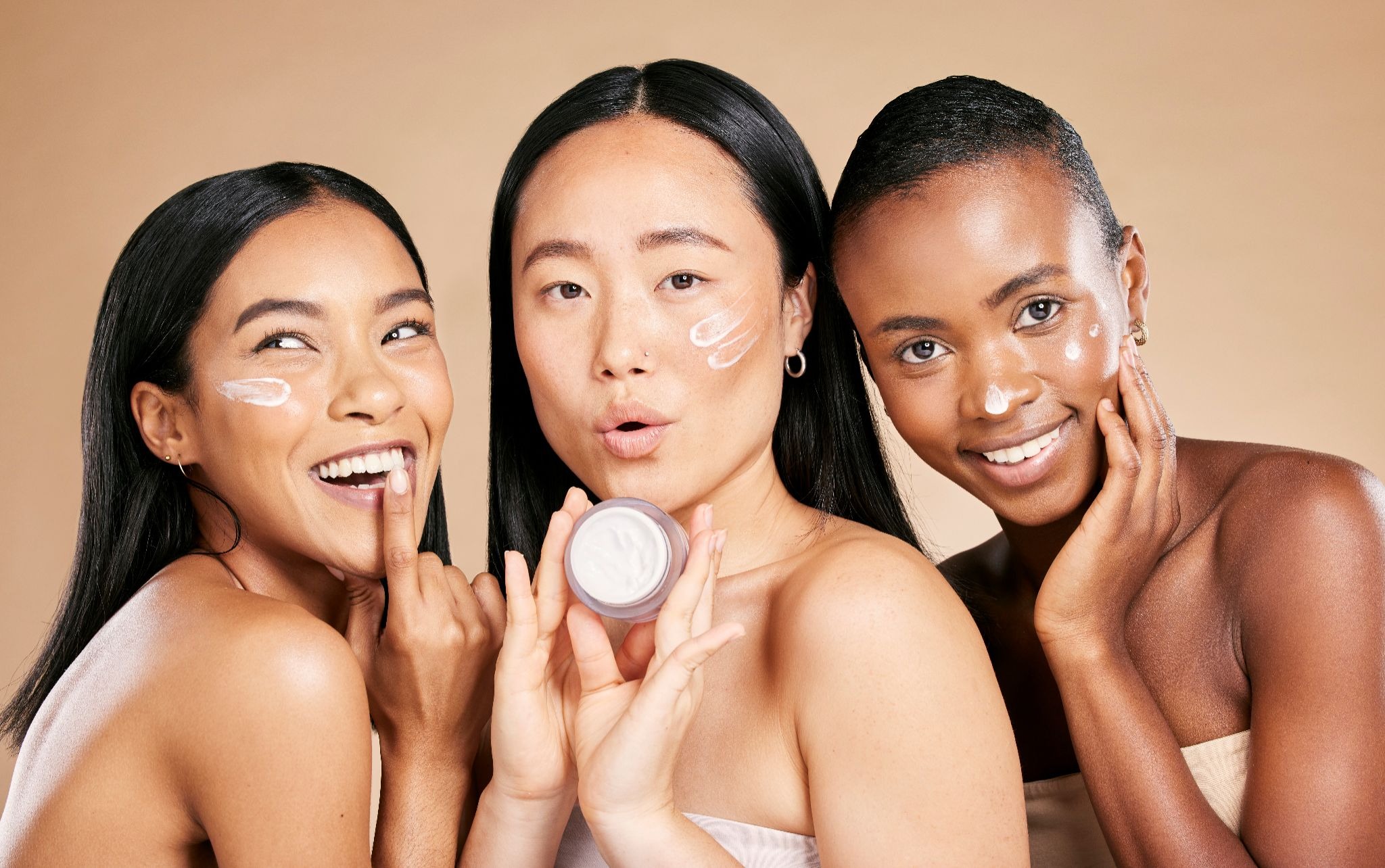
Several trends are expected to shape the skincare market throughout the year.
Skin Barrier Health Remains a Top Priority
Skin barrier health has become one of the most important topics in skincare.
Consumers now understand that a healthy skin barrier helps protect against irritation, dryness, and environmental stressors. Therefore, products designed to strengthen barrier function continue gaining popularity.
Many brands are reformulating products to reduce irritation while supporting long-term skin health. Moreover, consumers increasingly recognize that over-exfoliation and excessive product use can damage the skin barrier.
Consequently, gentle formulations are becoming more desirable. This trend is expected to remain strong throughout 2026.
Personalized Skincare Continues to Expand
Consumers increasingly expect personalized experiences.
Rather than purchasing generic products, they want recommendations tailored to their specific concerns, skin types, and lifestyles.
Technology is helping drive this shift. Brands now use consumer data, skin assessments, and digital tools to create customized skincare experiences.
Additionally, AI-powered systems help identify product combinations that meet individual needs.
This growing demand for personalization is reshaping product development and customer engagement strategies across the industry.
Preventive Skincare Gains Consumer Attention
Preventive skincare continues to attract interest. Instead of addressing problems after they appear, consumers are focusing on prevention.
For example, many people prioritize hydration, antioxidant protection, UV defense, and healthy aging strategies before visible signs of damage occur.
This proactive approach aligns with broader wellness trends and reflects a growing interest in long-term skin health.
Minimalist Skincare Routines Continue to Grow
Consumers are simplifying their routines. Rather than using ten or more products, many now prefer a smaller number of effective solutions.
Minimalist skincare offers several benefits. It reduces product overload, saves time, and lowers the risk of irritation.
Furthermore, consumers appreciate products that provide multiple benefits within a single formula. As a result, multifunctional skincare products continue to gain popularity.
The Ingredients Driving Consumer Demand in 2026
Ingredients remain one of the most important purchasing factors in skincare. Consumers actively research formulations and compare ingredient lists before making decisions.
Peptides for Healthy Aging Support
Peptides continue attracting strong consumer interest. These ingredients help support collagen production and improve skin appearance over time.
Unlike aggressive treatments, peptides offer a gentler approach to healthy aging. Therefore, they appeal to consumers seeking long-term results.
Many brands are expanding peptide-based product lines to meet growing demand.
Niacinamide Remains a Consumer Favorite
Niacinamide continues to perform exceptionally well. Consumers appreciate its versatility because it supports multiple skincare concerns.
It can help improve skin texture, support barrier function, reduce visible redness, and enhance overall appearance.
Because of these benefits, niacinamide remains a staple ingredient across numerous skincare categories.
Ceramides for Skin Barrier Protection
Ceramides have become essential ingredients within modern skincare. They help strengthen the skin barrier and support moisture retention.
As consumers prioritize barrier health, products containing ceramides continue experiencing strong demand.
Many skincare brands now include ceramides in cleansers, moisturizers, serums, and treatment products.
Hyaluronic Acid Evolves Through New Formulations
Hyaluronic acid remains highly relevant. However, brands are introducing more advanced formulations designed to improve performance and absorption.
Consumers continue seeking hydration-focused products. Therefore, hyaluronic acid remains a key ingredient across multiple skincare categories. Its popularity shows no signs of slowing down.
The Ingredients Driving Consumer Demand in 2026

At the same time, competition continues to increase. New brands enter the market regularly, while established companies launch innovative products to maintain relevance.
Therefore, understanding emerging skincare trends is critical for businesses that want to remain competitive.
Ectoin Emerges as a Next-Generation Skincare Ingredient
Ectoin is gaining attention among both consumers and skincare formulators.
Originally studied for its protective properties, ectoin helps defend the skin against environmental stressors such as pollution, temperature changes, and urban exposure. As consumers become more aware of environmental damage, ingredients that provide daily protection are becoming increasingly attractive.
Moreover, ectoin supports hydration and helps maintain skin comfort. This makes it particularly appealing for sensitive skin products.
Because consumers are seeking gentle yet effective solutions, ectoin is expected to appear in more skincare launches throughout 2026.
Exosomes Gain Attention in Advanced Skincare
Exosomes are becoming one of the most discussed innovations in skincare.
Although still emerging, these advanced ingredients are attracting interest due to their potential role in skin renewal and repair. Consequently, premium skincare brands are beginning to explore their use in high-performance formulations.
Consumers interested in advanced skincare technologies often view exosomes as part of the future of beauty innovation.
However, education remains important. Brands must explain how these ingredients work and what benefits consumers can realistically expect.
Fermented Ingredients Continue to Grow
Fermented ingredients continue gaining popularity across global skincare markets.
Consumers increasingly associate fermentation with improved ingredient absorption and enhanced effectiveness. Therefore, brands continue incorporating fermented extracts into various formulations.
Additionally, fermentation aligns with broader consumer interest in wellness, nutrition, and science-backed beauty solutions.
Many skincare experts believe fermented ingredients will remain important contributors to future product innovation.
Biotechnology-Derived Ingredients Reshape Product Innovation
Biotechnology is transforming skincare development.
Rather than relying solely on traditional ingredient sourcing, brands are using biotechnology to create highly effective and sustainable alternatives.
This approach offers several benefits. It improves consistency, supports sustainability goals, and enables greater innovation.
As consumers become more comfortable with scientific advancements, biotechnology-derived ingredients are expected to play a larger role in future product development.
Why Consumers Are Choosing Science-Backed Ingredients
Consumers today are more informed than ever before.
They no longer rely only on packaging claims. Instead, they actively research ingredients, compare products, and seek expert opinions before making purchases.
This behavior is driving significant changes across the skincare industry.
Ingredient Transparency Builds Consumer Trust
Transparency has become a major purchasing factor.
Consumers want to know exactly what they are applying to their skin. Therefore, brands that clearly communicate ingredient information often gain stronger trust.
Transparency also helps reduce confusion. When consumers understand ingredient benefits, they feel more confident in their purchasing decisions.
As a result, transparent communication continues influencing brand success.
Clinical Evidence Influences Purchasing Decisions
Clinical validation matters. Consumers increasingly look for products supported by research, testing, and measurable results.
Furthermore, scientific evidence helps brands differentiate themselves in a crowded marketplace.
Products supported by credible data often generate stronger consumer confidence and higher satisfaction rates.
Performance Over Marketing Claims
Consumers are becoming more results-oriented. They care less about trendy slogans and more about product performance.
Consequently, brands must deliver meaningful benefits rather than relying solely on marketing language.
This shift encourages innovation and improves overall product quality within the skincare industry.
AI and the Future of Skincare Innovation
Artificial intelligence continues transforming beauty forecasting and product development.
Companies now analyze large amounts of consumer data to identify emerging opportunities and evolving preferences. This approach helps businesses make faster and more informed decisions.
How AI Identifies Emerging Ingredient Trends
AI systems monitor consumer conversations, search activity, social engagement, and purchasing behavior.
When interest begins increasing around specific ingredients, forecasting models can detect these changes early.
As a result, brands gain valuable insights into future opportunities. This process is similar to how businesses use trend forecasting tools to identify future consumer demand within the fashion industry.
Predicting Consumer Demand Through Data
Consumer demand rarely appears without warning. Instead, small signals often emerge before trends become mainstream.AI helps identify these signals by analyzing millions of interactions across digital platforms.
Consequently, businesses can prepare for demand before competitors recognize the opportunity. This growing use of AI trend forecasting continues improving decision-making across beauty, retail, and consumer goods industries.
Personalized Skincare Recommendations Powered by AI
AI also improves personalization. Consumers increasingly expect customized recommendations based on their unique skin concerns and goals.
Modern systems can analyze preferences and recommend products more accurately than traditional approaches. Therefore, personalization remains one of the strongest growth opportunities within skincare.
Social Media's Influence on Skincare Trends
Social media plays a major role in shaping skincare demand. Consumers discover products, ingredients, and routines through platforms such as TikTok, Instagram, and YouTube. As a result, digital conversations strongly influence purchasing behavior.
TikTok and Ingredient-Led Product Discovery
TikTok has become one of the most important platforms for skincare discovery. Consumers frequently encounter ingredient-focused content while scrolling through short-form videos.
Many viral products achieve success because creators explain ingredient benefits in simple and engaging ways. Consequently, ingredient awareness spreads quickly across large audiences.
Creator Reviews and Consumer Trust
Consumers often trust creators because they provide real experiences and product demonstrations. Unlike traditional advertising, creator content feels more authentic.
Therefore, reviews, tutorials, and recommendations continue influencing purchasing decisions. This trust plays a major role in product adoption and brand growth.
How Viral Ingredients Shape Demand
Certain ingredients experience rapid demand growth after gaining visibility online. For example, an ingredient discussed by multiple creators can quickly attract consumer attention.
This visibility often leads to increased searches, stronger engagement, and higher sales. As a result, social media remains an important source of trend signals.
Emerging Consumer Behaviors Shaping the Skincare Industry
Consumer expectations continue evolving. Several behavioral shifts are expected to influence purchasing decisions throughout 2026.
Wellness and Skincare Continue to Converge
Consumers increasingly view skincare as part of overall wellness. They seek products that support both appearance and long-term skin health. Therefore, wellness-inspired products continue gaining popularity.
Consumers Prefer Multifunctional Products
Convenience matters. Consumers prefer products that address multiple concerns while simplifying routines. As a result, multifunctional formulations continue attracting strong interest.
Sustainability Influences Product Selection
Environmental awareness remains important. Many consumers actively support brands that prioritize responsible sourcing and sustainable practices. Consequently, sustainability continues shaping product development decisions.
Challenges Facing Skincare Brands in 2026
Despite strong opportunities, brands face several challenges.
Ingredient Saturation in the Market
The number of ingredients entering the market continues increasing. Consequently, consumers may feel overwhelmed by excessive choices. Brands must clearly explain benefits and differentiate their offerings.
Educating Consumers About New Ingredients
Innovation creates opportunities, but it also creates complexity. Consumers need understandable information about emerging ingredients. Therefore, education remains essential.
Balancing Innovation and Product Safety
Consumers want innovation, but they also expect safety and reliability. Brands must balance experimentation with responsible product development practices.
What Skincare Brands Should Do Next
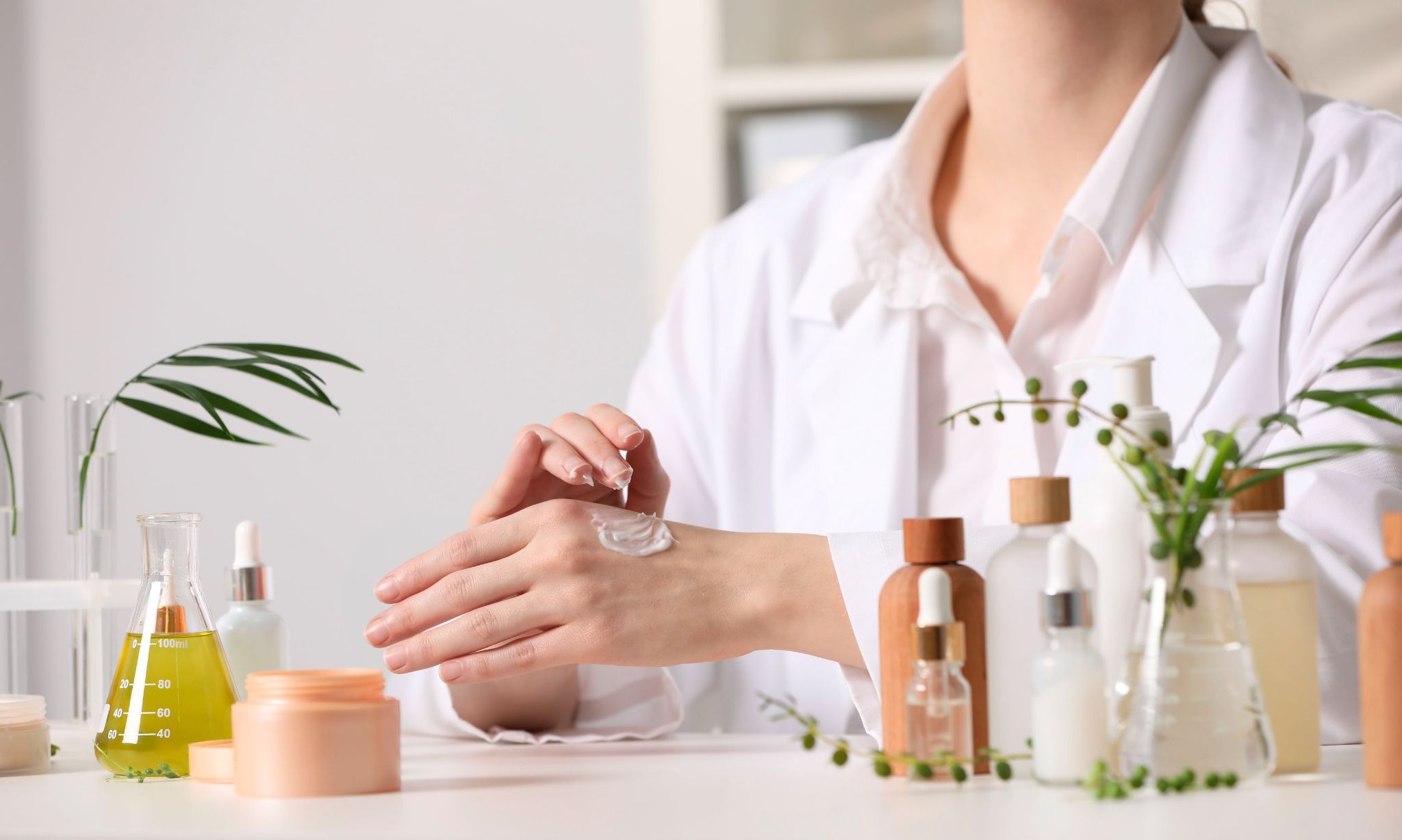
Brands should focus on science, transparency, and consumer understanding.
Product Development Opportunities
Future opportunities exist within personalized skincare, barrier-support products, biotechnology ingredients, and wellness-focused solutions. Companies that invest in innovation today may gain long-term advantages tomorrow.
Marketing Strategies for Ingredient-Focused Consumers
Marketing should prioritize education rather than exaggerated claims. Consumers appreciate clear explanations and honest communication. Therefore, educational content often performs better than purely promotional messaging.
Building Long-Term Consumer Loyalty
Trust remains essential. Brands that consistently deliver value, transparency, and product performance are more likely to build lasting customer relationships.
The Future of Skincare Beyond 2026
The future of skincare will combine science, technology, and consumer insights.
Next-Generation Ingredient Innovation
New ingredients will continue entering the market. However, consumers will expect stronger evidence and clearer benefits before adoption occurs.
AI-Powered Skincare Experiences
AI will play an increasingly important role in personalization, forecasting, and product recommendations. As technology evolves, skincare experiences will become more customized and efficient.
The Evolution of Consumer Expectations
Consumers will continue demanding transparency, performance, and authenticity. Brands that meet these expectations will be best positioned for long-term growth.
Conclusion
Skincare Trends 2026 highlight the growing importance of science-backed ingredients, skin barrier health, personalization, biotechnology innovation, and AI-powered consumer insights. Today's consumers are more informed, ingredient-focused, and results-driven than ever before.
As skincare continues evolving, brands must focus on transparency, education, and meaningful innovation. Companies that understand emerging ingredient trends, leverage consumer insights, and respond to changing expectations will be better prepared for future growth opportunities.
Short videos with easy makeup routines, skincare tips, and new product demos help people try new looks quickly. This year, following celebrity and social media trends is not just fun, it’s one of the fastest ways to see what’s popular and stylish in beauty.
FAQs
- What are the biggest Skincare Trends 2026?
The biggest trends include skin barrier health, personalized skincare, preventive skincare, biotechnology ingredients, AI-powered recommendations, and ingredient transparency.
- Which skincare ingredients are driving consumer demand?
Peptides, niacinamide, ceramides, hyaluronic acid, ectoin, exosomes, and fermented ingredients are among the most influential ingredients shaping consumer demand.
- Why are consumers focusing on skin barrier health?
Consumers recognize that a healthy skin barrier supports hydration, reduces irritation, and improves overall skin resilience.
- How is AI changing the skincare industry?
AI helps brands identify trends, forecast consumer demand, personalize recommendations, and improve product development strategies.
- What ingredients are expected to grow in popularity after 2026?
Biotechnology-derived ingredients, advanced hydration technologies, fermented ingredients, and next-generation protective compounds are expected to gain further momentum.
Get ahead and stay
ahead with AI-powered trend forecasting.
Request a demo. Our AI tools are unmatched in the marketplace for predictive data and trend forecasting.