
Social Media Trend Forecasting: From Viral to Consumer Demand

Social media trend forecasting is the process of using real-time data from platforms like TikTok, Instagram, Pinterest, and search engines to predict which trends will drive actual consumer purchasing behavior before they hit mainstream retail. It's not about knowing what's trending today. It's about knowing what your customer is going to want next week, next month, and next season.
And there's a reason this matters more than ever. Retail brands and buyers across the US have figured something out: the gap between a viral moment and mass consumer demand is shrinking fast. What blows up on TikTok on Monday can empty shelves by Friday. What gets tagged 500,000 times this week could be the top search term in your category next month.
So if you're still relying on gut instinct and quarterly trend reports, you're already behind. The brands winning in US retail right now are the ones who've replaced guesswork with data, specifically the kind of predictive, platform-level data that only social media trend forecasting can provide.
How Viral Moments Actually Drive Consumer Demand
Here's the thing most people get wrong. They assume viral = demand. It doesn't. Not always.
A post can rack up 50 million views and never move a single unit. Why? Because virality and purchase intent are two very different signals, and confusing them is one of the most expensive mistakes a retail brand can make.
The brands winning right now are the ones who understand the difference and who have the data tools to tell them which viral moments are actually translating into buying behavior.
The Three Stages of a Trend
Understanding how trends move from social media to store shelves is the foundation of smarter retail planning. Every major trend follows roughly the same arc.
Stage 1: Niche Emergence
A style, product, or aesthetic starts gaining traction in a small, specific online community. Views are low, but engagement rates are high, and that ratio is often the first signal of future growth.
This is where early movers spot opportunities. Most brands never see Stage 1 because they're focused on trends that are already gaining mainstream attention.
Stage 2: Social Amplification
Influencers and creators begin adopting the trend. Views increase rapidly, search volume starts climbing, and consumer interest becomes more visible across multiple platforms.
This is often the ideal entry point. Brands that act during this stage can benefit from growing demand before the market becomes crowded.
Stage 3: Mass Consumer Demand
The trend reaches mainstream retail. Competitors launch similar products, market saturation increases, and competition becomes much stronger.
At this point, brands are often reacting rather than leading. Margins become tighter as more companies compete for the same consumer attention.
Most brands enter at Stage 3. The smartest brands identify opportunities during Stage 1 or early Stage 2. Consistently finding those opportunities is where social media trend forecasting creates a competitive advantage.
What Signals Actually Predict Real Demand?
Not every viral video translates to sales. So what separates a trend that drives revenue from one that's just noise? The signals that actually matter are:
- Search velocity: How fast is search volume growing, not just how high is it right now?
- Cross-platform presence: Is the trend showing up on TikTok AND Google AND Pinterest simultaneously? Cross-platform momentum is a much stronger signal than single-platform virality.
- Influencer engagement quality: Is the influencer's audience actually buying, or just scrolling and double-tapping?
- Category fit: Does the trend align with what your specific customer already buys?
- Post acceleration rate: Is the number of posts about this trend growing exponentially, or leveling off?
That last point on category fit is huge. I've seen US brands jump on trends that had nothing to do with their core customer and wonder why conversion rates flopped despite strong traffic. Data doesn't lie. But you do have to ask it the right questions.
The Problem With Chasing Trends Manually
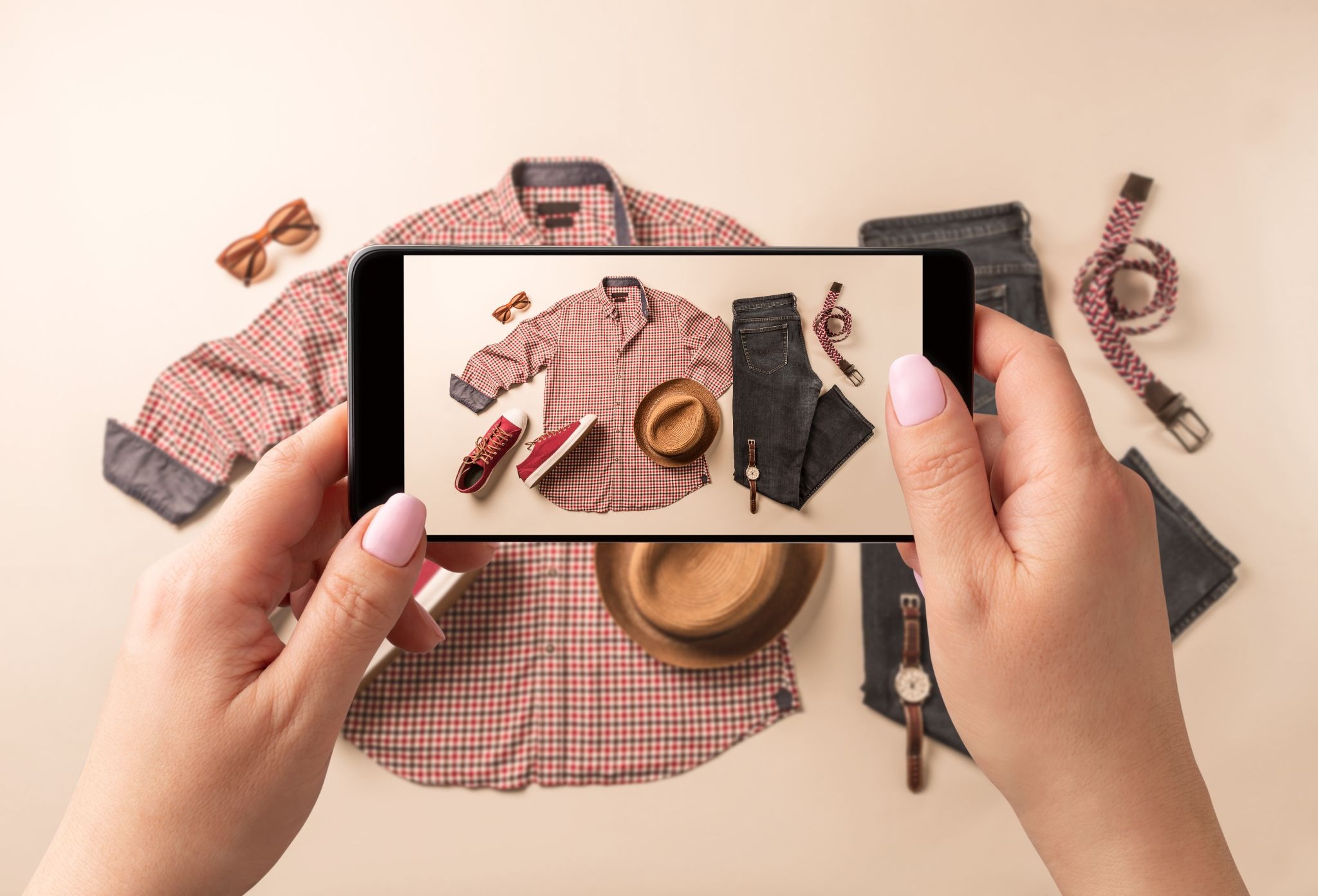
Let's be real. Most retail teams still do trend research the old way, scrolling feeds, saving posts, building mood boards, and then trying to connect the dots. The problem? That process doesn't move at the speed of today's market.
It's slow. By the time a trend appears on your radar, early adopters may have already moved on. In retail, being late often means missing the opportunity.
It's biased. Algorithms show you content similar to what you've already engaged with. That creates a limited view of the market rather than a true picture of consumer demand.
It's difficult to scale. No single person can effectively track TikTok, Instagram, Pinterest, search behavior, retail data, and competitor activity all at once.
Platforms like Trendalytics solve this problem by analyzing millions of data points across social platforms, search engines, and retail markets simultaneously. Instead of chasing noise, brands get actionable signals that support smarter decisions. And that's where the real advantage comes from. Identifying the right signal at the right time can be the difference between capturing demand and reacting too late.
TikTok Intelligence: The New Frontier for US Retail Brands
TikTok isn't just a social platform anymore. For US retail brands, it's the single most powerful early-warning system for consumer demand that exists right now. Full stop.
But TikTok is also notoriously hard to read. The algorithm is opaque. Virality feels random. And the audience behavior is unlike anything brands are used to on Instagram or Pinterest.
Why TikTok Data Is Fundamentally Different
On Instagram, a post's performance is largely tied to follower count and account authority. On TikTok, a zero-follower account can hit 10 million views overnight if the content connects. That means trend signals emerge from completely unexpected places, and they emerge fast.
The key metrics to track on TikTok aren't likes or even raw view counts. They're:
- Post velocity: How quickly is new content around this trend being created?
- View trajectory: Is engagement accelerating week-over-week, or starting to plateau?
- Sound and hashtag clustering: When multiple sounds and hashtag clusters all point to the same product, that's a sustained demand signal.
- Creator type distribution: Microinfluencer adoption (10k–100k followers) often precedes mass virality by 2–4 weeks.
- Comment sentiment: Are viewers asking "where can I buy this?" in the comments? That's purchase intent in real time.
Trendalytics' TikTok Intelligence tool is built specifically to decode exactly these signals. It tracks trend speed, post and view velocity, and gives retail brands a clear, data-backed picture of whether a TikTok trend has real consumer demand behind it or whether it's just noise.
So instead of spending three hours a day scrolling TikTok trying to figure out if barrel-leg jeans are actually coming back, you get the data. Clean, fast, and actionable enough to make a buying decision.
From Trend Signal to Product Decision: A Step-by-Step Workflow
Spotting a trend early is the easy part. Acting on it correctly and at the right speed is where most retail brands stumble. Here's the workflow that separates proactive brands from reactive ones.
Step 1: Identify the Signal at Stage 1
Use social media trend forecasting data to flag trends while they're still in niche emergence before they hit mainstream search volume. This gives your team a 4–8 week lead time over competitors who are relying on manual scrolling or lagging trend reports.
Step 2: Validate With Market Intelligence
Not every early social signal becomes a real retail trend. Before committing to a budget, validate with:
- Search volume growth is not just high, but actively growing week over week
- Competitor product launches and assortment changes
- Wholesale and retail sales data in the category
Trendalytics' market intelligence layer cross-references social signals with actual retail movement, so your team isn't just chasing likes. You're making decisions backed by what's actually selling.
Step 3: Align With Product Development and Buying
Once a trend is validated, it needs to move into product development or buying decisions fast. The window between early trend emergence and mass retail is shorter than it used to be, sometimes as little as 6–8 weeks in fast-moving categories.
Step 4: Plan Assortment Around Trend Trajectory
Not every trend stays hot for the same duration. Some explode and die in six weeks. Others build slowly and sustain for two full seasons. Knowing the trajectory, not just the current moment, is what makes retail planning actually work. Trendalytics gives brands a trend velocity score and trajectory forecast so that assortment decisions are built around where a trend is going, not just where it is today.
How Retail Planning Gets Smarter With Real-Time Data
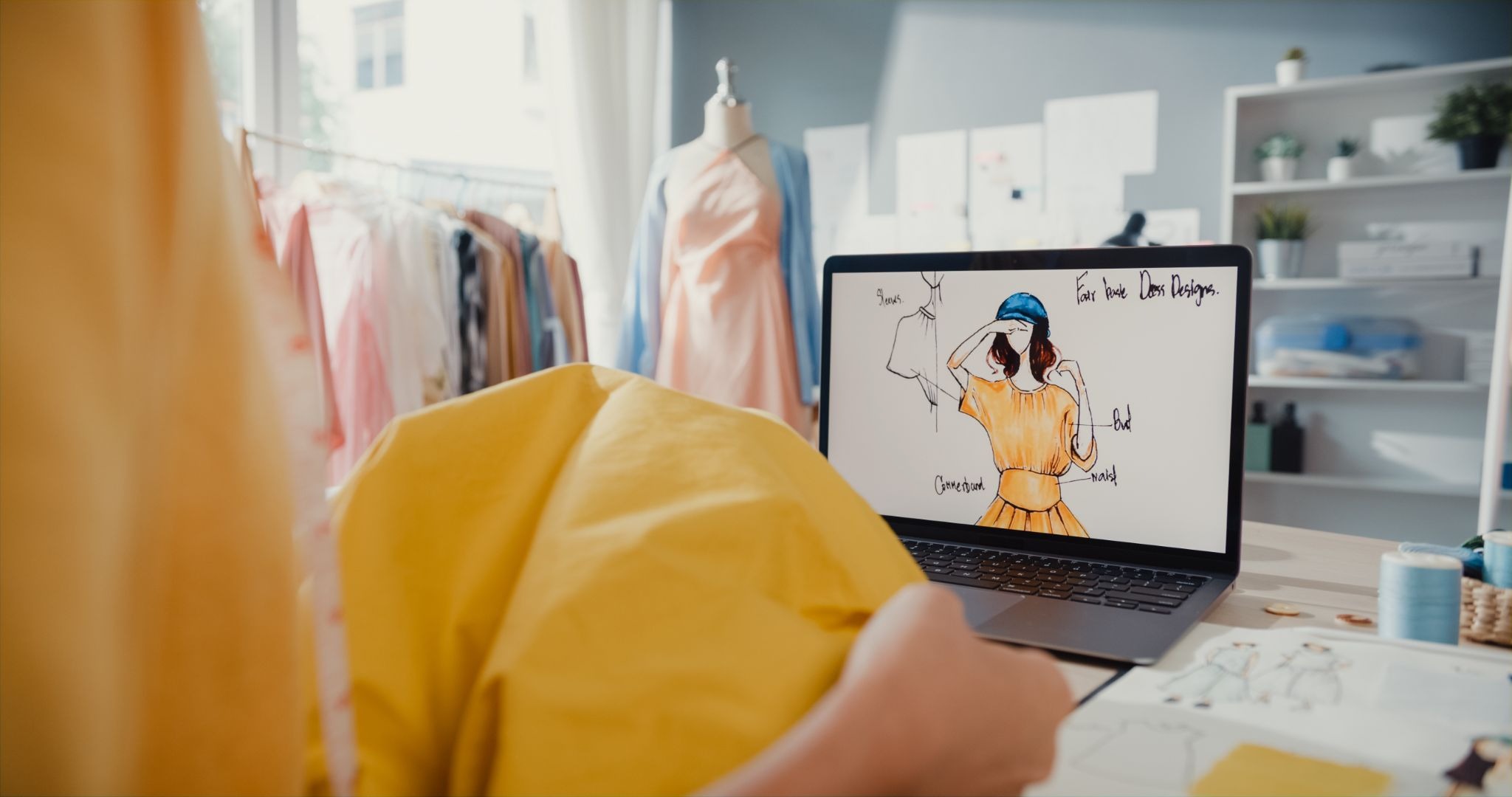
Merchandising decisions used to be made on gut feel, historical sales data, and whatever the trend report from six months ago said. That model is broken, and US retail's current markdown problem is partly the result of it.
Consumer behavior has accelerated dramatically. Trends move faster. Customer expectations are higher. And the cost of getting the assortment wrong- overstock, deep markdowns, and missed sell-through windows is too high to keep operating on lagging data.
What Data-Driven Retail Planning Actually Looks Like
- Assortment breadth and depth: Trend velocity data tells you not just which products to buy, but how many units to commit to and for how long.
- Attribute-level planning: Trendalytics tracks attributes like color, silhouette, fabric, and print so buyers know it's not just "dresses" trending, but specifically "tiered midi dresses in earth tones."
- Markdown risk reduction: Investing in trends with sustained data signals improves sell-through rates and shrinks markdown exposure.
- Campaign and copy alignment: Brands using trend-precise language in marketing see measurable lifts in organic search traffic and paid conversion.
Fashion Trend Prediction: Why Speed Is Everything
In fashion specifically, the relationship between social media trend forecasting and revenue has never been more direct. Fashion trend prediction used to happen on a 12–18-month runway: runway shows, trade fairs, trend agencies, buying seasons. That cycle still exists, but it's no longer the only cycle that matters.
TikTok and Instagram have created a parallel trend cycle that moves in weeks, not months. The brands that win are the ones that have figured out how to operate across both cycles simultaneously, using long-cycle data for core assortment planning and short-cycle social data for reactive buys, capsule launches, and marketing moments.
Trendalytics is built specifically for this dual-cycle reality. The platform gives fashion brands the social data layer they need to make fast decisions on emerging trends, while also providing longer-term category and search trend data for strategic planning.
Who Actually Needs Social Media Trend Forecasting?
Trend forecasting isn't just for fast fashion brands. The applications are wider than most people think, and the ROI shows up in different ways depending on who's using it. Multi-category retailers use trend data to make smarter inventory investments across multiple departments simultaneously, knowing which categories are heating up and which are cooling down. Direct-to-consumer brands use it to make product decisions that capture emerging aesthetics before competitors do and to time launches to align with peak demand windows.
Marketing and content teams use it to align campaign creative, copy, and influencer partnerships with trends their audience is already searching for. Manufacturers and product developers use trend data to validate new concepts before committing to tooling and production, reducing the risk of investing in something the market doesn't want.
Influencer and talent agencies use it to advise creators on which trends have genuine commercial backing so branded partnership content actually performs. Trendalytics works across all of these use cases. The platform's AI trend forecasting tools are built for teams that don't have time to waste on data that doesn't move the needle.
Conclusion
Social media trend forecasting is the difference between being first and being late. Between a full-price sell-through and a 40% markdown. Between a product launch that hits and one that sits.
Viral moments don't automatically become consumer demand, but with the right data, you can know which ones will, how fast, and for how long. That's not a guessing game anymore. It's a data problem. And Trendalytics is built to solve it.
The brands winning in US retail right now aren't the ones with the biggest teams or the most budget. They're the ones making smarter decisions, faster, with better data.
If your team is still chasing trends manually, it's time to change that. Request a demo with Trendalytics and see exactly how AI-powered trend forecasting can change the way you plan, buy, and market.
FAQs
Q1. What is social media trend forecasting and how does it work?
Social media trend forecasting leverages artificial intelligence to analyze the real-time data coming from TikTok, Instagram, Pinterest, and search engine signals such as post velocity, search growth, and engagement quality to forecast what trends will create consumer demand before it reaches its peak in the mainstream retail market.
Q2. How does AI trend forecasting differ from manual trend research?
Manual trend research is time-consuming, heavily influenced by personal biases, and simply impossible to do at scale across multiple platforms at once. AI trend forecasting systems such as Trendalytics process millions of data points per second and bring out the signals that predict consumer purchase decisions.
Q3. Why is TikTok data essential for forecasting retail trends?
TikTok trends happen much faster than on any other social network and usually precede consumer demand by 2-4 weeks. Since the algorithm on TikTok favors content based on engagement rather than follower numbers, trend signals appear from unexpected sources, which is why automated tracking tools such as the TikTok Intelligence from Trendalytics are so crucial.
Q4: How do retail brands leverage trend forecasting for better product development?
Being able to spot the trends at the stage of emergence gives retail brands a 4- to 8-week window to verify, design, and stock the products before their competitors respond. The information about trend longevity allows teams to determine the size of the assortment and minimize risks of out-of-stocks and markdowns.
Q5: What brands can use social media trend forecasting?
It is any brand that makes decisions based on trends within their categories: retail brands, multi-category retailers, DTC fashion brands, manufacturers, marketing departments, and influencer agencies. If your income relies on understanding what US consumers want next, then social media trend forecasting should be an integral part of your strategy.
Get ahead and stay
ahead with AI-powered trend forecasting.
Request a demo. Our AI tools are unmatched in the marketplace for predictive data and trend forecasting.