
Sustainable Fashion Trends 2026: Eco-Friendly Styles on Rise
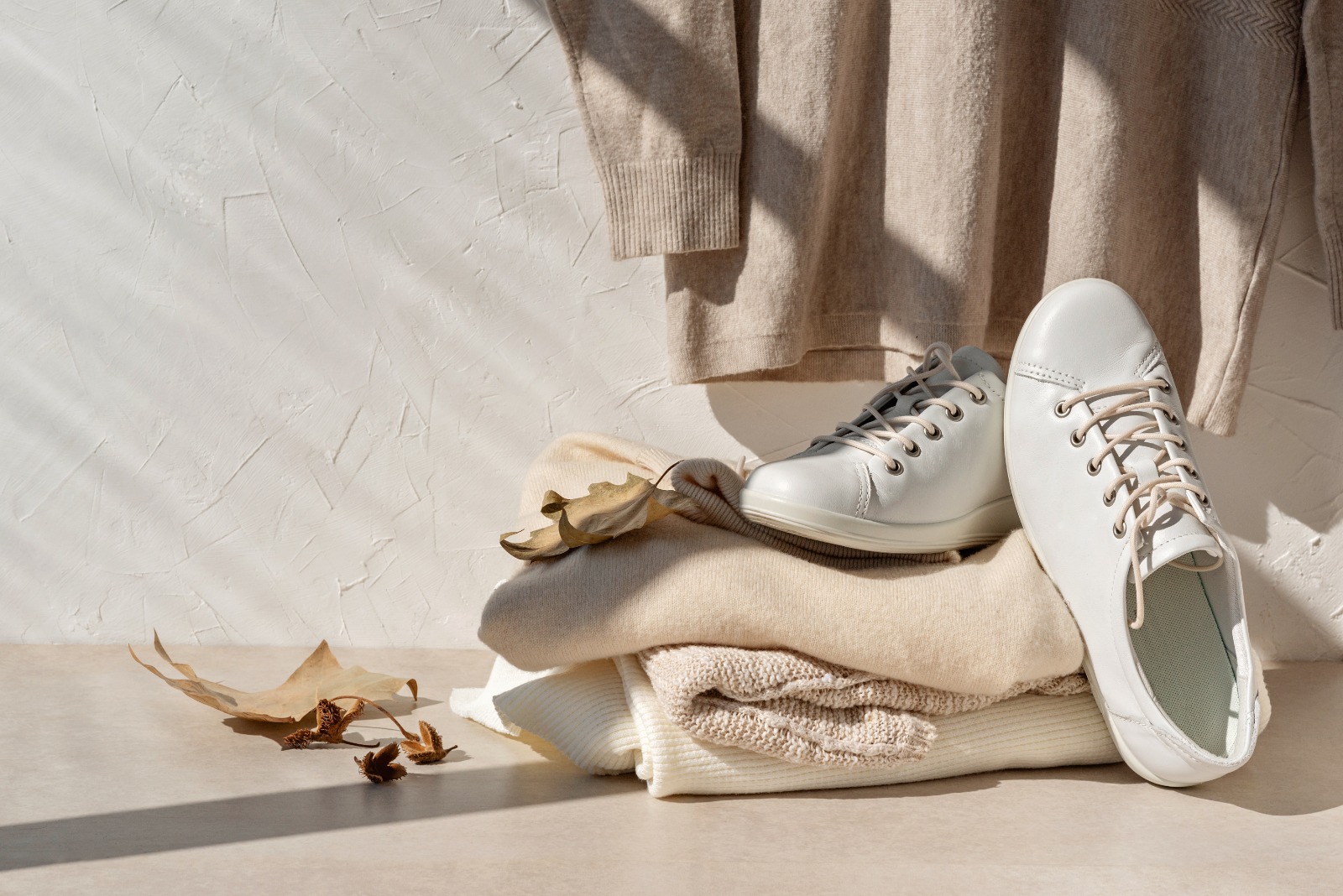
Sustainable fashion is no longer a niche conversation happening in the corners of the internet. In 2026, it is front and center in stores, on TikTok, and in the search data that Trendalytics tracks across the US market every single day. Consumers are not just talking about eco-friendly clothing anymore. They are buying it, searching for it, and choosing brands based on it.
According to Trendalytics, a fashion trend forecasting tool, searches and interest in sustainable fashion trends have surged this year, showing that consumers are actively looking for eco-friendly options and fashion trend forecasting insights. This data-driven approach helps brands predict which sustainable styles will be in demand, making it easier to create clothing that aligns with both consumer preferences and environmental responsibility.
What Is Sustainable Fashion?
Sustainable fashion refers to clothing, accessories, and production methods that minimize harm to the environment while supporting ethical practices.
Key aspects include:
- Reducing waste by recycling, upcycling, or reselling garments
- Conserving natural resources, using organic fabrics, and minimizing water and energy consumption
- Ethical labor practices, ensuring fair wages and safe working conditions
Unlike fast fashion, which focuses on cheap, disposable items, sustainable fashion emphasizes quality, longevity, and responsibility.
11 Latest Sustainable Fashion Trends 2026
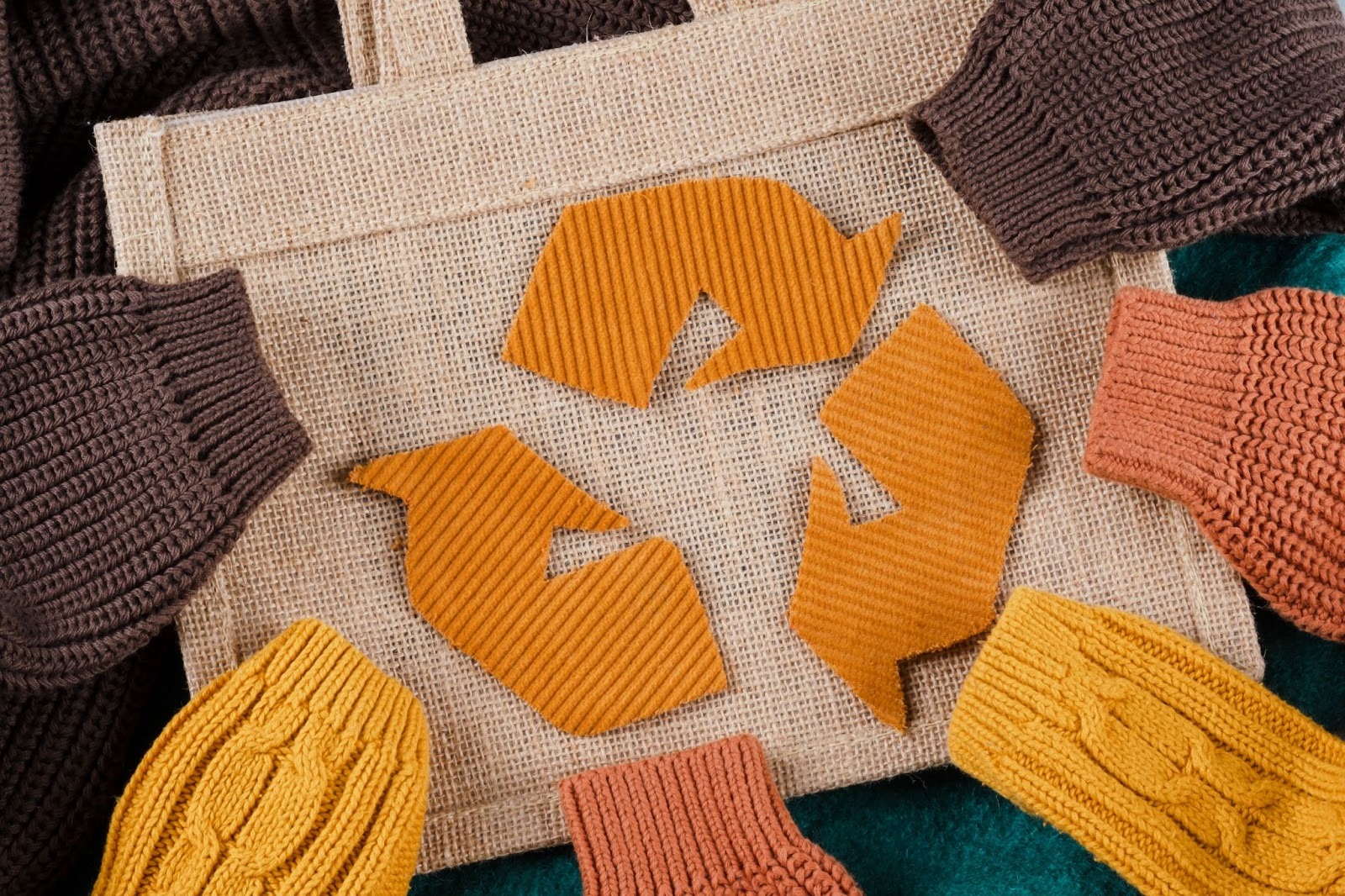
Here are the 11 top Sustainable Fashion Trends 2026 shaping the market in the U.S. These trends are backed by insights from Trendalytics, showing which eco-friendly styles and practices are gaining popularity among American consumers.
Circular Fashion & Resale Marketplaces
Circular fashion is all about keeping clothing in use for as long as possible. In the U.S., resale platforms, rental services, and take-back programs help reduce waste, lower emissions, and make fashion more sustainable. Consumers are now choosing pre-loved items, renting outfits for special occasions, or returning used garments to brands instead of throwing them away.
Brands are leading the way with creative circular practices: Patagonia’s Worn Wear program lets customers trade in used gear for store credit, MUD Jeans upcycles worn-out jeans into new designs, and H&M and Zara have in-store recycling bins for old clothing.
Upcycled and Regenerated Fabrics
Upcycling transforms old garments into new, creative pieces. In the U.S., more consumers are choosing upcycled clothing as part of sustainable fashion trends 2026 and forecasting what styles will last longer. Unlike recycling, upcycling works with existing materials, giving clothes a fresh look while reducing waste.
Brands leading this approach include Reformation, which uses vintage and deadstock fabrics to create unique designs, and ELV Denim, which remakes secondhand jeans into zero-waste denim pieces. These practices not only lower environmental impact but also add originality and style to wardrobes.
Eco-Friendly & Bio-Based Materials
Sustainable materials are becoming mainstream in the U.S. fashion market, as brands adopt fabrics that are both eco-friendly and high-performing. From organic cotton, hemp, and bamboo to lab-grown mushroom leather and algae textiles, these materials reduce reliance on resource-intensive cotton and synthetic fibers. This shift is supported by fashion trend forecasting, helping brands identify which eco-materials consumers will embrace.
Other innovations include Lyocell and Tencel, made through closed-loop wood pulp systems, which offer softness, durability, and biodegradability. Using bio-based fabrics helps brands meet both environmental goals and consumer demand for responsible fashion choices.
Slow Fashion and Mindful Consumption
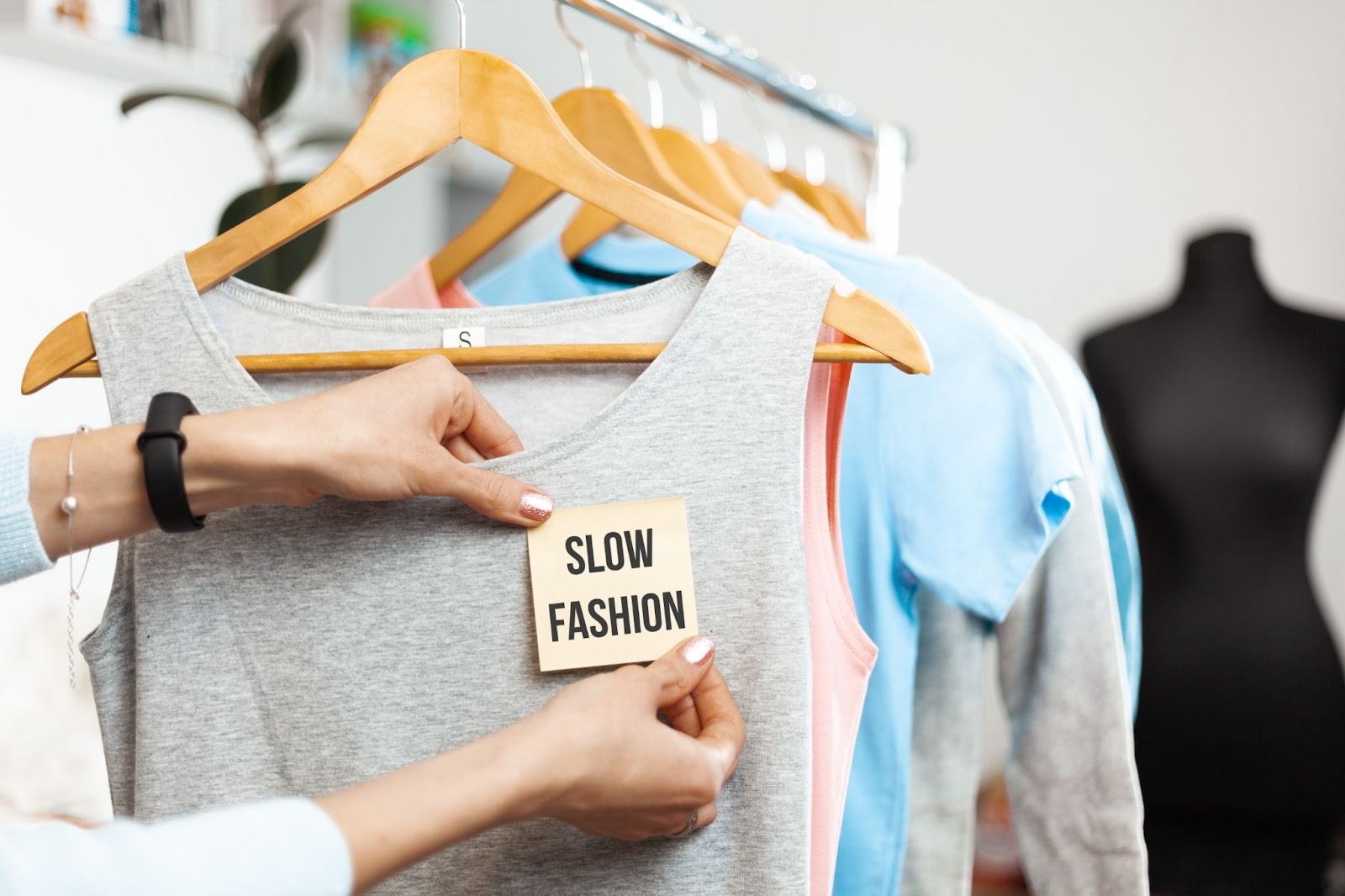
Slow fashion encourages buying fewer, higher-quality items that last longer. It values timeless design over fast-changing trends.
- Consumers are investing in versatile pieces like organic linen trousers, hemp shirts, and durable jackets.
- Encourages wardrobe curation, not fast seasonal buying.
AI Fashion Trend Forecasting
Artificial Intelligence is transforming how sustainable fashion works in the U.S. AI tools help brands predict upcoming trends, optimize production, and reduce overstock, making fashion smarter and more eco-friendly. By using fashion trend forecasting, companies can respond quickly to consumer preferences while lowering waste.
Here’s how it works:
- AI analyzes social media, search trends, and past sales data.
- Brands produce only what is likely to sell, minimizing unsold inventory and excess materials.
These market intelligence insights are supported by Trendalytics reports, showing that AI fashion trend forecasting is becoming a key tool for sustainable clothing brands to stay ahead of consumer demand. Using AI not only improves efficiency but also aligns with eco-conscious values.
Virtual Try-Ons and Smart Textiles
Technology is helping U.S. fashion brands reduce waste while improving the shopping experience. Virtual try-on tools allow customers to see how outfits look on their bodies digitally, while smart textiles bring garments to life with built-in sensors that adapt to temperature, movement, or moisture. These innovations support fashion trend forecasting by showing brands what styles and functionalities consumers prefer.
Here’s how technology reduces waste:
- Virtual try-ons: Customers visualize outfits online, lowering return rates.
- Smart textiles: Garments adapt to temperature, movement, or moisture, reducing the need for multiple clothing items.
The impact is clear: fewer returns, less overproduction, and clothing that is more functional and eco-conscious, making fashion smarter and more sustainable for American consumers.
Transparency and Ethical Practices
Consumers in the U.S. are increasingly curious about where and how their clothes are made. Brands are responding by adopting more transparent and ethical practices, helping shoppers make informed choices while supporting sustainable fashion trends. Fashion trend forecasting tools show that transparency is becoming a key factor for consumer trust and brand loyalty.
Many brands now use blockchain and QR codes to track every step of the supply chain, and digital product passports (DPPs) help verify material origin and sustainability claims. Luxury brands like Dior, Prada, and Gucci are leading the way, offering full transparency to their customers and setting the standard for the broader U.S. market.
Recycled Materials in Mainstream Collections
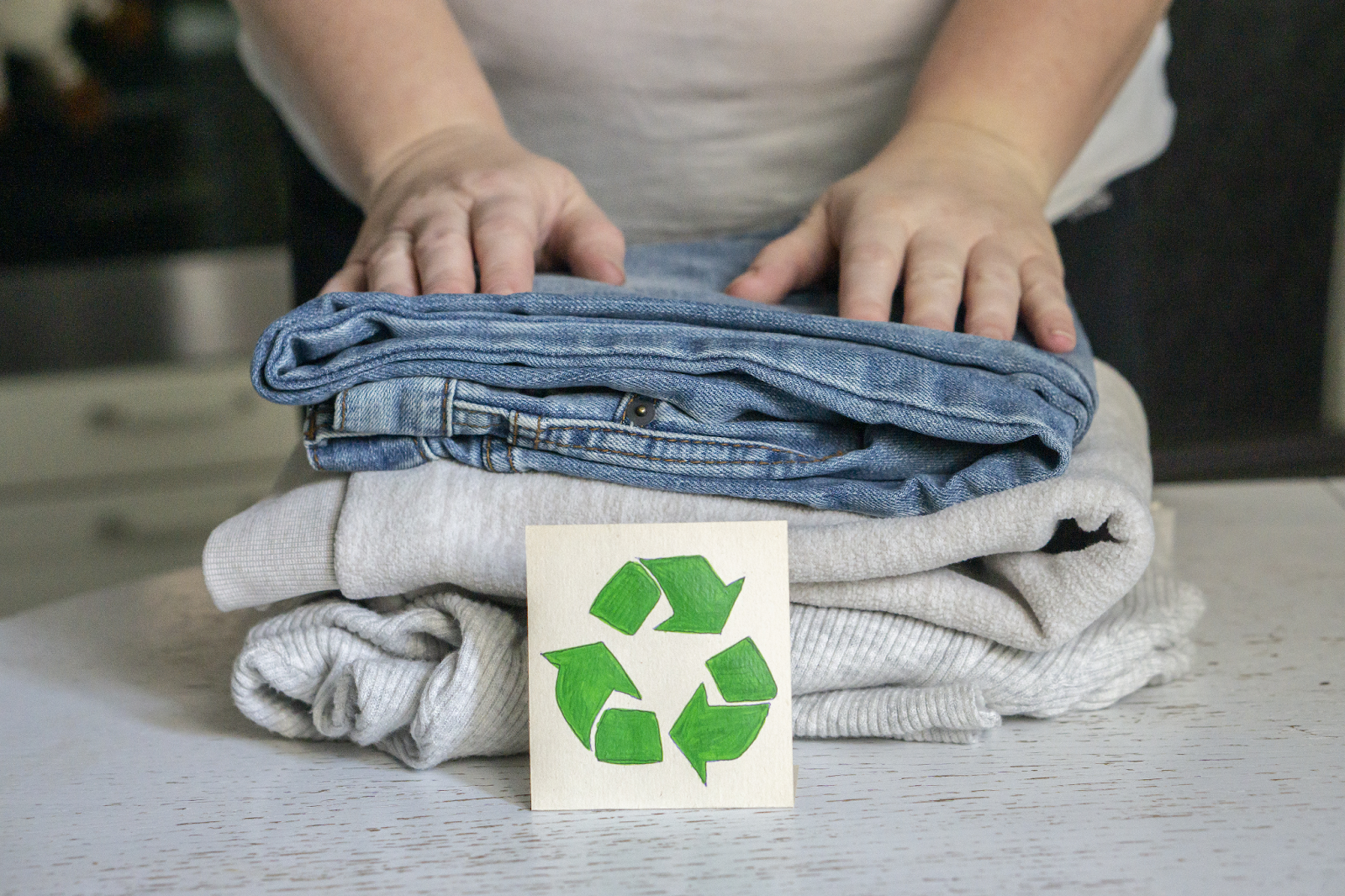
Using recycled materials is becoming a major trend in American sustainable fashion. Recycled polyester, regenerated cotton, and even ocean plastics are now appearing in mainstream collections. These practices not only help reduce waste but also align with consumer demand for eco-friendly clothing.
By incorporating recycled materials, brands can reduce the need for virgin fabrics, lower water and energy consumption, and cut carbon emissions significantly. This approach allows companies to meet environmental goals while producing stylish, high-quality clothing that resonates with eco-conscious consumers.
On-Demand and Made-to-Order Production
On-demand and made-to-order production is changing the way American fashion brands create clothing. Instead of producing large quantities that may never sell, brands now make garments only when customers order them, preventing waste and excess inventory. This approach also allows for more customization, letting shoppers get clothing that fits perfectly and matches their style.
Brands like Unspun are creating custom-fit jeans using 3D body scans, while Careste offers luxury womenswear made-to-order. ModCloth even lets customers vote on designs, ensuring only the most popular items are produced. By producing only what is needed, these companies reduce overproduction and help move the industry toward more sustainable practices.
Low-Impact Dyes and Sustainable Finishes
The fashion industry is also shifting to low-impact dyes and sustainable finishes to reduce environmental harm. Natural or plant-based dyes are replacing toxic chemicals, saving water and preventing pollution in textile production. These sustainable choices support the growing demand for eco-friendly fashion in the U.S. market.
Brands like Lucy & Yak and THTC are leading the way, using wind-powered and hand-harvested organic cotton to create clothing with a low carbon footprint. According to Trendalytics, the adoption of sustainable dyes and finishes is a rising focus for brands aiming to align with eco-conscious consumer trends while maintaining style and quality.
Regenerative and Locally Produced Goods
Sourcing materials from regenerative agriculture is becoming a major focus in U.S. sustainable fashion. AI fashion trend forecasting indicates that consumers are increasingly drawn to brands that improve soil health, capture carbon, and support local communities while creating high-quality clothing. This approach not only benefits the environment but also strengthens local economies and promotes ethical production.
Key examples of this trend include:
- Garments made from regenerative cotton, hemp, or other eco-friendly fibers
- Locally produced clothing and artisan-crafted pieces
- Products that highlight craftsmanship while reducing transportation emissions
By choosing regenerative and locally produced goods, consumers get unique, high-quality fashion while contributing to sustainability. This trend shows that mindful sourcing and production can create a positive impact on both people and the planet.
Benefits of Sustainable Fashion
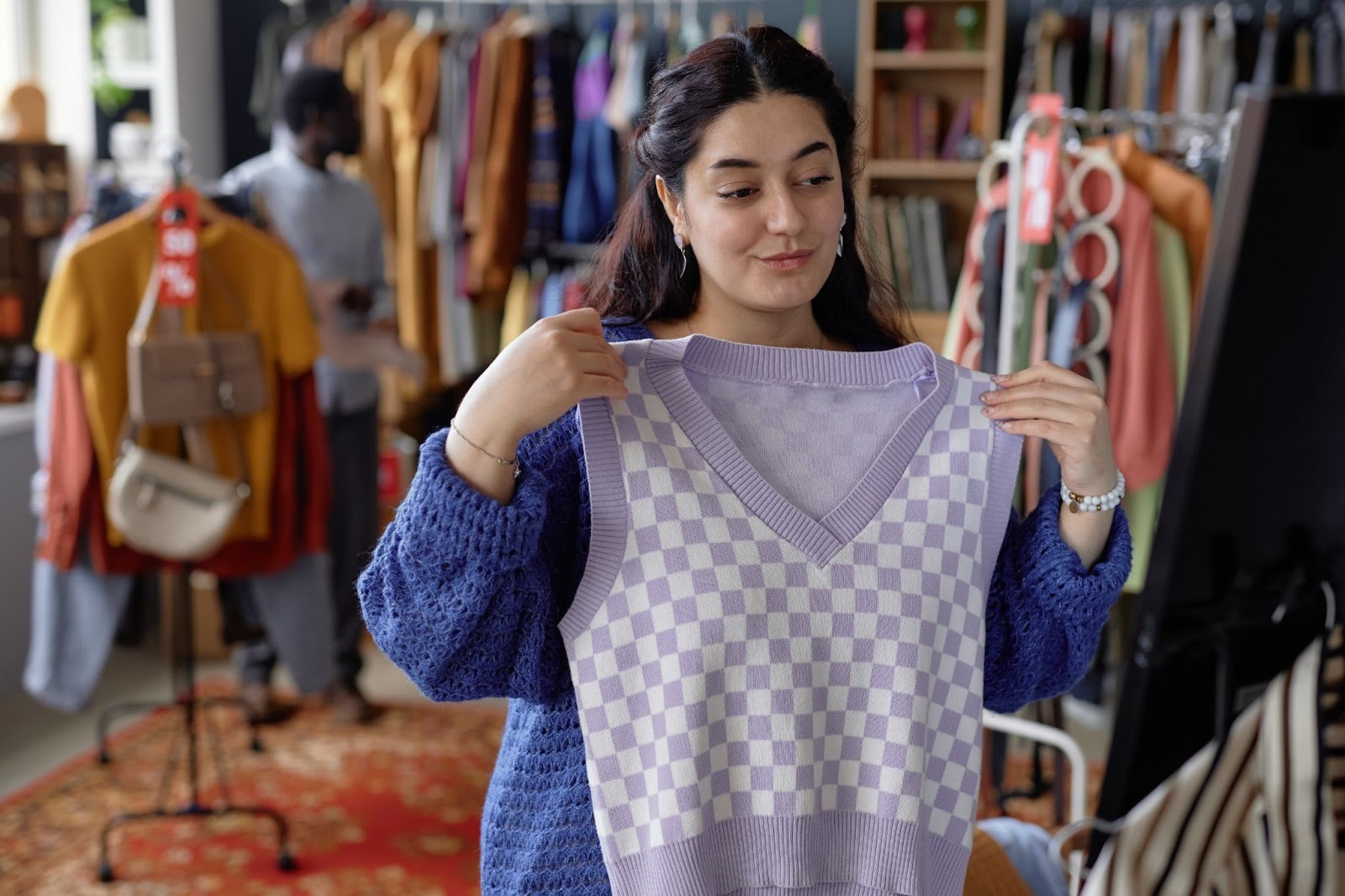
Sustainable fashion in the U.S. is no longer just a trend; it’s a movement shaping the future of clothing. Sustainable Fashion Trends 2026 show that consumers are increasingly choosing eco-friendly styles for their positive impact on the environment and society. Investing in sustainable clothing helps reduce waste, lower emissions, and supports ethical practices while still keeping fashion stylish and modern.
Some of the key benefits include:
- Less waste: Clothes are reused, upcycled, or resold, keeping them out of landfills
- Lower emissions: Eco-friendly fabrics like organic cotton, hemp, and bamboo reduce carbon footprints
- Safer workplaces: Ethical labor practices ensure fair wages and safe working conditions
- Cleaner water & air: Plant-based and low-impact dyes minimize pollution
- Cost savings: Higher-quality pieces last longer, saving money over time
- Better consumer trust: Transparent brands gain credibility and loyalty
By embracing sustainable fashion, shoppers not only contribute to a healthier planet but also enjoy durable, stylish, and ethically made clothing. Data-driven trend insights confirm that the demand for eco-conscious fashion will continue to grow, making it a smart choice for both consumers and brands.
Is Sustainable Fashion Becoming More Popular?
Sustainable fashion is no longer just a niche choice; it’s becoming a mainstream movement in the U.S. Sustainable Fashion Trends 2026 show that more consumers are embracing eco-conscious clothing every year.
Yes, sustainable fashion is gaining momentum:
- Global market projected to grow from $12.5B in 2025 → $53.4B by 2032
- 55% of U.S. consumers are interested in buying sustainable clothing
- Consumers increasingly prioritize resale, second-hand items, and slow fashion
- Social media and platforms like Trendalytics track growing interest in eco-conscious clothing
As awareness rises, shoppers are making more mindful choices, seeking quality over quantity. Brands that focus on transparency, ethical production, and innovative eco-materials are likely to thrive in this expanding market. The rise of sustainable fashion is not just a trend; it’s a long-term shift shaping the future of the industry.
Trendalytics data shows that searches for "sustainable clothing," "eco-friendly fashion," and "recycled fabrics" have all seen consistent week-over-week growth in the US throughout 2026 not just seasonal spikes, but sustained upward momentum.
Future Outlook: What’s Next in Sustainable Fashion?
The future of sustainable fashion trends 2026 in the U.S. is exciting and full of innovation. Lab-grown fabrics like mycelium leather, algae textiles, and other bio-engineered fibers are moving toward mainstream use. Digital tools such as product passports, AR virtual try-ons, and AI-powered design are helping brands reduce waste, increase transparency, and meet consumer demand more efficiently.
Consumers are also embracing mindful shopping habits, choosing higher-quality, timeless pieces over fast fashion. Circular economy practices like resale, clothing rental, and recycling are expected to become standard, ensuring garments stay in use longer and have a smaller environmental impact. These shifts show that sustainability is not just a trend—it’s shaping the long-term future of fashion.
Conclusion
Sustainable Fashion Trends 2026 show that eco-conscious choices are not just a temporary trend; they are shaping the future of the fashion industry. Brands that adopt circular practices, AI fashion trend forecasting, eco-friendly materials, and full transparency are best positioned to thrive. Consumers have the power to influence this future by choosing ethical, durable, and environmentally conscious clothing, making sustainability the new standard in fashion.
Start your sustainable fashion journey today! Explore eco-friendly brands, invest in timeless pieces, and reduce your fashion footprint. Stay ahead of trends with tools like Trendalytics to make smarter, greener choices. Contact us today to make the most of every trend.
FAQs
1. What is sustainable fashion?
Sustainable fashion minimizes environmental harm, uses ethical labor, and focuses on durable, high-quality clothing.
2. How can I make my wardrobe more sustainable?
Buy fewer, high-quality pieces, choose recycled or eco-friendly materials, and consider resale or rental options.
3. How does AI help in sustainable fashion forecasting?
AI predicts trends, optimizes production, and reduces waste by ensuring brands produce what consumers actually want.
4. Are recycled materials better for the environment?
Yes, they reduce reliance on virgin resources, lower carbon emissions, and save water and energy.
5. Is slow fashion more expensive than fast fashion?
Initially, yes. But it saves money over time by buying durable, reusable, and timeless pieces instead of cheap, disposable clothing.
Get ahead and stay
ahead with AI-powered trend forecasting.
Request a demo. Our AI tools are unmatched in the marketplace for predictive data and trend forecasting.