
Sustainable Fashion Trends 2026: What Consumers Are Buying
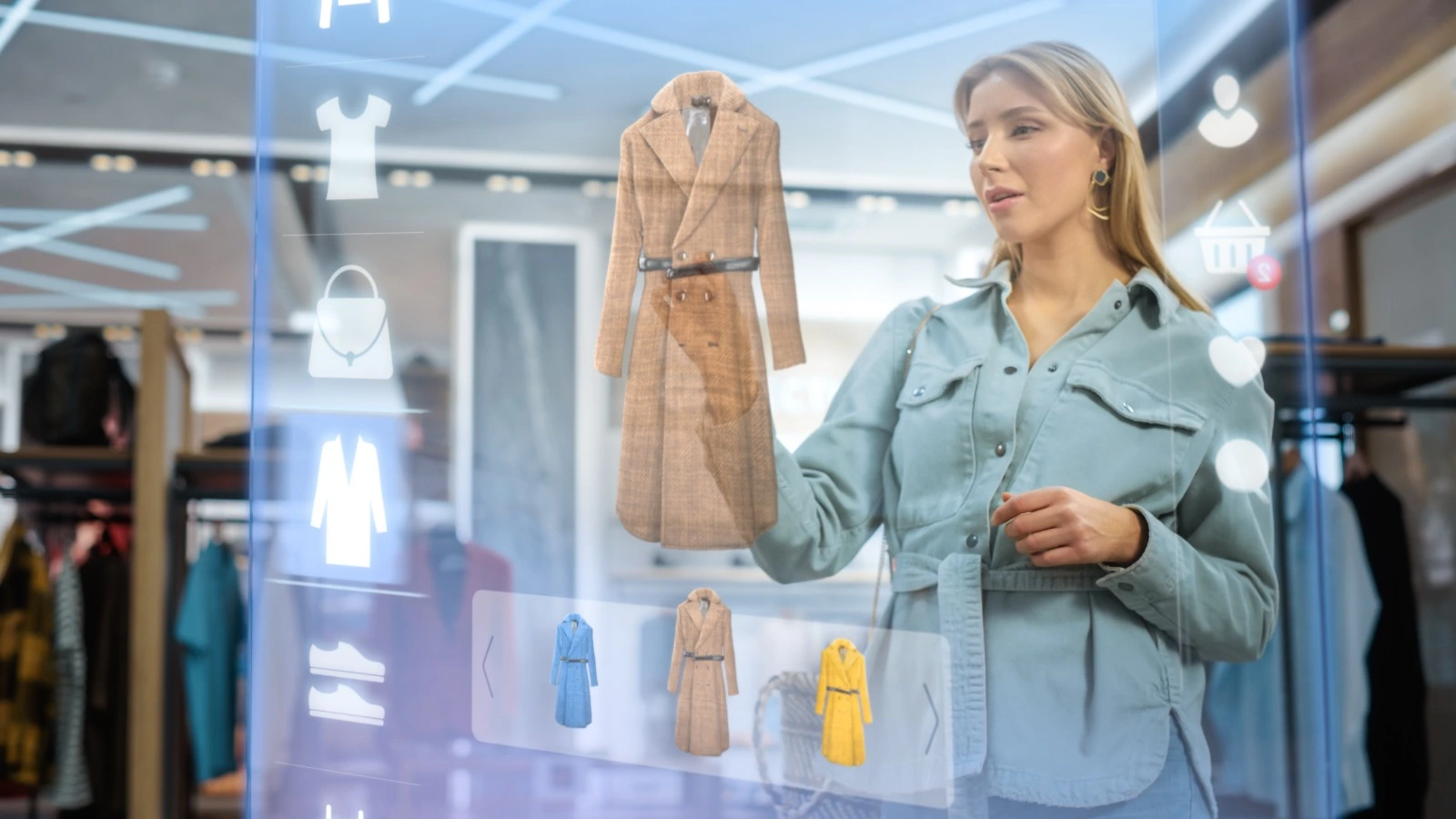
Sustainable Fashion Trends 2026 in the USA fashion market are being driven by conscious consumers who want stylish products without compromising environmental and social values. Today's shoppers in the United States care about where their clothing comes from, how it is produced, and what impact it has on the planet.
At the same time, sustainability is no longer a niche movement. It has become a mainstream purchasing factor across fashion, beauty, and lifestyle industries. Consumers are actively researching products before buying and are increasingly supporting brands that align with their values.
Moreover, advancements in technology and trend forecasting are helping brands understand changing consumer preferences faster than ever before. Therefore, sustainable fashion is evolving beyond eco-friendly messaging and becoming a key driver of future consumer demand.
Why Sustainable Fashion Matters More Than Ever in 2026
The fashion industry continues to face growing pressure from consumers, regulators, and environmental organizations.
For years, fast fashion has dominated the market by offering low-cost products and rapid trend cycles. However, consumers are becoming more aware of the environmental costs associated with overproduction, textile waste, and excessive resource consumption.
Consequently, many shoppers are changing their buying habits. Instead of purchasing large quantities of low-quality clothing, they are choosing products that offer durability, versatility, and long-term value.
Furthermore, social media has increased awareness around sustainability issues. Consumers now have easier access to information regarding sourcing, labor practices, and environmental impact. Therefore, transparency has become a major factor influencing purchasing decisions.
How Consumer Priorities Are Changing
Consumer priorities have shifted significantly in recent years.
Today’s shoppers want more than attractive designs. They want products that reflect their personal values while maintaining quality and style.
Additionally, consumers increasingly prefer brands that demonstrate a genuine commitment to sustainability rather than relying on marketing claims. As a result, authenticity plays a major role in building trust and loyalty.
This shift is encouraging companies to rethink product development, sourcing strategies, and overall business models.
The Rise of Conscious Consumerism
Conscious consumerism continues shaping the future of fashion.
Many consumers actively consider environmental and ethical factors before making purchases. Consequently, sustainable products are gaining popularity across multiple categories.
Moreover, younger generations are leading this movement. Gen Z and Millennials frequently support brands that prioritize sustainability, responsible sourcing, and social responsibility.
This growing awareness is influencing the direction of future fashion trends and purchasing behavior.
Sustainable Fashion Trends 2026

Several major trends are expected to shape the sustainable fashion landscape throughout the year.
Recycled Materials Are Becoming Mainstream in 2026
Recycled materials are no longer limited to niche fashion collections. In 2026, they have become a core part of mainstream fashion production, especially in the USA fashion market where sustainability demand is rising rapidly.
Key recycled materials include:
- Recycled polyester
- Regenerated nylon
- Post-consumer textile waste
These materials are widely used in everyday clothing, footwear, and accessories.
Why recycled materials matter:
- Reduce textile waste in landfills
- Lower environmental pollution
- Support circular fashion systems
- Maintain durability and product quality
As a result, consumers now have more sustainable fashion choices without compromising on style or performance.
Circular Fashion Gains Momentum
Circular fashion continues moving into the mainstream.
Unlike traditional production models, circular systems focus on extending product life cycles through reuse, repair, resale, and recycling.
Consumers increasingly appreciate the idea of maximizing product value while reducing waste. Therefore, brands are introducing take-back programs, repair services, and resale platforms.
This approach supports sustainability goals while creating new business opportunities.
Resale Fashion Continues to Grow
The resale market is experiencing rapid expansion.
Many consumers now purchase secondhand clothing as a way to reduce environmental impact and access unique products.
Additionally, resale platforms make it easier for consumers to buy and sell pre-owned fashion items.
As sustainability awareness increases, resale fashion is expected to remain one of the strongest trends in 2026.
Sustainable Activewear Attracts Consumer Interest
Activewear continues to evolve alongside sustainability initiatives.
Consumers increasingly seek performance apparel made from eco-friendly materials and responsible manufacturing processes.
Consequently, brands are investing in sustainable fabrics that offer comfort, durability, and environmental benefits.
This trend reflects growing consumer demand for products that support both personal wellness and environmental responsibility.
The Materials Driving Sustainable Fashion in 2026
Materials play a critical role in shaping sustainable fashion trends.
Consumers are paying closer attention to fabric choices and environmental impact.
Organic Cotton Remains a Leading Choice
Organic cotton continues to attract strong consumer demand.
Compared with conventional cotton production, organic farming practices often reduce chemical use and support healthier ecosystems.
As a result, many brands continue expanding their organic cotton product offerings.
Consumers appreciate the balance between comfort, quality, and sustainability.
Regenerative Materials Gain Attention
Regenerative agriculture is becoming increasingly important within the fashion industry.
Unlike traditional sourcing methods, regenerative practices focus on improving soil health, biodiversity, and ecosystem resilience.
Consequently, brands are exploring regenerative cotton, wool, and other natural fibers.
This approach supports environmental restoration while meeting consumer expectations for responsible sourcing.
Innovative Plant-Based Materials Expand
Plant-based materials continue attracting interest.
Consumers are increasingly interested in alternatives derived from agricultural byproducts and renewable resources.
These materials offer opportunities to reduce dependence on conventional production methods while supporting innovation.
As technology advances, plant-based textiles are expected to play a larger role in future fashion collections.
Transparency Becomes a Competitive Advantage
Transparency is becoming one of the most important factors influencing consumer trust.
Today's shoppers want clear information about sourcing, manufacturing, and sustainability efforts.
Consumers Want Supply Chain Visibility
Consumers increasingly expect brands to explain how products are made.
They want information about materials, production locations, labor practices, and environmental impact.
Therefore, companies that provide detailed transparency often build stronger relationships with consumers.
Digital Product Passports Gain Momentum
Digital product passports are emerging as valuable transparency tools.
These systems allow consumers to access information about a product's journey through the supply chain.
As sustainability regulations continue evolving, digital transparency solutions are expected to become more common.
Social Media and Sustainable Fashion
Social media continues to influence consumer awareness and purchasing behavior. Consumers in the USA fashion market are actively researching products before buying and are increasingly supporting brands that align with their values.
Platforms such as TikTok, Instagram, and Pinterest play a major role in shaping sustainable fashion conversations in the United States, where digital trends strongly impact buying decisions.
Sustainability Content Drives Product Discovery
Consumers increasingly discover sustainable brands through creator content, educational posts, and product reviews.
As a result, sustainability-focused content often influences purchasing decisions.
Fashion Influencers Promote Responsible Shopping
Many influencers now encourage mindful consumption, wardrobe longevity, and ethical purchasing decisions.
Consequently, sustainable fashion messages are reaching larger audiences than ever before.
How Technology Supports Sustainable Fashion
Technology is helping brands make smarter decisions.
AI Improves Demand Forecasting
Artificial intelligence helps businesses analyze consumer behavior, identify emerging trends, and reduce overproduction.
By improving forecasting accuracy, brands can better align inventory with actual consumer demand.
Fashion Forecasting Supports Sustainability
Accurate forecasting reduces waste by helping companies produce the right products at the right time.
This approach benefits both businesses and the environment.
As forecasting capabilities improve, sustainability and profitability become increasingly connected.
How Consumer Behavior Is Shaping Sustainable Fashion
Consumer behavior continues to influence the direction of sustainable fashion. People are becoming more selective about what they buy and why they buy it.
Rather than filling wardrobes with low-cost items that may only be worn a few times, many consumers are investing in versatile pieces that offer long-term value. Consequently, quality is becoming more important than quantity.
Understanding customers is just as important as analyzing runways. Consumer Behavior Trends in US show that shoppers now prefer quality over quantity. They want versatile clothing that works in multiple situations.
Consumers Prefer Quality Over Quantity
The idea of buying fewer but better products continues gaining popularity.
Consumers are recognizing that durable clothing often provides better value over time. As a result, brands focusing on craftsmanship and longevity are attracting greater attention.
Additionally, timeless designs are becoming more desirable because they remain relevant beyond a single season. This trend supports both sustainability goals and consumer spending priorities.
Versatile Wardrobes Drive Purchasing Decisions
Versatility has become a major purchasing factor.
Consumers want clothing that can be worn in multiple settings and styled in different ways. Therefore, capsule wardrobes and multifunctional fashion pieces continue gaining popularity.
This shift reduces unnecessary purchases while helping consumers maximize the value of each item they own.
The Role of Gen Z in Sustainable Fashion Trends 2026
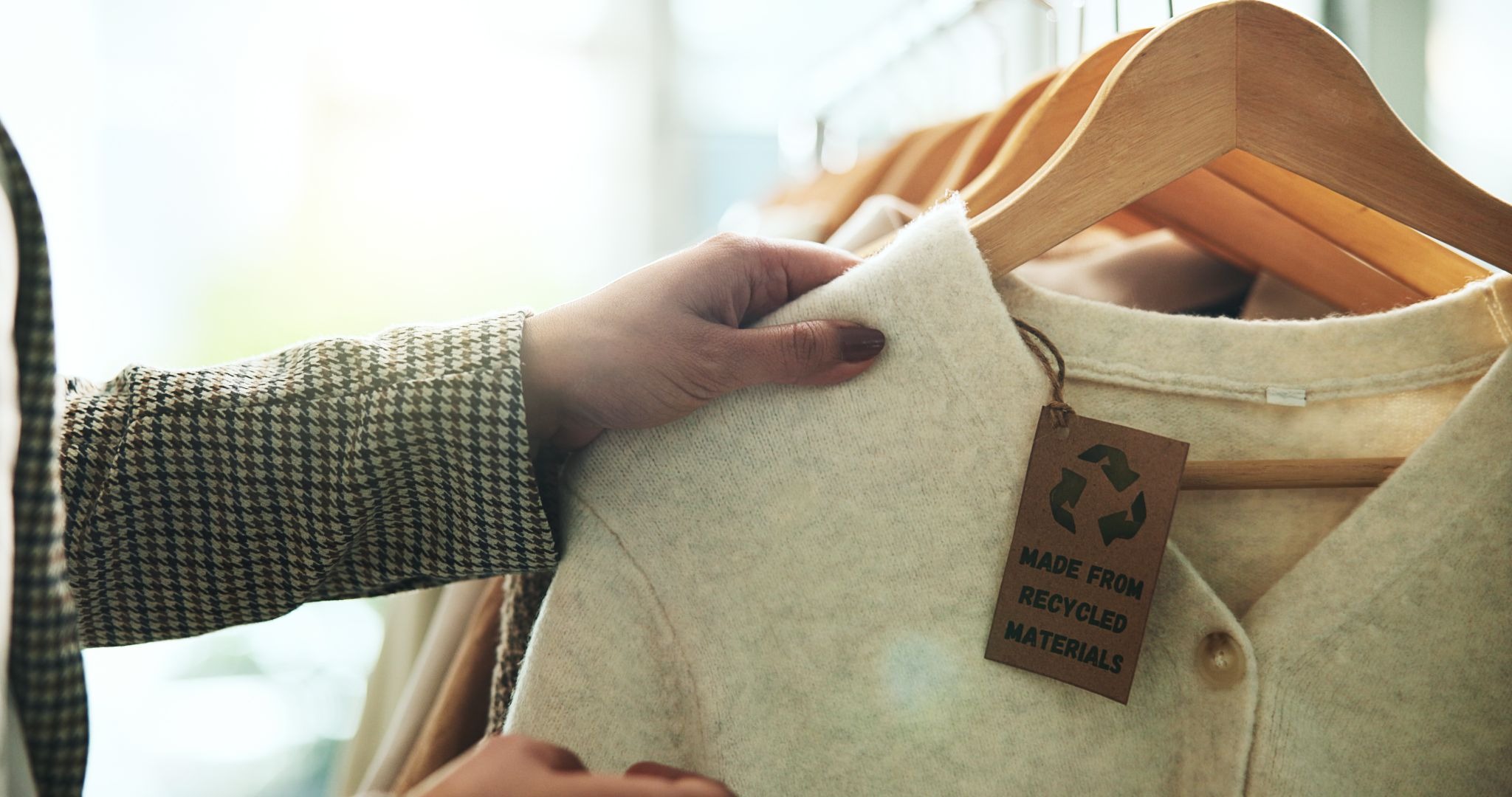
Gen Z continues to shape the future of sustainable fashion.
This generation places strong emphasis on environmental responsibility, ethical sourcing, and brand transparency. As a result, their purchasing behavior influences product development across the fashion industry.
Moreover, Gen Z consumers actively discuss sustainability online. They share product recommendations, review brands, and encourage responsible consumption practices.
Because of this influence, fashion companies are increasingly adapting strategies to meet Gen Z expectations.
Sustainability Influences Brand Loyalty
For many consumers, sustainability is no longer optional.
Brands that demonstrate meaningful environmental commitments often build stronger loyalty among younger shoppers.
Furthermore, consumers are more likely to support businesses that align with their values and communicate openly about their sustainability efforts.
Gen Z Supports Ethical Fashion Brands
Ethical production practices remain important.
Consumers want reassurance that workers are treated fairly and that products are manufactured responsibly.
Therefore, brands that prioritize ethical standards often gain a competitive advantage in today's market.
Challenges Facing Sustainable Fashion Brands
Despite growing demand, sustainable fashion brands face several challenges.
Higher Production Costs
Sustainable materials and responsible manufacturing practices can increase production costs.
As a result, some sustainable products carry higher price points than conventional alternatives.
However, many consumers are willing to pay more when they understand the long-term value and environmental benefits.
Greenwashing Concerns Continue to Grow
Consumers are becoming increasingly skeptical of vague sustainability claims.
Therefore, brands must provide clear evidence to support marketing messages.
Transparency, certifications, and measurable goals help build trust and reduce concerns about greenwashing.
Educating Consumers Remains Essential
Sustainability can be complex.
Many consumers still need guidance regarding materials, certifications, and environmental impact.
Consequently, education plays an important role in helping shoppers make informed decisions.
What Fashion Brands Should Do Next
Brands that want to succeed in 2026 must combine sustainability with innovation, transparency, and consumer understanding.
Invest in Sustainable Innovation
Innovation remains critical.
Brands should continue exploring new materials, circular business models, and environmentally responsible production methods.
These investments support both sustainability goals and long-term competitiveness.
Improve Transparency Across Operations
Consumers increasingly expect visibility into sourcing and manufacturing practices.
Therefore, brands should provide accessible information about supply chains, materials, and sustainability initiatives.
Greater transparency helps strengthen consumer confidence and brand reputation.
Use Data to Understand Consumer Demand
Consumer preferences continue evolving.
Businesses that monitor purchasing behavior, social conversations, and emerging trends can make more informed decisions.
As a result, they are better positioned to meet future demand while reducing waste.
The Future of Sustainable Fashion Beyond 2026
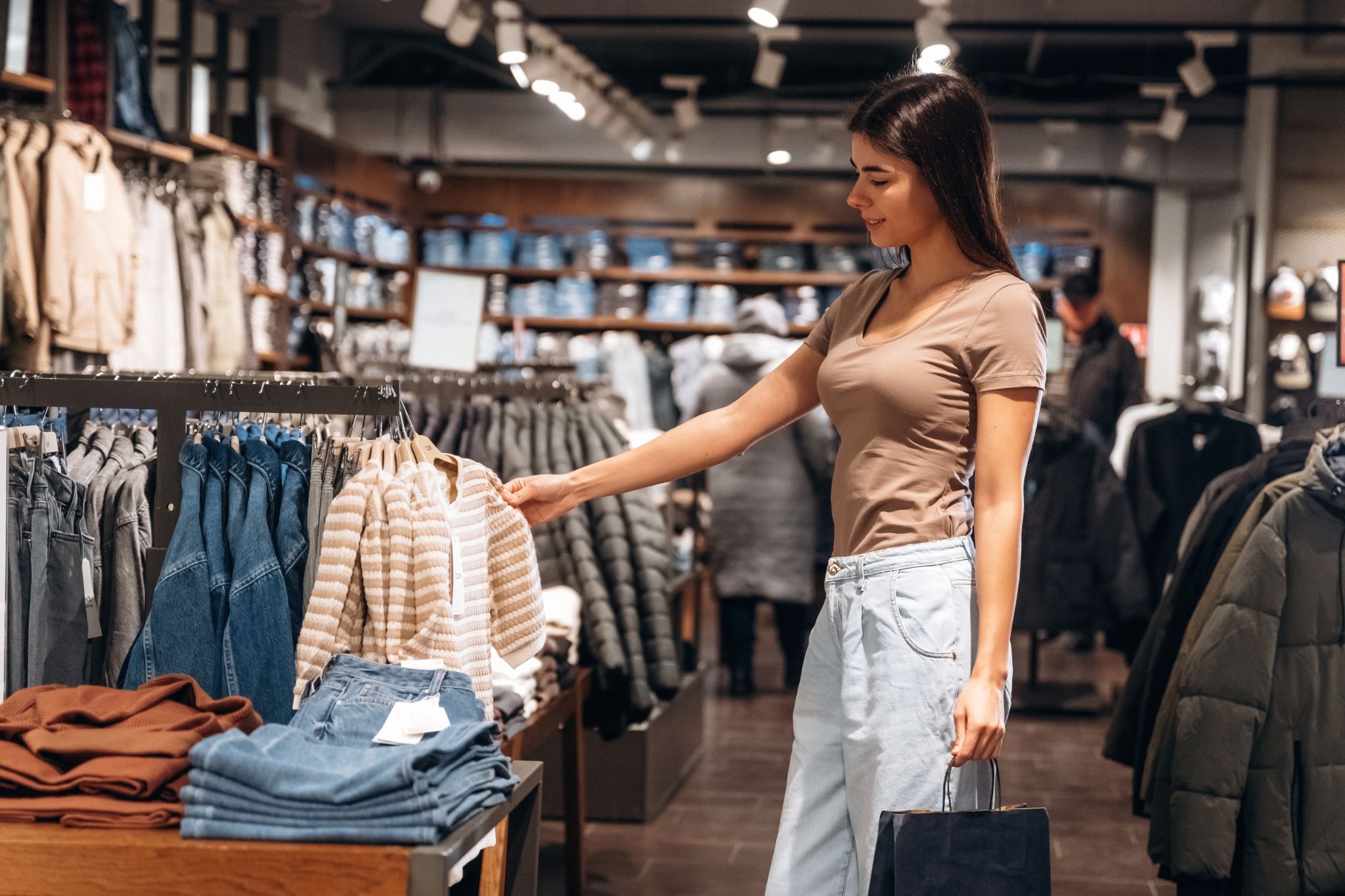
The future of fashion will be shaped by innovation, technology, and responsible business practices.
Consumers are expected to place even greater emphasis on sustainability, transparency, and product longevity.
Today, forecasting is no longer based only on intuition or fashion shows. With AI Trend Forecasting tools, experts analyze huge amounts of data from runways, social media, retail sales, and online searches. This approach gives a clearer picture of future fashion directions and customer preferences.
Sustainability Will Become a Standard Expectation
Consumers increasingly view sustainability as a basic requirement rather than a unique selling point.
Therefore, brands that fail to adapt may struggle to remain competitive.
In contrast, companies that integrate sustainability into core business operations will likely experience stronger growth opportunities.
Technology Will Accelerate Sustainable Innovation
Technology will continue improving supply chain visibility, forecasting accuracy, and material innovation.
These advancements will help brands reduce waste, improve efficiency, and better meet consumer expectations.
As a result, technology will remain a key driver of sustainable fashion growth.
Conclusion
Sustainable Fashion Trends 2026 in the United States show a clear shift toward responsible consumption and circular fashion systems. Today's consumers want products that combine style, quality, and sustainability without compromise.
Moreover, younger generations are accelerating the demand for ethical and environmentally responsible fashion. As awareness continues to grow, brands must move beyond marketing claims and demonstrate genuine commitment through measurable action.
Contact us today. Use data-powered insights and AI tools to plan smarter collections, reduce risk, and meet customer expectations before trends peak.
FAQs
- What are the biggest Sustainable Fashion Trends 2026?
The biggest trends include circular fashion, resale fashion, recycled materials, regenerative sourcing, sustainable activewear, digital product passports, and transparent supply chains. These trends reflect growing consumer demand for environmentally responsible products and ethical business practices.
- Why are consumers buying more sustainable fashion in 2026?
Consumers are becoming more aware of environmental issues, textile waste, and ethical production concerns. As a result, many shoppers prefer brands that prioritize sustainability, transparency, and long-term product quality.
- What materials are driving sustainable fashion trends?
Organic cotton, recycled polyester, regenerated nylon, regenerative fibers, and innovative plant-based materials are among the most influential materials shaping sustainable fashion in 2026. These materials help reduce environmental impact while maintaining product performance.
- How does circular fashion support sustainability?
Circular fashion extends product life cycles through resale, repair, reuse, and recycling. This approach reduces waste, conserves resources, and helps consumers maximize the value of their purchases.
- How is technology helping sustainable fashion brands?
Technology improves demand forecasting, supply chain visibility, inventory management, and material innovation. These advancements help brands reduce waste, improve efficiency, and make more sustainable business decisions.
- Will sustainable fashion continue growing after 2026?
Yes. Consumer awareness, regulatory pressure, technological innovation, and environmental concerns are expected to drive continued growth. Sustainability is becoming a long-term industry shift rather than a temporary trend.
Get ahead and stay
ahead with AI-powered trend forecasting.
Request a demo. Our AI tools are unmatched in the marketplace for predictive data and trend forecasting.