
The 7-Point Rule: TikTok's Viral Styling Method
.webp)
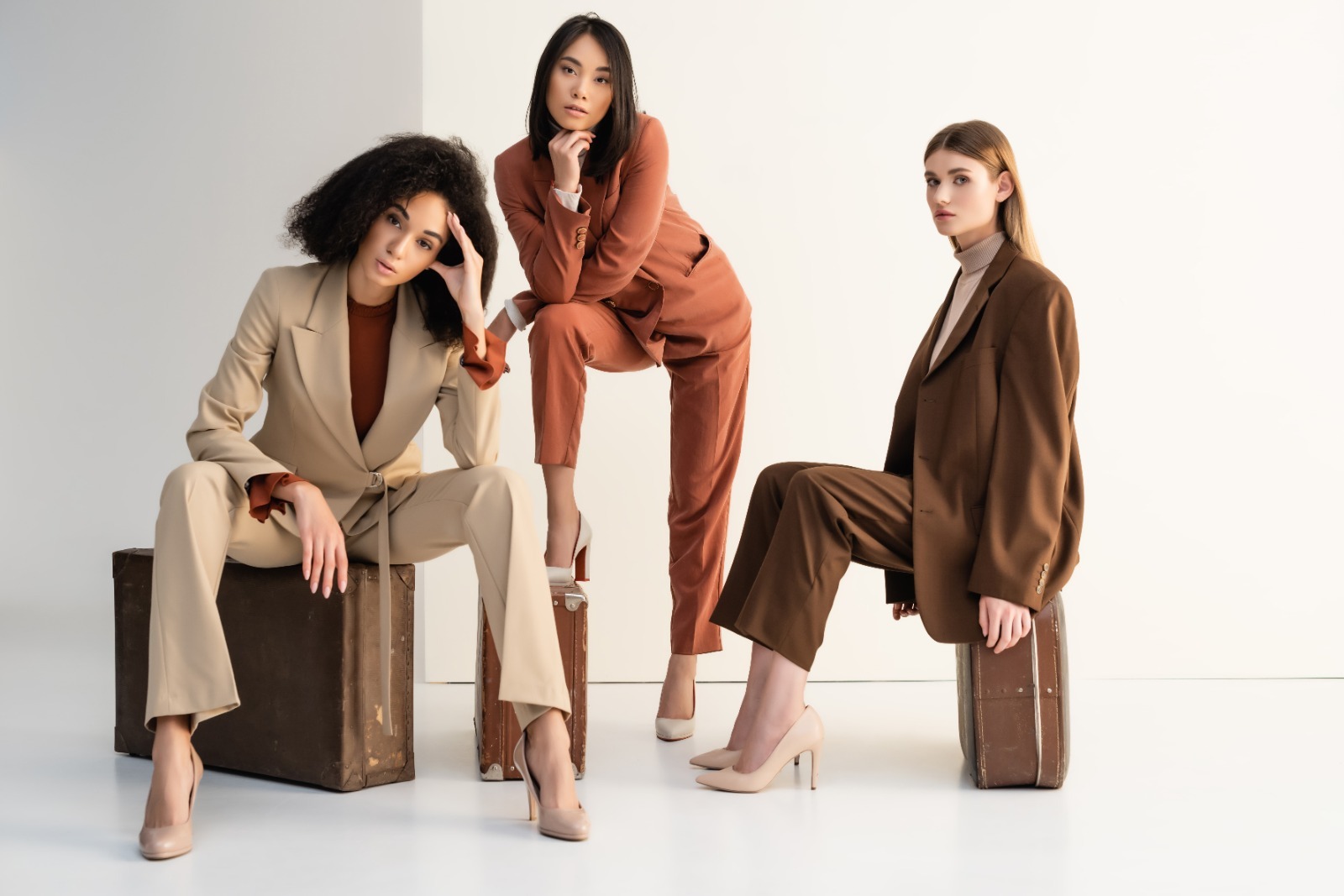
THE 7-POINT RULE is a simple outfit-scoring trick: give each piece you're wearing 1 or 2 points, and aim for a total around 7. It's become a viral TikTok styling method, and it's found an audience among USA shoppers looking for simple ways to make everyday outfits feel more intentional. It actually works without requiring any fashion background.
Here's exactly how the scoring works, where the method came from, and how to use it without turning getting dressed into homework.
What Is the 7-Point Rule?
The 7-point rule assigns a point value to every item in an outfit, then adds them up. Basic pieces are worth 1 point. Statement pieces are worth 2 points. The goal is a total somewhere around 7, though most creators treat 7 to 10 as the comfortable range rather than one exact number.
A plain top, solid jeans, and simple shoes usually add up to just 3 points on their own, which is why most outfits need at least one or two more interesting pieces to feel finished. The 7-point rule isn't a rigid law. It's a quick gut-check for whether an outfit has enough going on, or too much.
Where Did the 7-Point Rule Come From?
The 7-point rule gained traction on TikTok, where creators started sharing short videos explaining and demonstrating the scoring system. Creator Sreya Halder posted one of the videos widely credited with popularizing the method, breaking down how to assign point values to different pieces.
Other creators helped the idea spread and stick. Kayla Ryan answered follower questions about how the scoring actually works in practice, and creator @wearwithval posted detailed outfit breakdowns showing the point math on real looks, down to half-points for small details.
There isn't one single, universally agreed-upon inventor of the concept. It's the kind of styling idea that spread and evolved across many creators' videos rather than starting from one documented source, which is fairly typical for how outfit-formula trends move through social media.
How to Score Your Outfit
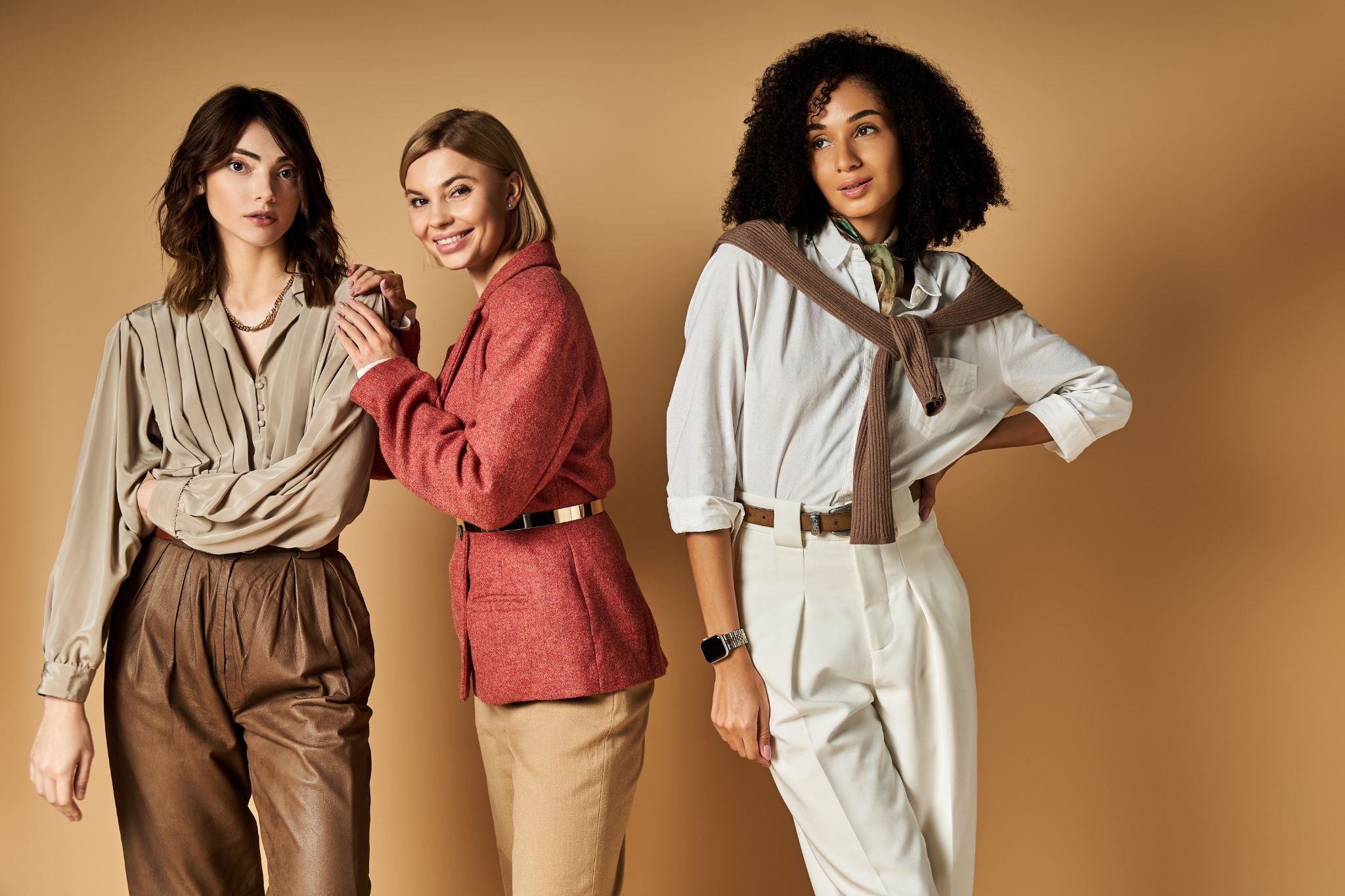
1-Point Items
These are your basics: a plain t-shirt, solid-colored jeans, simple sneakers, a classic blazer with no embellishment, delicate everyday jewelry. If it's neutral, simple, and wouldn't stand out on its own, it's a 1-point piece.
2-Point Items
These are your statement pieces: bold prints, interesting textures, an oversized or unusual silhouette, bright or unexpected color, chunky or eye-catching jewelry. If it's the piece someone would ask you about, it's probably 2 points.
A Quick Scoring Example
Plain white tee (1) + straight-leg jeans (1) + simple sneakers (1) = 3 points. Add a printed jacket (2) and a chunky necklace (2), and the total lands at 7. That's the whole method in action: basics build the base, a couple of standout pieces close the gap.
How to Apply the 7-Point Rule by Category
Every category follows the same 1-point or 2-point logic. Here's how it breaks down piece by piece.
Tops
A solid tee or basic button-down is 1 point. A patterned blouse, sequined top, or anything with strong texture is 2 points. Pairing a 2-point top with simple bottoms keeps the outfit from tipping into busy.
Bottoms
Straight-leg jeans or plain trousers sit at 1 point. Wide-leg patterned pants, a bubble-hem skirt, or anything with an unusual cut is 2 points. If your top is already a 2-point piece, a 1-point bottom usually balances it out.
Dresses & Jumpsuits
A solid-colored slip dress or simple jumpsuit is 1 point on its own, since it's replacing both a top and bottom. A printed, textured, or dramatically shaped dress counts as 2, and often doesn't need much else to hit 7.
Shoes
Classic sneakers, simple flats, or plain loafers are 1 point. Anything with texture, an unusual shape, or a bold color, animal print loafers, or statement boots is 2 points.
Accessories
Simple jewelry, a plain belt, or basic sunglasses count as 1 point, and multiple small pieces of jewelry are often counted together as a single point rather than stacked individually. A structured statement bag, an oversized necklace, or bold sunglasses can bump up to 2.
Layers & Outerwear
A plain cardigan or classic denim jacket is 1 point. A textured coat, patterned blazer, or anything with a strong silhouette counts as 2, and often does enough visual work that you don't need many other 2-point pieces in the same outfit.
Try the 7-Point Rule: A Quick Outfit Checklist

1. Start with your basic pieces: top, bottom, shoes.
2. Give each item in your outfit 1 or 2 points based on how much visual interest it adds.
3. Add up your total.
4. If the outfit feels flat or under-styled, add one more visual-interest piece.
5. If it feels busy or chaotic, remove one statement element and let something simpler take its place.
Why the 7-Point Method Works
The 7-point rule works because it turns a vague feeling, does this outfit look finished? into something concrete you can actually check. That's useful when you're staring into a closet and can't tell if something's missing.
It also nudges people away from either extreme: an outfit that's all basics and reads as an afterthought, or one so loaded with statement pieces it feels chaotic. Landing in the middle tends to read as intentional, which is really the whole goal.
There's a broader shift behind why methods like this resonate right now. More shoppers are gravitating toward fewer, more versatile pieces they can style multiple ways, rather than constantly chasing whatever's trending that week, a trend forecasting tools like Trendalytics watch closely because it shapes what actually sells.
Common Mistakes With the 7-Point Rule
- Treating 7 as a strict requirement instead of a rough guide, some great outfits land at 6 or 8.
- Giving every single piece 2 points, which usually means the outfit needed editing, not more points.
- Scoring pieces individually without stepping back to look at the outfit as a whole.
- Adding accessories just to hit a number rather than because the outfit actually needed them.
- Assuming an item is always worth the same points, a print that's a 2 in one outfit might read as more neutral next to bolder pieces in another.
Final Takeaway
The 7-point rule isn't a strict formula; it's a quick way to check whether an outfit has enough going on without tipping into too much. Start with your basics, add a piece or two with real visual interest, and trust your eye more than the exact number.
It's also a small window into a bigger pattern Trendalytics tracks across USA shoppers: a preference for styling systems that work with what's already in a closet, rather than constantly buying into whatever's trending that week.
Want to see the trends behind what shoppers are wearing? Explore Trendalytics to discover the data and insights shaping today's fashion market.
FAQs
1. What is the 7-Point Rule in fashion?
It's a styling method where each item in an outfit is scored 1 or 2 points based on how much visual interest it adds, with a total around 7 considered balanced.
2. How do you calculate the 7-Point Rule?
Add up the points for every piece you're wearing; basics count as 1, statement pieces count as 2, and check whether your total lands close to 7.
3. What counts as a 1-point item?
Simple, neutral basics: a plain top, solid-colored bottoms, classic shoes, or understated jewelry.
4. What counts as a 2-point item?
Statement pieces: bold prints, strong textures, unusual silhouettes, bright colors, or chunky accessories.
5. Is the 7-Point Rule actually 7 or 8 points?
Most creators treat 7 to 10 as the workable range rather than one exact number, so 8 or 9 works just as well as 7.
Get ahead and stay
ahead with AI-powered trend forecasting.
Request a demo. Our AI tools are unmatched in the marketplace for predictive data and trend forecasting.