
Top 15 Workwear Fashion Trends That Will Define 2026
.webp)
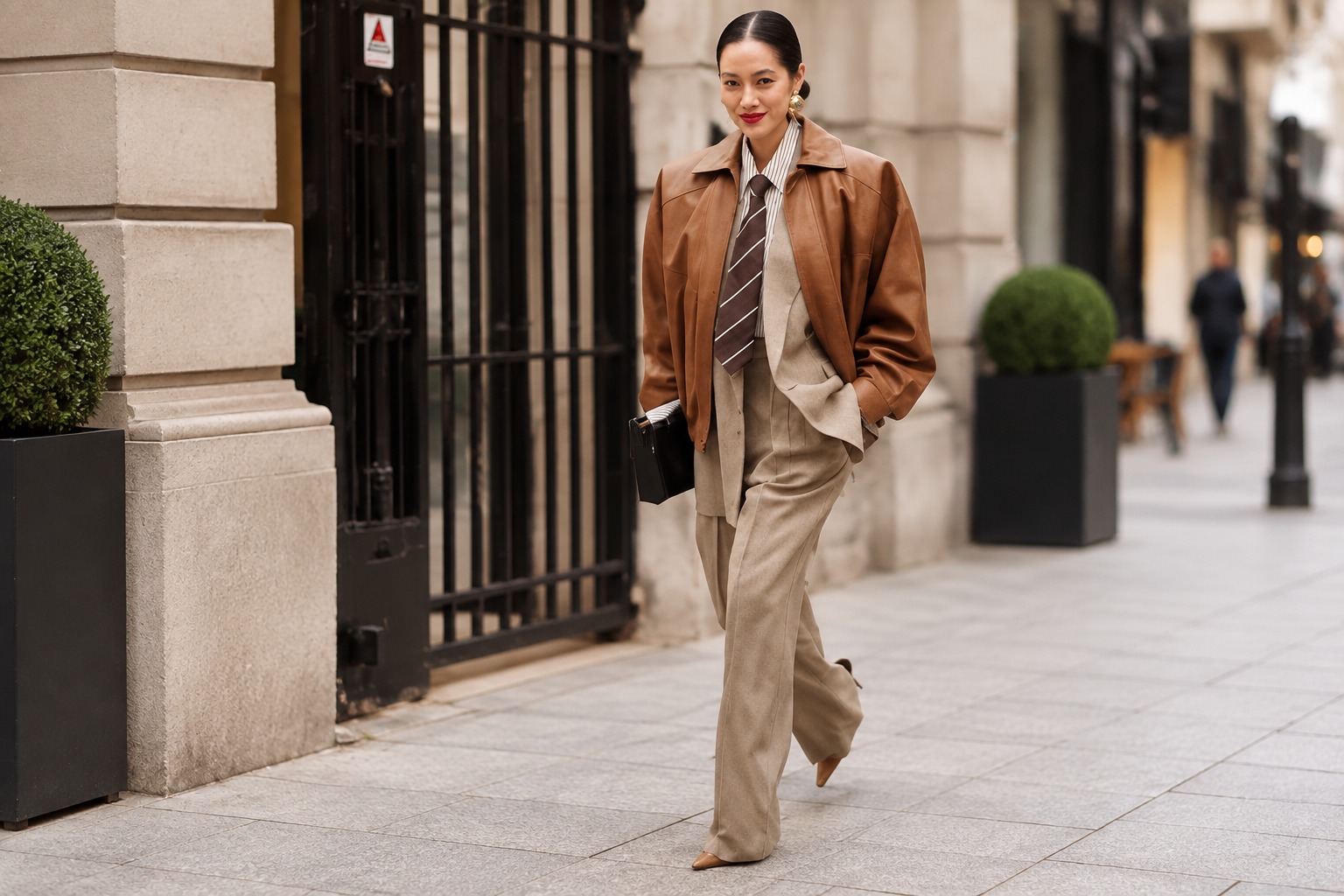
Workwear fashion trends in 2026 mark a real shift: the ultra-casual, work-from-home aesthetic that dominated for years is giving way to sharper, more intentional office dressing. This isn't a return to rigid corporate uniforms. It's something more considered: comfort and polish, finally working together instead of against each other.
Trendalytics tracked this shift across search behavior, product movement, and runway signals well before most workwear roundups caught on. Some of these 15 trends are already peaking. Others are just beginning to build. Knowing the difference matters if you're planning a season ahead rather than reacting to what's already saturated.
How Trendalytics Picked These Workwear Trends
Most workwear lists borrow from a single source and repackage it. Trendalytics took a different approach, forecasting this list from three signals instead of one, using the same trend forecasting technology behind our broader trend analysis:
- Search behavior around specific workwear pieces and styling terms
- Runway and street style coverage across multiple independent fashion sources
- Product movement and demand signals across US retailers
A trend only earned a place here if it showed up across more than one of these signals, not just a single editor's opinion dressed up as a forecast.
That process also meant reconsidering trends that seemed obvious at first glance. Office siren, for instance, gets dismissed by some outlets as already fading. Our research told a different story: the aesthetic has matured well past its 2024 origins, and it's still one of the most searched workwear looks heading into 2026.
The 15 Workwear Fashion Trends Defining 2026
These workwear 2026 trends were forecasted by Trendalytics using real search, runway, and retail signals, not a single source's guesswork. Each one below was predicted by Trendalytics, a trend forecasting tool, before making this list, so what you're seeing is backed by actual movement, not just opinion.
Here are all 15 trends with added depth, formatted as H3 headings:
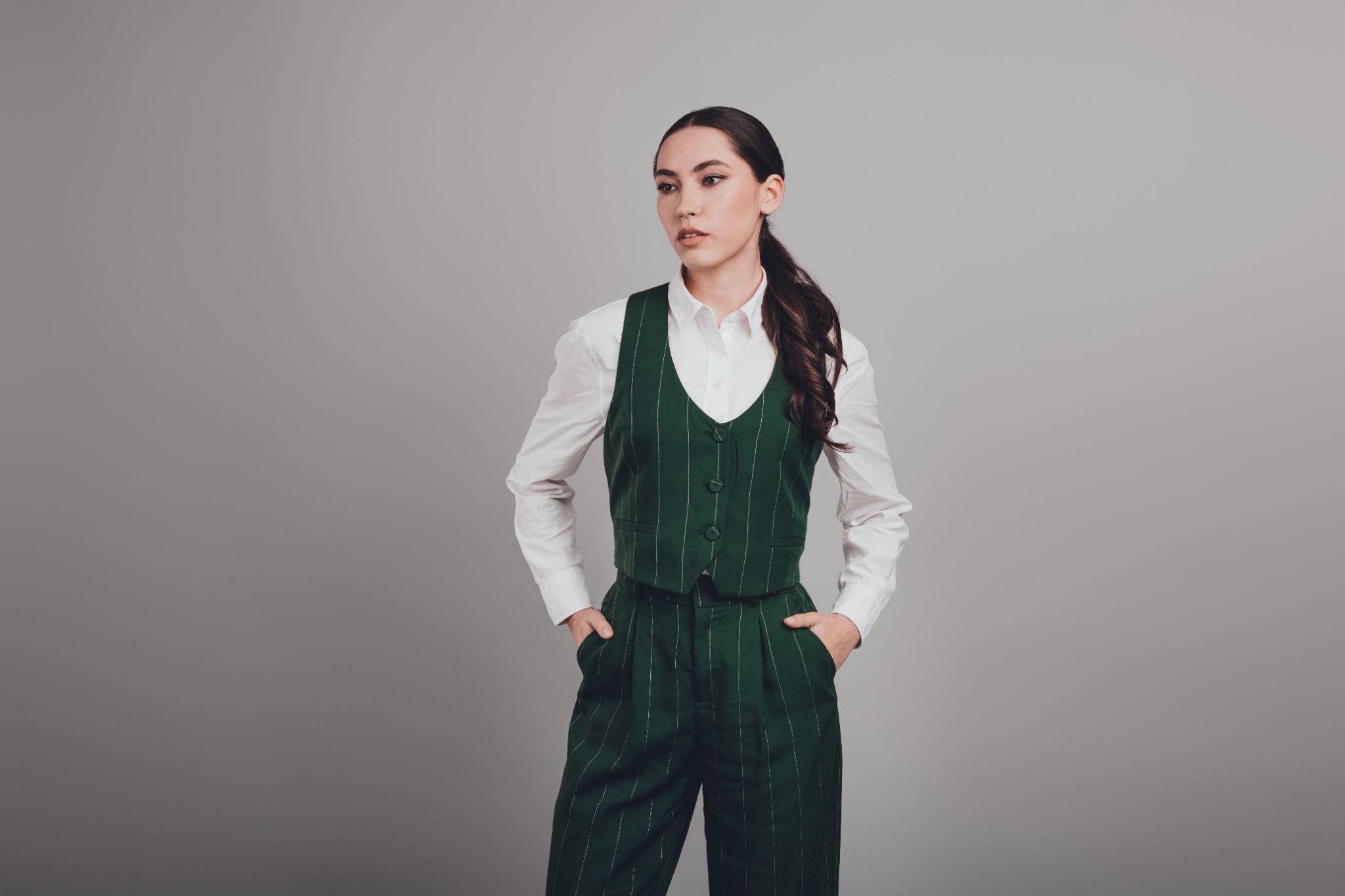
Waistcoat Takeover
The standalone waistcoat has become one of the year's hardest-working pieces, sharp enough for the boardroom, relaxed enough to layer over a simple shirt after hours. What sets this apart from past vest trends is that it's being worn as the main layering piece, not a throwaway accessory tucked under a blazer. Pair a fitted vest with tailored trousers for polish without a full suit's formality, or layer it over a crisp white shirt for a slightly more relaxed take. For brands, this is a rare workwear item selling as a solo statement piece rather than half of a matching set, which makes it easier to merchandise on its own.
Soft Tailoring & Relaxed Suiting
Stiff, structured suiting is giving way to fluid lines and relaxed shapes that move with the body instead of against it. This isn't the same as abandoning tailoring altogether; the shapes are still considered, just less rigid in construction. A deconstructed blazer paired with wide-leg trousers delivers the same authority with far more comfort, and unstructured shoulders in particular are showing up across multiple runway collections this year. This shift reflects a broader move away from rigid corporate dress codes toward wearability, and it's one of the clearest signs that comfort is no longer treated as a compromise.
Glove Pumps
After several seasons dominated by loafers and flats, the pump is back, reimagined with a sleek, high-vamp construction that hugs the foot like a second skin. The name comes from how closely the shoe fits, almost like a leather glove rather than a traditional stiff heel. Pair one in a rich color or texture with tailored trousers for a modern, considered finish, or let it anchor a monochrome outfit where the shoe becomes the standout detail. Footwear this specific tends to signal a broader silhouette shift across an entire category, and its return suggests office dressing is embracing more deliberate, sculptural pieces again.
Wide-Leg Pleated Trousers
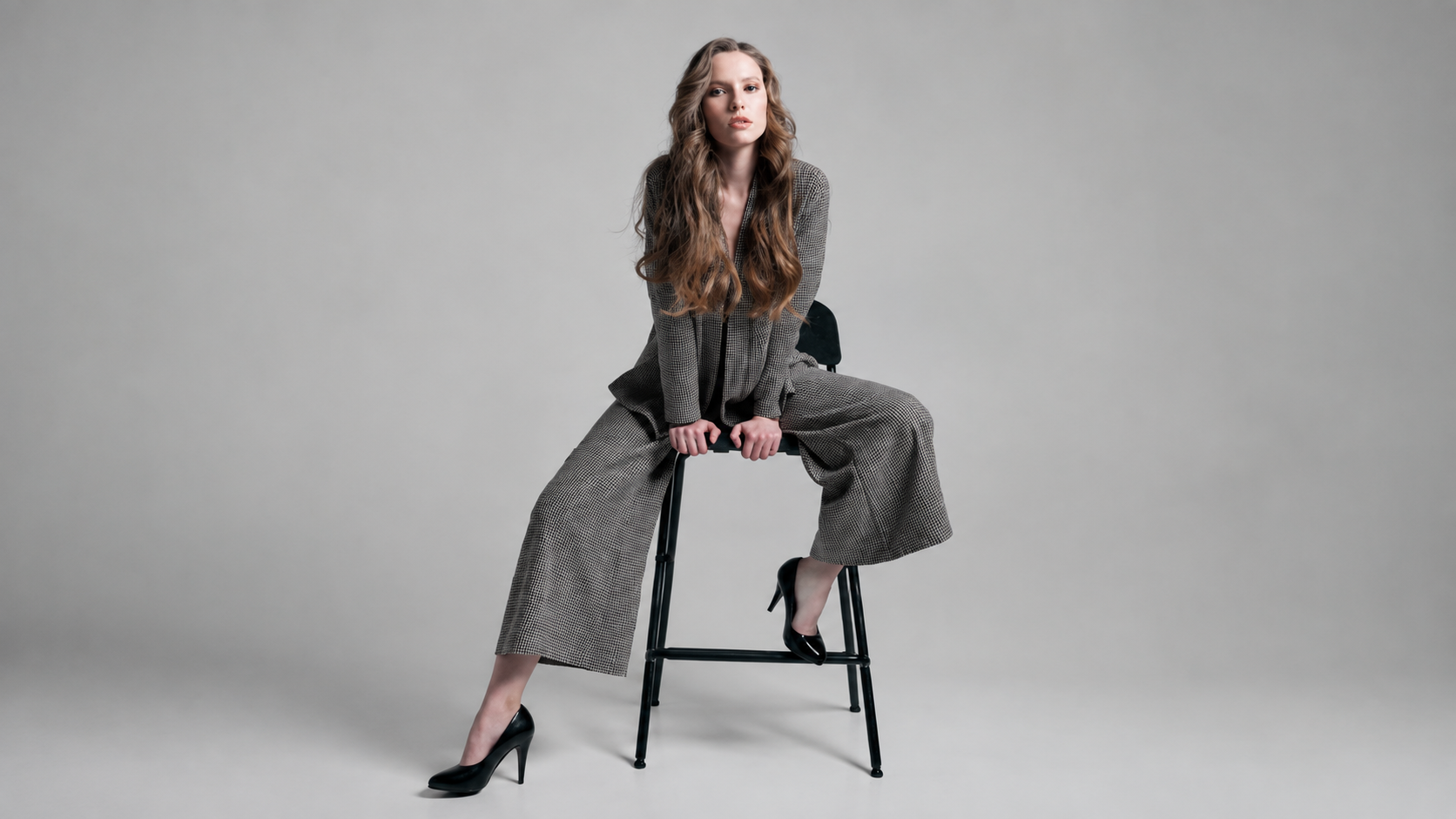
Skinny trousers are no longer the default. Wide-leg, pleated cuts have taken over as the new professional standard, offering movement and all-day comfort without sacrificing polish. The pleating detail specifically is what separates this from a simple loose trouser; it adds structure at the waist while letting the leg fall freely. Pair them with a fitted top to balance the proportions, since a loose top on top of wide-leg trousers can read as oversized rather than intentional. This is one of the most consistently confirmed shifts across every source we tracked, which makes it close to a safe bet for the season.
The Cardigan as a Power Layer
Cardigans have moved beyond simple layering pieces into standalone statement tops, often replacing the blazer entirely. This shift is partly about comfort and partly about versatility; a well-made cardigan can go from a video call to an in-person meeting without needing a jacket on top. A fine-knit cardigan buttoned over a collared shirt reads as considered, not casual, especially in a rich or unexpected color. It's a small shift with real reach; brands selling elevated knitwear are seeing this category outperform structured jackets, which says a lot about where buyer priorities have moved.
Grown-Up Color Blocking
Muted neutrals are sharing space with richer, more mature tones, lilac, terracotta, forest green, and wine red among them. This isn't the loud, primary-color blocking of past trend cycles; the palette here leans more sophisticated and considered. Pairing two considered colors in one outfit reads as intentional rather than loud, especially when one color anchors the outfit and the second appears in a smaller piece like a bag or shoe. This marks a real departure from the beige-dominant "quiet luxury" era of the past few years, and it's giving brands more room to differentiate through color again.
Corporate Goth
Darker, moody palettes and structured black silhouettes are carving out their own space in office dressing, often incorporating sheer elements or sharp tailoring for drama. The look draws on both traditional corporate tailoring and a slightly rebellious, alternative edge, which is part of why it's resonating with a younger workforce. A structured black blazer with a sheer blouse underneath captures the look without tipping into evening wear, and adding a single sharp accessory, like a structured bag, keeps it grounded in office-appropriate territory. This trend performs strongest in creative and design-forward workplaces, where dress codes leave more room for personality.
Structured Minimalism
Clean lines, restrained accessories, and deliberate proportions define this quieter counterpart to louder trends on this list. Where other trends lean into color or texture, this one relies entirely on cut and fit to make its statement. A single well-cut blazer with no ornamentation does more work than a heavily accessorized outfit, and the difference often comes down to how precisely a garment is tailored to the body. This is the trend least likely to fade quickly, since minimalism tends to have a longer shelf life than statement pieces, making it a safer long-term investment for both shoppers and buyers.
Year-Round Linen
Linen has moved past its warm-weather limits into a genuine year-round workwear fabric, often integrated into structured layers for cooler months. This shift is partly practical, linen wrinkles less dramatically than it used to, thanks to updated weaves and blends, and partly stylistic, since the texture adds visual interest to a fall or winter outfit. A linen blazer worn over a fine knit works even as temperatures drop, and pairing it with heavier trousers or boots keeps the whole look seasonally appropriate. Brands extending linen into fall and winter collections are capturing demand that used to disappear after summer, effectively adding an extra buying season to a fabric that used to be seasonal.
WFH-to-Office Hybrid Capsule
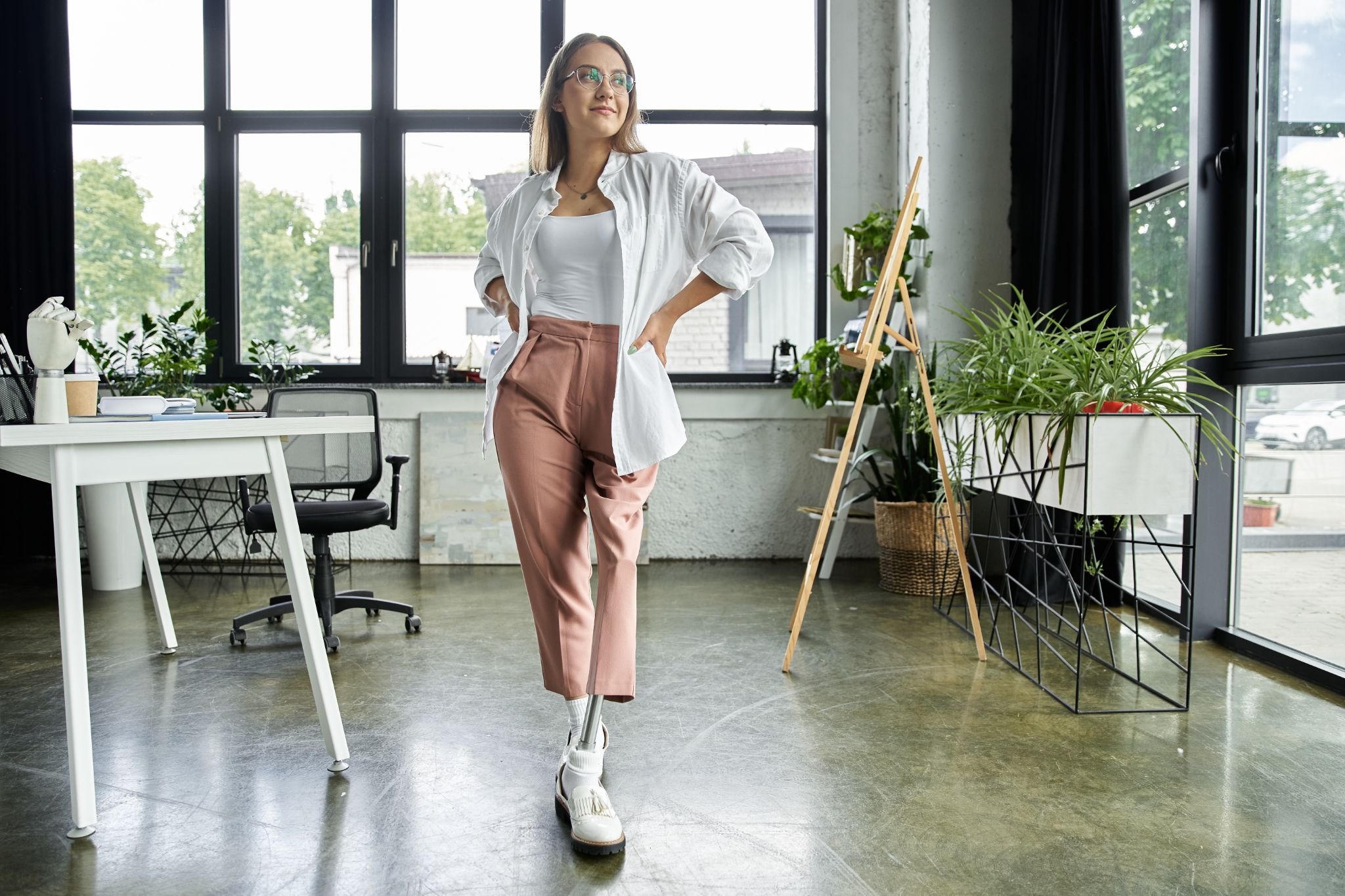
As hybrid schedules become permanent rather than temporary, wardrobes are adapting to pieces that move seamlessly between a video call and a commute. This isn't about one specific garment so much as an approach to building a wardrobe around versatility. A knit polo with tailored trousers works in both settings without a wardrobe change, and pieces that photograph well from the waist up on camera but still hold up for an in-person meeting are in particularly high demand. This isn't a passing trend; it reflects a structural shift in how often people are actually in an office, and it's likely to keep shaping buying patterns well past 2026.
Heritage Workwear Crossover
Classic utility details — chore coats, workwear jackets, sturdy stitching —are blending into high-fashion tailoring. The appeal here is contrast: rugged, functional details paired with otherwise polished pieces create a look that feels both practical and considered. A chore coat worn over a blouse and trousers reads as intentional rather than casual, especially in creative office settings where a slightly unexpected outerwear choice signals personal style. This crossover works best where dress codes already lean relaxed, since more traditional corporate environments are slower to adopt utility-inspired pieces.
Statement Shirts
The basic office button-down has been replaced by something with more personality, bold prints, textured fabrics, and unexpected details like contrast collars or 3D texture. This shift is largely about giving one of the most commoditized workwear categories some actual differentiation. A statement shirt worn on its own, without a blazer, still reads as polished, which makes it a flexible piece across more casual and more formal office settings alike. This trend gives brands room to differentiate in a category that's historically been commoditized, and it's one of the easier trends for a shopper to try without a big investment.
Office Siren, Evolved
The aesthetic that defined 2024 and 2025 hasn't disappeared;d, it's matured. Sharp button-downs, fitted skirts, and retro-inspired glasses remain, but the execution has softened, replacing costume-like styling with something genuinely wearable for a real office. Pair a fitted blazer with a slim skirt and structured accessories, keeping sheer or strategic details minimal for traditional office settings, or lean into them more heavily for creative workplaces with looser dress codes. This trend still generates significant search volume, making it one to watch rather than dismiss, especially since its staying power has already outlasted several other TikTok-driven aesthetics from the same period.
Statement Midi Skirts
A-line, slit, and textured leather or suede midi skirts are returning to regular rotation, offering a polished alternative to trousers. The texture is doing a lot of the work here; a plain midi skirt reads as basic, while leather, suede, or a subtle slit adds enough interest to function as a statement piece on its own. Pair one with a simple knit top to let the skirt's texture stand out, rather than competing with it. This trend performs particularly well paired with the heritage workwear crossover above, since both lean on texture and material contrast rather than color or print.
Functional Square-Toed Flats
Practical, polished flats are replacing the higher heels that once dominated office footwear, without sacrificing a sharp finish. The square toe specifically differentiates this from the rounder, more casual flats of past seasons, giving the shoe a more architectural, considered look. A square-toed flat pairs cleanly with both trousers and skirts, and it works particularly well with the wide-leg trouser trend above, since both silhouettes favor clean, structured lines. This shift reflects the same comfort-first philosophy driving several other trends on this list, reinforcing that comfort and polish are no longer treated as opposites.
Where These Trends Fit
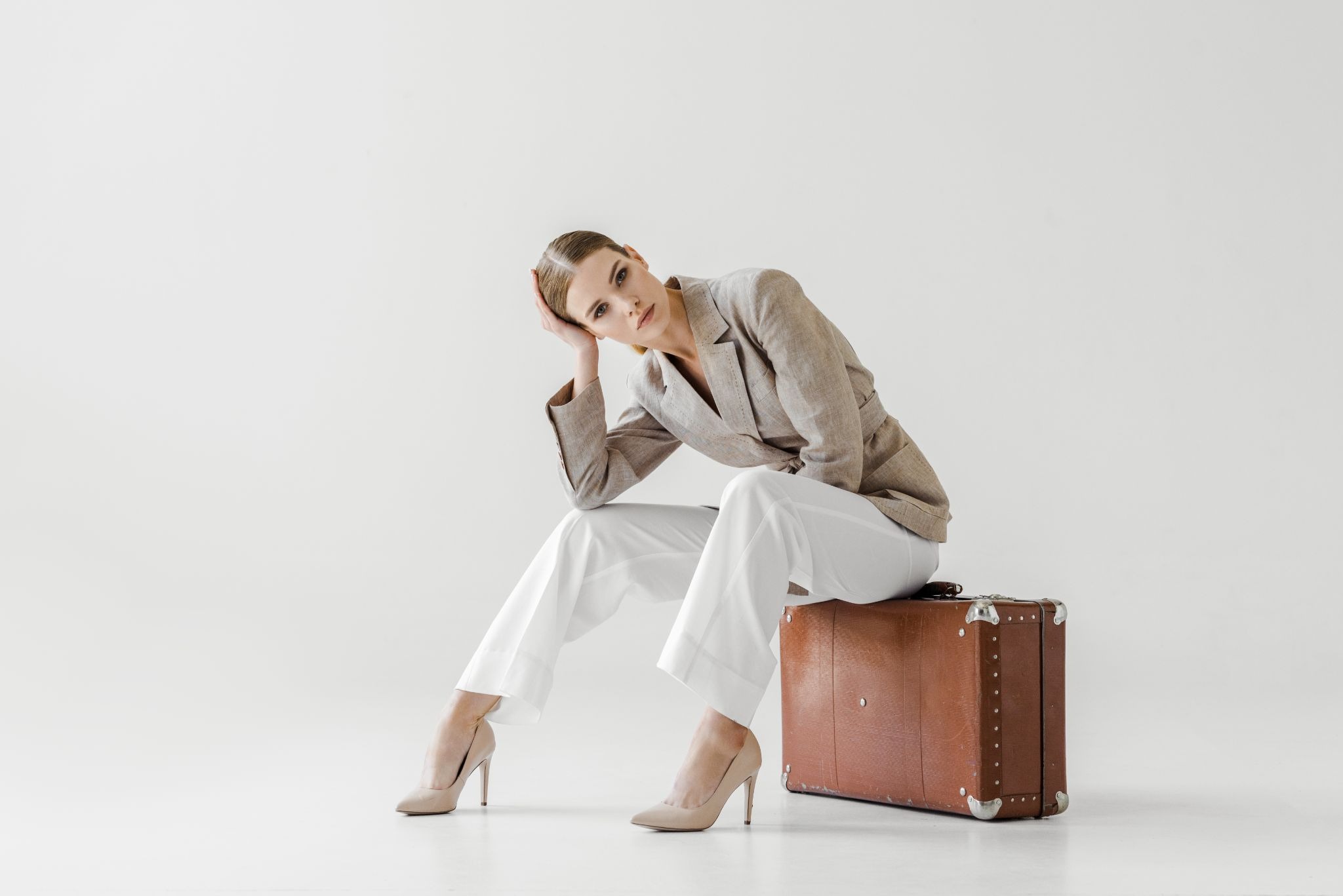
With 15 trends in play, it helps to see how they group together rather than treating each one as a standalone pick. Most of these fall into one of four broader categories, which makes it easier to spot patterns across the list:
- Tailoring, waistcoats, soft suiting, office siren evolved
- Comfort, cardigans, wide-leg trousers, functional flats
- Statement, corporate goth, color blocking, statement shirts
- Utility, heritage workwear crossover, year-round linen
Grouped this way, it's clear the year isn't defined by one single direction. Comfort and statement pieces are growing side by side, which is exactly why treating workwear as one uniform trend misses what's actually happening.
How Workwear Trends Adapt Across US Work Cultures
Workwear doesn't move the same way in every part of the country, and treating the whole US market identically misses real variation.
- Northeast: traditional tailoring holds strongest here, driven by finance and legal industries where structured dressing remains the norm. Waistcoats and soft suiting perform particularly well in these markets.
- West Coast: creative industries dominate hiring in cities like Los Angeles and San Francisco, and dress codes reflect that. Corporate goth, heritage workwear crossover, and statement shirts see stronger traction here than in more traditional markets.
- Midwest, practical layering and polished basics define this region's approach. Cardigans, wide-leg trousers, and functional flats consistently outperform louder statement pieces.
- Southern markets, dressing varies significantly by industry rather than region alone. Corporate hubs like Atlanta and Dallas show demand closer to Northeast patterns, while creative and hospitality-driven markets lean more relaxed.
How Workwear Is Changing in 2026
The bigger story behind these workwear trends is a genuine shift in what office dressing is supposed to accomplish. Comfort has become the baseline expectation, not a compromise. Pieces that once felt like exceptions — a cardigan instead of a blazer, a flat instead of a heel —are now simply the standard.
Hybrid work continues to reshape what a wardrobe needs to do. A single outfit increasingly has to function on a video call, in a commute, and across a full office day, which is exactly why the hybrid capsule trend has staying power rather than fading like a typical microtrend.
Individuality is also replacing strict dress codes across most industries. Fewer companies are enforcing rigid uniforms, which has opened space for statement shirts, corporate goth, and heritage crossover pieces to exist inside otherwise conservative environments. And practicality is returning, not as a limitation, but as its own kind of style statement. Square-toed flats and wide-leg trousers aren't concessions;s, they're genuinely what's considered current right now.
Final Word
Workwear fashion trends 2026 reflect something bigger than a single season's aesthetic shift. They point to a lasting change in how comfort, individuality, and professionalism coexist in the office.
This is exactly the kind of forecasting Trendalytics specializes in: separating trends with real staying power from those generating noise without substance. Want a clearer, data-backed read on which workwear trends fit your brand's audience? Get in touch to see how our trend forecasting tools can guide your next season's planning.
FAQs
1. What are the biggest workwear fashion trends for 2026?
Waistcoats, soft tailoring, glove pumps, wide-leg trousers, cardigans as power layers, and an evolved office siren aesthetic lead the year's workwear trends.
2. Is business casual changing in 2026?
Yes. Business casual is shifting toward comfort-driven pieces like cardigans and flats, while still allowing for statement items like corporate goth styling and bold shirts.
3. Are waistcoats still trending for workwear?
Yes. The standalone waistcoat is one of 2026's most consistently confirmed trends, worn both as tailoring and as a casual layering piece.
4. What is corporate goth fashion?
Corporate goth combines darker, moody palettes with structured office silhouettes, often incorporating sheer elements or sharp black tailoring.
5. Are wide-leg trousers still fashionable in 2026?
Yes. Wide-leg, pleated trousers have replaced skinny fits as the default professional silhouette across most workwear coverage this year.
6. How is office fashion changing after hybrid work?
Hybrid work has driven demand for wardrobe pieces that function equally well on video calls, commutes, and in-office days, which is why hybrid capsule wardrobes are becoming standard rather than niche.
7. What are the new alternatives to traditional suits?
Soft tailoring, standalone waistcoats, and cardigan-based power layering are all replacing the traditional matched suit as the default professional look.
Get ahead and stay
ahead with AI-powered trend forecasting.
Request a demo. Our AI tools are unmatched in the marketplace for predictive data and trend forecasting.