
How Trend Forecasting Improves Product Development
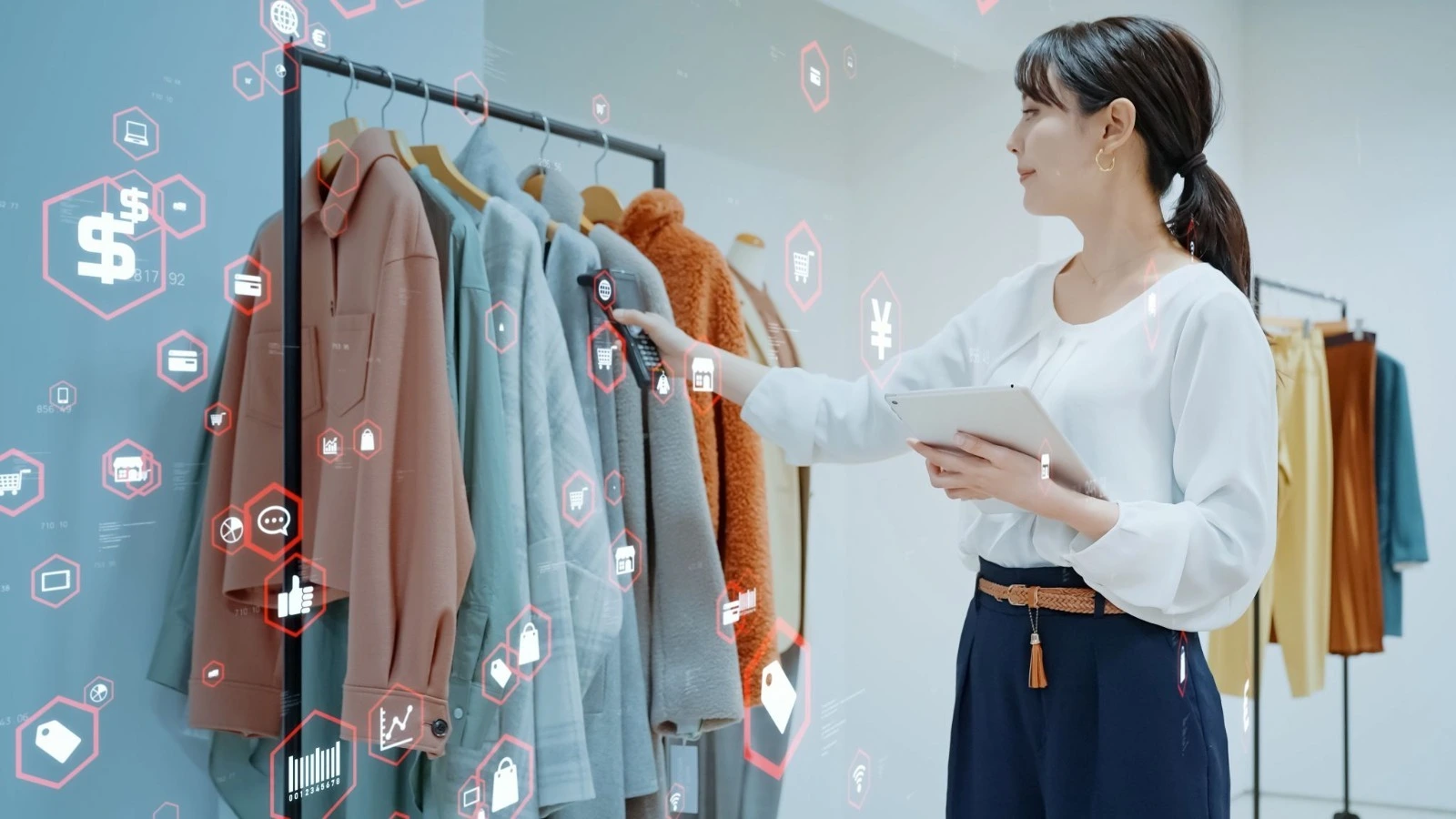
Most brands still build products on gut instinct, runway reports, and hope. That approach worked when trends moved slowly. It doesn't work anymore. Trend forecasting in product development is replacing guesswork with real consumer data, and the brands in the US and all over the world using it are winning consistently while everyone else scrambles to catch up.
This matters for product teams, brand directors, and retailers who are tired of dead stock, missed trends, and costly production mistakes. If your product decisions are still based on what sold last season, you're already behind. Here's what's actually working in 2026.
What Is Trend Forecasting and How Does It Work
Trend forecasting is the process of identifying where consumer demand is heading before it peaks. It's not guessing. It's reading real signals- search volume, social engagement, shopping behavior, and cultural shifts- and turning them into actionable product decisions.
Here is what modern trend forecasting actually tracks:
- Search volume growth across Google and retail platforms
- Hashtag velocity and saves on TikTok, Instagram, and Pinterest
- Retail click patterns, wishlist behavior, and purchase data
- Consumer sentiment shifts across social communities
- Early micro-creator content before trends hit mainstream coverage
Tools like Trendalytics pull all of these signals together in real time. Instead of waiting for a trend to appear in trade publications, brands using AI trend forecasting see it building weeks or months earlier. That lead time is the entire competitive advantage.
Why Gut Instinct Is Failing Product Development Teams
Here's something most brands won't admit. A significant portion of retail inventory never sells at full price. It gets discounted, liquidated, or sits in warehouses, eating into margins. And the number one reason is simple: brands built products consumers didn't actually want.
Gut instinct fails product development teams for three specific reasons:
- It's based on the past: What sold last season tells you what consumers wanted six months ago. Consumer behavior in 2026 shifts faster than any historical data can predict.
- Trade shows and runways are too slow: By the time a trend appears at a major trade show, early adopters have already moved on. The signal was there months earlier in search data and social engagement, but nobody was tracking it.
- It ignores real consumer signals: What consumers search for, save, click on, and buy tells you far more than any buyer's intuition. Brands ignoring this data are flying blind in the most data-rich environment in retail history.
The cost of getting this wrong is real. Bad product bets mean discounting, dead stock, wasted production budgets, and missed revenue. And in a market where consumer preferences shift weekly, the margin for error is shrinking every season.
How Trend Forecasting Improves Product Development
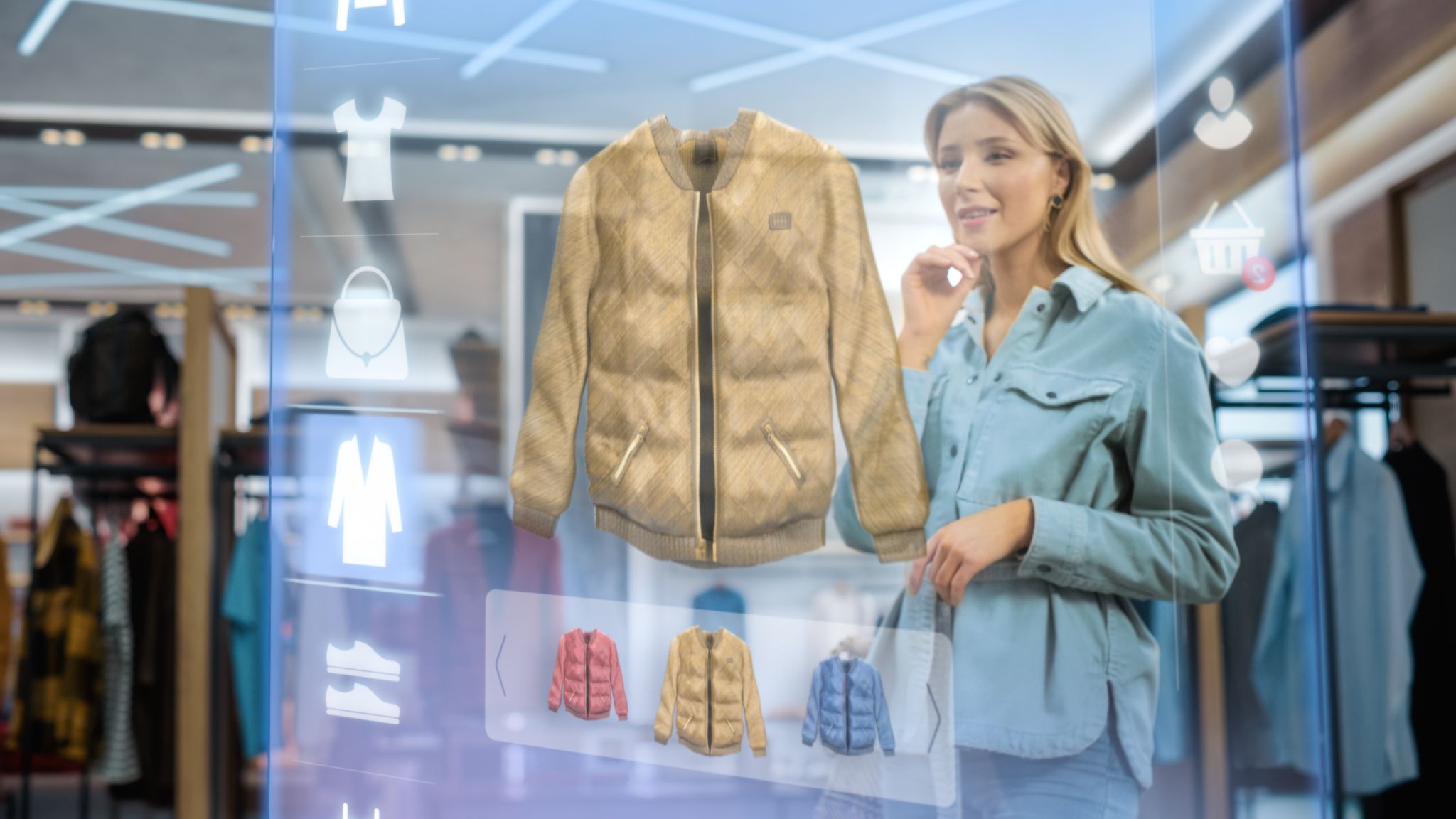
For US brands and retailers, guessing what consumers want is no longer an option. Trendalytics tracks the signals that make trend forecasting in product development actually work.
Identifying Winning Products Before Competitors Do
Trend forecasting in product development gives brands a timing advantage. When search signals and social engagement start building around a specific silhouette, color, or material, that's the window to act. Brands that move in that window build and launch products while demand is still rising. Brands that wait until the trend is obvious are entering a saturated market at peak competition.
Reducing Dead Stock and Inventory Risk
Dead stock is one of the most expensive problems in retail. Trend forecasting reduces it by aligning production quantities with confirmed consumer demand signals, not assumptions. When data shows sustained growth in a trend rather than a short viral spike, brands can invest confidently. When signals are weak or inconsistent, they hold back. That discipline saves millions in wasted inventory every year.
Building Collections Around Confirmed Consumer Demand
The old model was to build a collection then market it to consumers. The new model is track what consumers already want then build around it. Trend data analysis flips the product development process. Instead of hoping the collection lands, brands enter production knowing demand already exists. That's a fundamentally different risk profile.
Speeding Up the Product Development Cycle
Speed matters in 2026. Consumer trend analysis allows product teams to fast-track development on high-confidence trends and deprioritize weaker signals earlier in the cycle. Instead of spending equal time and budget on every product idea, teams focus resources where data confirms demand. That makes the entire development cycle faster, leaner, and more profitable.
Real Examples of Trend Forecasting in Product Development
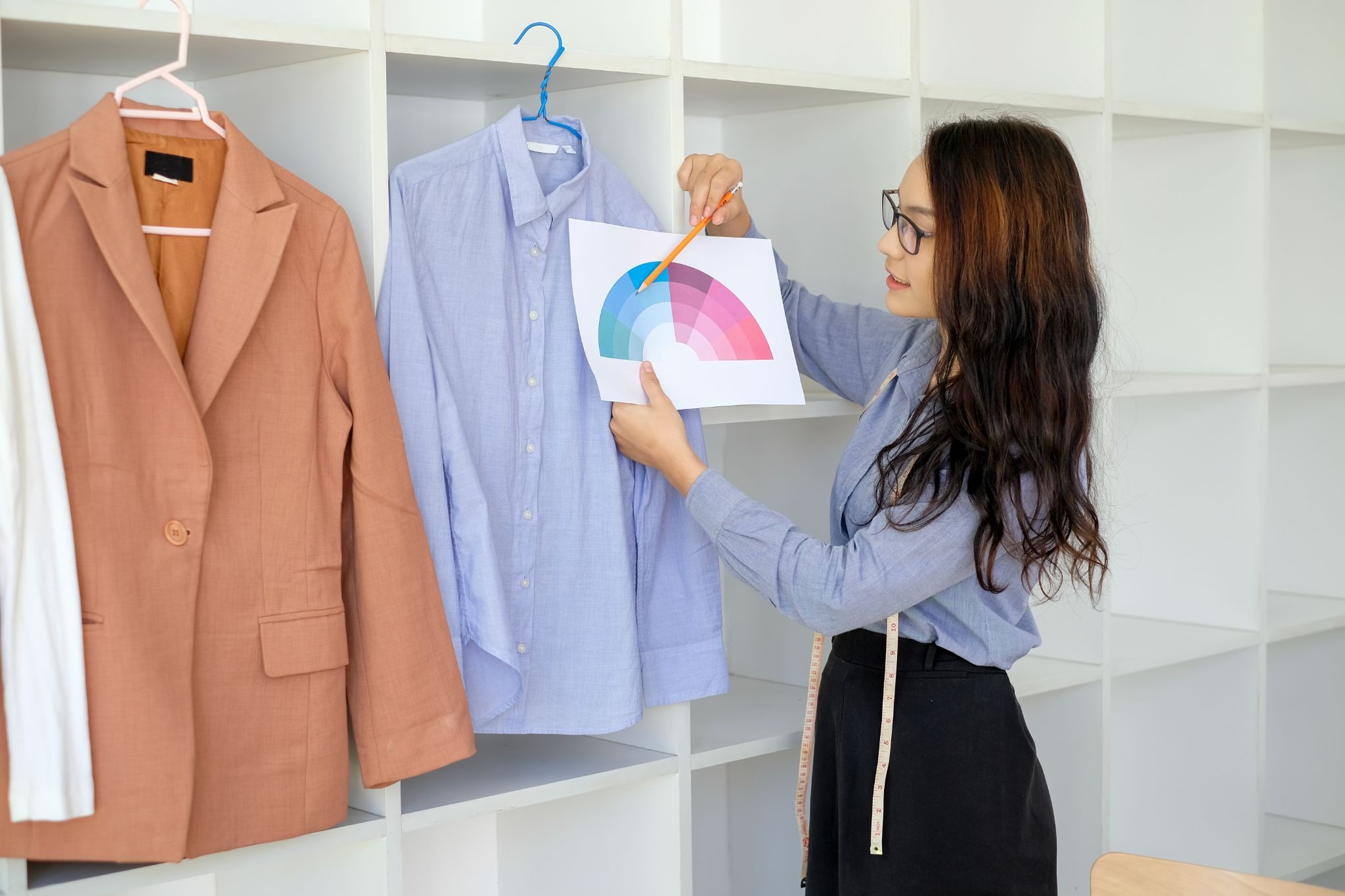
The best way to understand trend forecasting in product development is to look at what happened with specific trends in recent cycles.
Baggy denim: showed consistent upward search signals and social engagement months before it dominated US retail floors. Brands tracking retail trend forecasting data spotted it early, adjusted their denim production away from slim fits, and had the right product ready when demand peaked. Brands that didn't were left with slim-fit inventory nobody wanted.
Techwear and gorpcore: built slowly in niche outdoor communities before exploding into mainstream streetwear. The signals were in micro-creator content and search data long before trade publications covered it. Brands with the right data tools saw it coming. Most didn't.
Butter yellow: replacing beige as the dominant neutral was visible in color search trends and Pinterest save data months before it hit mainstream fashion coverage. Brands that caught this early built entire seasonal palettes around it. Brands that didn't were scrambling to pivot mid-production.
In every case, the data was there. The question was whether brands were tracking it.
For more information, read this guide:
From Culture to Commerce: The Power of Trend Forecasting
How Trendalytics Supports Product Development, Teams
Trendalytics is a data-driven trend predicting tool built specifically for US and other brands and retailers who need to make faster, more confident product decisions. Here is what it does in practice:
- Tracks search volume shifts across Google and major retail platforms in real time
- Monitors social engagement velocity on TikTok, Instagram, and Pinterest
- Identifies sustained trend signals versus short viral spikes
- Flags emerging trends weeks before they hit mainstream coverage
- Provides category-specific insights for fashion, beauty, and lifestyle brands
According to Trendalytics data, trends like elevated athleisure, quiet luxury streetwear, and Gen Alpha micro-luxury preferences all showed consistent upward signals months before they became obvious to the broader market. Brands using Trendalytics made production decisions in that window. Brands without it reacted after the fact.
The difference isn't just timing. It's margin, sell-through rate, and competitive positioning across every product category.
How to Build a Data-Driven Product Development Strategy?
Building a product development strategy around trend forecasting doesn't require replacing your entire process. It requires adding the right data layer to the decisions you're already making.
Step 1: Start tracking consumer signals early. Don't wait for trends to appear in trade publications. Monitor search volume, social engagement, and retail behavior continuously. The signal is always there before the coverage.
Step 2: Separate sustained trends from short viral spikes. Not every viral moment is a product opportunity. Trend forecasting tools distinguish between a three-week spike and a six-month build. Only invest in the latter.
Step 3: Align product decisions with confirmed data. Before committing production budget, verify that consumer demand signals are sustained and growing, not peaking or declining. Data confirmation before production is the single most important step in reducing inventory risk.
Step 4: Act before competitors do. The window between early signal and mainstream awareness is your competitive advantage. Once a trend is obvious to everyone, margins compress, and competition intensifies. Moving early is the entire point of product development strategy built on trend forecasting.
Conclusion
Trend forecasting in product development is not a future capability. It's what winning brands are doing right now. Real consumer signals, search data, social engagement, and shopping behavior are available in real time. The brands reading them correctly are building the right products, at the right time, for consumers who already want them.
Gut instinct had its era. Data has replaced it. And the gap between brands using trend forecasting and brands still guessing is getting wider every season.
Want to make faster, more confident product decisions? Explore Trendalytics and see what your consumers are already telling you.
FAQs
Q1. What is trend forecasting in product development?
It's the process of using real consumer data, search volume, social signals, and shopping behavior to identify where demand is heading before it peaks, and aligning product decisions accordingly.
Q2. How does trend forecasting reduce inventory risk?
By confirming sustained consumer demand before production begins. Brands invest confidently in trends showing consistent growth signals and hold back on weak or inconsistent data, reducing dead stock and discounting.
Q3. What data does trend forecasting use?
Search volume across Google and retail platforms, hashtag velocity on social media, retail click patterns, wishlist behavior, consumer sentiment data, and micro-creator content signals.
Q4. How do brands use trend forecasting tools in practice?
They monitor real-time signals to identify emerging trends early, fast-track development on high-confidence opportunities, and deprioritize weaker signals before wasting production budget on them.
Q5. Is trend forecasting only for fashion brands?
No. Any brand that develops products for consumers- beauty, food, lifestyle, tech accessories- benefits from trend forecasting. Anywhere consumer preferences shift, trend data gives brands a timing and confidence advantage.
Get ahead and stay
ahead with AI-powered trend forecasting.
Request a demo. Our AI tools are unmatched in the marketplace for predictive data and trend forecasting.