
Best Trend Forecasting Tool for US Fashion Brands | Trendalytics
.webp)
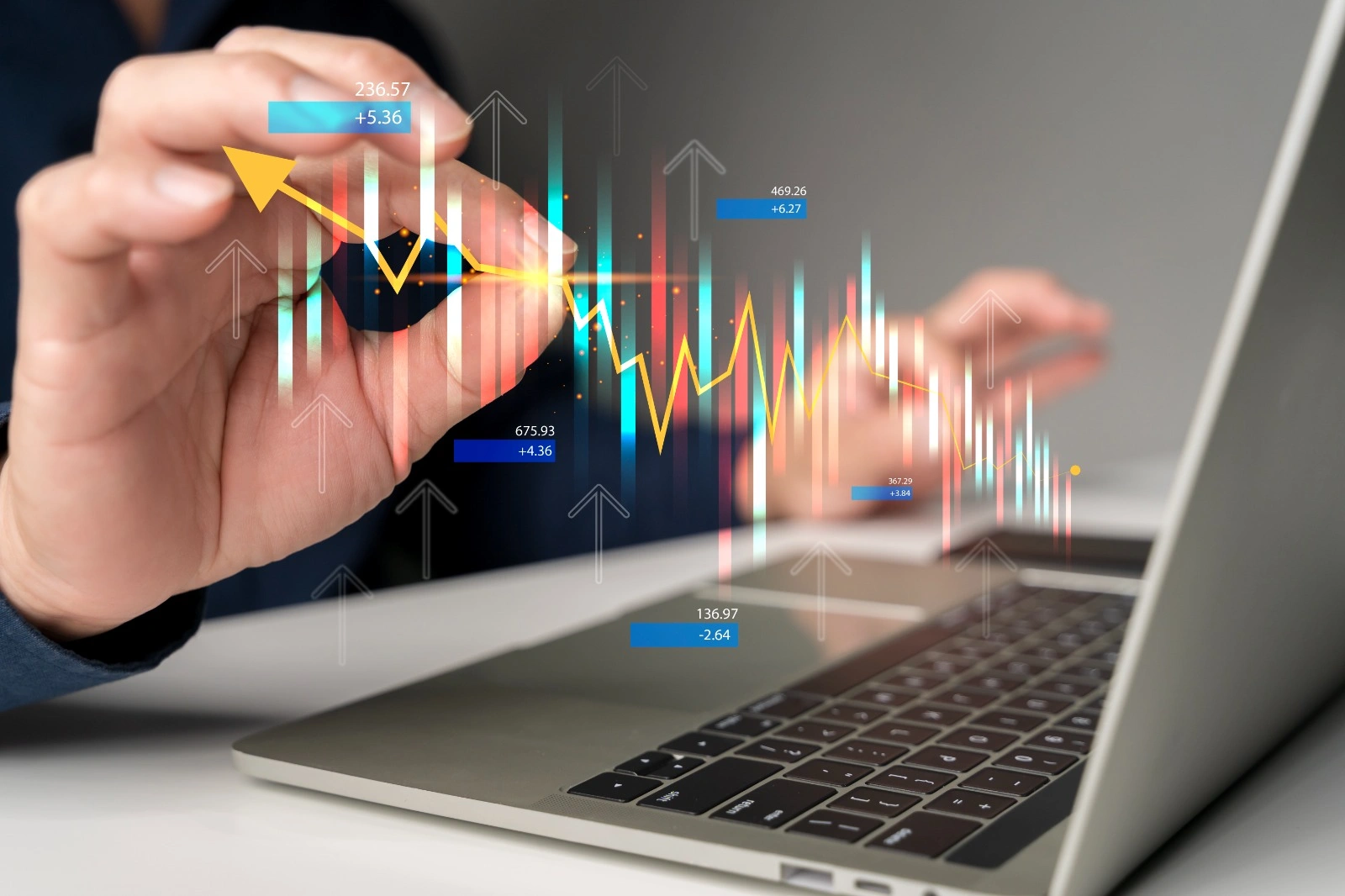
The best trend forecasting tool for fashion brands does one thing well: it turns scattered signals into a clear answer before a trend peaks. Search spikes, social buzz, and shopping data all point somewhere. A good tool connects those dots early enough to actually act on.
That's harder than it sounds. Most fashion brands either guess based on gut feeling or pay five figures a year for legacy forecasting services. Neither one fits how fast trends move now, especially with TikTok pushing new styles into the mainstream in weeks instead of seasons.
What Makes a Trend Forecasting Tool "Best" for Fashion Brands
Not every forecasting tool solves the same problem. Before comparing options, it helps to know what actually matters.
- Data sources. Does it track search behavior, social platforms, and real shopping data, or just one of those?
- Lead time. How far ahead does it catch a trend? Weeks matter more than months once a trend is already viral.
- Accuracy. Is the forecast based on real numbers, or general seasonal guesswork?
- Price accessibility. Can a mid-size brand actually afford it, or is it built only for enterprise budgets?
A tool that scores well across all four is doing more than most brands realize they need.
How Trendalytics Works
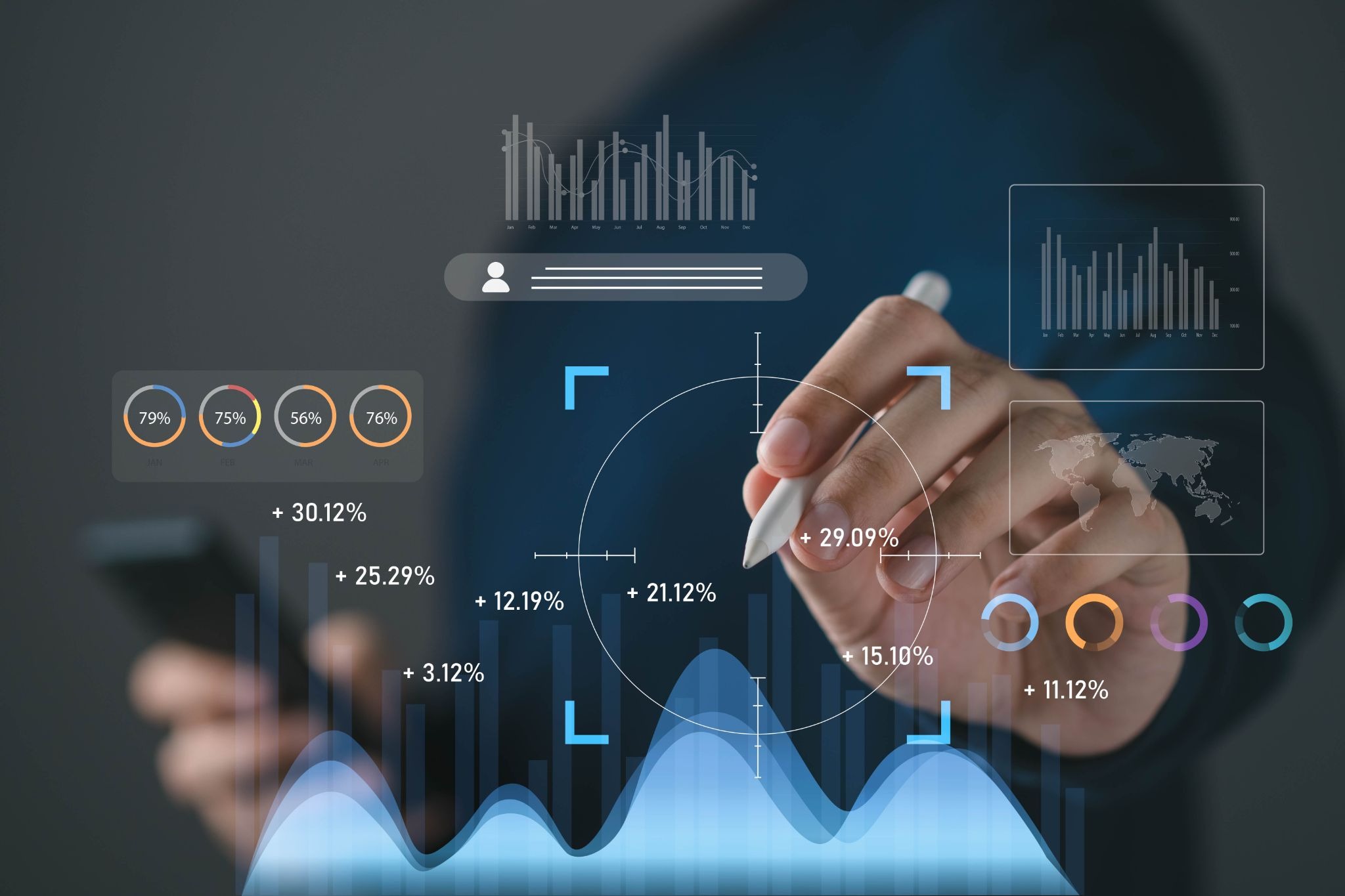
Trendalytics, an AI Trend Forecasting Tool, combines several data streams into one system instead of forcing brands to piece together insights from separate tools.
Search Data Across Millions of Keywords
The platform tracks Google search behavior across millions of keywords, going back up to four years. That history matters. It's what makes it possible to tell the difference between a real trend building momentum and a short-lived spike that fades in a week.
TikTok and Social Trend Tracking
Fashion trends increasingly start on TikTok before anywhere else. Trendalytics tracks the speed at which trends grow on social platforms, catching momentum while it's still building instead of after a style has already gone mainstream.
Market and Product-Level Data
Beyond search and social, the platform tracks real-time data across thousands of brands and millions of products, covering pricing, stockouts, and merchandising patterns. That layer connects interest to actual buying behavior, not just attention.
Trendalytics vs. Other Fashion Trend Forecasting Tools
Fashion brands generally land in one of three camps when picking a forecasting tool: legacy enterprise services, image-analysis platforms, or search-driven intelligence tools. Here's how that breaks down.
Legacy tools like WGSN have been the industry standard for decades. They're strong on long-range forecasting and trend context, but pricing runs into five figures a year, which puts them out of reach for most mid-size brands.
Image-analysis tools like Heuritech scan millions of social media photos to detect trends visually. That's a genuinely useful approach, especially for catching aesthetic shifts before they're named. It's a different lens from search-driven data, and brands sometimes use both.
Search- and market-driven tools like Trendalytics take a different angle. Instead of leading with image recognition, the core signal is what people are actually searching for and buying, cross-checked against social momentum. For brands watching demand shift in close to real time, that combination fills a gap the other two approaches don't fully cover.
How Trendalytics Compares to WGSN for Mid-Market Brands
WGSN remains the deeper resource for long-range, multi-season forecasting and editorial trend context. Where Trendalytics fits is in accessibility, differently. It's built around real-time search and market data rather than a subscription model priced for enterprise budgets, which makes it a more realistic option for brands that don't have five-figure forecasting budgets but still need reliable, data-backed signals.
Why US Fashion Brands Use Trendalytics
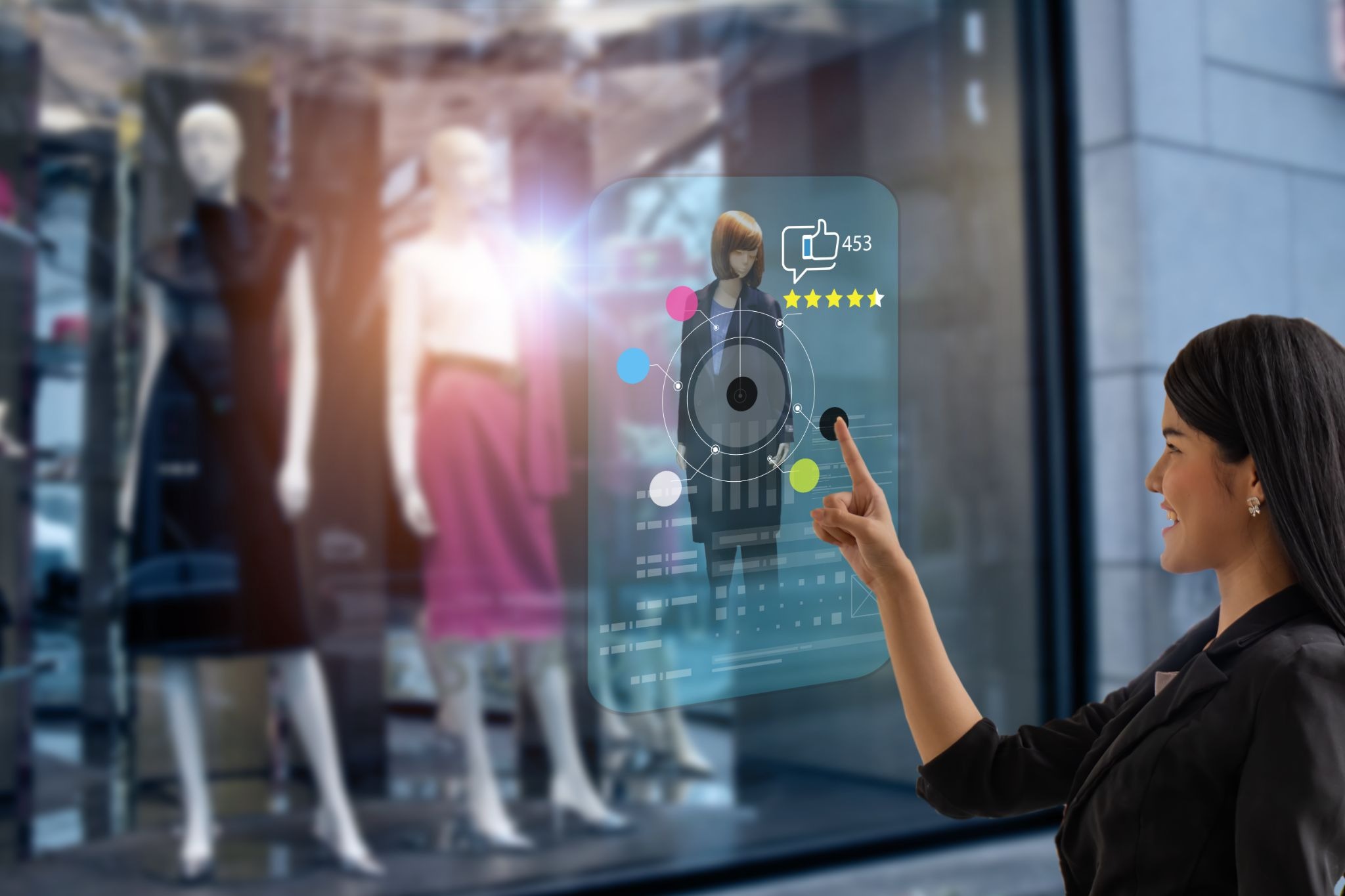
The US fashion market moves fast, and it moves differently by region. A trend gaining traction in New York doesn't always land the same way in Los Angeles or Chicago. Search and social data can surface those regional differences in a way that gut instinct usually misses.
Brands across the US use this kind of data to answer a simple question before committing to production: is this actually building, or is it already fading? Getting that answer even a few weeks earlier can be the difference between selling through inventory and sitting on it.
What to Look for in a Trend Forecasting Tool
If you're evaluating options beyond Trendalytics, a few questions cut through the marketing copy fast.
- Ask for real accuracy numbers, not vague claims. "Highly accurate" means nothing without a percentage or a track record behind it.
- Check how far back the historical data goes. More history means better context for whether a trend is real or seasonal noise.
- Confirm it covers social platforms, not just search. TikTok-driven trends need social tracking, not just Google data.
- Look at pricing transparency. If a company won't share pricing until a sales call, factor that into your evaluation.
The Bottom Line
There's no single tool that's automatically right for every fashion brand. What matters is matching the tool to your budget, your lead time needs, and how much of your trend research is currently guesswork.
For US fashion brands that want real search and social data without an enterprise price tag, Trendalytics is built for exactly that gap. Book a demo to see how the data works for your brand.
FAQs
1. What is the best trend forecasting tool for fashion?
It depends on your budget and needs. WGSN suits large brands wanting long-range forecasting. Heuritech suits brands that want image-based social analysis. Trendalytics suits brands that want real-time search and social data at a more accessible price point.
2. How does AI trend forecasting work?
AI trend forecasting tools analyze large amounts of data from search engines, social media, and shopping platforms. The software looks for patterns in what people are searching for, talking about, and buying, then flags which patterns are accelerating.
3. Is Trendalytics a good alternative to WGSN?
For brands that need real-time, data-driven forecasting without an enterprise budget, Trendalytics offers a more accessible option. WGSN still leads in long-range, multi-season forecasting depth.
4. How do fashion brands predict TikTok trends?
Brands track engagement growth and posting velocity around specific styles or products on TikTok. Tools like Trendalytics measure how fast a trend is accelerating on the platform, which helps brands catch momentum before it peaks.
5. How accurate is AI trend forecasting?
Accuracy varies by tool and depends on how much historical data backs the forecast. Tools that combine multiple data sources, like search behavior and social tracking, tend to catch trends earlier than single-source tools.
6. Do small fashion brands need a trend forecasting tool?
Not every small brand needs one, but it helps avoid overproducing styles that won't sell. Search and social data can validate a design decision before it becomes a costly production run.
Get ahead and stay
ahead with AI-powered trend forecasting.
Request a demo. Our AI tools are unmatched in the marketplace for predictive data and trend forecasting.