
Halter Dress Trend: Key Styles and Consumer Search Insights

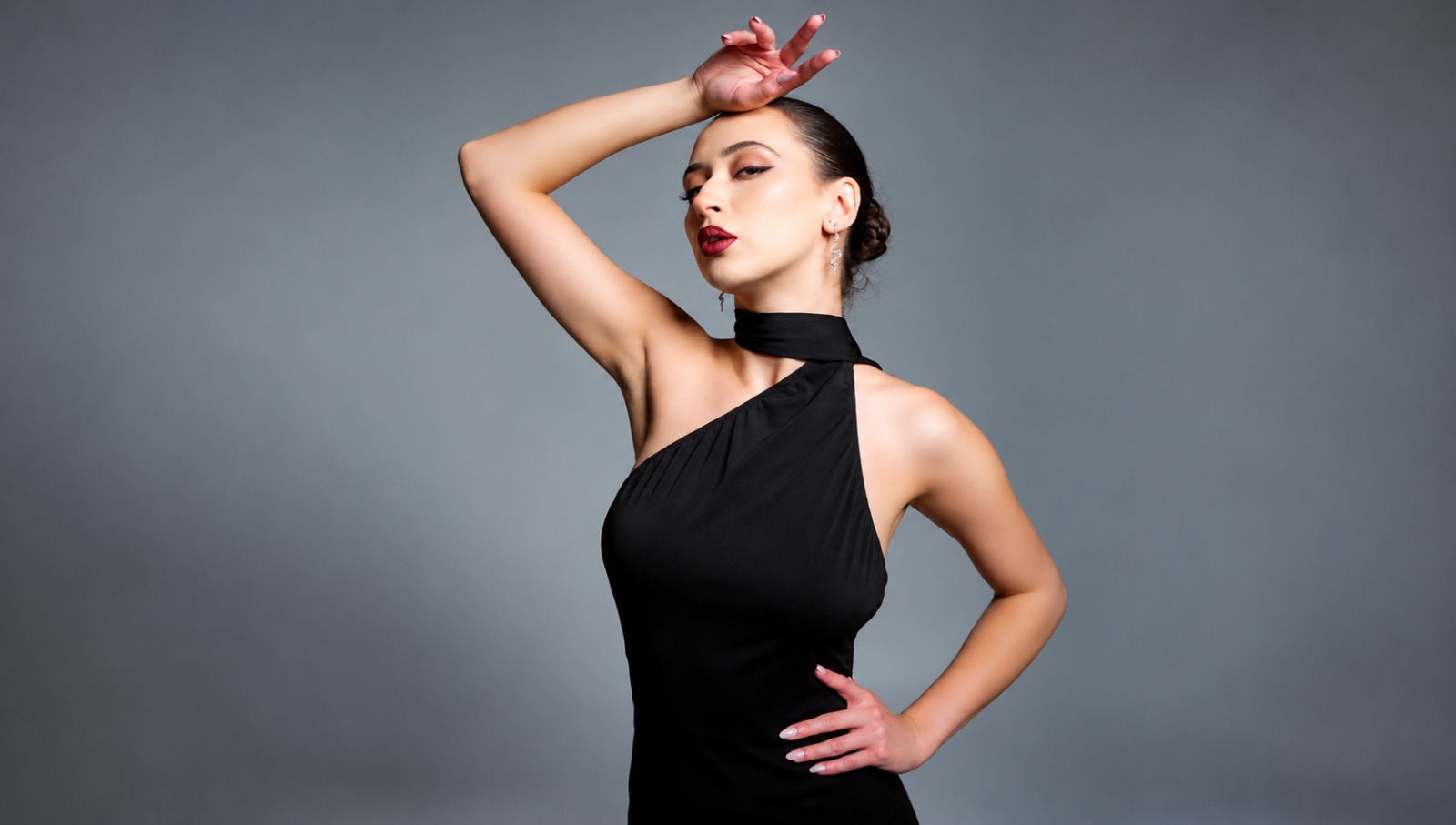
The Halter Dress Trend is bringing renewed attention to a classic silhouette defined by straps that fasten behind the neck. From Y2K-inspired mini dresses to elegant evening gowns and bridal styles, modern designs feature open backs, sculptural necklines, and varied skirt shapes.
For US fashion brands and retailers, halter dresses offer versatility across seasonal collections, partywear, weddings, and formal occasions. However, runway visibility alone does not confirm commercial demand. Consumer search behavior, seasonal interest and retail product launches provide additional signals for evaluating emerging styles.
This report explores the key halter dress styles, consumer search insights,s and retail opportunities to watch through 2027, helping fashion businesses make more informed trend decisions.
Why the Halter Dress Trend Is Back
The halter neckline is making a fresh impression by blending Old Hollywood glamour, 1970s fashion and Y2K nostalgia with modern design. Open backs, sculptural straps and asymmetrical hems give this classic silhouette a contemporary edge.
Recent runway collections from Bottega Veneta, Miu Miu, Coperni, Ferragamo and Tory Burch show how designers continue to reinterpret halter styles through new shapes, fabrics and textures.
Beyond dresses, halter necklines also appear in tops, knitwear and swimwear, extending their influence across fashion categories. For US fashion brands, this versatility makes the Halter Dress Trend worth monitoring across seasonal collections, occasionwear and emerging consumer preferences.
What Consumer Search Insights Reveal About Halter Dresses
Consumer searches reveal which halter dress styles shoppers explore most. In the supplied keyword dataset, halter dress records approximately 22,200 monthly searches, followed by dress with halter at 14,800 and halter neck dress at 12,100.
Specific searches also highlight style preferences. Halter top dress records around 6,600 monthly searches, while white halter dress and black halter dress each record approximately 5,400.
These figures show interest across broad product terms, neckline variations, and color preferences. However, search volume alone does not confirm a rising trend. Verify the data source, reporting date, and US market settings before publishing these figures as definitive US search statistics.
Tools like TrendPulse AI by Trendalytics can support fashion trend analysis by helping brands explore emerging trends and consumer preferences. For retailers tracking the Halter Dress Trend, these insights can complement keyword research and runway observations when planning future collections.
How Search Intent Changes Across Styles
Broad searches can help retailers understand general category interest, while specific phrases reveal the variations shoppers may be exploring.
For example, halter mini dress and halter maxi dress relate to different lengths and product preferences. Searches for a halter wedding dress indicate a more specific occasion, while color-based searches can inform how retailers organize their product collections.
These distinctions matter for both merchandising and SEO. A general halter dress category page may serve broad product discovery, while separate pages can address mini dresses, maxi dresses, or bridal styles when each has enough distinct inventory and search demand to justify its own page.
Seasonality and Occasion-Based Demand
Halter dresses are relevant to several US shopping occasions, including spring and summer events, vacations, weddings, parties, and fall homecoming. However, each occasion has a different buying calendar.
Lightweight dresses may be more relevant to warm-weather assortments, while embellished minis can suit homecoming and party collections. Bridal and formalwear styles follow their own planning cycles.
Retailers should compare historical search curves with their own sales and product data to identify when interest actually rises. Without that historical evidence, seasonality is a reasonable planning consideration, not proof of a particular demand peak.
Key Halter Dress Styles Fashion Brands Should Watch
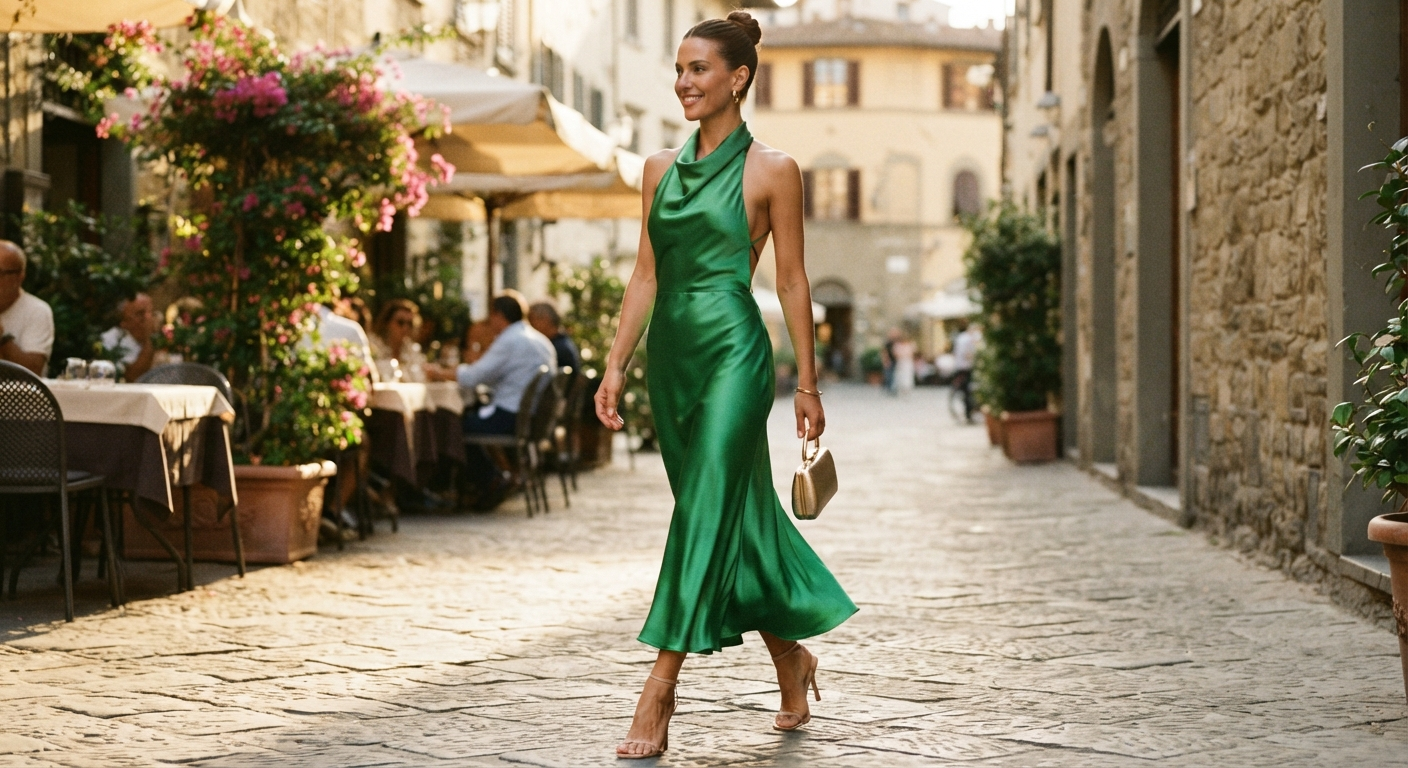
Not every halter dress serves the same customer or occasion. Length, neckline construction, fabric, and detailing all influence a design’s appeal and retail potential. Using fashion trend forecasting insights from Trendalytics, brands can explore emerging style directions and assess how different halter dress designs fit their target audience and seasonal collections.
Halter Mini Dresses
Halter mini dresses suit casual summer outfits and occasionwear. Cotton and linen work for daytime collections, while satin, sequins and embellishments suit parties and homecoming events. ASHLEYlauren’s 2026 homecoming range offers a retail example of embellished halter minis.
Halter Midi Dresses
Halter midi dresses balance casual and occasionwear styling. Fitted silhouettes, knit fabrics, and flowing or asymmetrical skirts offer options for dinners, daytime celebrations, and semi-formal events. Fendi and Coperni have showcased different interpretations of the silhouette.
Halter Maxi Dresses
Halter maxi dresses range from relaxed resortwear to formal evening gowns. Crochet and lightweight fabrics suit vacation collections, while satin, chiffon, and structured designs offer more elevated options. The supplied keyword dataset records approximately 4,400 monthly searches for halter maxi dress, although this figure alone does not confirm rising demand.
Other Halter Dress Styles
- Backless Halter Dresses: Create a distinctive look with an open back and a more covered front.
- Tie-Neck Halter Dresses: Feature adjustable neck ties that add a softer design detail.
- High-Neck Halter Dresses: Use structured necklines and sculptural straps for a refined, architectural look.
These variations help brands differentiate products by neckline, fastening, and back construction. Repeated appearances across runway collections, retail launches, and consumer searches provide stronger trend signals than a single celebrity look or isolated design.
How Halter Dresses Are Evolving in Bridal and Occasionwear
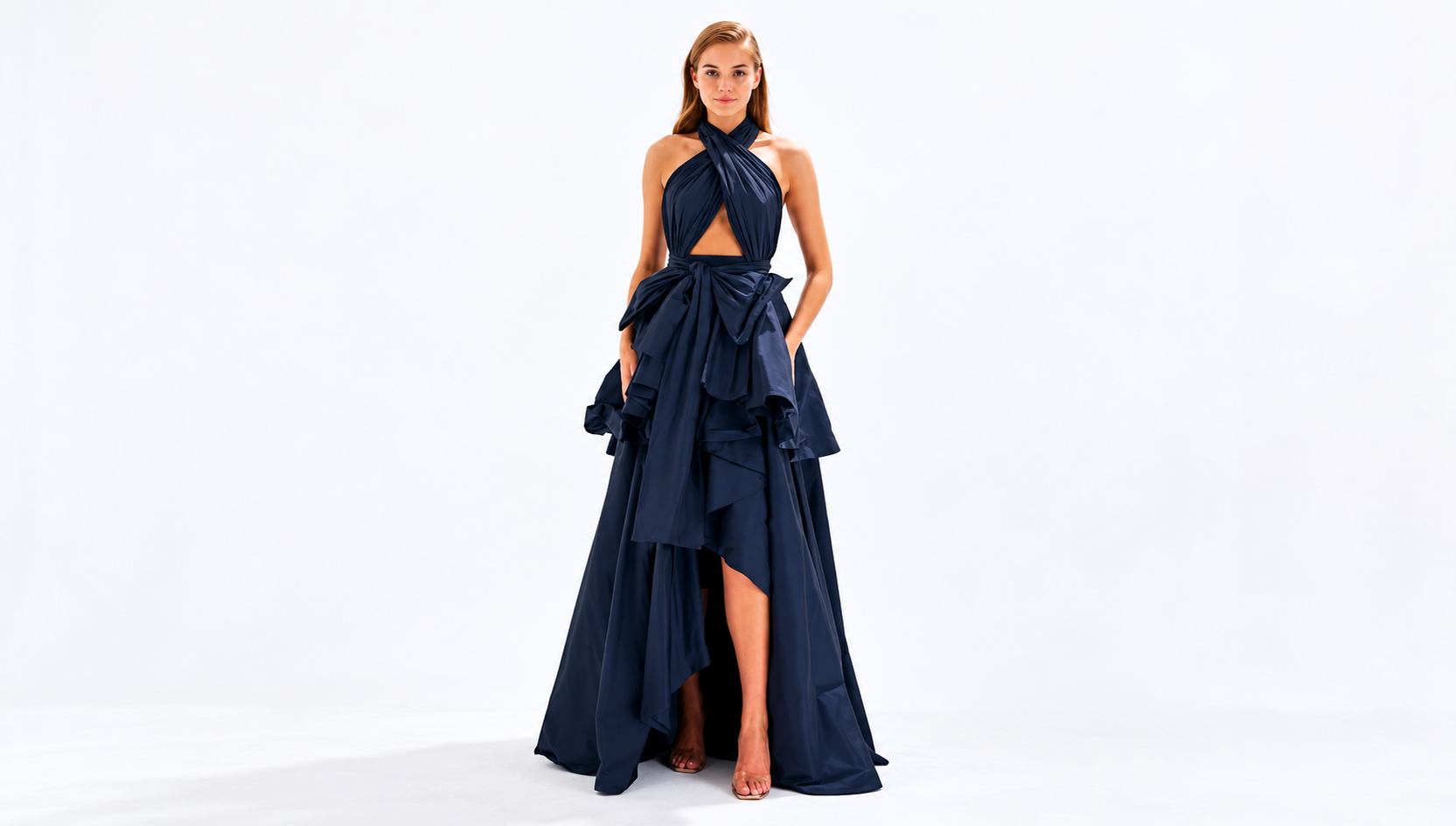
Bridal fashion offers another way to track how the halter neckline is evolving beyond casual summer dressing. Spring 2027 bridal collections have highlighted halter necklines across different gown silhouettes, including dramatic ballgowns. The design pairs a covered front with an open back, creating a distinctive shape. Structured bodices, flowing skirts and textured fabrics offer further styling possibilities.
For US bridal retailers, this direction is worth monitoring across wedding gowns, reception dresses and occasionwear. However, runway appearances indicate emerging design interest, not guaranteed commercial demand.
Halter dresses also offer options across the wider occasionwear market:
- Black halter dresses: Suitable for formal dinners and evening events.
- Embellished halter minis: Relevant to parties and homecoming.
- Satin halter midis: Offer a polished option for celebrations.
- Flowing halter maxis: Can suit weddings, guest dressing, and resort occasions.
The retail opportunity lies in matching the neckline with the right occasion, fabric, and customer. One silhouette can serve multiple product categories when each design offers a clear point of difference.
Emerging Halter Dress Details to Monitor
Several design directions are worth tracking as brands plan future collections.
- Color: Butter yellow and pistachio green have appeared in fashion editorial selections featuring halter designs. Retailers should verify whether these colors show sustained demand before expanding inventory.
- Fabric and texture: Crochet, beading, lace, and sheer overlays create different looks across casual, party, and formal categories.
- Silhouette: Ruched bodices, bubble hems, and asymmetrical skirts change the proportions of the dress while retaining the recognizable neckline.
- Back construction: Open backs and tie-neck details can provide a focal point without requiring extensive embellishment.
- Styling: Layering a simple halter dress over trousers is another editorial styling direction, although its commercial relevance will depend on the target customer.
These are design signals to monitor, not confirmed growth trends. Brands should look for repeated appearances across independent sources and compare them with search interest, product availability, and sales performance.
What the Halter Dress Trend Means for US Fashion Brands and Retailers
The Halter Dress Trend becomes more useful when brands translate trend observations into decisions about product development, merchandising, and content.
- Build assortments around occasions. Minis can serve party and homecoming collections, while flowing maxis can support vacation and formalwear assortments. Bridal gowns should be considered separately because their design requirements and purchasing journeys differ.
- Connect keyword research with product strategy. Broad category terms can inform general halter dress pages, while more specific keywords can guide relevant subcategories and editorial content. Each page should serve a distinct user need to avoid keyword cannibalization.
- Compare multiple trend signals. Search demand, social engagement, runway visibility, and retail launches each provide a different perspective. A design that receives editorial attention but shows limited consumer interest may require further testing before a larger buying commitment.
- Plan around the US retail calendar. Spring and summer assortments, wedding season, and fall homecoming have different planning windows. Brands should compare historical demand and internal sales data when deciding when to launch or promote each product category.
- Use forecasting tools to support decisions. Trendalytics is a fashion trend forecasting tool that can help teams investigate emerging styles and interpret market signals. Forecasting should complement, not replace, a retailer's own customer data, merchandising expertise, and product performance.
The goal is to identify which variations deserve further investment, rather than assuming that every runway appearance will translate into commercial success.
Will the Halter Dress Trend Continue Into 2027?
The Halter Dress Trend remains worth monitoring for 2027 because of its versatility across mini, midi, maxi, bridal, and occasionwear styles. Its visibility in Spring 2027 bridal collections also highlights its potential for wedding and formalwear.
However, runway visibility does not guarantee sustained consumer demand. Retail performance will depend on customer preferences, pricing, seasonality, and product design.
Brands should monitor consumer searches, emerging color and neckline preferences, and new retail collections. Comparing these signals with historical search data and sales performance can help retailers assess whether the trend has lasting commercial potential.
Conclusion
The Halter Dress Trend offers US fashion brands opportunities across mini dresses, flowing maxis, bridalwear and occasionwear. Consumer search insights, runway collections and retail launches can help identify promising styles, but sales data remains essential for validating demand.
For brands planning their 2026 and 2027 collections, combining consumer insights with reliable trend forecasting can support smarter product decisions. Explore Trendalytics to discover fashion trends, analyze consumer preferences, and identify emerging opportunities for your next collection.
FAQs
1. What is the Halter Dress Trend?
The Halter Dress Trend refers to the continued use and reinterpretation of dresses with straps or fabric that wrap around or fasten behind the neck. Contemporary versions include mini, midi, maxi, backless, high-neck, and formal designs.
2. Are halter dresses in style for 2026 and 2027?
Halter dresses remain a relevant silhouette to monitor across contemporary fashion and bridal collections. Spring 2027 bridal coverage provides a runway signal, although demand for individual styles may vary by category and market.
3. What are the main types of halter dresses?
Common variations include halter mini dresses, midi dresses, maxi dresses, backless designs, tie-neck styles, and high-neck halter dresses. Length, fabric, color, and construction further distinguish each type.
4. Can you wear a halter dress to a wedding?
Yes. A halter dress can work for a wedding guest outfit, rehearsal dinner, or reception, depending on the dress code, fabric, and design. Guests should follow the couple's guidance and choose an outfit appropriate for the event.
5. Which halter dress styles suit summer events?
Lightweight mini dresses, linen designs, flowing midi dresses, and breathable maxi dresses are options to consider for summer events. The best choice depends on the venue, weather, dress code, and level of formality.
Get ahead and stay
ahead with AI-powered trend forecasting.
Request a demo. Our AI tools are unmatched in the marketplace for predictive data and trend forecasting.