
What Are the Best AI Trend Forecasting Tools for US Brands?
.webp)
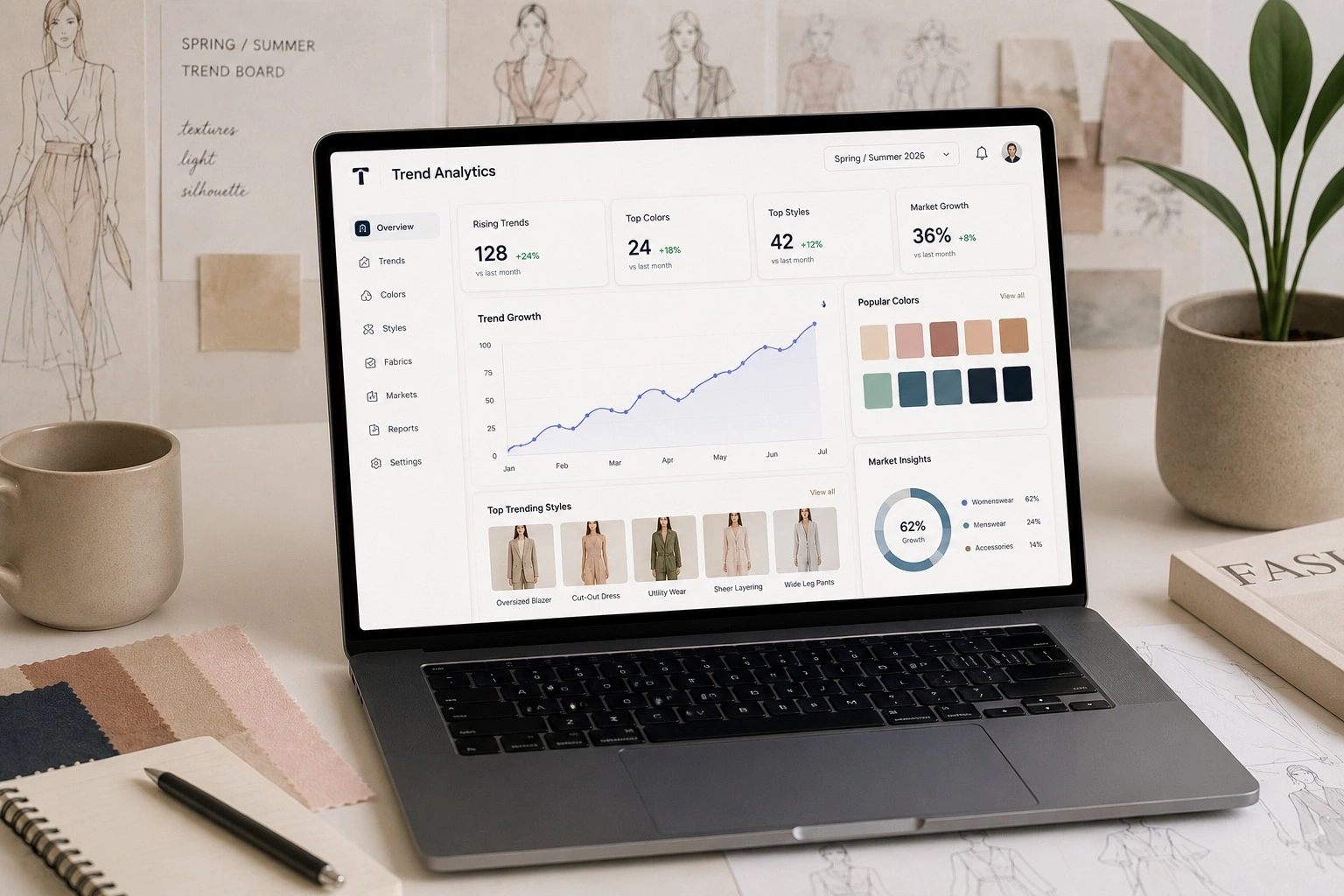
AI Trend Forecasting Tools are changing how fashion brands plan their next move. No more guessing what customers want next season. The right platform turns scattered signals into a clear read, weeks before competitors catch on.
Every platform claims to predict the future. Not all of them back it up. This guide breaks down eight real options, what they do, what they cost, and which one actually fits your brand.
What Makes AI Trend Forecasting Tools Worth Using?
AI trend forecasting tools use machine learning to scan search, social, and sales data. Instead of waiting for a trend to peak, brands see it building in real time. That gap between spotting a signal and reacting to it is where most of the value sits.
They flag which colors, fabrics, and products are gaining traction before shelves catch up. A rising search term or a TikTok spike shows up weeks before a buyer would notice it any other way. That head start is the whole pitch.
How AI Is Changing Fashion Forecasting
Old-school forecasting leaned on runway trips, trade shows, and gut instinct. It worked, sort of. But it was slow, and slow gets expensive when trend cycles move in weeks, not seasons.
Fashion trend forecasting software swapped guesswork for data pulled from millions of posts, searches, and product listings. The output isn't a hunch anymore. It's a number you can plan a buy around.
What Should You Look For in a Tool?
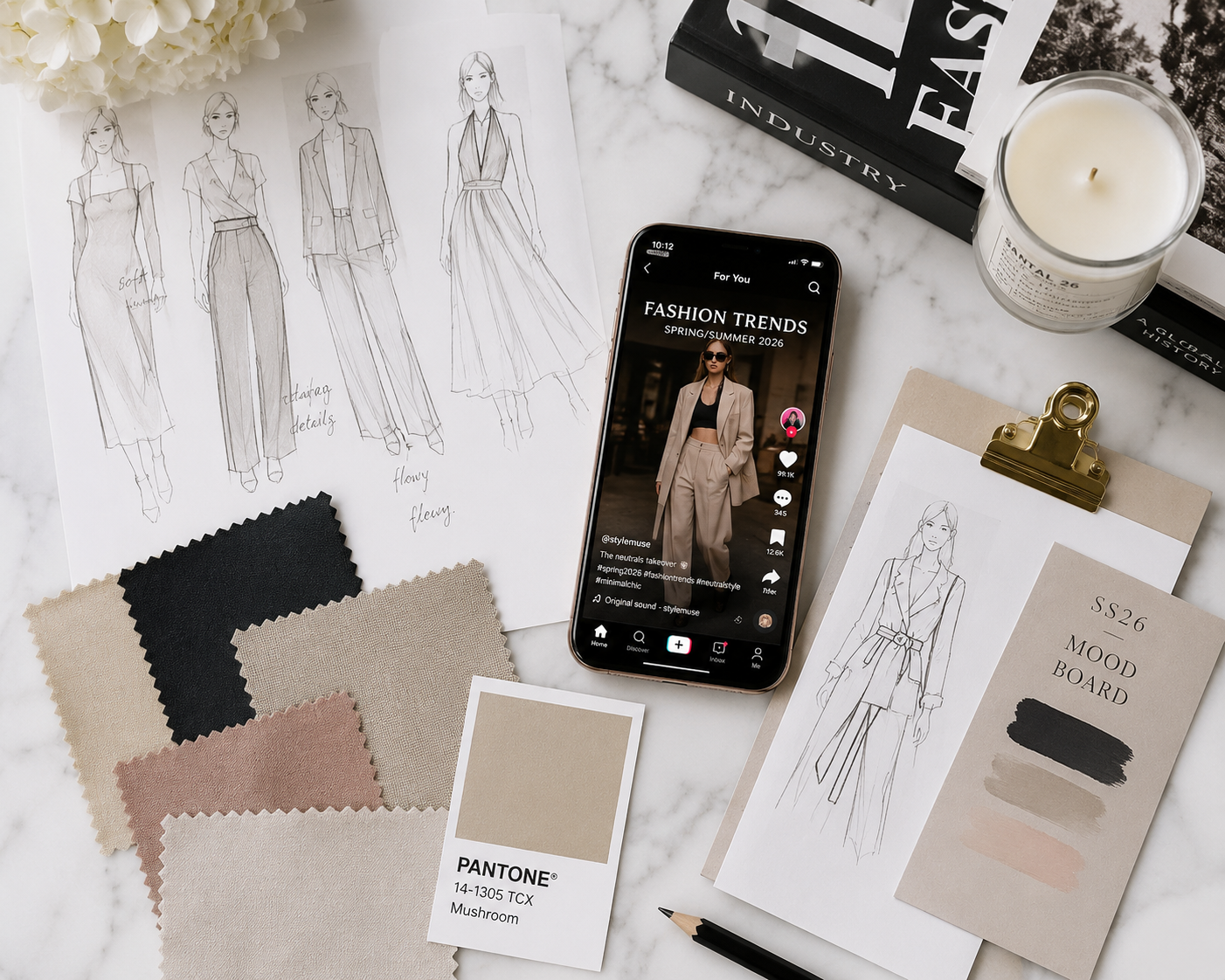
Not every one of these AI trend forecasting tools does the same job. Some track colors and shapes. Others track demand and sell-through. Know what you actually need before you sign a contract.
Multiple Data Sources
A single-source tool only sees part of the picture. The stronger options work like a trend intelligence platform, pulling from search, social, and product data at once. More angles, fewer blind spots.
Predictive vs. Reactive Signals
Some tools tell you what's trending today. That's reactive, useful, but late. What you want is AI fashion trend forecasting that flags where a trend is headed, not just where it's been.
Consumer Demand Signals
Trend spotting is only half the job. The best platforms connect a rising trend to actual consumer trend forecasting, so you know if people are searching, buying, or just scrolling past.
Forecast Horizon
Three months? Twelve? Twenty-four? Match the horizon to your production timeline. A tool built for fast fashion won't help a brand planning eighteen months out, and vice versa.
Ease of Use
A dashboard nobody on your team opens is dead weight. The best AI trend forecasting tools earn a spot in someone's weekly routine, not just a login nobody opens.
Do you actually need one of these? Smaller, single-category brands sometimes don't need an enterprise platform yet. Free tools like Google Trends or Pinterest Predicts can cover early-stage trend spotting until volume justifies the spend.
8 Best AI Trend Forecasting Tools for US Fashion Brands
Here are eight fashion trend analysis tools worth knowing, from broad market intelligence platforms to specialists built for one job.
1. Trendalytics
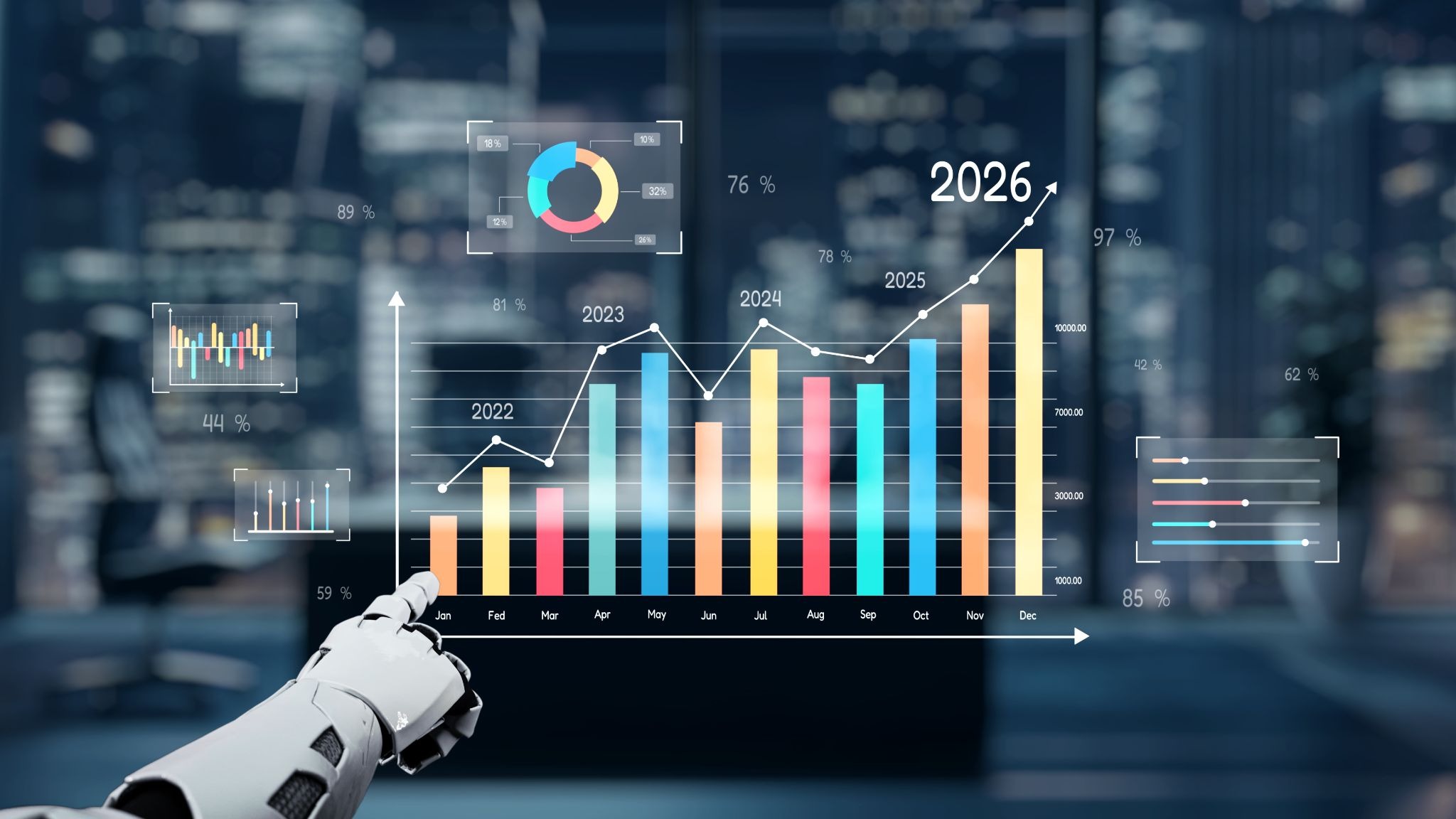
Trendalytics is a retail analytics platform built for the US fashion, beauty, and lifestyle market. It pulls signals from search, social platforms, and product data to flag rising trends early. The standout feature is TikTok-focused trend velocity tracking, which measures how fast a micro-trend is growing and whether it's likely to stick or fade.
Data comes from Google Search, TikTok, and other social and e-commerce signals. That makes it a strong fit for US brands whose customers are TikTok-driven, and for teams that want one dashboard covering fashion, beauty, and lifestyle categories together. Pricing isn't publicly listed, so you'll need to request a demo for a quote.
It's the strongest all-around pick for US-focused fashion and beauty brands, especially where social virality drives sales.
2. Heuritech
Heuritech uses computer vision to analyze social media images at scale, spotting colors, silhouettes, and fabrics before they hit stores. It processes millions of images daily and identifies visual attributes across regions, drawing mainly from Instagram and TikTok.
Enterprise pricing runs roughly EUR 12,000-plus per year, which puts it firmly in the luxury and design-led bracket. It's built for brands that want visual trend detection, not just text and search data.
It's excellent if your decisions are design-first, but less useful if you need product or sales-level demand data.
3. WGSN
WGSN pairs human trend experts with AI models, publishing long-range forecasts used across the fashion industry. It combines editorial trend calls with an AI layer for faster updates, pulling from global trend reports, expert analysis, and proprietary models.
It's built for brands planning collections 12 to 24 months out, where strategic direction matters more than real-time signals. Enterprise access runs roughly $25,000 per year.
It's the industry standard for long-range planning, but overkill for a brand that just needs weekly trend checks.
4. EDITED
EDITED focuses on retail intelligence rather than pure trend spotting, covering competitor pricing, assortment gaps, and product-level market data. It tracks pricing shifts, inventory movement, and assortment opportunities across thousands of retailers.
That makes it a better fit for merchandising and buying teams who care more about competitive positioning than style prediction. Pricing is a custom quote, not published.
It's less a trend forecaster and more a retail radar, so pair it with a style-focused tool for the full picture.
5. Stylumia
Stylumia centers on demand sensing, predicting what will actually sell rather than just what looks trendy. Its demand prediction models draw on sales, social, and proprietary consumer demand signals, aiming to reduce overproduction and markdown waste.
It's a strong pick for brands trying to cut waste and tighten inventory planning around real demand. Pricing is a custom quote, not published.
6. Designovel
Designovel covers more than forecasting, stretching into design generation and material matching too. It offers an end-to-end pipeline from trend analysis through to product development, pulling from fashion imagery, sales data, and design libraries.
It's built for teams that want forecasting tied directly into the design and development process. Pricing is a custom quote, not published.
It's interesting if you want one platform for forecasting and design, but less useful if you only need trend intelligence on its own.
7. Spate
Spate tracks consumer trends across beauty, wellness, and food as well as fashion, built from Google Search and TikTok data. It analyzes over 20 billion search and TikTok signals, drawing on 60 million TikTok videos for 12-month predictions.
Its client list includes L'Oreal, Estee Lauder, P&G, and Unilever, which tells you where its real strength sits: beauty and CPG-adjacent fashion brands. Pricing is a custom quote, not published.
It's built more for beauty and CPG than pure fashion, but the data scale is real and worth a look for crossover brands.
8. Launchmetrics
Launchmetrics focuses on brand performance, influencer impact, campaign reach, and event ROI, more than product trend prediction. It tracks influencer and media impact across fashion, luxury, and beauty campaigns, pulling from influencer, media, and campaign performance data.
It's built for marketing teams measuring campaign and influencer ROI, not merchandising teams picking next season's colors. Pricing is a custom quote, not published.
It's not a trend forecaster in the traditional sense, more a marketing measurement layer worth pairing with one.
Trendalytics vs. the Rest
- Trendalytics vs. Heuritech: Heuritech reads what's on the runway and Instagram, and stops there. Trendalytics reads what people are searching for and watching on TikTok, giving you a demand signal Heuritech doesn't track.
- Trendalytics vs. WGSN: WGSN plans two years out. Trendalytics tells you what's moving this month. Different jobs; some brands need both.
- Trendalytics vs. EDITED: EDITED watches competitors' shelves. Trendalytics watches what customers want before they buy anything at all.
- Trendalytics vs. Spate: Spate has serious scale in beauty and CPG. Trendalytics stays closer to core fashion and lifestyle, with a similar TikTok-and-search backbone.
If your priority is a US-focused, TikTok-driven demand read, Trendalytics leads the pack. If your priority is two-year design direction or competitor pricing, look elsewhere on this list first.
How Accurate Are AI Trend Forecasting Tools?
Accuracy claims are everywhere. Most aren't backed by anything you can check.
Two numbers are at least specific enough to evaluate: Heuritech states its 24-month visual forecasts hit over 90% accuracy, built from millions of daily images — that's Heuritech's own reported figure, not an independent audit. Spate's scale, 20 billion-plus search and TikTok signals, supports its 12-month fashion trend prediction claims, though it doesn't publish a single accuracy number of its own.
Trendalytics plays a different game. It doesn't lead with a headline accuracy percentage — it leads with speed, catching TikTok and search demand while a trend is still forming instead of after it's already peaked. For a brand trying to act early, that's arguably worth more than a lab-tested number on a 24-month horizon nobody can verify in real time.
Treat every percentage on a vendor's homepage, including these, with a healthy dose of skepticism until they show their work.
How to Choose the Right Tool
Match the AI trend forecasting tools you shortlist to the actual problem, not the flashiest demo.
Chasing social virality? Trendalytics or Spate. Planning two seasons ahead? WGSN. Watching competitors' shelves? EDITED. Fighting overstock? Stylumia. Want forecasting built into design work? Designovel. Measuring campaign ROI, not product trends? Launchmetrics.
Brands outside the US should weigh fashion forecasting software USA options like these against region-specific alternatives, since data coverage skews heavily toward American search and social behavior.
Final Verdict
For most US fashion and beauty brands, Trendalytics is the strongest starting point. It reads search and TikTok signals in real time, keeps you close to actual consumer behavior, and covers more ground than single-purpose tools like EDITED or Launchmetrics.
Pair it with WGSN if you need two-year design direction, or Heuritech if visual trend detection matters more than search data.
If you're comparing AI trend forecasting tools USA teams actually rely on, Trendalytics keeps showing up for good reason. Want to see how it could fit your buying calendar? Explore Trendalytics' platform or request a demo.
FAQs
1. What is the best AI trend forecasting tool for US fashion brands?
Trendalytics is widely considered the top choice for US-focused, TikTok-driven fashion and beauty brands, thanks to its real-time search and social demand signals.
2. How accurate are AI trend forecasting tools?
It depends on the tool and how transparent the vendor is. Heuritech reports over 90% accuracy on its own 24-month visual forecasts, but most vendors, including Trendalytics, don't publish a verifiable number.
3. What's the difference between AI trend forecasting and trend analysis?
Trend analysis looks at what's happening right now. Trend forecasting predicts where things are headed next, using historical and real-time data together.
4. How far ahead can AI predict fashion trends?
It varies by platform. Some tools forecast 12 months out; others go as far as 24 months, depending on the data sources behind them.
5. Can small brands afford AI trend forecasting tools?
Most enterprise platforms are priced for larger teams with custom quotes, but free tools like Google Trends offer a solid starting point for smaller brands.
Get ahead and stay
ahead with AI-powered trend forecasting.
Request a demo. Our AI tools are unmatched in the marketplace for predictive data and trend forecasting.