
What Is a Trend and How Does It Work? | Trendalytics
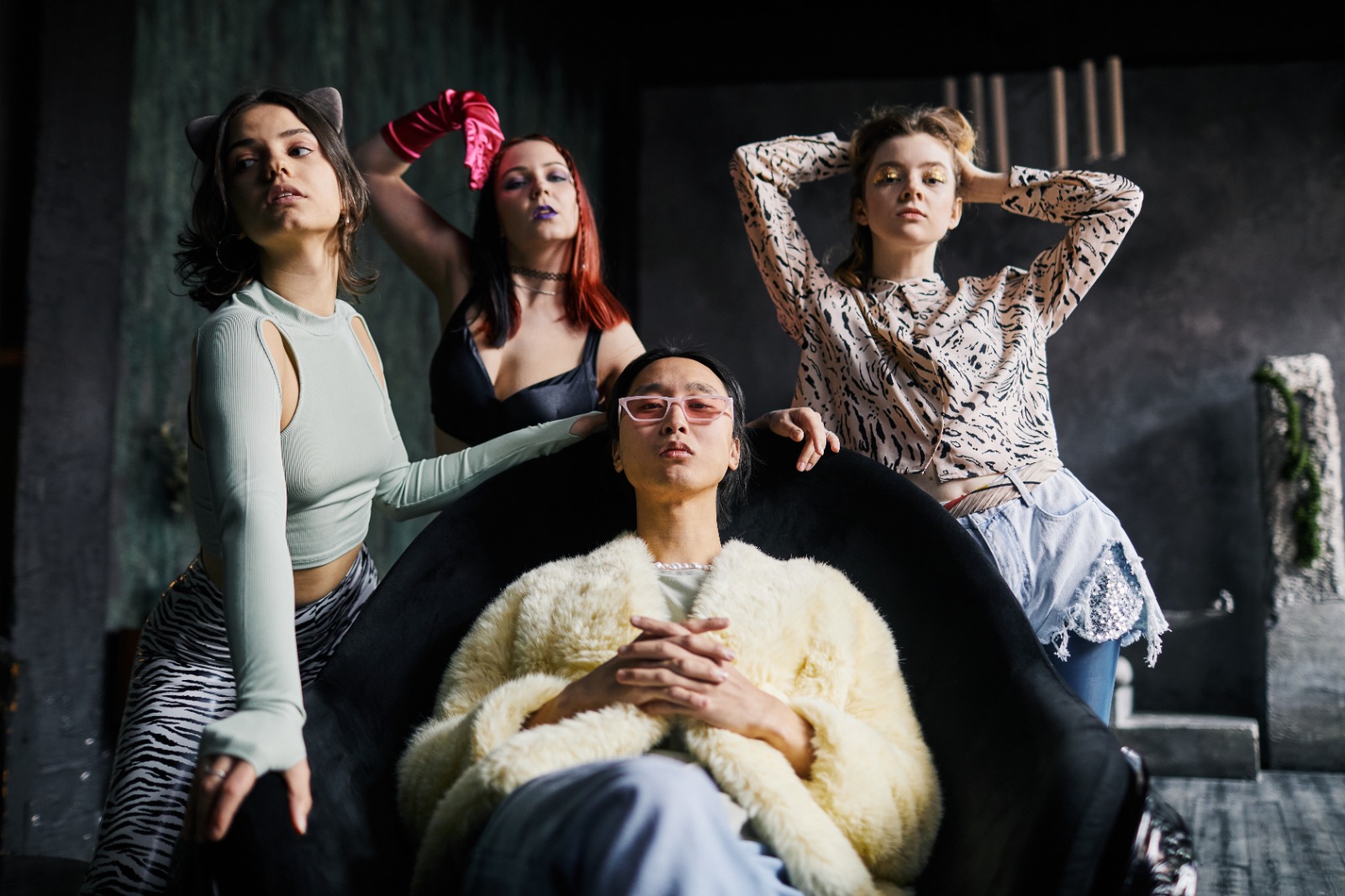
What is a trend? At its simplest, a trend is a shift in how people think, feel, behave, or buy. Trends aren't random. They're patterns that emerge from culture, technology, and human behavior, and they show up across every industry, from fashion and beauty to food, finance, and beyond.
Understanding what a trend is and how it works is one of the most valuable skills a brand, retailer, or marketer can have. Spotting a trend early means acting on it while the opportunity is still wide open. Missing it means catching up when everyone else already has.
What Is a Trend? The Simple Definition
A trend is a general direction in which something is developing or changing over time. In business and consumer markets, a trend reflects a shift in what people want, value, or choose to buy. Trends are not one-off moments; they're sustained patterns that influence decisions across entire markets.
The trend definition most experts agree on is this: a trend is a slow shift in cultural values that reveals what people will seek in the future. That shift might be visible in what people wear, eat, search for online, or talk about on social media. But underneath every visible trend is a bigger change in how people see themselves and the world around them.
Trend vs Fad: What's the Difference?
This is one of the most common questions, and the answer matters a lot for brands making buying decisions. A fad is fast. It explodes in popularity, attracts huge attention, and then disappears almost as quickly as it arrived. Fidget spinners were a fad. So was the ice bucket challenge. There was no deeper cultural shift behind them, just a moment of mass excitement.
A trend, on the other hand, is slow. It builds over months or years, crosses multiple industries, and reflects a genuine change in consumer values or behavior. Sustainable fashion is a trend. So is the shift toward wellness. Both have been building for years and show no signs of reversing. The key question to ask is always: Is there a cultural shift behind this, or is it just noise?
- Fad: fast rise, fast fall, no cultural depth
- Trend: slow build, long-lasting, reflects real behavioral change
- Mega-trend: decade-long shift in how society thinks and lives
Trend vs Fashion: Are They the Same?
Not exactly. Fashion is one of the places where trends show up most visibly, but a trend is broader than fashion. A fashion trend is a specific style, silhouette, or color that gains popularity in the clothing industry. But trends themselves exist in food, technology, architecture, travel, and every other consumer category.
Fashion trends are often driven by broader cultural trends. The rise of comfort dressing, for example, wasn't just a fashion story; it reflected a wider cultural shift toward prioritizing wellbeing and flexibility that accelerated during and after the pandemic. Understanding that connection is what separates smart brands from reactive ones.
How Do Trends Work?
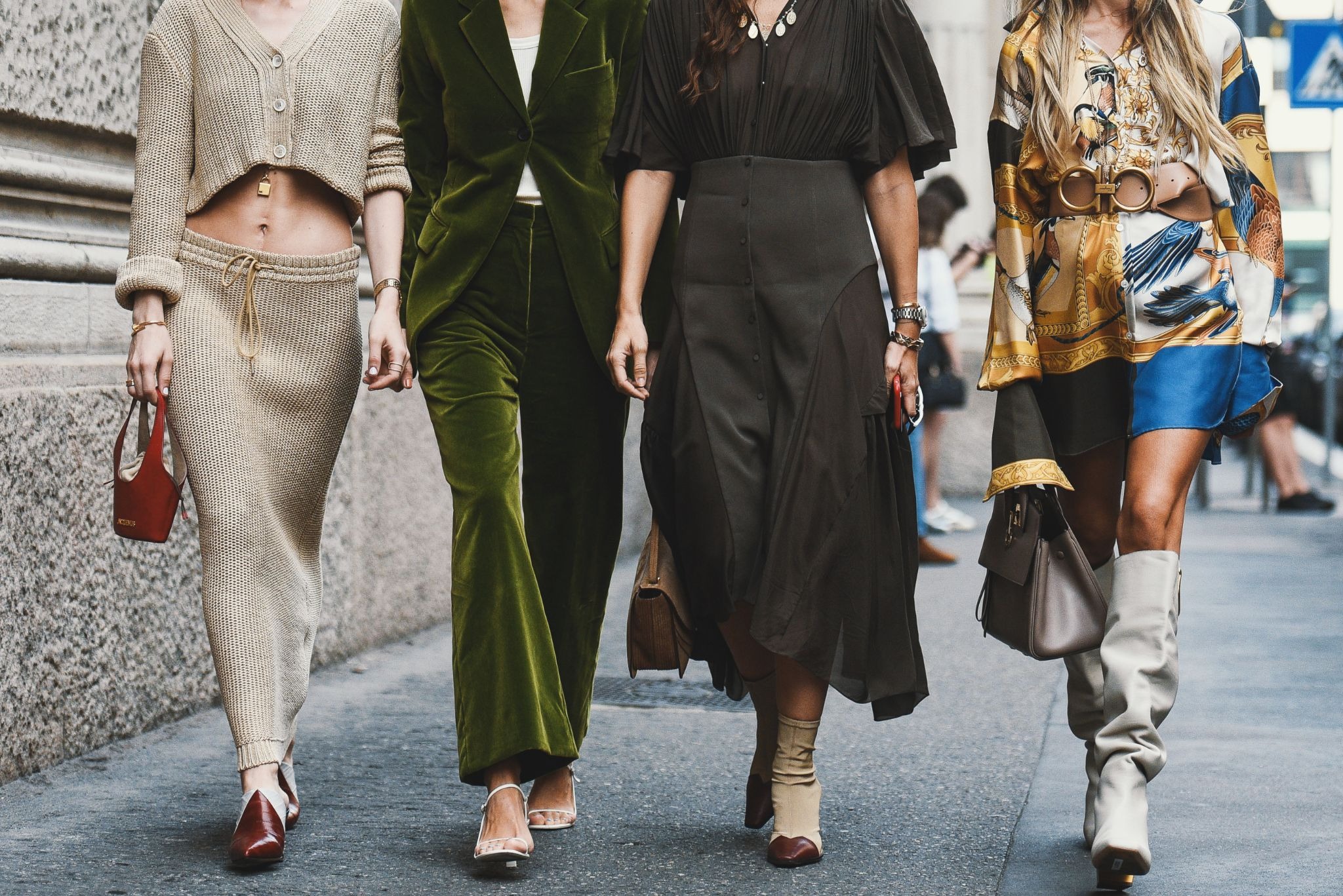
Trends don't appear out of nowhere. They follow a recognizable pattern, starting in niche communities before spreading to the mainstream and eventually fading as the next trend begins to build. Understanding how trends work gives brands a significant advantage in timing their decisions correctly.
The 4 Stages of a Trend Life Cycle
Every trend moves through four distinct stages. Knowing which stage a trend is in tells you exactly how much time you have left to act on it.
- Stage 1 - Emerging: The trend is just starting. Only innovators and early adopters are engaging with it. Search volume is low. Social mentions are niche. This is the best time to invest.
- Stage 2 - Rising: The trend is gaining momentum. More people are adopting it. Search interest is growing. Brands that move here still have a significant advantage.
- Stage 3 - Peak: The trend is mainstream. Everyone is talking about it. Retail is flooded with versions of it. Margins are tighter because competition is at its highest.
- Stage 4 - Declining: The trend has run its course. Early adopters have moved on. The mass market is still buying, but the trend is losing energy to look at what's emerging next.
Most brands enter at Stage 3. The brands that win consistently enter at Stage 1 or 2, which requires either exceptional intuition or, increasingly, data.
Types of Trends
Not all trends are the same. They vary in speed, scale, and how long they last. Here are the four main types every brand should understand.
Micro-Trends
Micro-trends are fast-moving and short-lived. They typically emerge on social media, particularly TikTok, and can go from zero to mainstream in a matter of weeks. Mob wife aesthetic, ballet core, and strawberry girl makeup are all recent examples of micro-trends. They create real sales spikes but burn out quickly. Brands that over-invest in micro-trends often find themselves sitting on unsold inventory once the moment passes.
Macro-Trends
Macro-trends move more slowly and last longer, typically three to five years. They reflect broader shifts in consumer behavior rather than a single viral moment. The move toward gender-neutral fashion is a macro-trend. So is the rise of quiet luxury. Macro-trends give brands more time to respond and represent more stable investment opportunities than micro-trends.
Mega-Trends
Mega-trends are decade-long shifts that reshape entire industries. Sustainability is a mega-trend. So is the integration of technology into everyday life. These are the deepest and most consequential shifts, and brands that ignore them do so at serious long-term risk. Mega-trends don't reverse. They evolve.
Consumer Trends
Consumer trends are shifts in how people shop, spend, and make purchasing decisions. The rise of secondhand shopping is a consumer trend. So is the preference for brand transparency and the growth of social commerce. Understanding consumer trends is especially important for retail buyers and marketing teams who need to align their messaging with how their audience actually thinks and behaves right now.
Where Do Trends Come From?
Trends don't start in boardrooms. They start in culture, and then they move upward into the mainstream. Understanding where trends originate is the first step to spotting them early.
Culture, Music, and Street Style
The most powerful trends begin in subcultures before they reach the mainstream. Music scenes, art movements, youth culture, and street style have historically been the birthplaces of some of fashion's most enduring trends. Hip-hop gave streetwear its cultural foundation. The Y2K revival started with Gen Z rediscovering early 2000s nostalgia. Cottagecore emerged from a collective desire for simplicity and escape during periods of urban anxiety.
Watching what's happening in subcultures, not mainstream media, is where the earliest trend signals are found. By the time a trend reaches a mainstream magazine cover, it's already moving toward its peak.
How TikTok Changed Everything
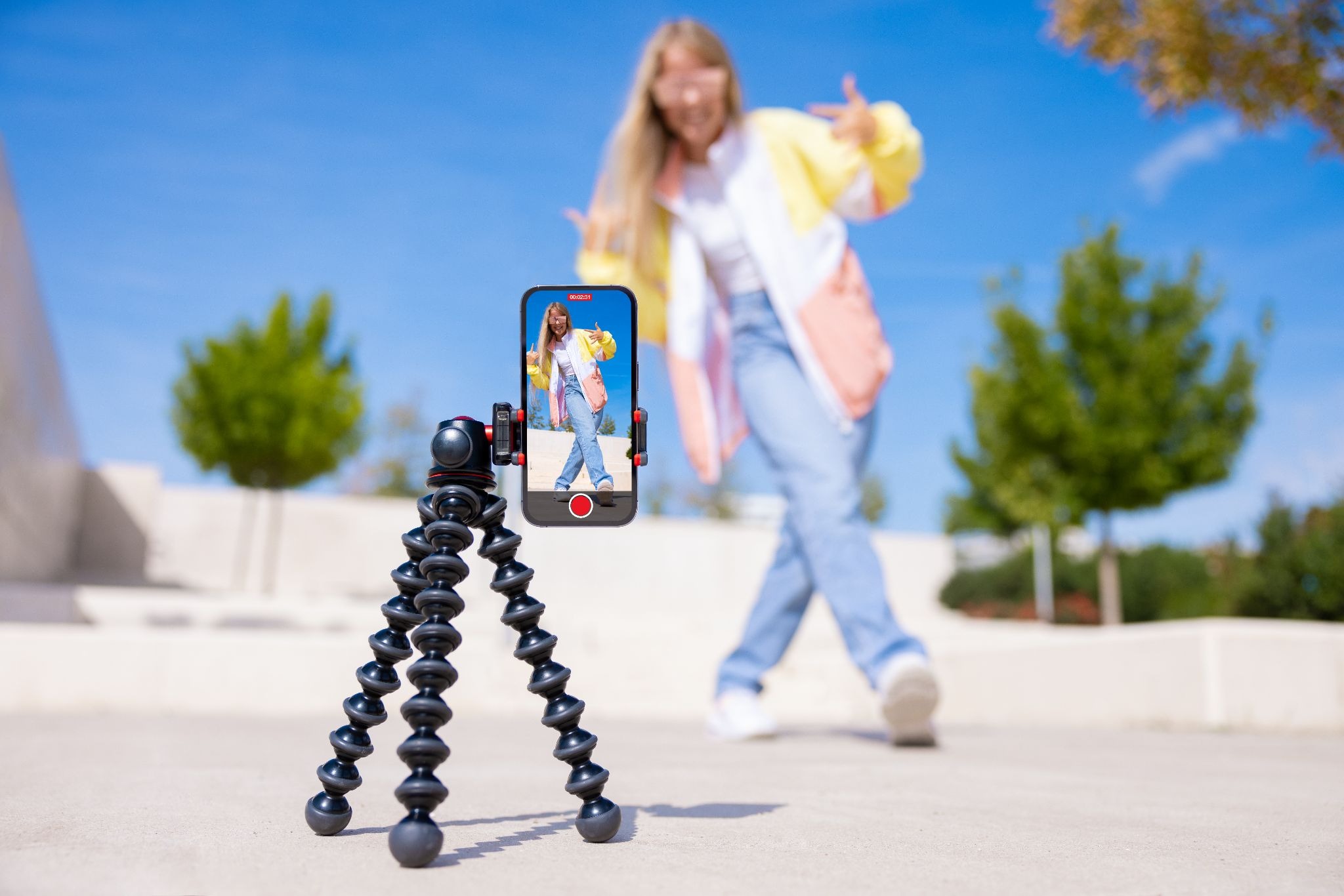
TikTok has fundamentally changed how fast what is a fashion trend spreads. What used to take two years to travel from runway to retail now takes two weeks. A single video can turn a niche product into a sold-out phenomenon overnight. Stanley cups. Nara Smith's aesthetic. The clean girl look. All of these started on TikTok and moved into mainstream consciousness faster than any previous trend cycle.
But TikTok trends also burn out faster. The platform accelerates both the rise and the decline. This means brands need to distinguish between TikTok trends that have genuine cultural staying power and those that are purely algorithmic moments, because the investment implications are very different.
- TikTok compresses trend cycles from years to weeks
- Not every TikTok trend has cultural depth; many are fads
- The brands that win on TikTok use data to validate before investing
How Trends Spread
The spread of a trend follows a well-documented pattern called trend diffusion. It was originally described by sociologist Everett Rogers and has been refined significantly since, particularly in the age of social media.
Trends begin with innovators, the small group of people who adopt new ideas first. They're followed by early adopters, who have cultural influence and help legitimize the trend. Then comes the early majority, who adopt the trend once it feels safe and proven. The late majority follows, and finally the laggards, the last group to adopt before the trend begins its decline.
- Innovators (2.5%): first to adopt, highest risk tolerance
- Early adopters (13.5%): influential, help spread the trend
- Early majority (34%): mainstream adoption begins here
- Late majority (34%): the trend is fully saturated at this point
- Laggards (16%): adopt just before the trend declines
For brands, the most valuable position is between innovators and early adopters. That's where the trend has enough momentum to validate investment but hasn't yet reached the point of maximum competition. Getting there consistently requires a systematic approach to trend identification, not gut instinct.
Why Trends Matter for Brands and Retailers

Trends aren't just interesting to follow. They're commercially critical. The brands and retailers that understand trend cycles consistently outperform those that don't, in sales, margins, and market positioning.
The Cost of Missing a Trend
Missing a trend doesn't just mean lost sales on one product. It means losing market share to competitors who moved faster. It means excess inventory in categories that consumers have moved on from. And it means marketing spend that doesn't resonate because the message is out of sync with where culture actually is.
The fashion industry loses billions annually to overproduction and unsold inventory, a significant proportion of which comes from brands that misread or miss trend signals. Getting the timing wrong is one of the most expensive mistakes a retail buyer can make.
The Advantage of Spotting One Early
Brands that spot a trend early have a genuine competitive edge. They can develop and stock the right products before demand peaks. They can build marketing campaigns that feel fresh rather than reactive. And they can command better margins because they're not competing in a saturated market yet.
Early trend adoption also builds brand perception. Consumers remember the brands that introduced them to something new. Being first, or among the first, to respond to a rising trend creates a brand association with being ahead of the curve that's very hard to buy back once it's lost.
Real Examples of Trend Cycles in Action
Looking at real trend cycles makes the theory much easier to understand. Here are three examples of how trend diffusion actually plays out.
- Quiet Luxury: Started as a niche aesthetic on fashion blogs and Pinterest boards. Picked up by early adopters on Instagram. Reached mainstream when the term went viral on TikTok in 2023. By 2024, it was in every high street retailer. By 2025, it was declining as consumers moved to the next thing.
- Stanley Cups: A functional product that existed for decades before a TikTok community transformed it into a status symbol. Classic micro-trend to macro-trend journey, driven entirely by social proof and community identity rather than any product change.
- Oversized Blazers: Began in menswear, crossed into womenswear through street style in major cities, validated by runway collections, then mainstreamed through high street retail. A textbook macro-trend following the classic diffusion curve over three to four years.
In each case, the trend left data trails before it hit mainstream. Search volumes climbed. Social mentions grew. Specific creators drove early adoption. All of that was visible in the data before the trend peaked, if you knew where to look.
How to Identify Trends Before They Peak

Identifying trends early requires a systematic approach. Gut instinct and personal observation are useful starting points, but they don't scale, and they're subject to bias. The most reliable approach combines multiple data sources to build a picture of where consumer attention is moving.
- Social media signals: Which hashtags, aesthetics, and products are gaining engagement velocity on TikTok and Instagram?
- Search trend data: Which terms are seeing rising search volume before mainstream media picks them up?
- Runway analysis: Which silhouettes and colors are appearing across multiple shows simultaneously?
- Retail sell-through data: Which product categories are outperforming expectations?
- Cultural signals: What's happening in music, art, and youth culture that might be pointing toward the next shift?
The challenge is that none of these signals alone tells the full story. A spike in TikTok engagement might be a fad. A rise in search volume might reflect media coverage rather than genuine demand. It's the convergence of multiple signals, all pointing in the same direction at the same time, that marks a real trend.
How AI Trend Forecasting Works
AI has transformed trend analysis from an intuitive process into a data-driven one. AI trend forecasting platforms process millions of data points simultaneously and identify patterns impossible to spot manually:
- Social media posts and engagement velocity
- Search behavior and rising keyword volumes
- Retail signals and sell-through data
- Runway coverage and editorial placements
The key advantage is speed. A human analyst might take weeks to build a picture. An AI system surfaces the same patterns in real time, flagging trends at Stage 1 or 2, when there's still time to act.
AI also removes subjectivity. Instead of relying on one analyst's instinct, AI-powered fashion trend forecasting tools weigh signals objectively based on:
- Velocity: how fast engagement is growing
- Scale: how many people are engaging
- Cross-industry corroboration: whether multiple sectors show the same signal
For brands and retailers, the practical outcome is clear:
- Smarter inventory decisions
- Better-timed product launches
- Marketing campaigns aligned with what consumers actually want
Understanding what a trend is is the foundation. Acting on it at the right moment is what drives results. That's exactly where platforms like Trendalytics come in.
Conclusion
A trend is more than a moment. It's a signal about where culture is heading, and for brands and retailers, understanding that signal early is one of the most valuable competitive advantages available. From the simple trend definition to the mechanics of how trends spread, the lifecycle they follow, and the data tools that help identify them early, trend intelligence is now a business fundamental.
Whether you're a brand trying to develop the right product, a buyer making inventory decisions, or a marketer building campaigns that actually land, understanding what a trend is and how it works is where smart strategy starts. Want to see how Trendalytics helps brands turn trend signals into confident decisions? Request a demo today.
FAQs
1. What is a trend in simple words?
A trend is a general shift in how people think, behave, or buy over time. It reflects changing values and interests across a group of people or an entire market. Trends build slowly, last longer than fads, and often reflect bigger cultural changes.
2. What is the difference between a trend and a fad?
A fad is short-lived and has no deeper cultural meaning; it rises fast and disappears fast. A trend builds gradually, reflects real shifts in consumer behavior, and lasts significantly longer. Fidget spinners were a fad. Sustainable fashion is a trend.
3. What are the main types of trends?
The four main types are micro-trends (fast, short-lived), macro-trends (slower, three to five years), mega-trends (decade-long shifts), and consumer trends (changes in how people shop and make decisions). Each type requires a different strategic response from brands.
4. How do trends start?
Trends typically start in subcultures, music scenes, art communities, youth culture, and street style. They're adopted first by innovators and early adopters before spreading to the mainstream. Social media, particularly TikTok, has significantly accelerated how fast this process happens.
5. How can brands identify trends early?
Brands identify trends early by combining multiple data signals, social media velocity, search trend growth, runway analysis, and retail sell-through data. AI trend forecasting platforms process these signals simultaneously to flag emerging trends before they reach mainstream, giving brands time to act while the opportunity is still open.
Get ahead and stay
ahead with AI-powered trend forecasting.
Request a demo. Our AI tools are unmatched in the marketplace for predictive data and trend forecasting.