
What Is a Trend Report and How Do Brands Use It?
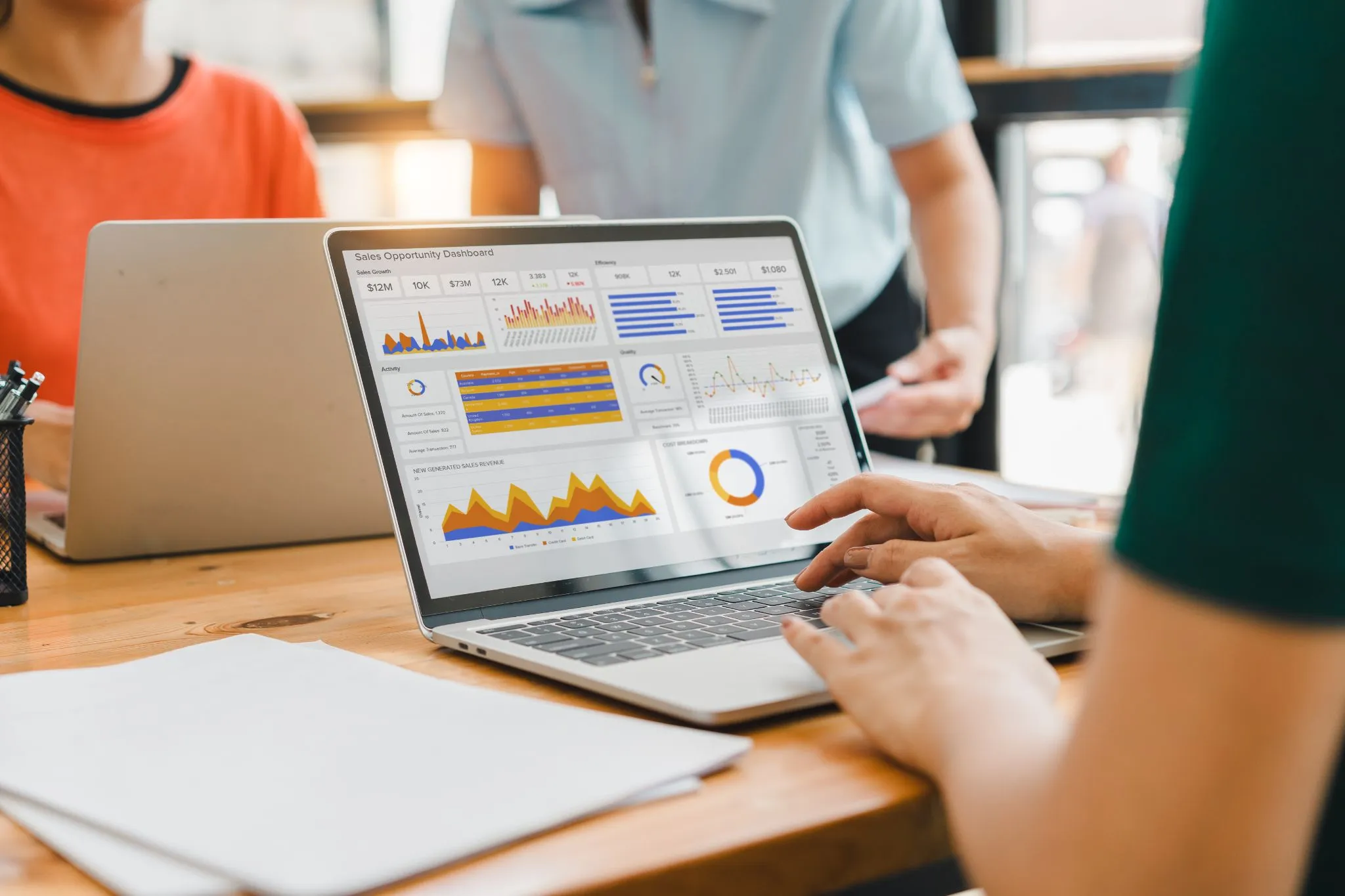
What is a trend report? At its most basic, it's a structured document that captures where a market, category, or consumer behavior is heading, and what brands should do about it. Not just a list of what's popular right now. A properly built trend report looks forward, identifying what's building, what's peaking, and what's about to decline.
Every major brand you know of uses trend reports to make decisions. What colors to produce next season. Which product categories to invest in. When to launch a campaign. The intelligence inside a trend report shapes choices that directly affect revenue, and brands that use them well consistently outperform those that rely on instinct alone.
What Is a Trend Report? The Simple Definition
A trend report is a structured analytical document that captures, interprets, and condenses current developments and future trends within a specific topic or industry. Its goal is to give decision-makers clear orientation, so they can make strategic choices based on observable patterns rather than gut feeling.
The best trend reports combine three things: qualitative research (cultural signals, creative direction, consumer sentiment), quantitative data (search behavior, sales performance, social engagement), and visual elements that make complex information easy to act on. A trend report isn't just about describing what's happening. It's about explaining why it's happening and what it means for the people reading it.
Trend Report vs Trend Forecast: What's the Difference?
These two terms get used interchangeably, but they're not quite the same thing. A trend report documents and analyzes what is currently happening or has recently happened. It's descriptive and analytical. A trend forecasting report goes further; it uses that analysis to predict what will happen next. Most professional trend reports include both elements: current analysis plus forward-looking prediction.
Think of it this way. A trend report tells you that oversized blazers are selling well across the US right now. A trend forecast tells you that demand for oversized blazers will peak in Q3 and begin declining by Q1 next year. Both are valuable, but they serve different decisions.
Trend Report vs Trend Analysis: Are They the Same?
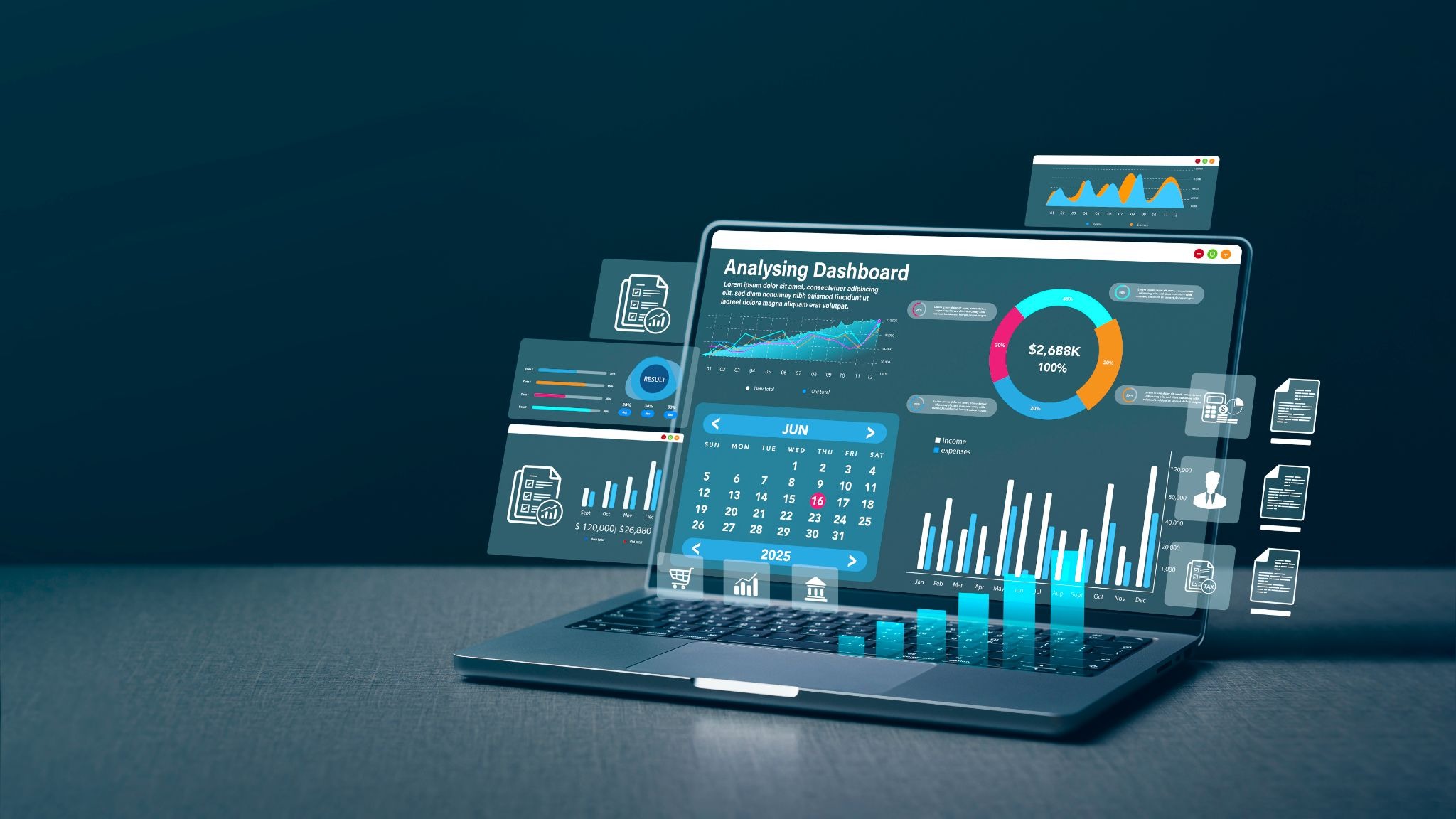
Not exactly. Trend analysis is the process, the systematic examination of data to identify patterns over time. A trend analysis report is the output of that process. Trend analysis is what you do. A trend report is what you produce. The distinction matters because the quality of a trend report depends entirely on the rigor of the analysis behind it.
A trend report built on shallow data, a few social posts, and a hunch is not the same as one built on millions of data points across search, social, retail, and runway. The format might look similar. The reliability is completely different.
Types of Trend Reports
Not all trend reports are the same. They vary significantly by purpose, audience, and the type of data they draw on. Here are the main types every brand should understand.
Fashion and Consumer Trend Reports
The fashion trend report is the most widely recognized type, and the most complex. It covers the direction of colors, silhouettes, fabrics, styling, and consumer aesthetics across upcoming seasons. Fashion trend reports are built months or even years in advance of the season they cover. A spring 2027 trend report, for example, would typically be published in mid-2026, giving brands time to develop, produce, and launch products that align with predicted consumer demand.
Consumer trend reports are broader. Rather than focusing solely on what people will wear, they track how people will live, shop, and prioritize across categories. These reports are used by brands in fashion, beauty, food, technology, and home to understand the deeper cultural shifts driving purchasing behavior.
Color Forecasting Reports
The color forecasting report is one of the most specialized types of trend report, and one of the most commercially consequential. Color decisions affect every product category, from apparel and beauty to packaging, interiors, and tech. Getting color wrong means unsold inventory. Getting it right means bestsellers.
Organizations like Pantone and WGSN publish color forecasts 18 to 24 months in advance. These reports don't just name the colors; they explain the cultural reasoning behind them, the consumer psychology that makes them resonate, and the product categories where they'll have the greatest impact. Color forecasting reports are used by designers, buyers, and product development teams across virtually every consumer industry.
Retail and Market Trend Reports
A retail trend report focuses on the commercial side of the trend story. Rather than leading with aesthetics, it leads with data: which categories are growing, which are declining, which price points are performing, and which demographics are driving demand. Retail trend reports are used by buyers, merchandisers, and business strategy teams to make inventory and assortment decisions.
Market trend reports zoom out further still, tracking industry-wide shifts in consumer behavior, distribution channels, competitive dynamics, and economic factors. These are the reports that inform brand positioning and long-term strategy rather than season-by-season product decisions.
Social Media Trend Reports
Social media trend reports have become one of the most influential categories of trend intelligence in recent years. Pinterest publishes an annual Pinterest Predicts report that has become legendary in the industry for its accuracy, consistently identifying trends that go mainstream 12 months after the report is published. TikTok, Instagram, and YouTube all generate their own trend intelligence that brands access through various platforms and partnerships.
What makes social media trend reports valuable is their speed and specificity. They can identify micro-trends building within specific communities weeks or months before those trends reach mainstream search or retail. For brands that need to move quickly, social media trend data is often the earliest signal available.
What's Inside a Trend Report?

What you'll find inside a trend report varies by type and provider, but the strongest reports share a consistent set of components.
- Trend identification: which trends are emerging, rising, peaking, or declining
- Cultural context: the 'why' behind each trend. What shifts in consumer values or behavior are driving it?
- Data proof points: search volume growth, social engagement velocity, sales performance, runway presence
- Visual references: imagery, color palettes, and product examples that show what the trend looks like in practice
- Consumer insights: who is driving this trend and what motivates them
- Commercial implications: what this trend means for product development, marketing, and retail strategy
- Timeline: when the trend is expected to peak and how long it will remain commercially relevant
- Actionable recommendations: specific steps brands can take to capitalize on the trend
The last two elements, timeline and actionable recommendations, are what separate genuinely useful trend reports from ones that simply describe what's happening. Knowing that a trend exists isn't enough. Knowing when to act on it and how is where the commercial value lives.
Who Creates Trend Reports?
Trend reports come from several different sources, and understanding who creates them helps you evaluate how much to trust them.
Professional Trend Forecasting Agencies
The most authoritative trend reports come from dedicated forecasting agencies with large research teams, proprietary data sources, and decades of industry experience. Traditional agencies like WGSN have long dominated trend forecasting, but their reports are expensive, subscription-heavy, and built on manual research cycles that can't keep up with how fast trends move today. AI-powered platforms like Trendalytics fill that gap, delivering real-time trend intelligence at a fraction of the cost.
Trendalytics operates in this space with a strong focus on data-driven trend intelligence, using AI to track real-time signals across TikTok, search, and the wider market to identify which trends are building genuine commercial momentum. Platforms like these give brands access to trend intelligence that would be impossible to build in-house at the same scale or speed.
Industry Organizations and Media
Pantone publishes the most recognized color forecasting report in the world; their Color of the Year genuinely moves markets across every consumer category. Pinterest Predicts has built a reputation for accuracy that professional forecasters respect. Media publications like Vogue and WWD publish seasonal trend coverage, but these are editorial perspectives, not data-driven intelligence. They're useful for cultural context, not commercial decision-making.
These reports are valuable for broad directional guidance, but they're typically less granular and less data-intensive than what a dedicated forecasting platform delivers. They're best used as cultural context alongside more specific commercial intelligence.
In-House Research Teams
Many large brands build their own internal trend research capabilities, teams whose sole job is to monitor signals, synthesize intelligence, and produce trend reports for internal use. Nike, Zara, and H&M all have significant internal trend forecasting operations. The advantage is proprietary data and brand-specific relevance. The challenge is cost, scale, and the difficulty of building the kind of cross-industry perspective that external forecasting platforms offer.
AI-Powered Platforms
AI trend report tools are the fastest-growing category in trend intelligence. These platforms use machine learning to process millions of data points simultaneously-, social posts, search queries, retail signals, runway coverage- and surface emerging trends at a speed and scale no human team can match. The result is trend reports that are more current, more data-dense, and more actionable than traditional approaches.
How Brands Use Trend Reports
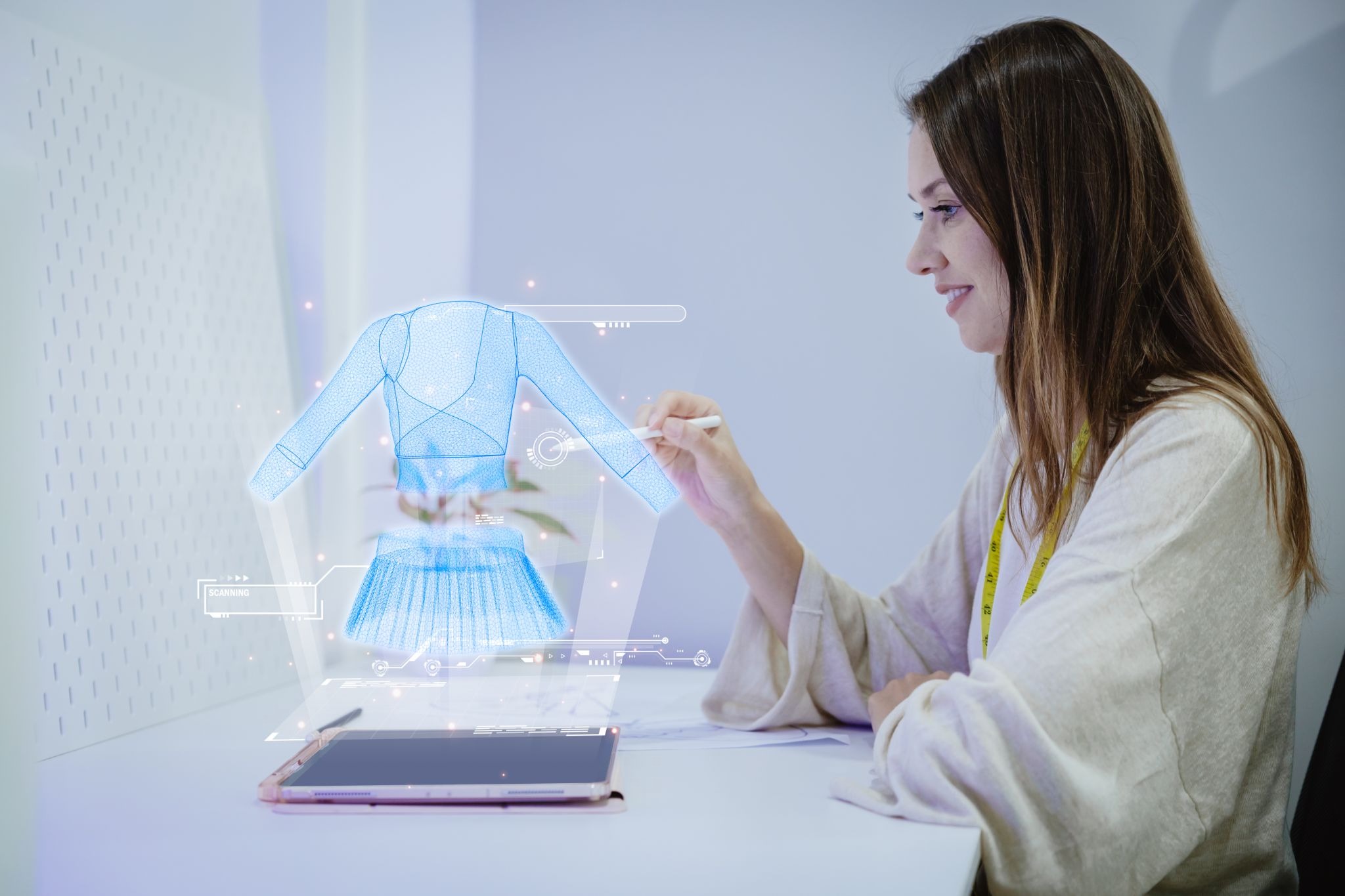
Understanding what a trend report is matters less than understanding what you actually do with one. Here's how brands across the US and globally are using trend reports to make better decisions.
Product Development and Design
This is the most fundamental use of a trend report. Designers and product development teams use trend reports to make decisions about colors, silhouettes, materials, and features before committing to production. A fashion brand developing its fall 2027 collection in early 2026 needs to know which aesthetic directions will resonate with consumers 18 months from now, not what's popular today.
Trend reports give development teams the confidence to make bold creative choices because those choices are grounded in evidence. When a design director can point to a trend report showing that a particular color or silhouette is building consistent momentum across multiple data sources, it's much easier to get organizational buy-in for a direction that might feel ahead of its time.
Inventory Planning and Buying
Retail buyers use trend reports to make inventory decisions: which products to order, in what quantities, and at what price points. Getting this wrong is expensive. Buying too much of a trend that peaks before your inventory arrives means markdowns. Buying too little of a trend that performs better than expected means missed sales and disappointed customers.
A good retail trend report reduces both risks. It tells buyers not just which trends are rising, but how fast, and critically, when they're likely to peak. That timing intelligence is what allows a buyer to arrive at the right moment rather than too early or too late.
Marketing and Campaign Timing
Marketing teams use trend reports to plan campaigns that feel culturally relevant rather than reactive. A campaign built around a trend that hasn't peaked yet looks prescient. The same campaign launched after the trend has peaked looks like it missed the moment. The difference is timing, and timing comes from trend intelligence.
Campaign planning cycles typically run three to six months ahead of launch. That means marketing teams need trend intelligence that looks at least that far forward, which is exactly what a quality trend forecasting report delivers.
Competitive Positioning
Trend reports help brands understand not just where the market is going, but where their competitors are likely to go. By tracking which trends are building across an entire category, brand strategists can identify white space, trends that are gaining momentum but haven't yet been claimed by a dominant brand. Moving into that space early, before competitors arrive, is one of the highest-value applications of trend intelligence.
Real Brand Examples
Pinterest Predicts is one of the most striking examples of trend report influence in action. In their 2023 report, they predicted the rise of 'Cowboy Copper' as a hair color trend. By 2024, it was the most searched hair color in the US. The brands and salons that read that report early and prepared for it were ready when demand peaked. Those that didn't were scrambling to respond.
Nike uses internal trend intelligence to time product drops and colorway decisions. Their Air Force 1 color releases are planned months in advance based on color trend data, ensuring each drop feels fresh rather than derivative. Stanley Cup's viral moment in 2023-2024 was driven partly by trend intelligence that identified a community of hydration-focused consumers building on social media long before the mainstream caught on.
How to Read a Trend Report Effectively
Getting value from a trend report isn't just about reading it. It's about knowing what to look for and how to translate what you find into decisions.
- Start with the timeline: when is this trend expected to peak? That determines urgency. A trend at Stage 1 gives you months to prepare. One at Stage 3 requires immediate action or a decision to pass.
- Look for convergence: trends supported by multiple data sources (search + social + retail + runway simultaneously) are more reliable than those with a single signal.
- Identify the 'why': understanding the cultural reason behind a trend helps you predict how long it will last and which adjacent categories it might spread to
- Focus on the actionable recommendations: the best trend reports tell you specifically what to do, not just what's happenin.g
- Cross-reference with your own data: a trend that's building broadly but also showing up in your own customer behavior is a higher-confidence signal than one that's only visible at a market level.
How Often Should Your Brand Use Trend Reports?
The honest answer: more often than most brands currently do. Quarterly trend report reviews are the minimum for any brand making seasonal decisions. Monthly reviews are better, because trends move faster now than they used to. And for brands in fast-moving categories like beauty or streetwear, real-time trend monitoring through platforms like Trendalytics provides continuous intelligence rather than periodic snapshots.
The brands that use trend reports most effectively treat them as a living input, something that's constantly updated and regularly reviewed, rather than a one-time document that gets filed and forgotten.
What Makes a Good Trend Report?
Not all trend reports are created equal. Here's what separates the ones worth acting on from the ones that look impressive but deliver little commercial value.
- Data-backed: every trend claim should have evidence behind it. Search volume growth, social velocity, retail performance, or runway presence. Opinion without data is editorial, not intelligence. nce
- Forward-looking: a trend report that only describes what's already mainstream is too late to be useful. Good reports identify what's building before it peaks
- Actionable: clear recommendations, not just descriptions. What should a brand actually do with this information?
- Timely: trend intelligence has a shelf life. A report published six months ago may already be outdated in fast-moving categories .ries
- Visual: complex trend information is easier to act on when it's presented clearly. Color palettes, product imagery, and visual references make trend reports more useful.
- Specific: broad statements like 'sustainability is trending' are less useful than specific signals like 'recycled nylon outerwear is gaining 40% search momentum in the US Q3 2026'
- Honest about uncertainty: no trend report can predict the future with certainty. The best ones communicate confidence levels and flag where signals are strong versus where they're still emerging.
How AI Is Changing Trend Reports
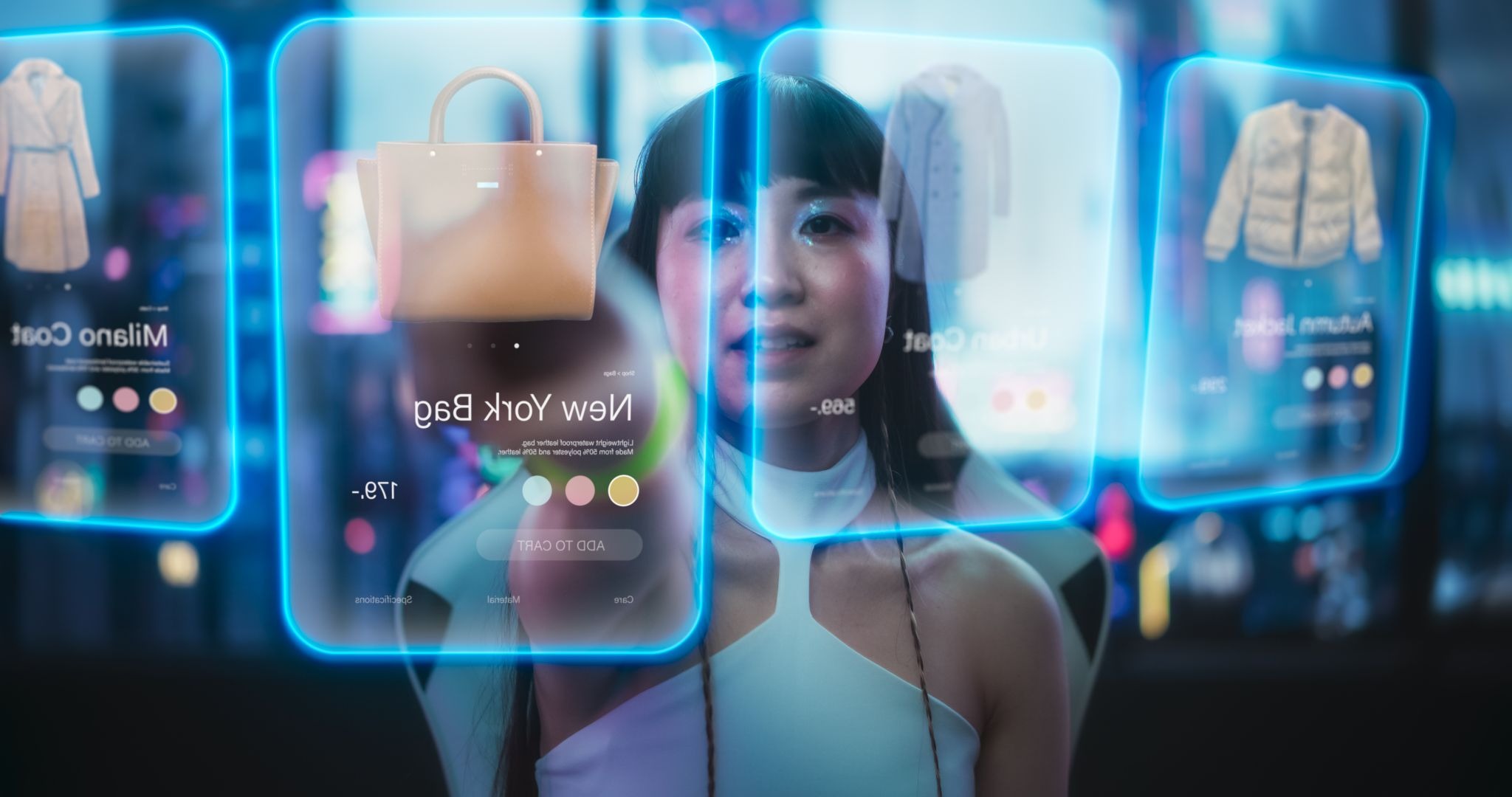
Trend reports have existed for decades. What's changed is the speed and accuracy with which trend intelligence can now be gathered.
Traditional reports were built by human researchers, attending trade shows, monitoring runways, and interviewing consumers. Thorough but slow. By the time a report was published, some trends had already moved.
AI has changed that in two ways:
- Speed: AI processes millions of data points simultaneously. TikTok insights, search behavior, retail signals, editorial placements. What took researchers weeks now surfaces in real time.
- Objectivity: Human researchers bring aesthetic bias. AI weights signals based on data alone, reflecting what consumers actually want, not what a researcher finds interesting.
Trendalytics uses this approach to deliver trend intelligence that gives brands a genuine early-mover advantage. Rather than waiting for a seasonal report to confirm what's already peaked, brands can see what's building right now, and act while the window is still open.
Conclusion
A trend report is one of the most valuable tools available to any brand making decisions about products, inventory, marketing, or strategy. At its best, it's not just a document; it's a competitive advantage. The brands that use trend reports consistently and intelligently make better decisions, waste fewer resources on products that miss the market, and arrive at trend opportunities before their competitors do.
But the quality of the trend report matters enormously. Data-backed, forward-looking, specific, and timely- those are the characteristics that separate intelligence you can act on from content that simply describes what's already happened. Want to see what a real-time, AI-powered trend report looks like in practice? Request a demo with Trendalytics and find out which trends are building in your category right now.
FAQs
1. What is a trend report in simple words?
A trend report is a document that tracks where a market, category, or consumer behavior is heading. It combines data, cultural analysis, and visual references to help brands understand which trends are building, peaking, or declining, and what to do about it.
2. What is the difference between a trend report and a trend forecast?
A trend report analyzes what is currently happening or has recently happened. A trend forecasting report goes further, using that analysis to predict what will happen next. Most professional trend reports include both elements: current analysis plus forward-looking prediction.
3. Who uses trend reports?
Trend reports are used by designers, retail buyers, product developers, marketers, and brand strategists across fashion, beauty, food, technology, and more. Any brand making decisions about what to create, produce, or market can benefit from trend report intelligence.
4. How often should a brand use trend reports?
At minimum, quarterly, aligned with seasonal planning cycles. Monthly is better for fast-moving categories. Brands in beauty, streetwear, or social commerce benefit from real-time trend monitoring through AI platforms that update continuously rather than producing periodic static reports.
5. What makes a good trend report?
A good trend report is data-backed, forward-looking, actionable, timely, and specific. It doesn't just describe what's trending; it explains why, when it will peak, and what brands should do about it. Reports built on AI-powered data are typically more accurate and more current than those built on manual research alone.
Get ahead and stay
ahead with AI-powered trend forecasting.
Request a demo. Our AI tools are unmatched in the marketplace for predictive data and trend forecasting.