
2026 Fashion Trend Forecasting: What Will We Wear Next
2026 Fashion Trend Forecasting is the art and science of predicting the styles, fabrics, colors, and accessories people will want next year. It’s no longer about guessing or relying solely on past trends. Today, brands use advanced tools and AI to track social media, consumer behavior, and cultural shifts to see what will become popular. Platforms like Trendalytics are helping companies in the US understand emerging patterns before they hit the mainstream.
This process turns data into insight, helping brands make smarter design and marketing decisions. From clothing silhouettes to beauty routines, trend forecasting ensures products meet customer demand right when they want it.
How AI Predicts Fashion Trends?
AI has completely changed how we forecast fashion. Instead of guessing, brands now rely on AI Trend Forecasting tools to analyze millions of data points in real time. Social media posts, influencer activity, online searches, and even viral content are scanned to detect trends early.
For example, if Instagram or TikTok shows a spike in interest for oversized sweaters or layered skirts, AI identifies these patterns. Brands then act on these insights, designing products that are likely to sell. Tools like Trendalytics give designers a clear picture of what’s emerging, especially in the US market, where trends can go viral within days.
This data-driven approach allows companies to move from culture to conversion, turning early signals into products people love.
Key Outlines & Styles for 2026
Fashion in 2026 is all about balance. Oversized pieces of the early 2020s are making way for defined outlines.
- Structured Tailoring: Fitted waists, double-breasted blazers, and slim trousers dominate. The focus is on elegance and refinement, moving away from baggy looks.
- Volume Play: Balloon pants, bubble skirts, and sculptural sleeves are gaining popularity. These pieces are fun yet flattering, giving outfits dimension and movement.
- Romantic Sheerness: Organza, lace, and soft sheer overlays combine modesty with allure, offering a delicate and sophisticated touch.
- Menswear Focus: Slim fits and tailored outerwear are becoming essential for men. Jackets and blazers with structured shoulders and cinched waists give a refined look, while allowing personal styling creativity.
Emerging Design Trends are leaning towards mixing classic tailoring with bold statements, giving designers a lot of room for creativity.
Textures & Fabrics
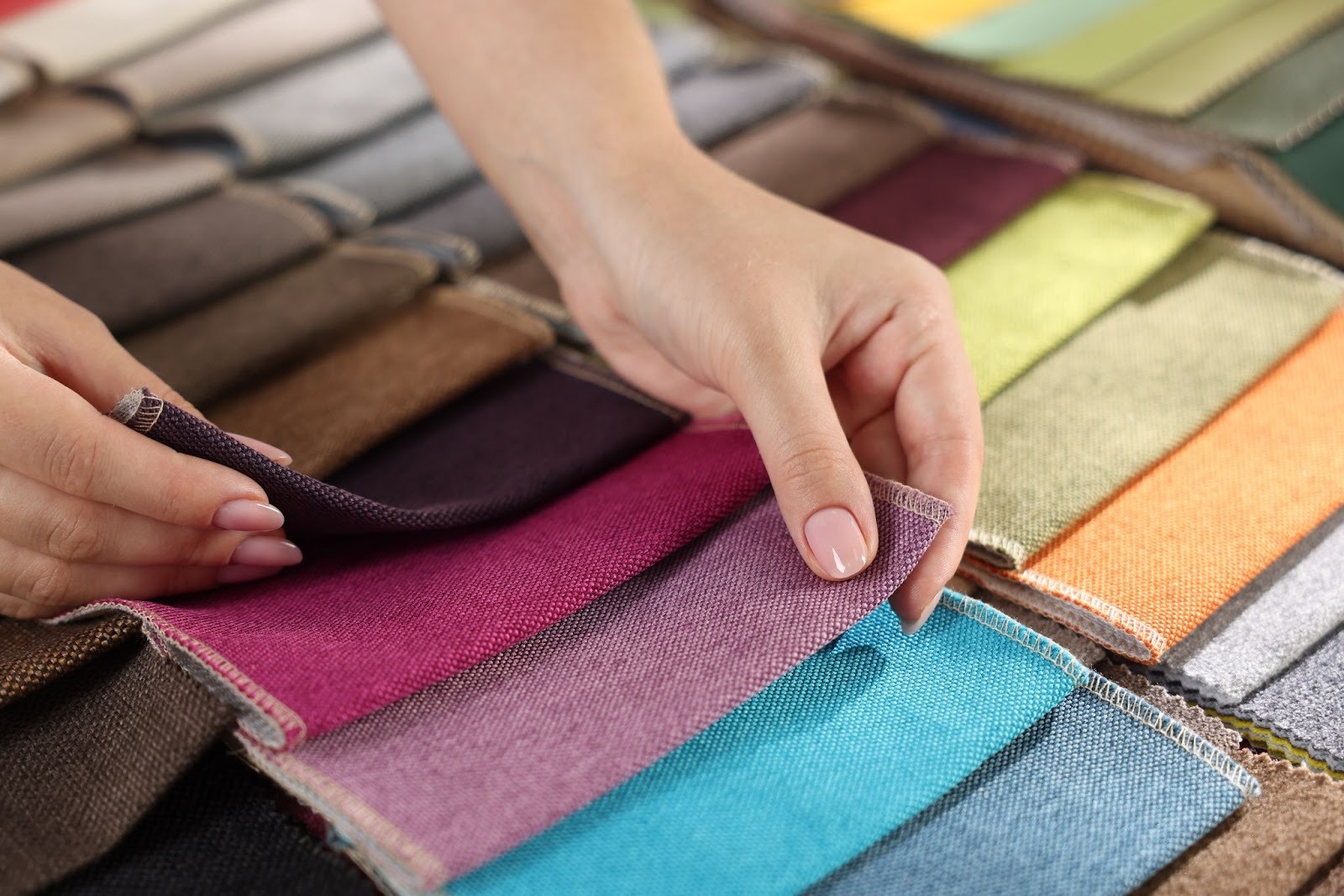
Textures are taking center stage in 2026 fashion:
- Gummy & Glossy Textures: Tactile finishes and soft rubberized fabrics are popping up in dresses and accessories, appealing to both the eyes and touch.
- Soft & Flowing Fabrics: Silks, satins, and drapes create movement and elegance, perfect for layered outfits.
- Knits & Comfort: Oversized, chunky sweaters are still popular for their versatility and comfort, often paired with skirts or pants for layered looks.
These textures make clothing visually interesting and sensory-friendly, enhancing the overall experience of fashion.
Colors & Patterns Predicted for 2026
Color palettes in 2026 are vibrant yet sophisticated:
- Vibrant Hues: Teal, citrus green, dusty pastels, and pulse blue are predicted to dominate fashion collections.
- Earthy Tones: Warm terracotta and soft sage green bring comfort and a grounded feel.
- Plaids & Checks: These patterns are back in multiple fabrics, giving both casual and formal looks versatility.
- The New Neutrals: Grey emerges as a refined alternative to black, especially in tailored outfits.
Patterns and colors are informed not just by aesthetics but by cultural shifts, social media engagement, and consumer interest, tracked using AI-powered trend forecasting tools.
Key Looks and Styling
Several looks are set to dominate 2026 fashion:
- Librarian Chic: Layered cardigans, statement prints, and midi skirts create a classic yet playful aesthetic.
- Denim Experimentation: Layered denim, like skirts over jeans or patchwork designs, adds a bold, creative edge.
- Accessories: Long scarves with movement, statement boots, and belts are used to define outfits and add personality.
These trends are not only stylish but also practical, allowing consumers in the US to mix and match outfits for everyday wear.
The Role of Consumer Behavior in the US
Consumer preferences are driving trends more than ever. Gen Z Fashion Trends influence what gets produced and marketed. Social media, influencer marketing, and viral TikTok content set the stage for what becomes mainstream.
For instance:
- Searches for sustainable clothing are increasing as consumers prioritize eco-friendly options.
- Men are exploring bold fashion choices and grooming trends.
- Vintage-meets-modern styles are popular, blending nostalgia with contemporary aesthetics.
Trend forecasting tools help brands track these behaviors and act early, converting insights into products that resonate with shoppers.
Trendalytics & Data-Driven Forecasting
Trendalytics is a platform that gives brands a competitive edge by combining AI and consumer insights. It tracks online searches, social media engagement, and influencer activity to reveal emerging trends before they go mainstream.
Brands can see:
- What styles or colors are gaining attention
- Which products might sell quickly in the US
- How to position collections for maximum impact
Using Trendalytics, companies can confidently launch items at the perfect time, ensuring that cultural cues are turned into sales.
Lifestyle Trends Impacting Fashion
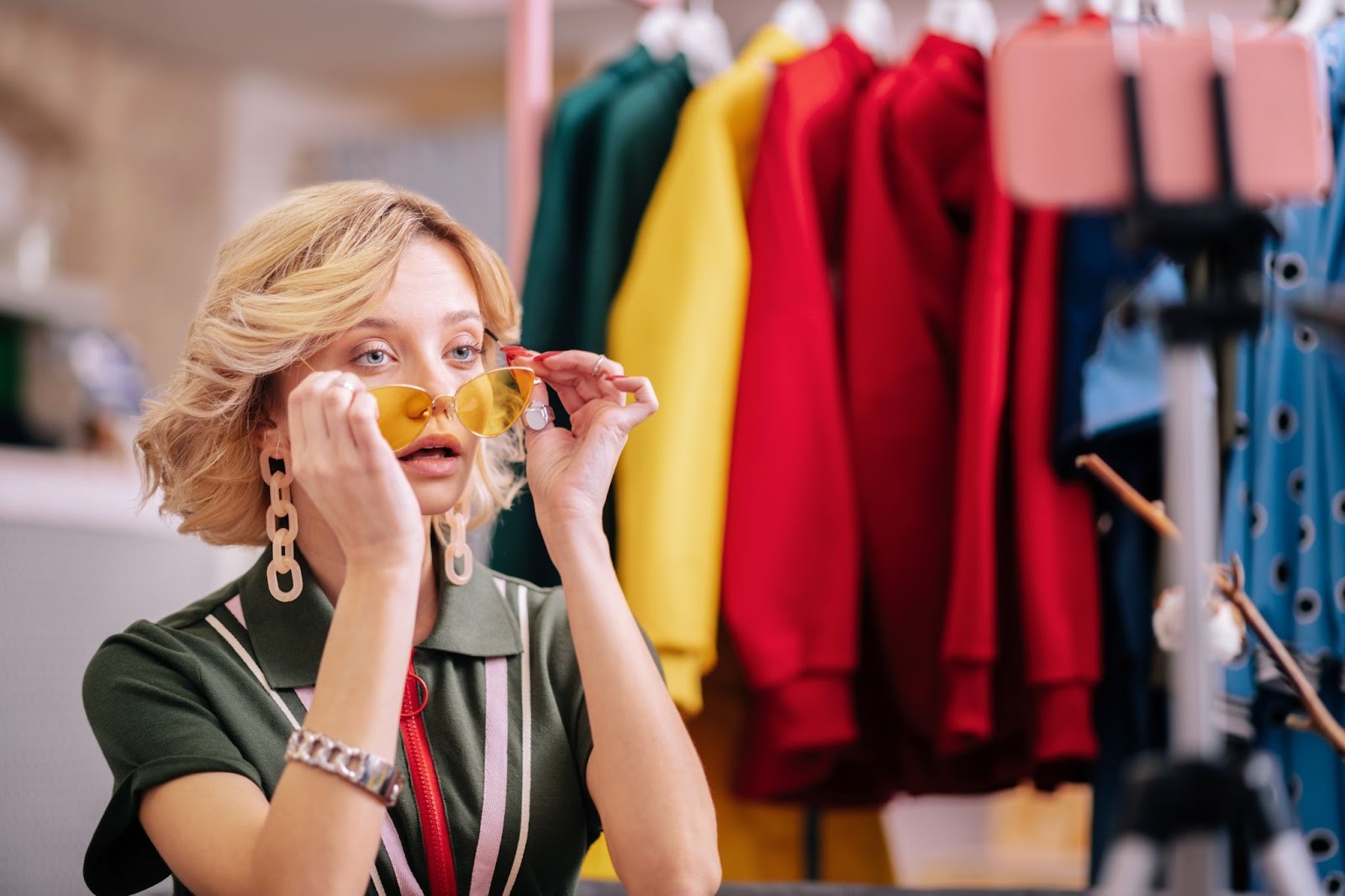
Lifestyle trends often shape clothing choices:
- Wellness: Relaxed, comfortable outfits like yoga-inspired wear or soft layering.
- Sustainability: Eco-friendly fabrics and refillable fashion items.
- Tech: Smart clothing, app-connected accessories, or interactive fabrics.
Brands integrating these lifestyle trends into designs can better align with consumer values, ensuring that products are relevant and desirable.
Fashion Forecasting Examples Using AI
Here are examples of how AI Fashion Trend Forecasting tool help brands:
- Silhouettes: Balloon skirts, slim trousers, and layered tops predicted months before release.
- Colors: Pantone trends analyzed with AI tools to identify which shades will be popular in 2026.
- Menswear: Slim fits and structured jackets are flagged by social media sentiment analysis as emerging favorites in the US.
AI allows brands to test predictions, reduce risk, and launch products that customers already want.
Conclusion
2026 Fashion Trend Forecasting combines culture, data, and technology to predict what people will wear next. With tools like Trendalytics, brands in the US and beyond can track consumer behavior, social media, and emerging design patterns to stay ahead. From bold shadow and textures to vibrant colors and lifestyle-driven trends, forecasting ensures companies deliver the right products at the right time.
Stay ahead of the curve in fashion! Use Trendalytics and AI-driven trend forecasting to plan your 2026 collections and meet your audience’s desires before trends go mainstream.
FAQs
Q1: What is 2026 Fashion Trend Forecasting?
It’s the practice of predicting upcoming clothing, colors, fabrics, and styles using data, AI, and consumer insights.
Q2: How does AI help predict fashion trends?
AI analyzes social media, online searches, influencer activity, and sales data to spot patterns and emerging trends.
Q3: Can small brands use Trendalytics?
Yes, AI and trend forecasting tools are accessible to small brands to plan designs, marketing, and product launches.
Q4: What colors and textures will dominate 2026?
Expect teal, dusty pastels, earthy tones, and tactile fabrics like silks, organza, and soft rubberized textures.
Q5: How often should brands check trend forecasts?
Frequently. Trends evolve quickly, especially in the US, and constant monitoring ensures brands stay ahead.
Get ahead and stay
ahead with AI-powered trend forecasting.
Request a demo. Our AI tools are unmatched in the marketplace for predictive data and trend forecasting.