
Fashion Trend Forecasting Tool 2026-2028
A Fashion Trend Forecasting Tool helps predict what styles, colors, fabrics, and designs will become popular in the future by analyzing data, consumer behavior, and market patterns. Instead of guessing trends, it studies what people are liking, buying, and talking about, and how these preferences are changing over time.
This tool gives fashion brands, designers, and retailers clear direction so they can plan collections with confidence, reduce risk, and make better decisions early. In simple words, it answers one key question: what kind of fashion people will prefer next, why those trends are rising, and how brands can prepare for them in advance.
What Is a Fashion Trend Forecasting Tool?
A fashion trend forecasting system is a digital solution that studies past and current fashion data to predict future trends. It looks at shopping behavior, runway shows, social media signals, search patterns, and retail data to understand where fashion is heading.
Modern tools use artificial intelligence to process large amounts of information quickly. Unlike manual forecasting, this approach reduces human bias and improves accuracy. Many brands in the US now depend on these tools to stay competitive in fast-changing markets.
Why Do Fashion Brands Need Trend Forecasting?
Fashion moves fast. What is popular today may be outdated tomorrow. Brands that fail to predict trends often face overstock, poor sales, and wasted resources.
Trend forecasting helps brands:
- Reduce financial risk
- Improve product planning
- Understand customer needs early
- Stay ahead of competitors
A strong Fashion Trend Forecasting Tool allows companies to react before trends go mainstream.
How AI Is Changing Fashion Forecasting?

Artificial intelligence has transformed forecasting by analyzing millions of data points in seconds. AI systems identify patterns humans often miss. They learn from customer behavior, seasonal changes, and global fashion movements.
An AI fashion trend forecasting tool uses machine learning to continuously improve predictions. As new data enters the system, forecasts become more accurate over time.
Some platforms combine AI insights with human expertise, similar to how AI-powered trend forecasting platforms guide strategic fashion decisions
How a Trend Forecasting Tool Works Step by Step?
Here is a simple breakdown:
- Data collection from online stores, social media, and fashion shows
- Pattern recognition using AI algorithms
- Trend classification by category, season, and audience
- Forecast creation based on probability models
- Report generation for business planning
These steps turn raw data into clear fashion insights.
Role of Data in Fashion Forecasting
Data is the foundation of accurate forecasting. Tools analyze:
- Sales history
- Search behavior
- Social engagement
- Seasonal demand
This data-driven approach helps brands avoid guesswork. Data-Driven Trend Forecasting ensures decisions are based on facts rather than opinions.
Understanding Consumer Behavior in Fashion
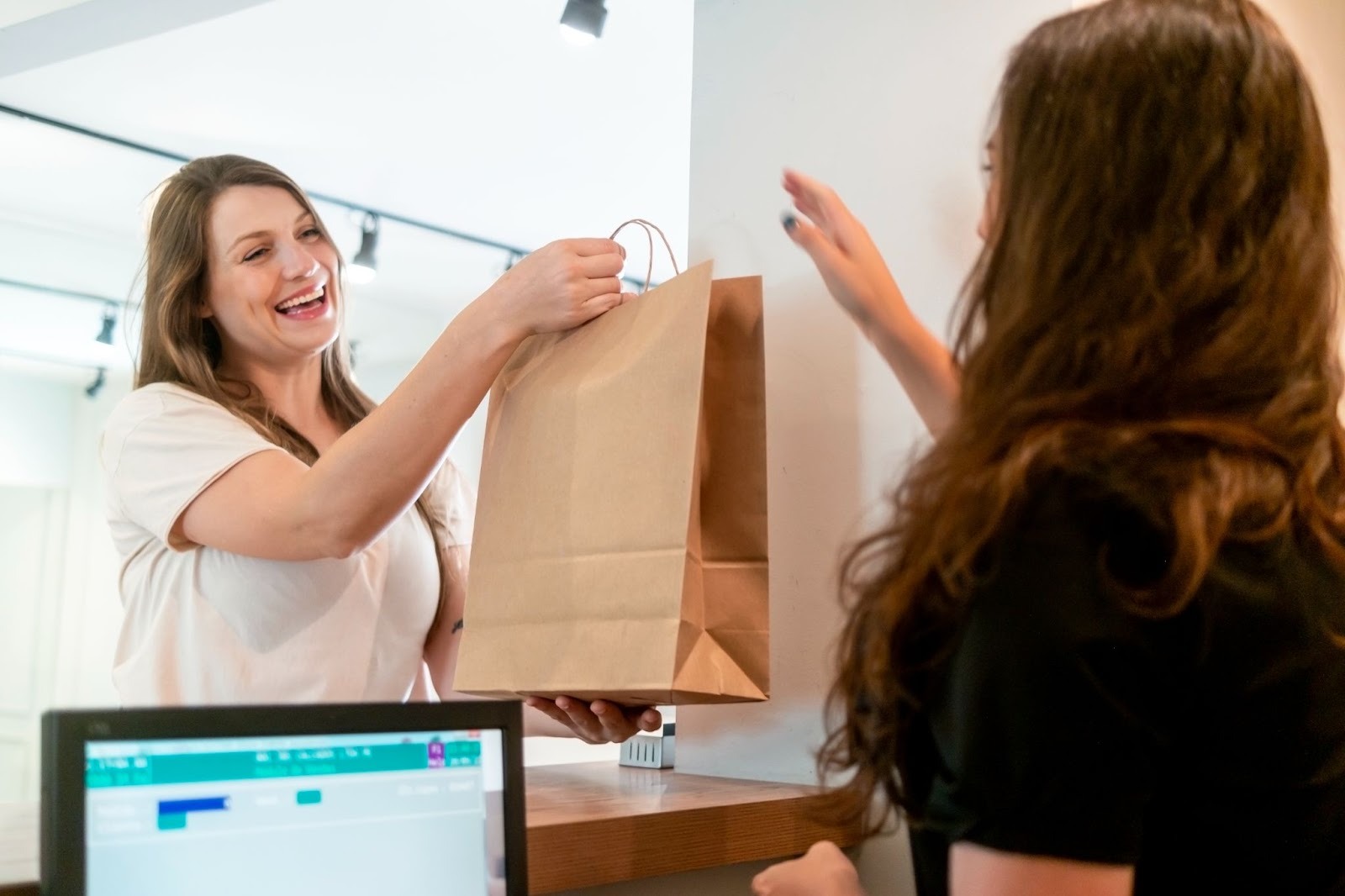
Consumer choices influence fashion trends more than ever. Shoppers today expect personalization, sustainability, and value.
By analyzing Consumer Behavior Trends, forecasting tools help brands understand:
- What customers want
- When they want it
- How preferences change
Retailers in the US use these insights to align product launches with customer demand.
Forecasting Colors, Fabrics, and Designs
Trend forecasting tools predict:
- Fabric popularity
- Design silhouettes
- Seasonal palettes
Color Trends in Fashion play a major role in collection planning. Predicting colors early helps brands align manufacturing, marketing, and merchandising strategies.
Gen Z and the Future of Fashion

Gen Z influences fashion more than any generation before. They value comfort, identity, and social responsibility.
By studying Gen Z Fashion Trends, forecasting tools help brands adapt to:
- Streetwear popularity
- Gender-neutral fashion
- Digital-first shopping behavior
Understanding this audience is essential for future growth.
Sustainability and Ethical Fashion Forecasts
Sustainability is no longer optional. Forecasting tools now track Eco-Friendly Fashion Trends to help brands:
- Reduce waste
- Choose better materials
- Align with ethical values
Many designers use insights from Innovative Textile Trends to explore recycled and plant-based fabrics.
Seasonal and Long-Term Fashion Planning

Fashion forecasting supports both short-term and long-term planning.
Short-term focuses on:
- Seasonal Fashion Trends
- Color shifts
- Style updates
Long-term planning supports investment decisions and brand positioning. Tools help balance creativity with market demand.
How Fashion Brands Use Forecast Reports?
Most tools generate detailed Fashion Trend Forecasting Reports that include:
- Trend timelines
- Visual examples
- Consumer insights
- Market recommendations
These reports guide product development, buying decisions, and marketing strategies.
Benefits for Designers, Retailers, and Marketers
A fashion tool helps designers, shop owners, and marketers. Designers get easy ideas for making clothes, shops can keep the right amount of stock, and marketers can plan better ads. It helps people make fashion work well and sell more.
Traditional vs AI Forecasting
Old-style forecasting is slow, not very flexible, and can only use a little data, so it is not very accurate. AI forecasting is fast, can look at lots of data, and is very accurate and flexible. This shows AI tools work much better than doing it by hand.
Challenges in Fashion Trend Forecasting
Despite benefits, challenges exist:
- Data quality issues
- Rapid trend changes
- Cultural differences
However, modern tools reduce these risks by updating predictions continuously.
Future of Fashion Forecasting (2026–2028)

From 2026 to 2028, forecasting tools will become more predictive and automated. Integration with supply chains, virtual try-ons, and smart manufacturing will improve decision-making.
Brands in the US are expected to lead adoption as competition increases and consumer expectations rise.
Conclusion
A Fashion Trend Forecasting Tool is no longer a luxury, it is a necessity. It helps brands predict trends accurately, reduce risks, and plan smarter. By combining AI, consumer data, and market insights, fashion businesses can stay relevant and profitable in an unpredictable industry.
If you want to stay ahead of future fashion trends, start using a reliable Fashion Trend Forecasting Tool today. Make smarter decisions, reduce waste, and design collections your audience truly wants.
FAQs
What is a fashion trend forecasting tool?
It is a digital system that predicts future fashion trends using data and AI analysis.
How accurate are forecasting tools?
Accuracy improves with data quality and continuous learning models.
Can small brands use trend forecasting tools?
Yes, many tools are scalable and suitable for all business sizes.
How often should forecasts be updated?
Most brands update forecasts seasonally or quarterly.
Is AI replacing human designers?
No, AI supports designers by providing insights, not replacing creativity.
Get ahead and stay
ahead with AI-powered trend forecasting.
Request a demo. Our AI tools are unmatched in the marketplace for predictive data and trend forecasting.