
Predicting Fashion Trends 2026–2029 with AI Tools
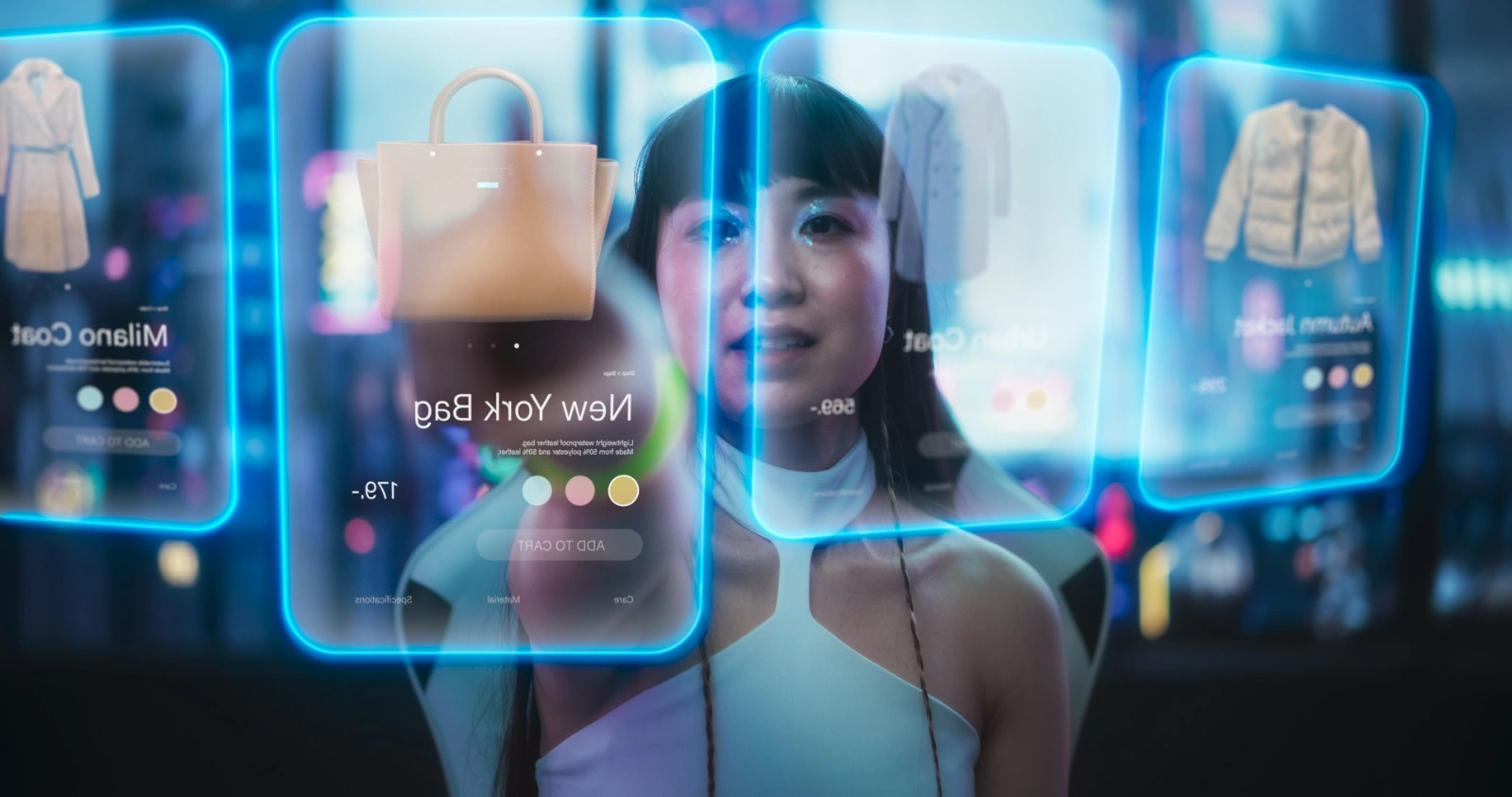
Predicting fashion trends means using data, technology, and research to understand what styles, colors, fabrics, and products people will like in the future. Today, brands no longer rely only on designers’ opinions. They use tools, AI, and analytics to make smarter decisions. In the US market, predicting trends helps brands reduce risk, save money, and stay ahead of competitors.
It also allows businesses to plan collections earlier and respond quickly to changing customer needs. By understanding trends in advance, brands can create products that match real demand instead of guessing.
Why Predicting Fashion Trends Matters Today?
Fashion changes very fast. Social media, online shopping, and influencers can make a trend popular overnight. Without trend forecasting, brands may overproduce items that customers do not want.
In the US fashion industry, trend forecasting helps:
- Plan collections early
- Reduce waste
- Understand customer demand
- Improve retail strategy
This is why Predicting Fashion Trends has become a key part of modern fashion planning.
How Data and AI Help Predict Fashion Trends?
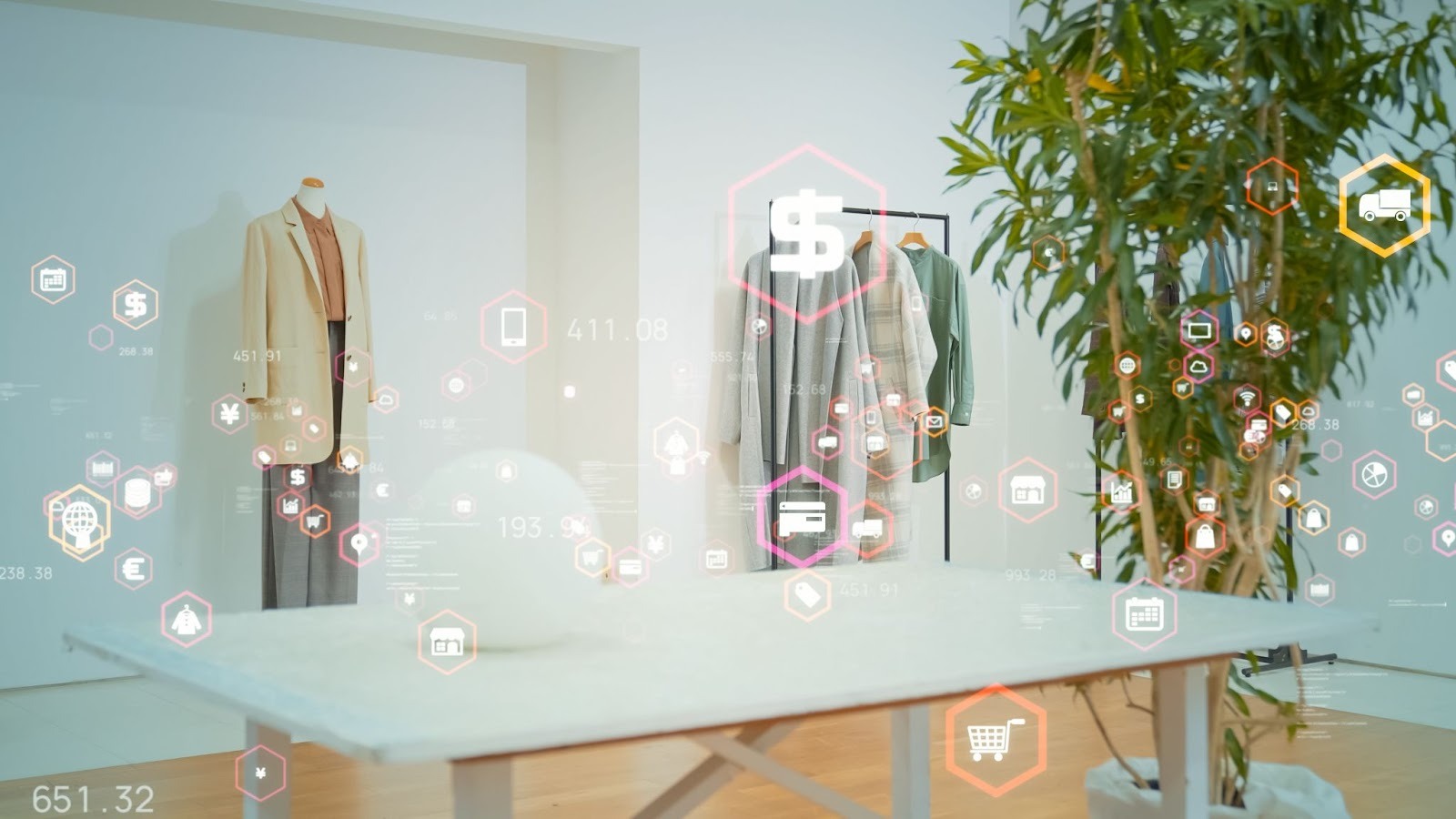
Data and AI play a very important role in understanding future fashion trends. Modern fashion brands use AI trend forecasting to study large amounts of information from different sources. This data helps brands see what people are interested in and how their preferences are changing over time.
AI tools collect data from online searches, social media platforms, shopping behavior, and past fashion performance. By analyzing this information, AI can identify patterns that show which styles, colors, or products are becoming popular and which ones are losing interest.
This method is known as data-driven trend forecasting. It is much more accurate than traditional guessing because decisions are based on real customer data. As a result, brands can plan better, reduce mistakes, and create fashion products that match actual market demand.
Role of AI Trend Forecasting in Fashion
Role of AI Trend Forecasting in Fashion
AI trend forecasting helps fashion brands understand how trends develop and change over time. Instead of guessing, brands rely on intelligent systems to track real market signals and customer behavior.
AI systems mainly focus on:
- Trend velocity, which shows how quickly a new style or idea is gaining popularity
- Consumer interest, measured through searches, engagement, and buying behavior
- Market demand, which helps brands understand what customers are actually willing to buy
By analyzing these factors, brands can spot AI fashion trends early and react before they become mainstream. This also helps identify top fashion trends that have long-term potential.
Many US retailers and designers use insights from AI tools to create detailed fashion trend forecasting reports. These reports support better planning, reduce risks, and help brands stay competitive in the market.
Using Trendalytics for Data-Driven Insights
Platforms like trendalytics help brands understand trends using real data. Trendalytics analyzes:
- Search behavior
- Social trends
- Retail performance
Many US fashion brands use trendalytics to identify fashion trend forecasting opportunities and make informed decisions. With tools like trendalytics, brands can track trends before they become mainstream.
Trend Forecasting vs Traditional Fashion Guesswork
In the past, fashion forecasting mainly depended on runway shows, fashion weeks, and expert opinions. While this method worked before, it often involved a lot of guessing and personal judgment, which could lead to mistakes.
Today, trend forecasting uses technology, data, and AI to make decisions based on real numbers. This modern approach helps brands understand what customers actually want, instead of relying only on assumptions. Because of its accuracy and speed, predicting fashion trends with AI has become the preferred choice for many brands in the US fashion market.
Fashion Trends and Consumer Behavior in the US
Understanding Consumer Behavior Trends is very important. People in the US are influenced by:
- Social media
- Sustainability
- Comfort and lifestyle
Retailers use Retail Trend Analysis to track buying habits. Market Trends and Insights help brands predict what customers will want next.
Seasonal and Cultural Impact on Fashion Trends
Trends also change with seasons and culture. Seasonal Fashion Trends, Seasonal Color Forecasting, and spring home trend forecast data help brands plan collections.
Cultural factors like music, movies, and social movements also influence fashion. This is known as Cultural Influence on Fashion Trends.
Sustainability and Innovation in Fashion
Sustainability is no longer optional. Sustainability Trends in Fashion focus on eco-friendly materials and ethical production.
Innovation also plays a role:
- Innovative Textile Trends
- Emerging Lifestyle Trends
- E-commerce Market Trend Analysis
These trends shape future fashion in the US.
Beauty, Jewelry, and Lifestyle Trends Connection
Fashion does not exist on its own. It is closely connected with beauty, jewelry, and overall lifestyle trends. When people change the way they care for their skin, apply makeup, or choose accessories, their fashion preferences also change.
Many fashion decisions are influenced by trends such as:
- Beauty industry trend, which shows how beauty standards evolve
- Beauty trend forecasting, used to understand future beauty preferences
- Top jewelry trends, including popular styles and materials
- Top makeup trends, which often match fashion colors and looks
- Skincare trends, focused on wellness and self-care
Social media also plays a strong role. Trends like TikTok beauty trends often shape what people wear and how they style outfits. At the same time, clean beauty trends and men’s grooming trends influence fashion by promoting natural, comfortable, and inclusive styles.
Together, these beauty and lifestyle movements help shape modern fashion trends and guide brands in creating more relevant products.
Brands, Retail, and Market Trend Analysis
Brands must understand:
- Trending Fashion Brands
- Trending Beauty Brands
- Best Clothing Brands
- Top Skincare Brands
Branding trends like fashion branding trends and branding trends in fashion help companies stay relevant. US retailers also track digital ad spending forecast and trends for marketing success.
Future Outlook of Fashion Trends
Future fashion will focus on:
- Gen Z Fashion Trends
- Gen Z Shopping Trends
- Athleisure Fashion Trends
- Eco-Friendly Fashion Trends
- Emerging Design Trends
With help from trendalytics, brands can monitor these shifts and prepare better.
Conclusion
In simple words, Predicting Fashion Trends helps brands understand the future before it happens. With AI, data, and tools like trendalytics, fashion businesses in the US can make smarter decisions, reduce waste, and meet customer expectations. Trend forecasting is no longer a choice it is a necessity.
If you want to stay ahead in fashion, start using data-driven trend forecasting today. Explore AI tools, study consumer behavior, and use platforms like trendalytics to predict trends early and grow your brand confidently in the US market.
FAQs
Q1: What is trend forecasting in fashion?
Trend forecasting is the process of predicting future fashion styles using data, research, and AI tools.
Q2: How does AI help predict fashion trends?
AI analyzes large data sets from searches, social media, and sales to find patterns.
Q3: Why is predicting fashion trends important in the US?
It helps brands reduce losses, meet customer demand, and stay competitive.
Q4: Are beauty and jewelry trends linked with fashion?
Yes, beauty, jewelry, and lifestyle trends strongly influence fashion choices.
Q5: Which tools help with fashion trend prediction?
AI-based platforms and analytics tools like Trendalytics are commonly used.
Get ahead and stay
ahead with AI-powered trend forecasting.
Request a demo. Our AI tools are unmatched in the marketplace for predictive data and trend forecasting.