
Why the 3-3-3 Rule in Fashion Is the Next Big Trend?
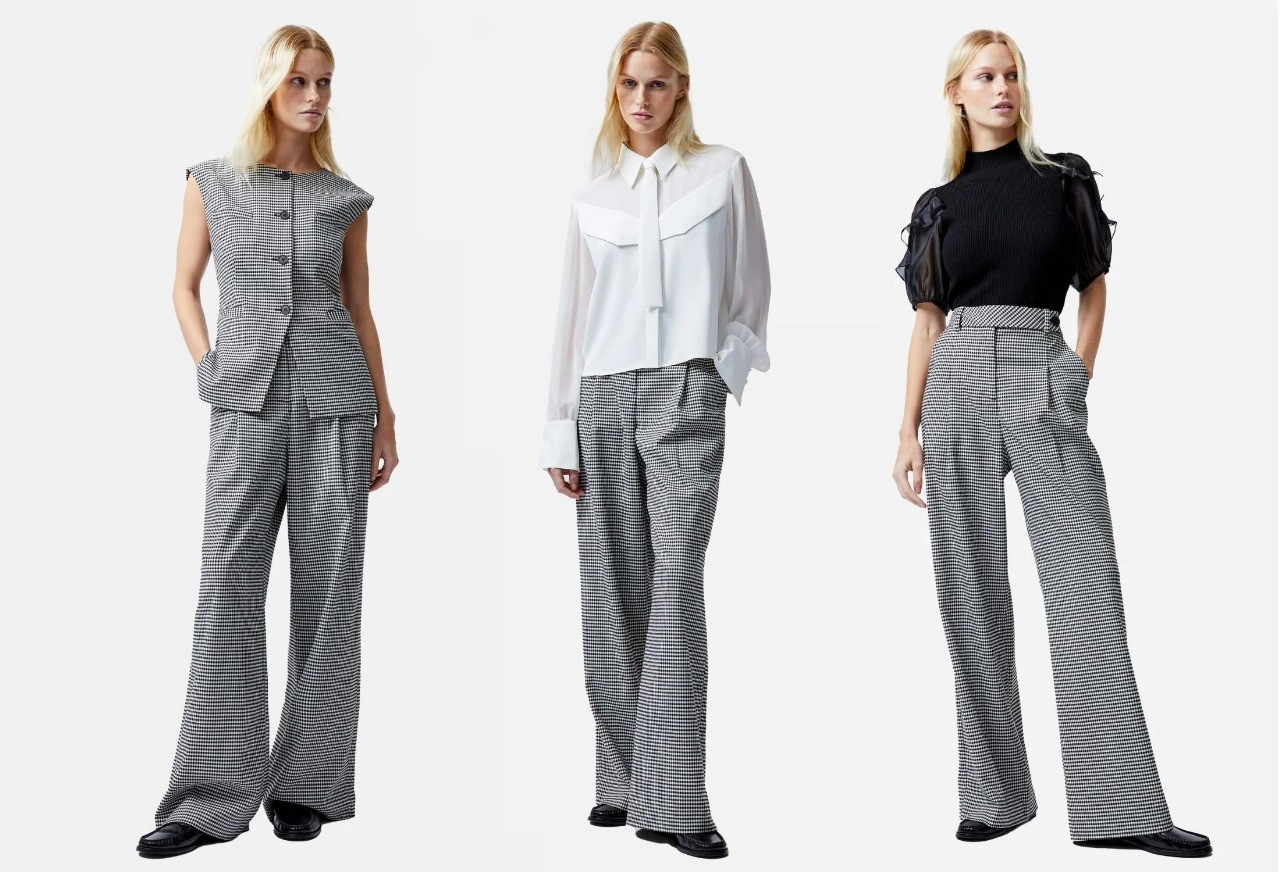
What Is the 3-3-3 Fashion Rule? A Simple Guide to Minimalist Style
Fashion in 2026 is moving toward simpler, more intentional styling, particularly among US consumers. The 3-3-3 Fashion Rule offers a practical approach to building a versatile wardrobe: choose three tops, three bottoms, and three pairs of shoes that can be mixed and matched to create multiple everyday outfits.
As TikTok, Instagram, and changing consumer behaviors continue to influence fashion trends, brands need more than viral content to understand which trends have lasting potential. Trendalytics combines social signals, search behavior, and consumer insights to help brands identify emerging fashion trends and make smarter decisions when planning future collections.
Why Is the 3-3-3 Rule So Popular?
The appeal of the 3-3-3 Rule goes beyond simplifying your wardrobe. It can help keep your closet organized, make daily outfit choices easier, and encourage a more intentional approach to shopping. By focusing on versatile pieces that work together, consumers can potentially reduce unnecessary purchases while embracing more sustainable and minimalist fashion habits.
Trendalytics data can also help brands track growing consumer interest in capsule wardrobes, minimalism, and intentional fashion choices, providing valuable insight into how these lifestyle shifts may influence future product demand.
How Does the 3-3-3 Rule Work?
The 3-3-3 Rule is a simple wardrobe formula designed to maximize outfit options with a limited number of carefully selected pieces. The concept is straightforward: choose three tops, three bottoms, and three pairs of shoes that complement one another and can easily be mixed and matched.
Think of it as a ready-to-use wardrobe system. Instead of searching through your entire closet every morning, you have a smaller selection of coordinated pieces that make getting dressed faster and easier.
Example of a 3-3-3 Wardrobe
3 Tops
- White shirt
- Black T-shirt
- Lightweight sweater
3 Bottoms
- Jeans
- Trousers
- Midi skirt
3 Shoes
- Sneakers
- Ankle boots
- Flats
With just nine carefully chosen pieces, you can create a wide range of combinations for different everyday looks, making the 3-3-3 Rule a practical approach to simpler, more intentional personal style.
The Psychology Behind the 3-3-3 Wardrobe System
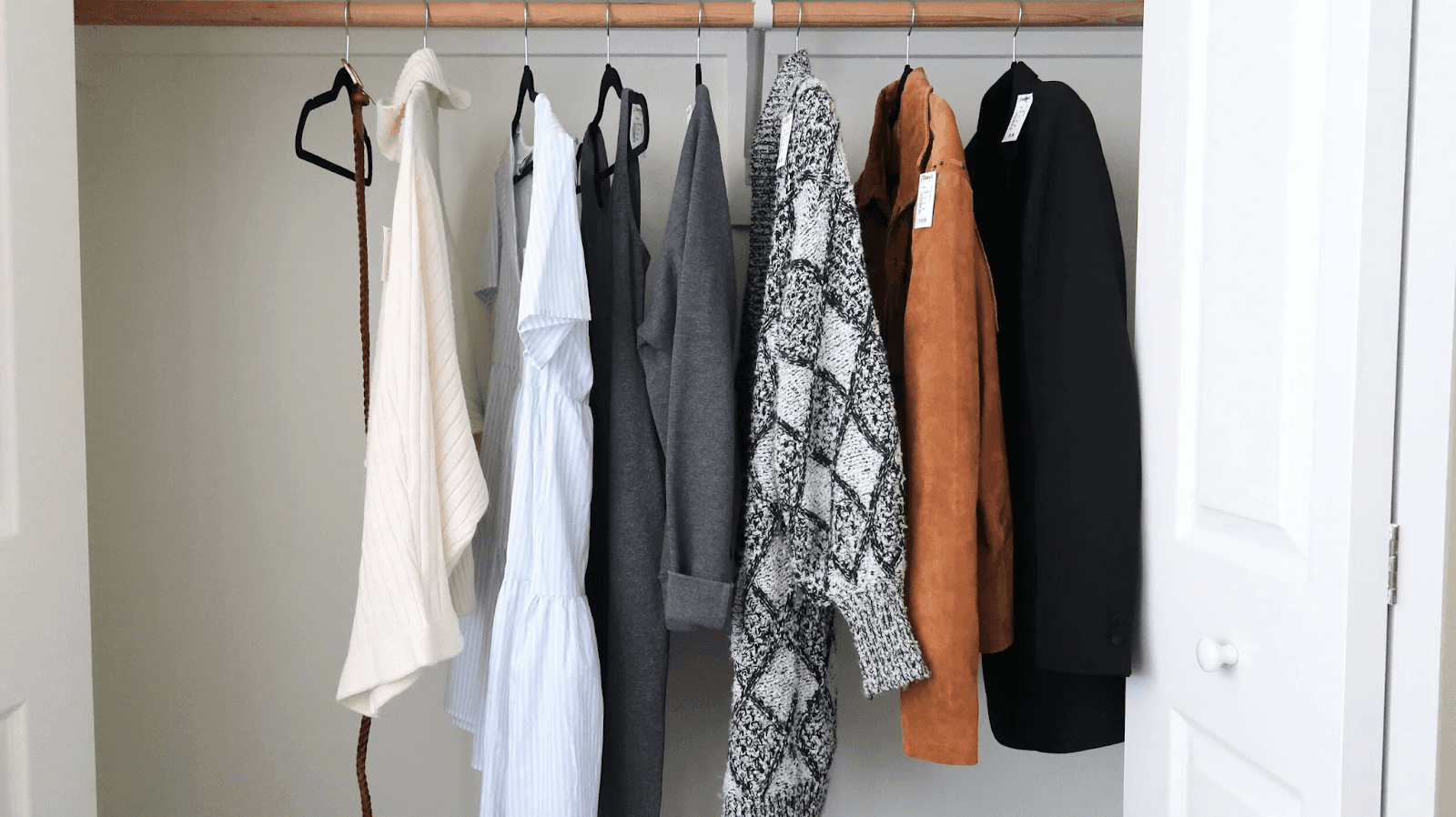
Why Do We Prefer Fewer Clothes but Better Choices?
One reason people are drawn to smaller wardrobes is decision fatigue. Every morning, we make countless small decisions about what to wear, what to eat, and how to organize our day. When your wardrobe is packed with options, choosing an outfit can take more time and energy than necessary.
The 3-3-3 Fashion Rule offers a simple way to reduce that pressure. By keeping only the clothes you genuinely like and wear regularly, you can spend less time planning outfits and make your mornings feel more effortless.
A smaller wardrobe can also become a stronger form of personal expression. Instead of trying to follow every new fashion trend, you can focus on pieces that fit your lifestyle, personality, and individual style. The goal isn't to eliminate fashion choices but to make more intentional ones.
An organized wardrobe can also make it easier to feel confident about what you wear. When the pieces in your closet work well together and reflect your personal style, putting together an outfit becomes much simpler.
In the US, where busy lifestyles and fast-moving fashion trends often go hand in hand, this practical approach is gaining attention because it offers a simpler way to manage everyday style.
Why the 3-3-3 Rule Is Trending in the US
US fashion trends can change quickly, but consumers are increasingly showing interest in simplicity, versatility, and more intentional shopping. That's where the 3-3-3 Rule comes in.
There are three key reasons this approach is gaining popularity:
1. Time-Saving Lifestyle
Busy professionals, parents, and consumers with active lifestyles often don't want to spend a significant amount of time deciding what to wear. A smaller, coordinated wardrobe makes it easier to put together an outfit quickly.
2. Sustainability
Growing awareness around clothing waste is encouraging consumers to think more carefully about what they buy. The 3-3-3 approach supports more mindful shopping by focusing on versatile pieces that can be worn in multiple ways rather than constantly adding new items.
3. Smarter Shopping
Instead of buying clothing simply because it's trending, the concept encourages consumers to prioritize versatile, durable pieces that can work across different outfits and occasions.
Social media is also helping spread the idea. Consumers share capsule wardrobe ideas, outfit combinations, and minimalist styling tips across platforms such as Instagram, Pinterest, and TikTok. The result is a shift toward better style with less effort, rather than simply having fewer clothes.
For fashion brands, these changing preferences create an opportunity to understand what consumers are actually looking for. Trend intelligence platforms such as Trendalytics can help brands monitor social signals, search behavior, and consumer interest to better understand how trends like capsule wardrobes and minimalist fashion are evolving.
What Consumer Demand Is Showing
Growing interest in capsule wardrobes and minimalist fashion reflects a broader shift toward versatile clothing and intentional purchasing. Consumers want pieces that can work across multiple outfits while still allowing them to express their individual style.
For fashion brands, this creates an opportunity to identify which wardrobe essentials are gaining attention before they become mainstream. Trendalytics combines consumer insights, search behavior, and social engagement to help retailers evaluate emerging trends and understand whether growing interest could represent a broader market opportunity.
By tracking these signals early, brands can make more informed decisions about product development, collection planning, merchandising, and seasonal fashion trends.
Connection Between Minimalism and the 3-3-3 Rule
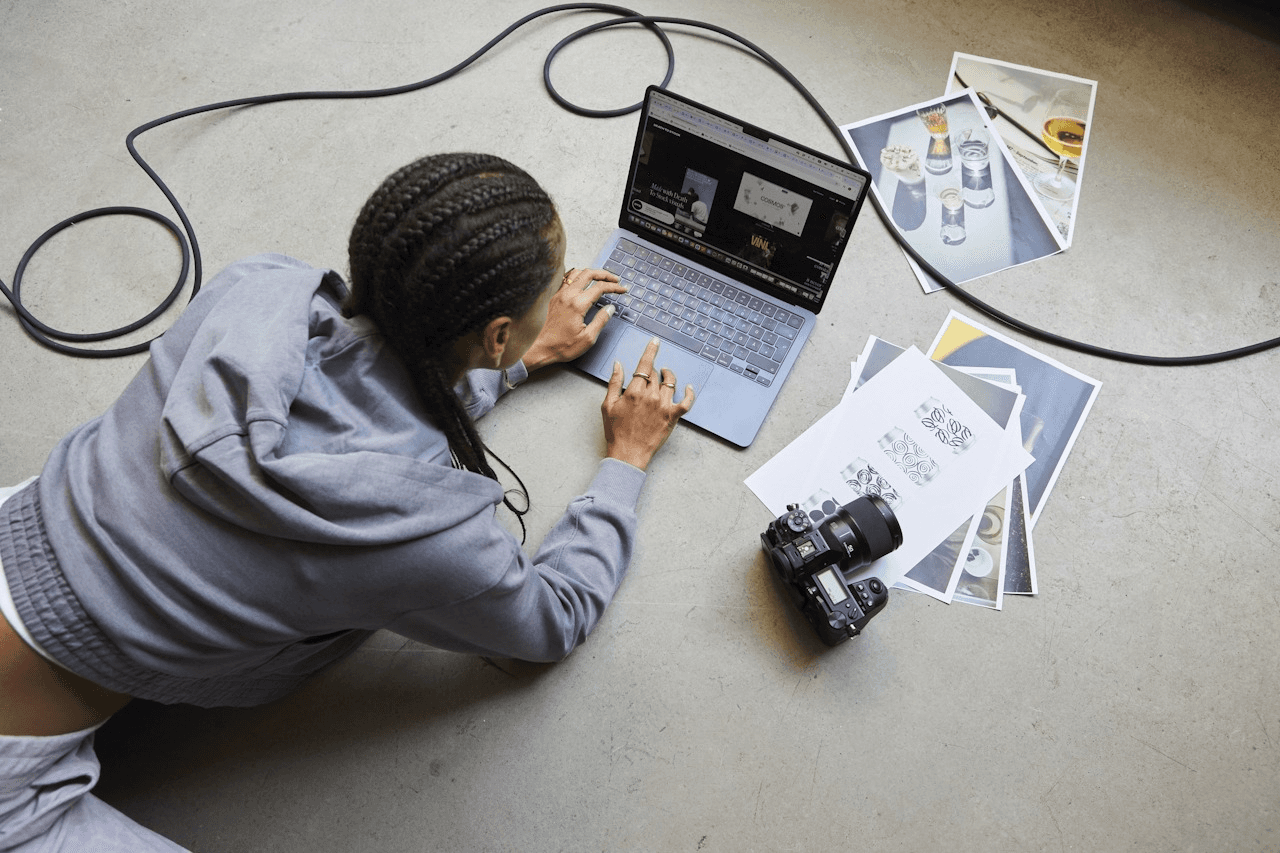
The 3-3-3 Fashion Rule: How to Build a Simple, Stylish Capsule Wardrobe
The 3-3-3 Fashion Rule is part of a growing lifestyle movement centered around minimalism—the idea that having fewer, more meaningful choices can make everyday life easier. In fashion, this means choosing versatile, timeless, and high-quality pieces instead of constantly adding new clothes to your wardrobe.
The concept is simple: choose three tops, three bottoms, and three pairs of shoes that work well together. With just nine core pieces, you can create a wide range of outfits without needing an overflowing closet.
The appeal goes beyond fashion. A smaller wardrobe can make mornings less stressful, reduce unnecessary shopping, and encourage more intentional clothing choices. For consumers in the US who are increasingly interested in capsule wardrobes and minimalist fashion, the 3-3-3 Rule offers a practical way to simplify personal style.
How to Build Your Own 3-3-3 Capsule Wardrobe
Creating a 3-3-3 wardrobe is easier than it may seem. You may not even need to buy anything new. Start with what you already own and focus on the pieces you wear most often.
1. Empty Your Closet
Take everything out of your closet and put it in one place. This gives you a better idea of what you actually own and which pieces you regularly wear.
2. Pick Your Favorites
Choose:
- 3 tops that fit well and make you feel confident
- 3 bottoms that work with your selected tops
- 3 pairs of shoes that suit your everyday lifestyle
Focus on pieces you genuinely enjoy wearing rather than items you rarely use.
3. Create a Flexible Color Palette
Choose colors that work well together. Neutral shades such as black, white, beige, navy, and gray can make mixing and matching easier, but you can also include colors that reflect your personal style.
4. Mix and Match
Try different combinations of your nine pieces. Three tops combined with three bottoms already give you nine clothing combinations, and different shoes and styling choices can create even more outfit variations.
5. Add Accessories
Accessories do not need to be part of the nine core pieces. Scarves, belts, jewelry, bags, and sunglasses can completely change the look of the same outfit.
The goal isn't to create a restrictive wardrobe. It's to build a flexible foundation that makes everyday styling easier.
What Items Are Excluded From the 3-3-3 Rule?
The 3-3-3 Rule is designed around your main wardrobe pieces, so certain everyday items typically don't count toward the nine-item limit.
These may include:
- Underwear
- Socks
- Pajamas
- Sportswear
- Bulky winter clothing
- Rainwear and other practical outer layers
However, versatile layering pieces such as blazers and sweaters can be included as part of your three tops.
The idea is flexibility, not strict restriction. Your wardrobe should work for your lifestyle, climate, and daily needs.
How Trendalytics Helps Track the 3-3-3 Fashion Movement
As interest in capsule wardrobes and minimalist fashion continues to develop, brands need reliable ways to understand whether emerging consumer preferences are temporary or becoming broader trends.
Trendalytics uses signals from social media, online searches, and shopping behavior to help brands understand what consumers are showing interest in.
For the 3-3-3 fashion movement, trend intelligence can help brands:
- Track growing interest in capsule wardrobes
- Monitor minimalist fashion and wardrobe essentials
- Identify emerging colors and styles
- Understand demand for versatile clothing
- Track changing consumer preferences
- Identify shifts toward timeless and durable wardrobe pieces
These insights can help fashion brands better understand the growing interest in versatility, durability, and intentional shopping.
Styling Ideas With the 3-3-3 Rule
Having only nine core pieces doesn't mean your outfits have to look repetitive. The key is using different combinations, layers, shoes, and accessories to create variety.
Button-Down Styling
A structured button-down can be worn fully buttoned for a polished look, open as a lightweight layer, or tied around the waist for a more casual outfit.
Layering With Knitwear
A cardigan or lightweight sweater can be styled in different ways depending on the outfit underneath, creating a completely different look without adding another core piece.
Balance Your Outfit
Matching the visual weight or color of your shoes with another part of your outfit can create a more balanced and intentional appearance.
Casual Look
White shirt + jeans + sneakers
Add a scarf or crossbody bag for a relaxed everyday outfit.
Work Look
Black blouse + trousers + flats
Add a blazer or watch for a more polished professional style.
Weekend Look
Sweater + skirt + ankle boots
Complete the outfit with a tote bag and simple jewelry.
With thoughtful styling, nine core pieces can create 20+ outfit combinations, giving you plenty of variety without a large wardrobe.
How US Fashion Brands Are Embracing the 3-3-3 Wardrobe Trend
The growing interest in capsule wardrobes and versatile fashion is also influencing how brands approach product development and merchandising.
Instead of focusing only on large seasonal collections, brands can use trend intelligence to understand demand for pieces that work together across multiple outfits.
This creates opportunities for retailers to develop:
- Versatile wardrobe essentials
- Mix-and-match collections
- Capsule-inspired product lines
- Durable everyday clothing
- Coordinated color collections
The Rise of the Maximalist Capsule
Minimalist fashion doesn't necessarily mean everything has to be neutral.
Some consumers are applying the same capsule approach with bold colors, prints, and distinctive textures. This creates a more expressive version of the capsule wardrobe while maintaining the same focus on versatility.
For retailers, this shows that consumers can want both simplicity and individuality. A capsule wardrobe can be colorful and expressive while still being practical and easy to mix and match.
The trend also connects with sustainability and mindful shopping. When consumers focus on fewer, more versatile pieces, they can potentially reduce unnecessary purchases and make greater use of the clothing they already own.
How the 3-3-3 Rule Could Shape the Future of Fashion
The 3-3-3 Rule reflects a broader movement toward simpler, more intentional fashion choices.
Consumers are increasingly interested in clothing that offers versatility, comfort, and long-term value. For brands, this creates an opportunity to think beyond individual products and consider how pieces work together as part of a complete wardrobe.
In the US, the concept fits naturally with busy lifestyles, smaller living spaces, travel, and consumers who want easier everyday outfit decisions.
The 3-3-3 Rule also encourages people to understand their own style rather than constantly chasing every new trend. Once you identify the colors, silhouettes, and pieces that work best for you, building outfits becomes much easier.
Is the 3-3-3 Rule Right for Every Lifestyle?
The 3-3-3 Rule is best viewed as a flexible framework rather than a strict requirement.
A working professional may choose trousers and polished shirts, while a college student might prefer jeans, casual tops, and sneakers. Someone working in healthcare may need to adapt the concept around scrubs, while a creative professional may choose brighter colors and statement pieces.
The important part is selecting clothing that fits your:
- Lifestyle
- Daily routine
- Personal style
- Climate
- Comfort preferences
You can also change your nine core pieces throughout the year as seasons and needs change.
Why the 3-3-3 Rule Is More Than a Fashion Trend
The appeal of the 3-3-3 Rule goes beyond having fewer clothes. It encourages consumers to think more carefully about what they buy, what they wear, and what actually fits their lifestyle.
For consumers, it can mean:
- Less wardrobe clutter
- Easier outfit decisions
- More intentional shopping
- Greater use of existing clothing
- More confidence in personal style
For fashion brands, the growing interest in capsule wardrobes and minimalist fashion provides valuable insight into changing consumer priorities.
Trend intelligence platforms such as Trendalytics can help brands monitor these shifts and understand which emerging preferences may influence future product demand.
Conclusion
The 3-3-3 Fashion Rule shows that a stylish wardrobe doesn't have to be a large one. By choosing three tops, three bottoms, and three pairs of shoes that work well together, consumers can create a versatile wardrobe with less clutter and fewer daily decisions.
The concept also reflects a wider shift toward minimalist fashion, capsule wardrobes, versatility, and more intentional shopping. For consumers, it offers a simpler way to approach personal style. For brands, it highlights changing preferences around quality, versatility, and wardrobe essentials.
As fashion continues to evolve, tools such as Trendalytics can help brands understand the consumer signals behind these shifts. By tracking search behavior, social engagement, and emerging fashion interests, brands can better understand what consumers may want next.
The future of fashion isn't necessarily about having more choices. It's about making better choices—and understanding which ones will matter next.
FAQs
Can I change my 3-3-3 wardrobe every season?
Yes. You can change your three tops, three bottoms, and three shoes as the seasons change. This keeps your wardrobe practical while giving you an opportunity to introduce new colors and styles.
Do I have to follow the 3-3-3 Rule permanently?
No. The rule is flexible. You can try it for a month, a season, or simply use the concept to understand which pieces you actually wear and enjoy.
What if I have a special event?
You can keep additional clothing for weddings, parties, formal events, or other occasions. The goal is to simplify your everyday wardrobe, not eliminate clothing you genuinely need.
Can men follow the 3-3-3 Fashion Rule?
Absolutely. The concept can work for anyone. Men can select three shirts or tops, three bottoms, and three pairs of shoes that fit their lifestyle and personal style.
Is the 3-3-3 Rule only for minimalists?
No. Anyone can use the framework to reduce wardrobe clutter, save time, and make outfit planning easier—even people who enjoy experimenting with fashion.
Do accessories count toward the nine items?
No. Accessories such as jewelry, belts, bags, and sunglasses can be used separately to add variety and personalize your outfits.
Is the 3-3-3 Fashion Rule still trending in 2026?
The source content indicates continued interest in capsule wardrobes and minimalist fashion in the US in 2026. The concept has expanded beyond social media into a broader conversation around intentional wardrobes and versatile fashion choices.
Get ahead and stay
ahead with AI-powered trend forecasting.
Request a demo. Our AI tools are unmatched in the marketplace for predictive data and trend forecasting.