
Beauty Industry Trends 2026: What Consumers Want Next
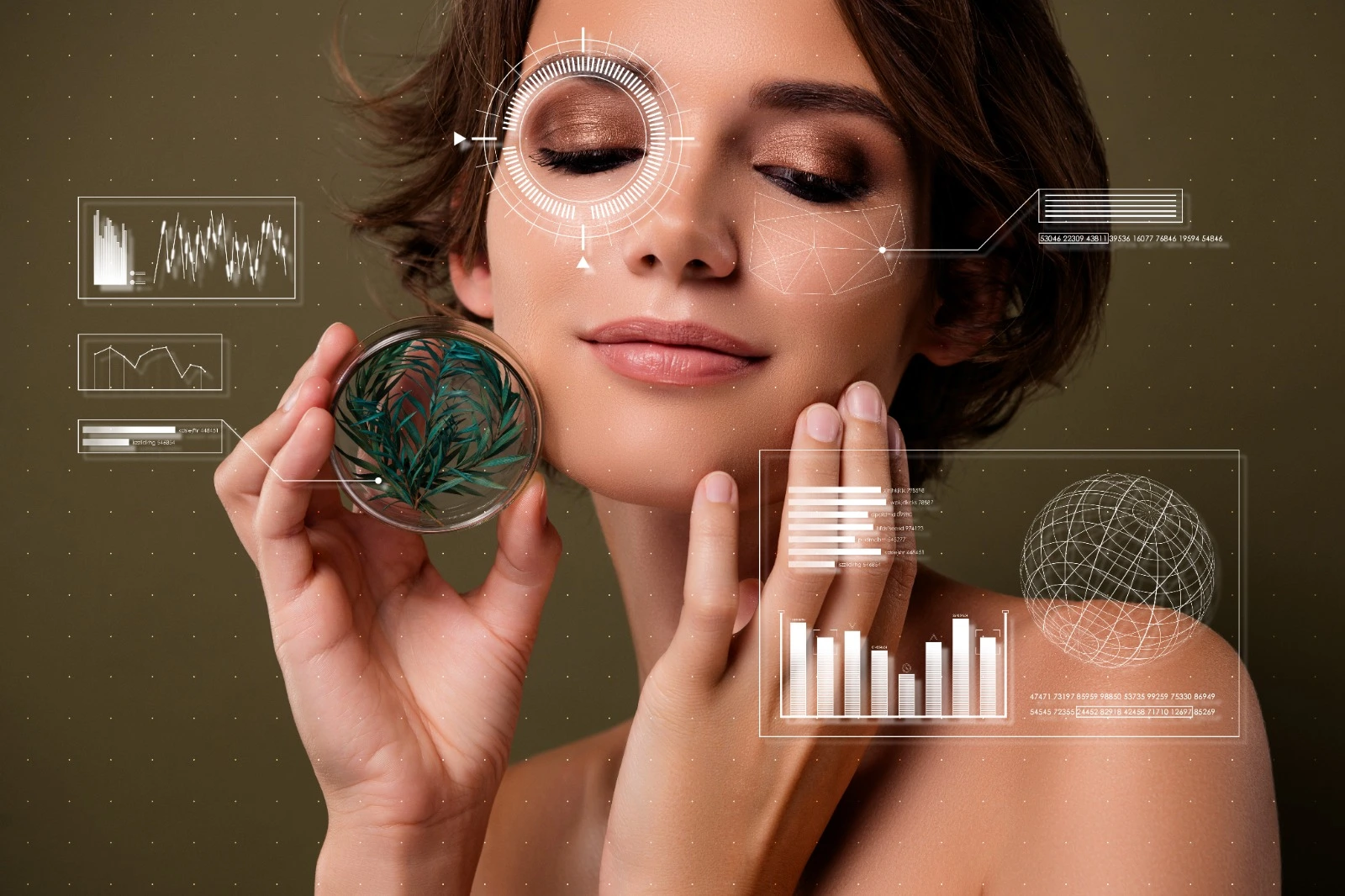
The answer is clear. Beauty Industry Trends 2026 will be shaped by personalization, skin health, sustainability, AI-powered beauty experiences, and science-backed innovation. Consumers are becoming more informed, selective, and value-driven. As a result, beauty brands are moving beyond traditional product development and focusing on solutions that deliver real results.
At the same time, technology continues to transform the beauty market. Consumers now expect products that match their individual needs, lifestyles, and wellness goals. Therefore, brands are investing heavily in beauty technology, skincare innovation, and consumer insights. Moreover, social media, digital shopping experiences, and changing lifestyle priorities are influencing what people buy and why they buy it.
For brands, understanding these shifts is no longer optional. Instead, it has become essential for product development, marketing, and long-term growth. The companies that understand what consumers want next will be in the strongest position to succeed.
Why Beauty Industry Trends Matter for Brands
The beauty industry continues to evolve at a rapid pace. Consumer expectations are changing faster than ever before. Therefore, brands must monitor emerging beauty trends closely.
Today's consumers want more than attractive packaging. They look for transparency, effectiveness, and authenticity. Consequently, beauty companies must prove product value through science, ingredients, and measurable results.
Furthermore, competition within the beauty market continues to increase. New brands enter the industry every year. As a result, established companies must innovate constantly to maintain relevance.
Consumer behavior also plays a critical role in trend development. Preferences shift based on cultural influences, economic conditions, wellness movements, and technological advancements. Therefore, businesses that understand these changes gain a significant competitive advantage.
How Consumer Preferences Are Changing in 2026
Beauty consumers are becoming more educated. Before purchasing a product, they often research ingredients, reviews, and brand values.
Moreover, consumers are increasingly focused on long-term skin health rather than temporary results. They want products that improve their appearance while supporting overall wellness.
In addition, shoppers expect convenience. They prefer products that simplify routines while delivering multiple benefits. Consequently, multifunctional beauty products continue to gain popularity.
Another important shift involves trust. Consumers support brands that provide honest information and clear communication. Therefore, transparency remains one of the most important factors influencing purchasing decisions.
The Rise of Conscious Beauty Choices
Conscious consumption continues to shape the future of beauty.
Consumers are paying closer attention to ingredient sourcing, production methods, and environmental impact. As a result, brands are adapting their strategies to meet these expectations.
Many shoppers now choose products that align with their personal values. Consequently, ethical sourcing, cruelty-free testing, and sustainable packaging are becoming major purchasing factors.
Furthermore, younger consumers expect brands to take responsibility for their environmental impact. Therefore, sustainability is no longer a marketing trend. Instead, it has become a business requirement.
Demand for Personalized Beauty Products
Personalization remains one of the fastest-growing opportunities in the beauty industry.
Consumers increasingly want products tailored to their unique needs. Therefore, brands are using consumer data and AI technology to create customized recommendations.
For example, skincare brands now offer personalized routines based on skin type, lifestyle, and environmental conditions. As a result, consumers receive more relevant product suggestions.
Additionally, personalized beauty experiences improve customer satisfaction. When products address specific concerns, consumers are more likely to remain loyal to a brand.
Wellness and Beauty Continue to Converge
The connection between wellness and beauty continues to strengthen.
Consumers no longer view beauty as purely cosmetic. Instead, they see it as part of overall health and well-being. Consequently, wellness trends are influencing product development across the industry.
Products that support hydration, skin barrier health, stress management, and healthy aging continue to gain attention. Moreover, consumers increasingly seek holistic solutions that address beauty from the inside and outside.
This shift creates new opportunities for innovation and brand differentiation.
Beauty Industry Trends 2026
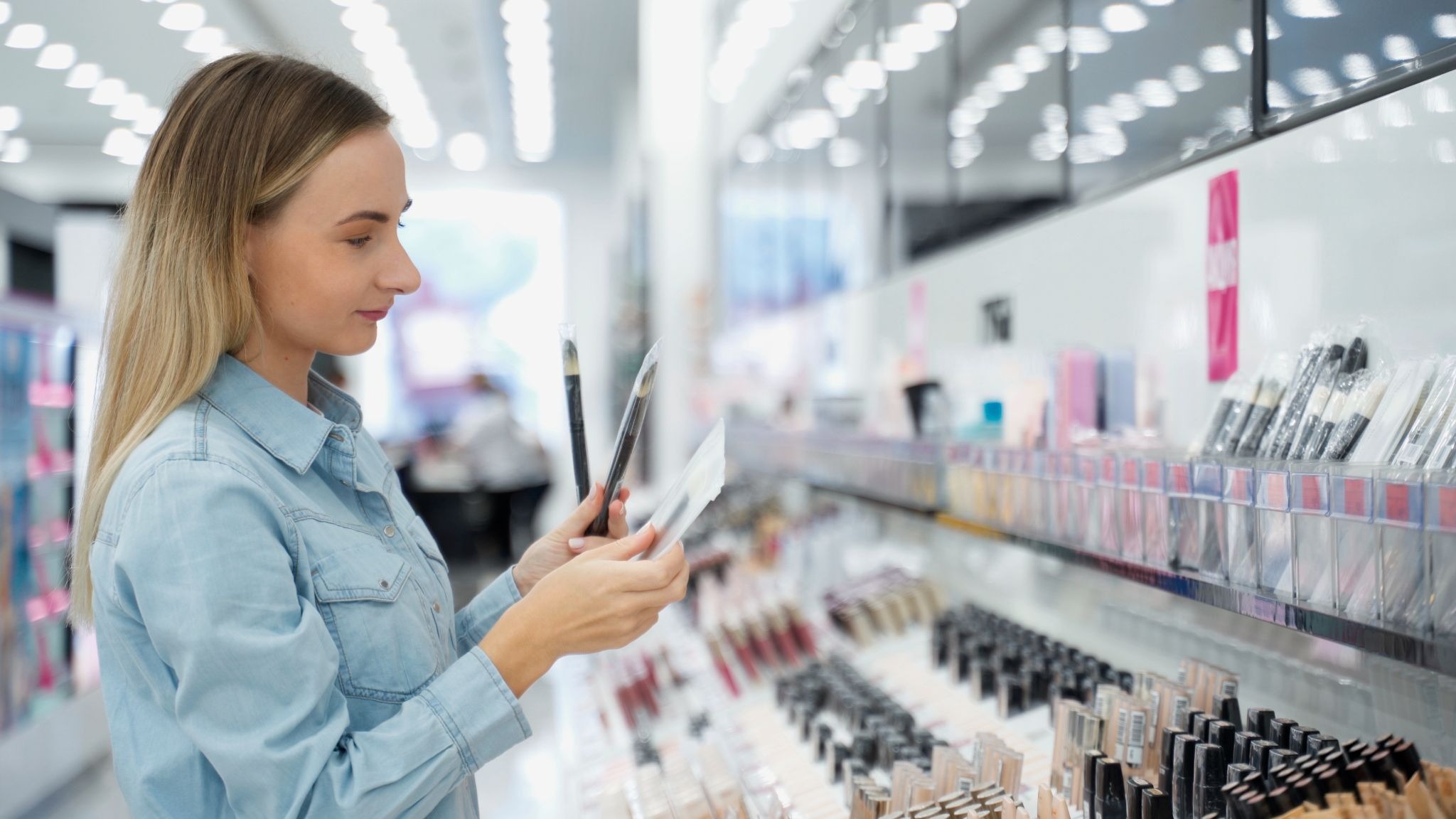
Several major trends are expected to shape the industry throughout the year.
AI-Powered Beauty Recommendations
Artificial intelligence is transforming how consumers discover products.
AI tools analyze consumer behavior, preferences, and purchasing patterns. As a result, brands can provide more accurate product recommendations.
Furthermore, AI improves online shopping experiences by helping consumers find products that match their specific needs. Consequently, conversion rates and customer satisfaction often increase.
As technology continues to improve, AI-driven beauty experiences will become even more sophisticated.
Skin Barrier Health Takes Center Stage
Consumers are becoming increasingly aware of skin barrier health.
Instead of focusing only on appearance, many shoppers now prioritize skin function and long-term protection. Therefore, products designed to strengthen the skin barrier continue to gain popularity.
Ingredients that support hydration and reduce irritation are attracting significant attention. As a result, skincare brands are reformulating products to address these concerns.
This trend reflects a broader movement toward preventative skincare and healthy aging.
Biotechnology Ingredients Gain Momentum
Scientific innovation continues to reshape the beauty industry.
Biotech ingredients provide sustainable alternatives to traditional ingredient sourcing. Moreover, they often deliver consistent quality and performance.
Consumers are also becoming more comfortable with science-backed beauty solutions. Consequently, biotechnology is emerging as a major growth area within skincare innovation.
Brands that successfully communicate scientific benefits may gain stronger consumer trust and engagement.
Minimalist Skincare Continues to Grow
Consumers are simplifying their beauty routines.
Instead of using large numbers of products, many people now prefer fewer products with multiple benefits. Therefore, minimalist skincare continues to gain traction.
This approach saves time while reducing product waste. Furthermore, consumers appreciate routines that feel simple and manageable.
As a result, multifunctional products are becoming increasingly attractive.
Sustainable Beauty Becomes a Business Priority
Sustainable beauty continues to move into the mainstream.
Consumers expect brands to reduce waste, improve packaging, and adopt responsible sourcing practices. Consequently, sustainability initiatives are becoming central to business strategy.
Additionally, investors and retailers are placing greater emphasis on environmental responsibility. Therefore, sustainability affects both consumer demand and business performance.
Brands that demonstrate meaningful action are likely to build stronger customer relationships.
Hybrid Beauty Products Drive Innovation
Consumers value convenience and efficiency.
Therefore, hybrid products that combine multiple functions continue to gain popularity. Examples include skincare products with cosmetic benefits and makeup products that support skin health.
These products simplify routines while delivering greater value. Consequently, they appeal to busy consumers seeking practical solutions.
The demand for multifunctional beauty products is expected to remain strong throughout the year.
Inclusive Beauty Expands Across Categories
Inclusivity continues to influence product development.
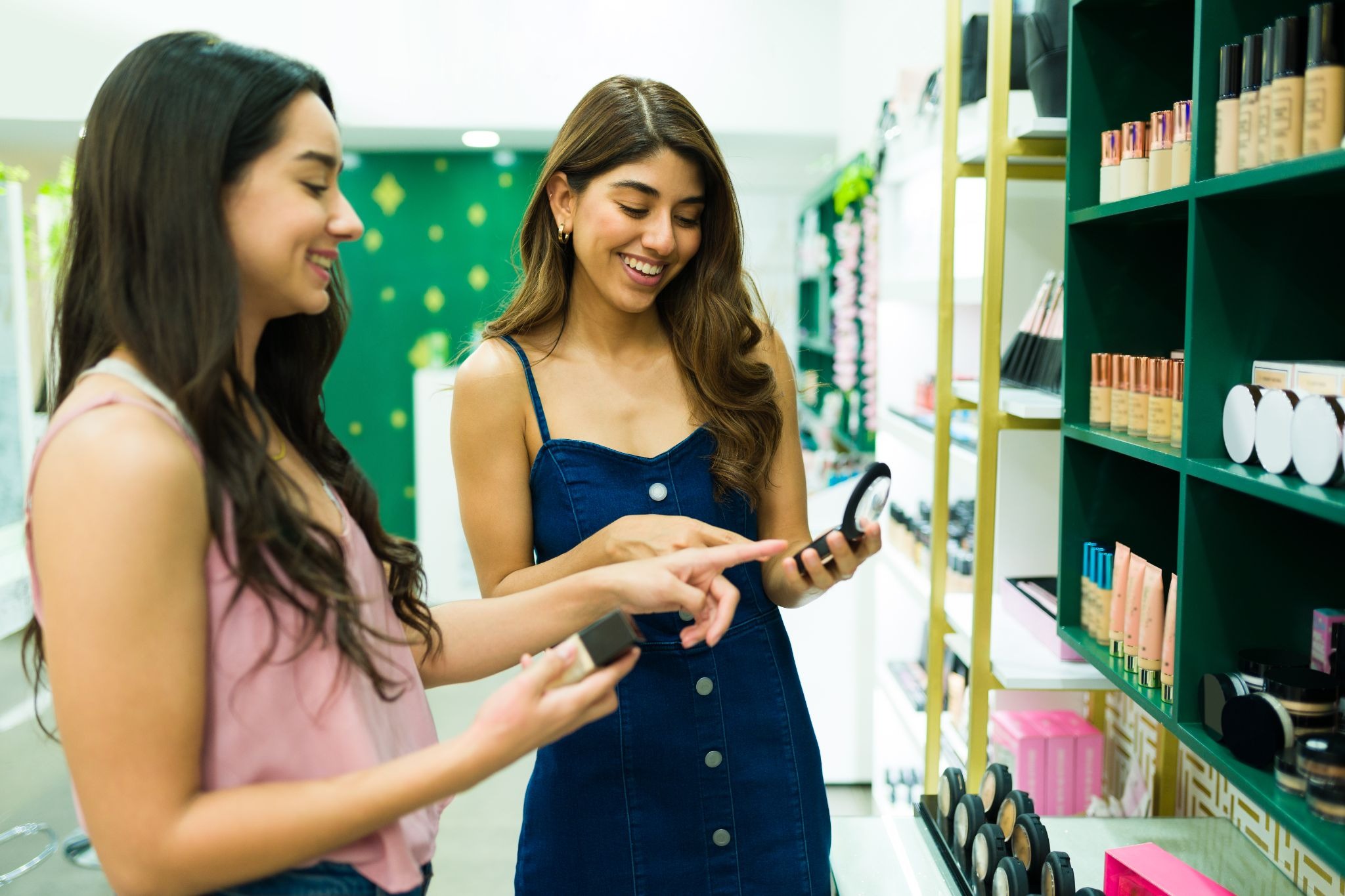
Consumers want products designed for diverse skin tones, hair types, ages, and lifestyles. Therefore, brands are expanding product ranges to serve broader audiences.
Moreover, inclusivity helps brands build stronger relationships with consumers. When people feel represented, they are more likely to engage with and support a brand.
As a result, inclusive beauty remains an important industry priority.
Scalp Health Emerges as a Major Trend
Consumers are paying more attention to scalp care.
Many people now recognize that healthy hair begins with a healthy scalp. Therefore, scalp-focused products are experiencing rapid growth.
Brands are introducing treatments, serums, exfoliators, and targeted solutions designed to improve scalp health. Consequently, this category is becoming increasingly important within the broader haircare market.
Social Media's Influence on Beauty Trends
Social media remains one of the strongest drivers of Beauty Industry Trends 2026.
Consumers discover products, share experiences, and follow recommendations through digital platforms. Therefore, social engagement often influences purchasing decisions.
Additionally, beauty trends spread much faster than in previous years. A product can gain widespread attention within days or even hours.
By combining social media trends and AI insights, brands can create collections that feel immediate, desirable, and relevant to the US market.
TikTok's Impact on Product Discovery
TikTok continues to shape beauty consumer behavior.
The platform introduces consumers to new products, ingredients, and routines. As a result, brands frequently experience rapid demand increases following viral exposure.
Moreover, authentic user-generated content often performs better than traditional advertising. Therefore, brands increasingly collaborate with creators and influencers.
The Role of Beauty Influencers in 2026
Influencers continue to play an important role in the beauty industry.
However, consumers increasingly value authenticity over celebrity status. Therefore, trusted creators often generate stronger engagement than large-scale promotional campaigns.
Consumers want honest reviews, realistic demonstrations, and transparent recommendations. Consequently, credibility has become a key factor in influencer marketing success.
Consumer Demand Signals Shaping the Beauty Industry
Consumer Beauty Industry Trends 2026 demand reflects broader lifestyle changes.
People increasingly prioritize self-care, wellness, sustainability, and personalization. Therefore, products aligned with these values continue to perform well.
At the same time, economic pressures influence purchasing decisions. Consumers seek value, effectiveness, and quality. As a result, brands must balance innovation with affordability.
Using these tools, brands in the US can plan collections strategically and reduce guesswork.
Fashion Trend Forecasting Tool 2026‑2028
How AI Helps Predict Future Beauty Trends
AI provides valuable insights into consumer behavior.
Modern forecasting systems analyze search activity, social engagement, purchasing patterns, and market data. Consequently, businesses can identify emerging beauty trends earlier. This advanced approach to AI trend forecasting helps brands understand changing consumer preferences and detect market opportunities before they become mainstream.
This technology allows brands to make more informed decisions regarding product development, inventory planning, and marketing strategies.
As forecasting capabilities improve, AI will continue to play a larger role in beauty industry growth.
Conclusion
Beauty Industry Trends 2026 show a clear shift toward personalization, science-backed skincare, wellness-focused products, sustainability, and AI-powered consumer experiences. Today's shoppers want effective solutions that match their unique needs while supporting their values.
As consumer expectations continue to evolve, beauty brands must adapt quickly. Companies that embrace innovation, transparency, and consumer insights will be better positioned for long-term success. Ultimately, the future of the beauty industry belongs to brands that understand what consumers want next and act on those insights before competitors do.
FAQs
Q1. What are the biggest beauty trends in 2026?
The biggest trends include personalized beauty, AI-powered recommendations, sustainable beauty, skin barrier health, biotechnology ingredients, and hybrid beauty products.
Q2. How is AI changing the beauty industry?
AI helps brands analyze consumer behavior, recommend products, predict trends, and improve personalized shopping experiences.
Q3. Why is sustainable beauty growing?
Consumers increasingly care about environmental impact, responsible sourcing, and sustainable packaging. Therefore, brands are investing more in sustainable practices.
Q4. What is personalized beauty?
Personalized beauty involves products and recommendations tailored to an individual's skin type, concerns, preferences, and lifestyle.
Q5. Which beauty category is growing the fastest?
Skincare remains one of the fastest-growing categories, particularly products focused on skin barrier health, healthy aging, and personalized solutions.
Get ahead and stay
ahead with AI-powered trend forecasting.
Request a demo. Our AI tools are unmatched in the marketplace for predictive data and trend forecasting.