
Fall/Winter 2026-2027 Fashion Trends: Retail Report
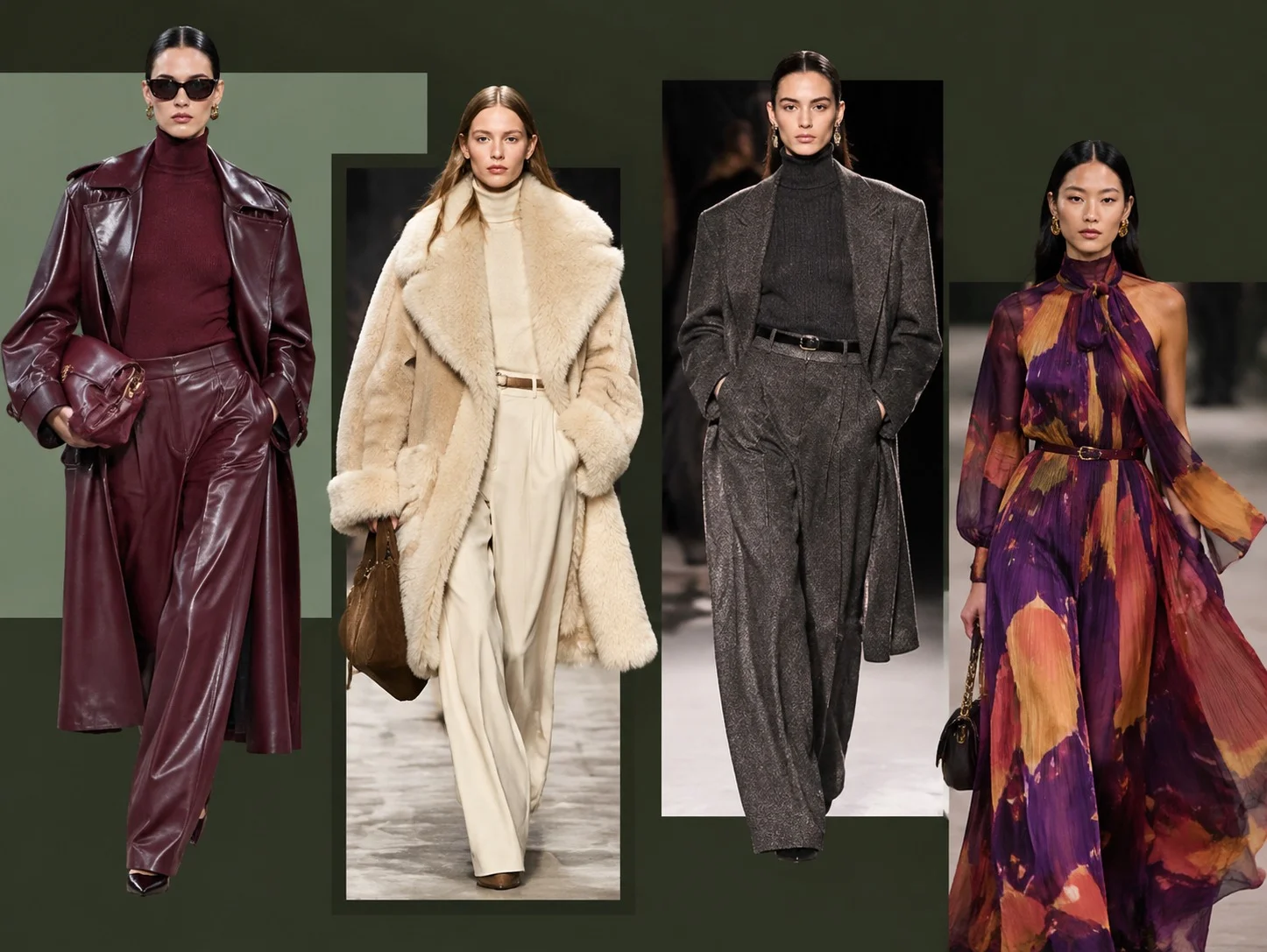
Fall/winter 2026-2027 fashion trends are splitting into two clear categories this year: the runway spectacle that dominates fashion coverage, and the smaller set of pieces that will actually show up on store racks and in real wardrobes. Most trend reports blur the two together. This one doesn't.
Trendalytics built this report by cross-referencing runway coverage from New York, London, and Paris against retail-facing sources, real styling content, and our own search signal. What follows are the 13 fall/winter 2026-2027 fashion trends with genuine staying power, the runway statements that won't make it past the show, and how all of it plays out differently depending on where in the US you're shopping or selling.
How Trendalytics Built This Report
Most seasonal trend reports repeat every runway detail without asking whether it will ever reach a store. That approach makes for an impressive-looking list, but it's not useful for anyone actually planning a season.
We took runway coverage from the major fashion capitals and checked it against retail and styling sources, plus our own search and demand data, before including anything here. A trend earned a spot in this report only when it showed real crossover potential between the runway and real-world wardrobes, not just a single show's statement piece.
That filtering process is also why this report has 13 trends instead of 20. Several runway directions this season were genuinely striking but unlikely to reach mainstream retail in a recognizable form. We cover those separately, later in this report, rather than padding the main list with pieces most people will never actually wear.
Top 13 Fall/Winter 2026-2027 Trends
Every trend below passed through Trendalytics' trend forecasting tool before making this list, filtered for real retail crossover rather than runway spectacle alone.
Rich Jewel Tone Accents
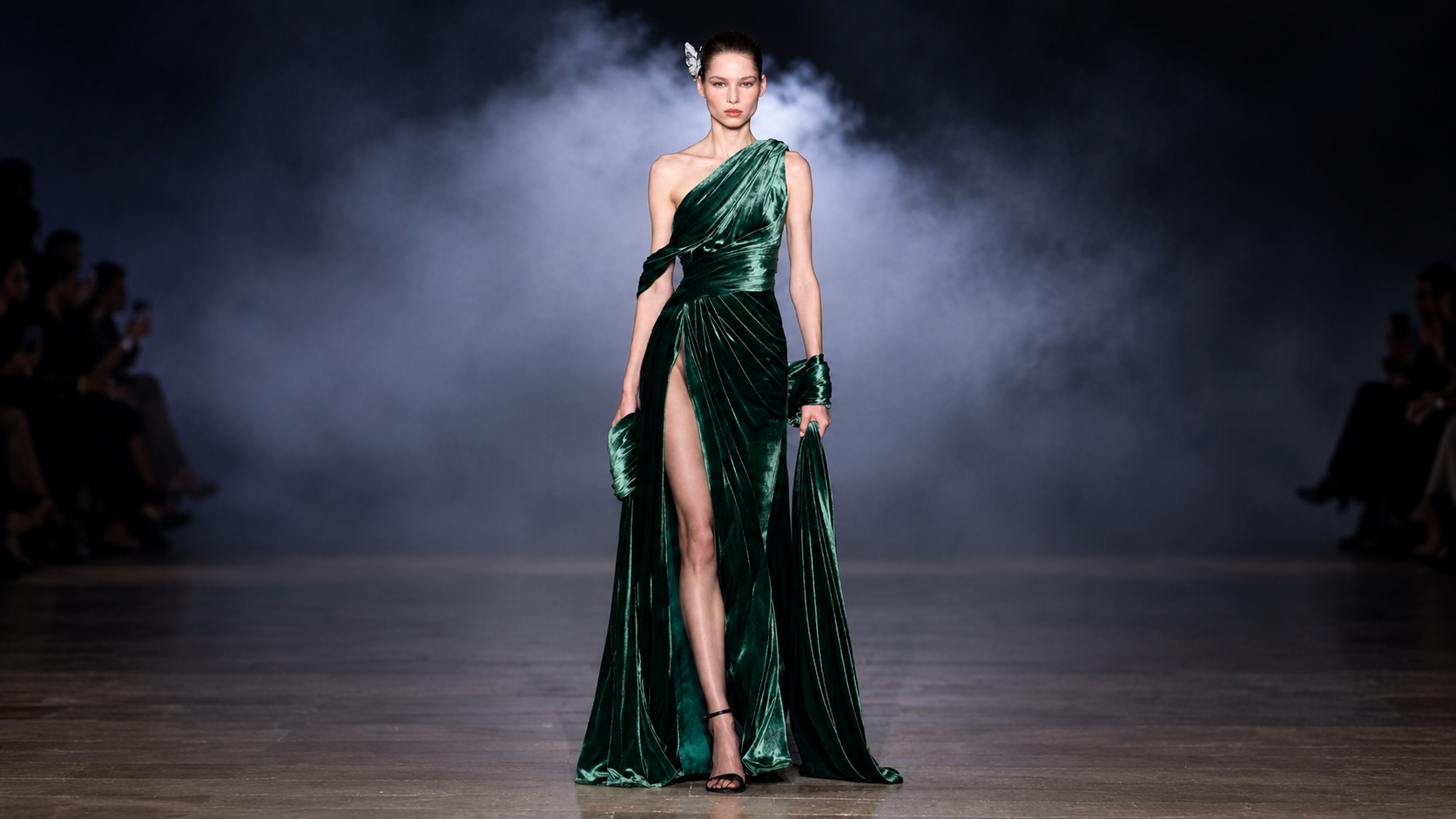
A cluster of deep, saturated colors ruby red, vibrant purple, gold, and warm orange is showing up independently across multiple sources this season, distinct from the warmer, earthier neutrals dominating elsewhere in this report. Where cognac and chocolate brown work as a season's base, jewel tones function more like a deliberate accent, showing up in a single piece rather than an entire outfit.
A ruby handbag, a purple scarf, or a gold-toned accessory does the work here, adding richness to an otherwise neutral outfit without requiring a full color commitment. This trend pairs naturally with several others on this list: a jewel-toned accessory against a rich brown coat or a bordeaux piece reads as considered rather than random, which is part of why it's earned a place in this report rather than getting folded into the neutrals story.
Shearling & Soft Fur Textures
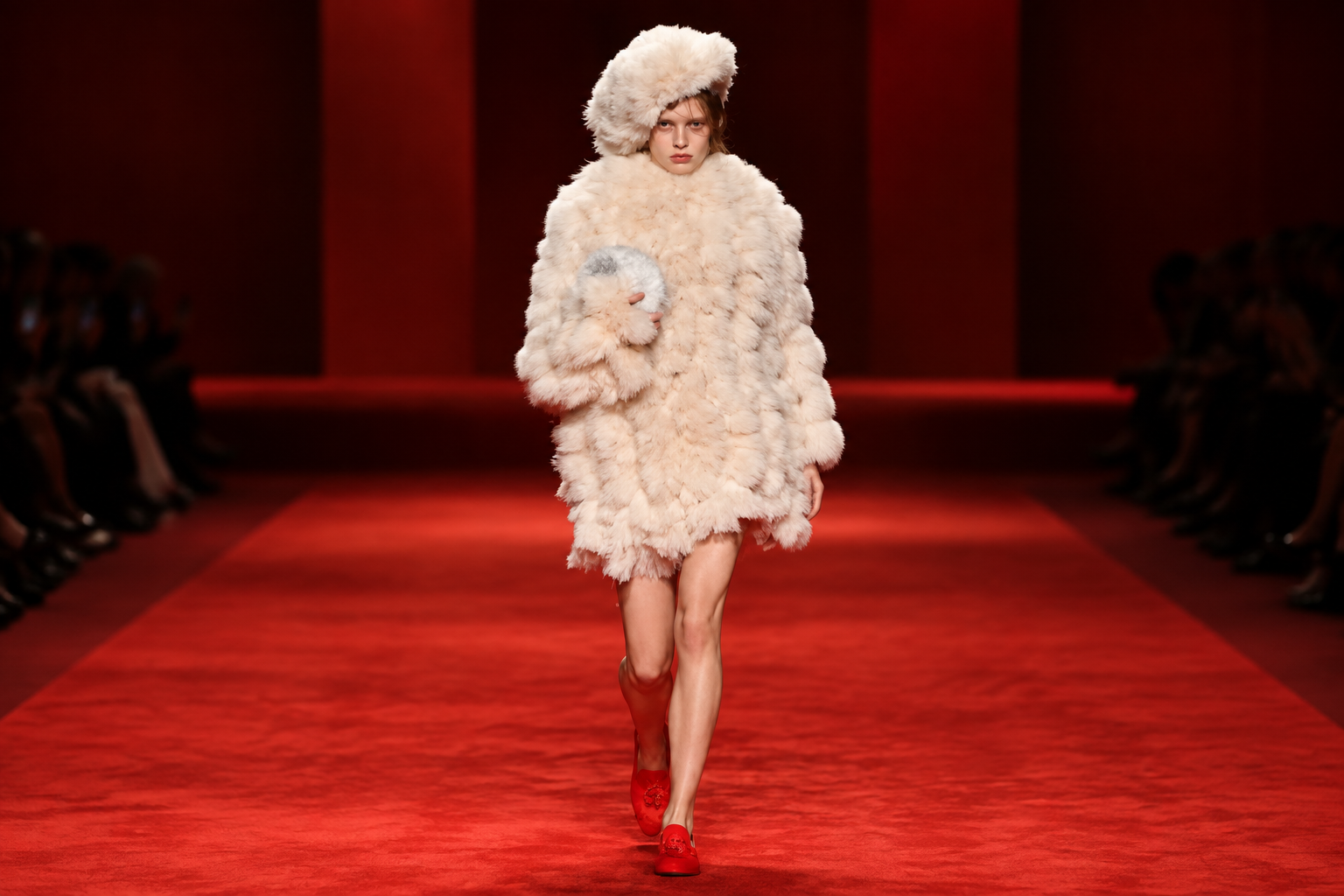
Fur and fur-adjacent textures return this season, but in a softer, more wearable form than in past years. Instead of oversized, maximal coats, the focus has shifted toward shearling collars, trims, and linings, along with low-pile faux fur that reads as cozy rather than costume-like. This softer approach is a big part of why the trend is showing up across such a wide range of price points and retailers this season.
Shearling in particular leans into an alpine, outdoor-inspired mood; think a shearling-lined jacket or a collar detail on a wool coat, rather than a full fur statement piece. It pairs naturally with heavier knits, denim, and boots, making it one of the easier trends on this list to fold into an existing cold-weather wardrobe. Given how consistently this texture has shown up across multiple seasons now, it's less a passing trend than a genuine seasonal staple.
Soft Tailoring & Shaped Jackets
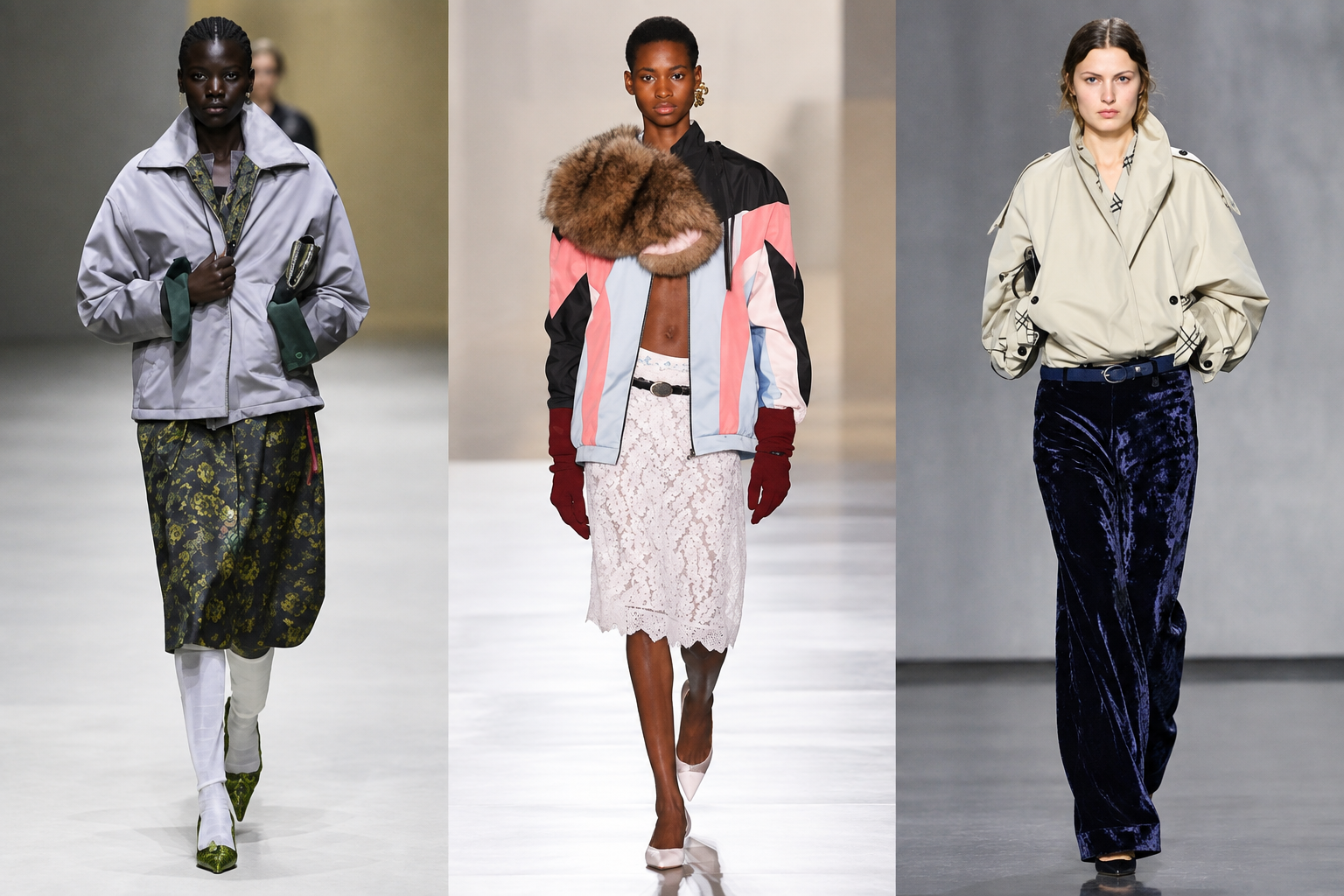
Structured tailoring hasn't disappeared, but the construction has softened considerably. Sharp shoulders and stiff fabric are giving way to fluid lines, relaxed fits, and shaped details like funnel necks, curved seams, and softly cinched waists that add interest without adding rigidity.
The appeal here is comfort without giving up polish entirely. A shaped jacket with a slightly cropped length or a curved seam still reads as intentional, but it moves and layers more easily than a traditional blazer. This is one of the trends most likely to influence everyday outerwear specifically, since the shaping details translate easily into jackets people actually wear on a daily commute, not just special occasions.
Statement Outerwear
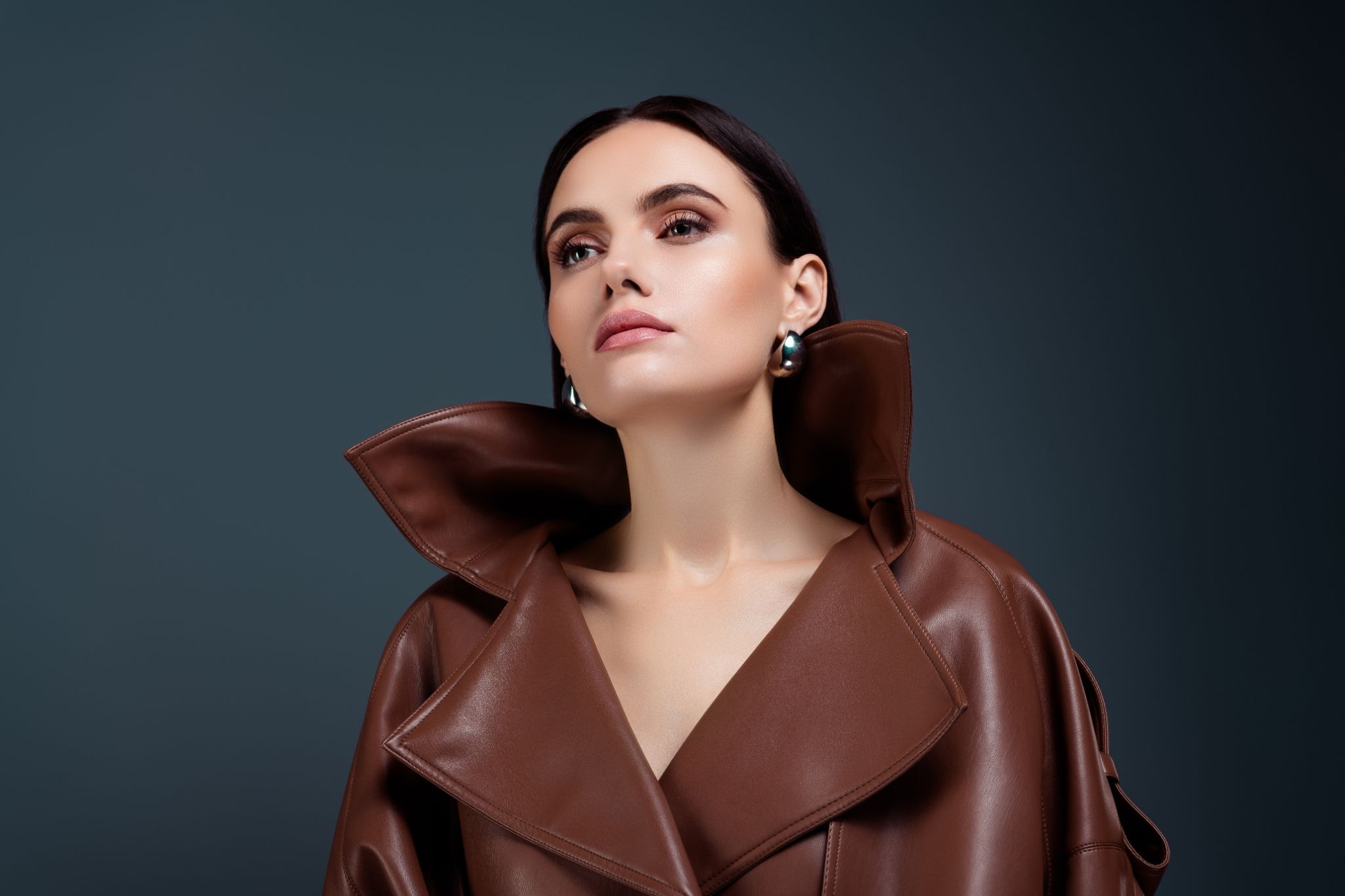
Coats are doing more work this season than almost any other category. Capes, ponchos, and trench coats all show up as strong outerwear statements, often substantial enough to define an entire outfit rather than simply topping one off.
For retail purposes, the trench coat is the most dependable pick; its cross-seasonal versatility and long track record make it far more likely to sell consistently than a cape or poncho, which tend to skew toward a narrower, more fashion-forward customer. Still, all three point in the same direction: outerwear as the centerpiece of a fall/winter 2026-2027 fashion trends outfit, not an afterthought layered on at the last minute.
Rich Brown & Cognac Tones
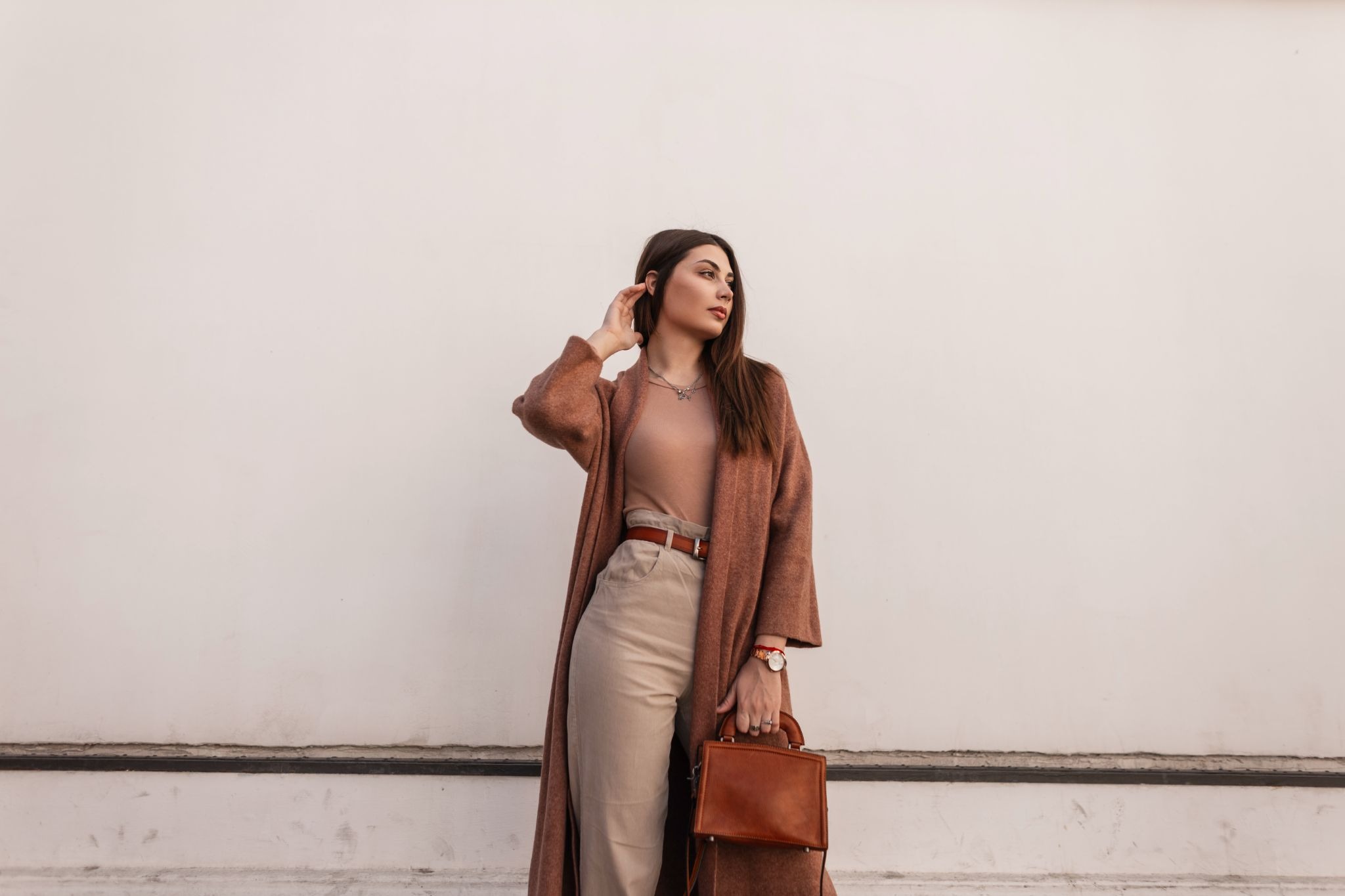
Black is losing some ground to warmer neutrals this season, particularly chocolate brown, cognac, and mocha. These tones function the same way black traditionally has as a foundational, easy-to-build-around color but with more warmth and richness.
This shift matters for buyers because it changes what "neutral" means for a season's core palette. A cognac coat or a chocolate knit works with nearly everything else on this list, from jewel-toned accessories to suede pieces, which is exactly why this tone shows up so consistently across multiple sources rather than as a single brand's design choice.
Cherry Red & Bordeaux Accents
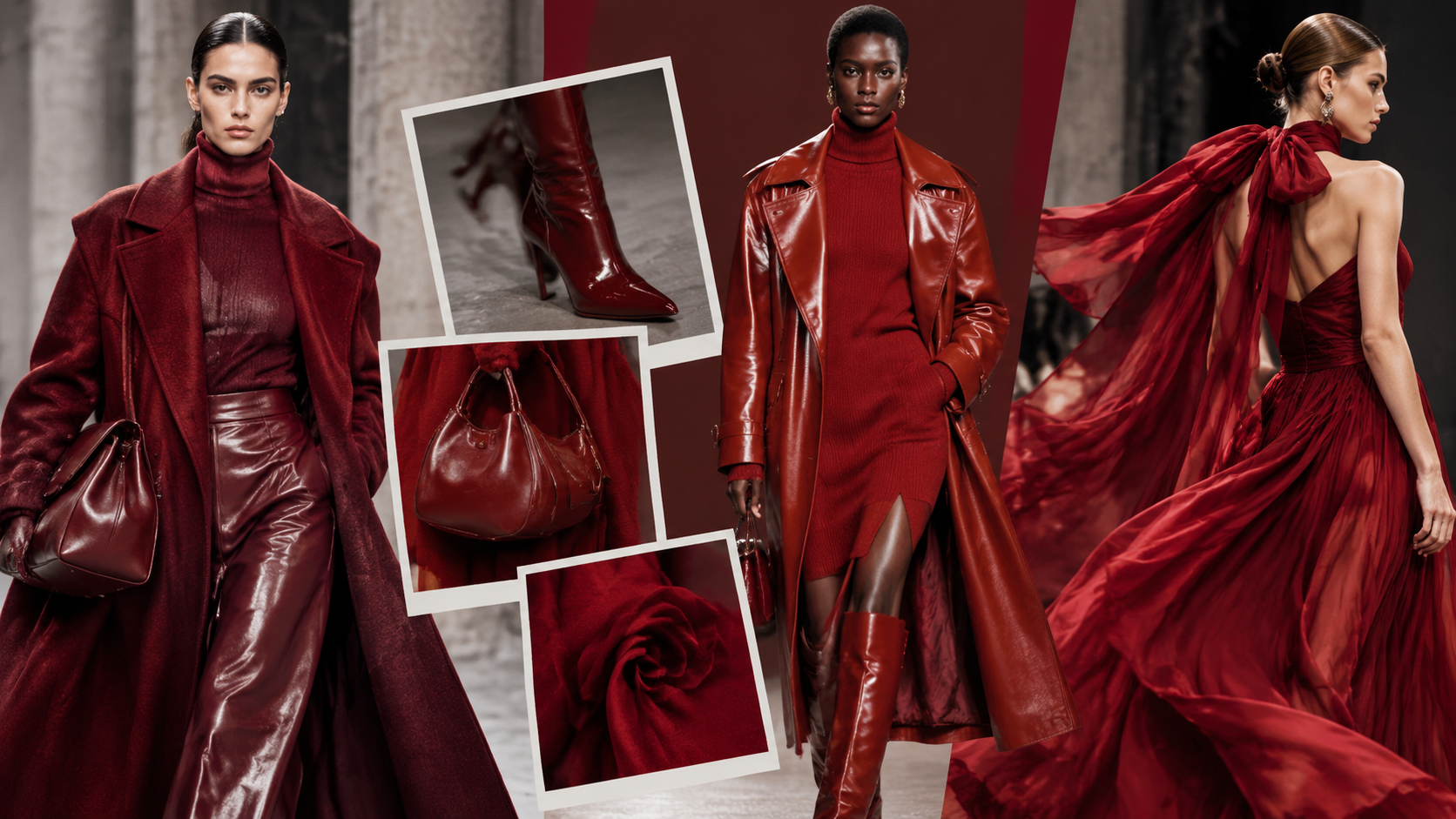
Red has been a fixture of fall and winter color stories for a few years running, but the specific shade is shifting. Cherry red, which peaked as a fresh, bright alternative to burgundy in 2024 and 2025, is maturing into something closer to a lingering accent rather than the main color story. Deeper, richer tones bordeaux, oxblood, true burgundy — are taking over as the season's heavier-hitting red.
For buying purposes, that distinction matters. A small cherry red accessory still reads as current, but a full bordeaux or oxblood piece, a coat, a bag, a boot , carries more of the season's actual color weight. Pairing either shade with chocolate brown, cream, or charcoal keeps it feeling considered rather than accidental.
Funnel Neck Coats
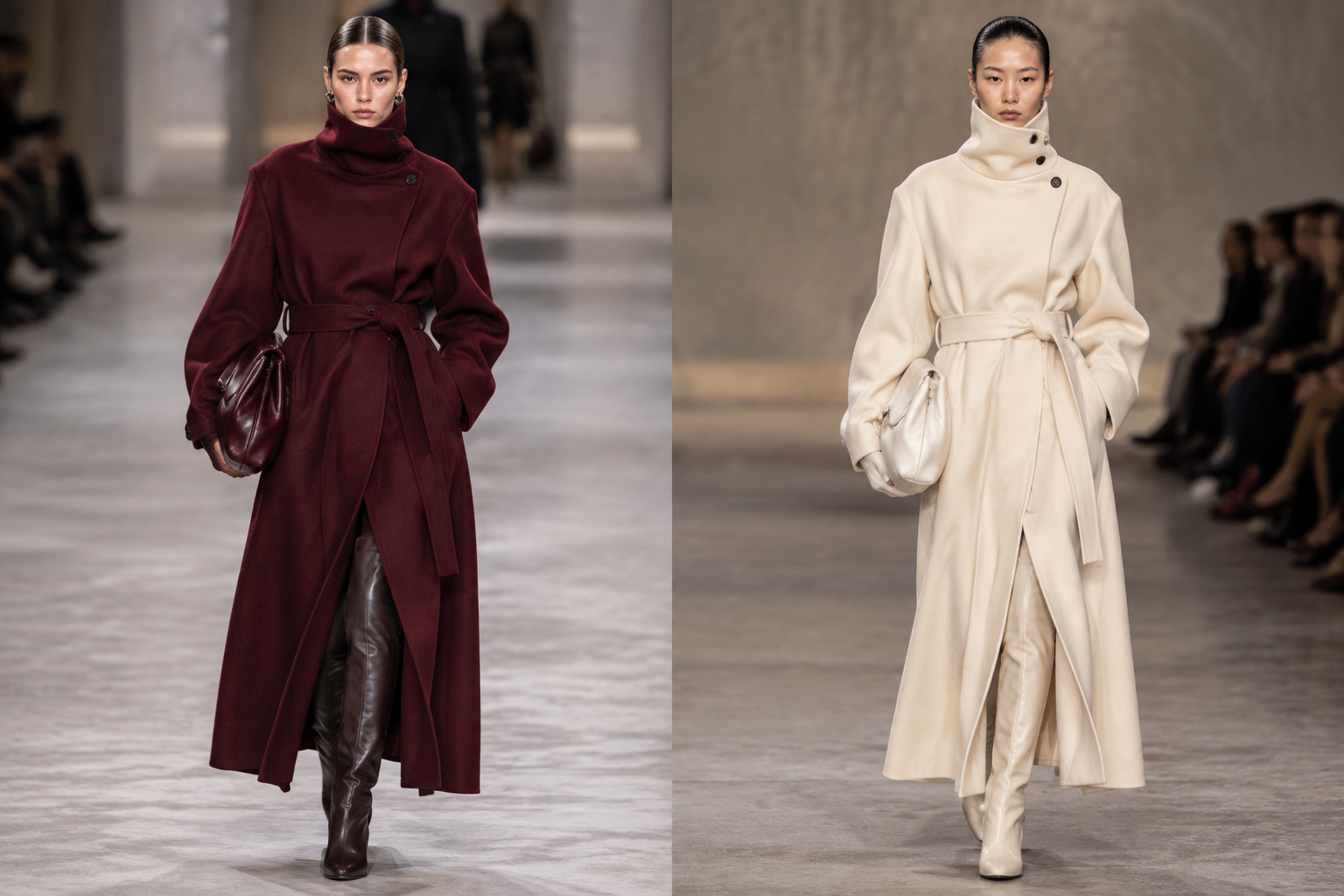
The funnel neck has become one of the season's most specific, recognizable outerwear details. A high, structured collar that stands up around the neck eliminates the need for a scarf while adding a distinct silhouette to an otherwise simple coat.
This is a detail-driven trend rather than a full silhouette shift, which makes it easy for retailers to incorporate into existing coat styles without redesigning a whole category. It also pairs naturally with the shaped jacket trend above, since both lean on structural details rather than color or print to make their statement.
Suede Everywhere
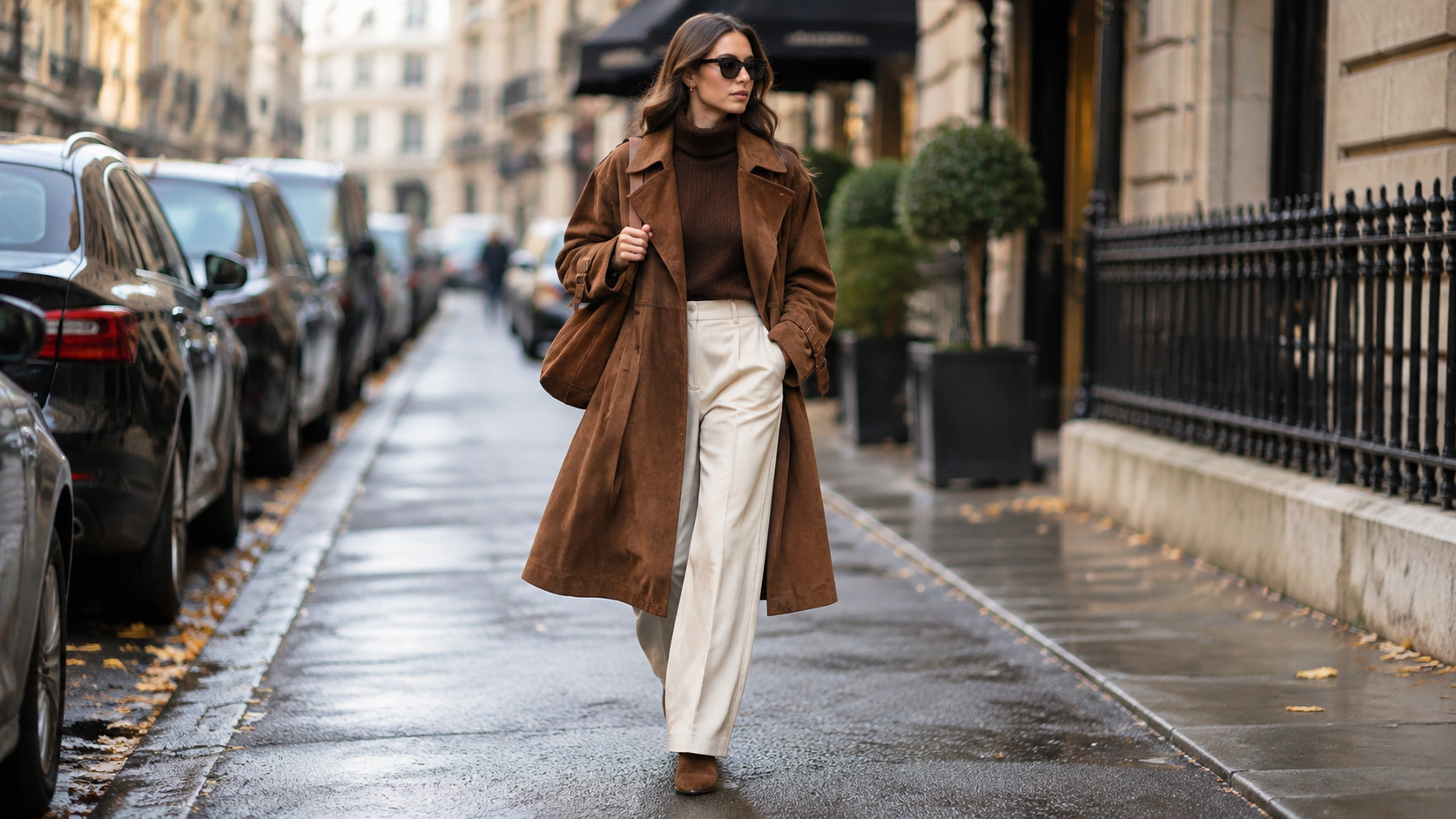
Suede is having a genuinely different moment than shearling, even though the two sometimes get lumped together. Where shearling leans cozy and outdoorsy, suede is showing up in sleeker, more tailored contexts: blazers, trousers, and structured bags rather than casual outerwear.
This distinction is worth keeping straight, since treating suede and shearling as the same "boho revival" moment misses what's actually happening. Suede here reads more corporate and polished, which makes it a strong fit for the soft tailoring trend above, particularly in a rich brown or cognac tone that ties several of this season's biggest trends together.
Hardware-Forward Bags
Accessories are leaning into visible, oversized hardware this season: chunky buckles, industrial zippers, and metallic details that turn a simple bag into a statement piece. This is a lower-commitment way to participate in several of this season's bigger silhouette and texture trends without buying an entirely new wardrobe.
Because it's accessory-driven, this trend also tends to have a longer shelf life than full apparel trends, since a bag or piece of hardware-forward jewelry gets more mileage across multiple outfits and doesn't require matching a specific color story.
Satin & Silk Basics
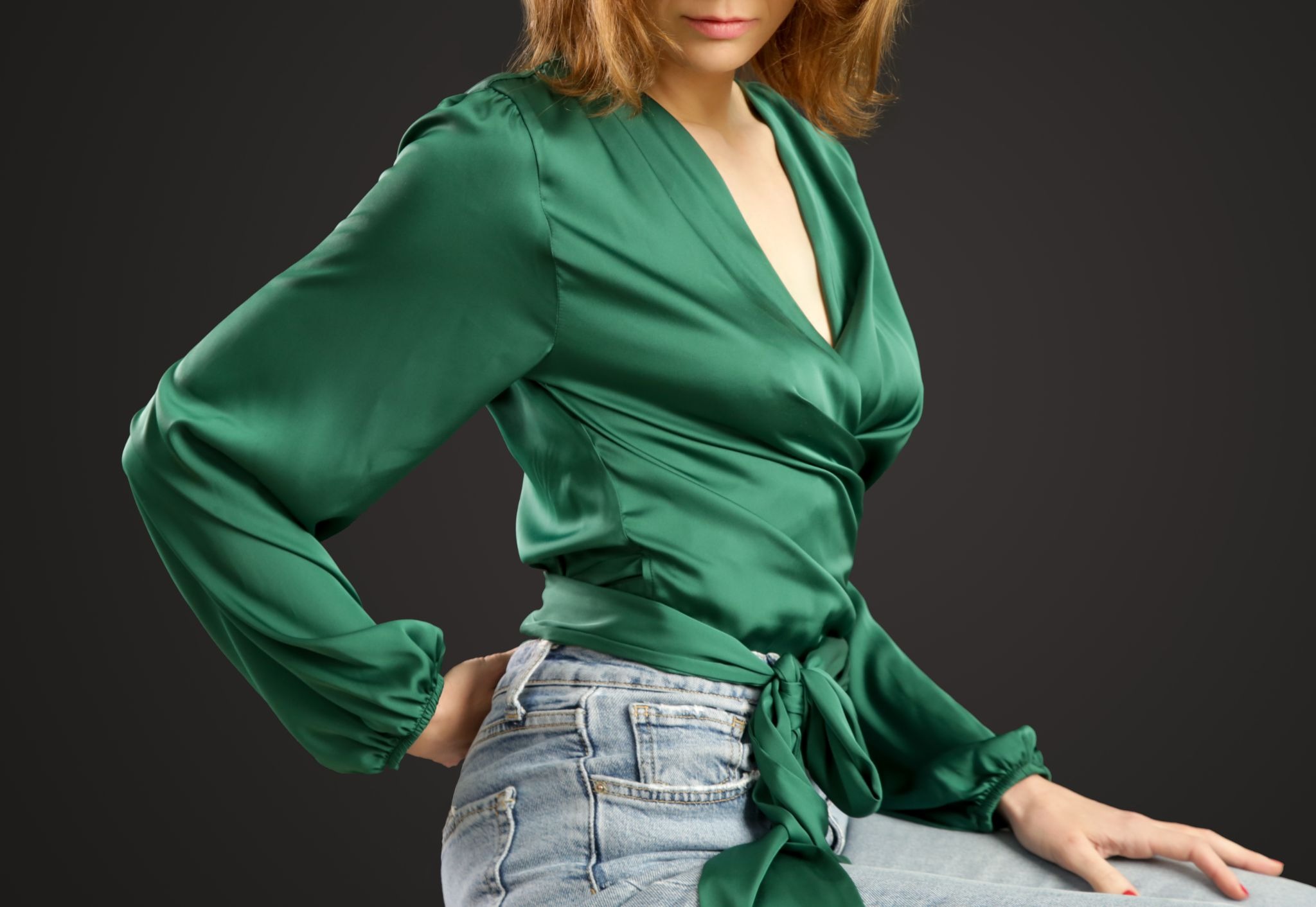
Satin and silk have moved beyond special-occasion dressing into genuine everyday basics. Silk-inspired button-downs, camisoles, and relaxed trousers are being styled the same way a cotton top or denim piece would be, rather than saved for a single dressy occasion.
The contrast between a smooth satin piece and a heavier fall texture, like a chunky knit, a suede jacket, or denim, is what makes this trend feel current rather than simply carried over from warmer months. It's also one of the more accessible trends on this list, since a single satin piece can be worked into an existing wardrobe without much additional investment.
Asymmetrical Details
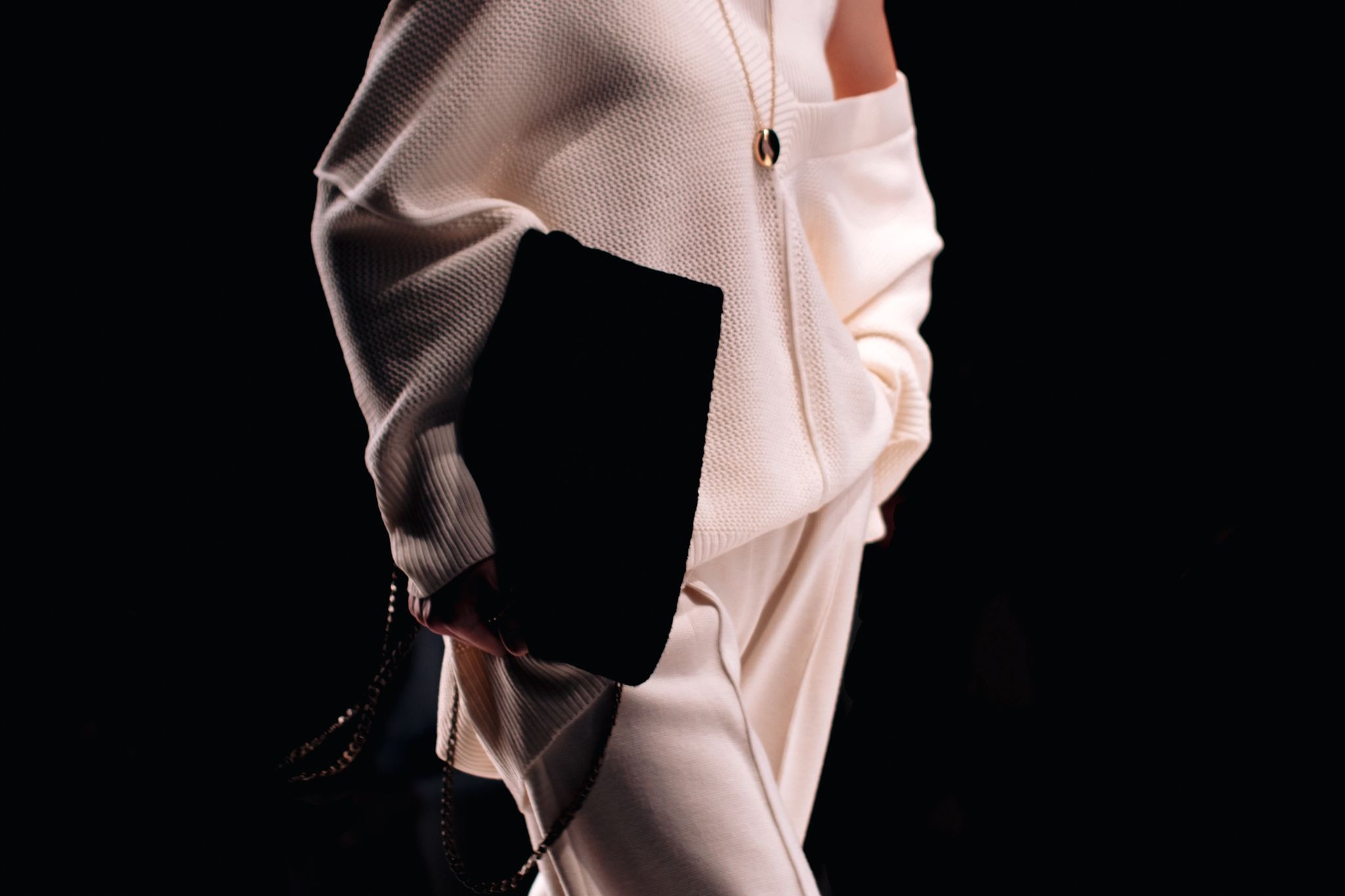
Asymmetry shows up across multiple, independent parts of this season's trend landscape, from runway silhouettes to more everyday styling content, which is a strong sign it has real staying power rather than being confined to one designer's point of view. On the wearable end, this means subtle details: an off-center button placement, an angled hem, a one-shoulder neckline on an otherwise simple knit rather than anything overtly sculptural.
This is a trend best approached in small doses. A single asymmetrical detail can update a basic piece without requiring a full silhouette commitment, which is exactly why it's showing up on both ends of the fashion spectrum, from runway statement pieces to easy, everyday knitwear.
Bold Monochrome Dressing
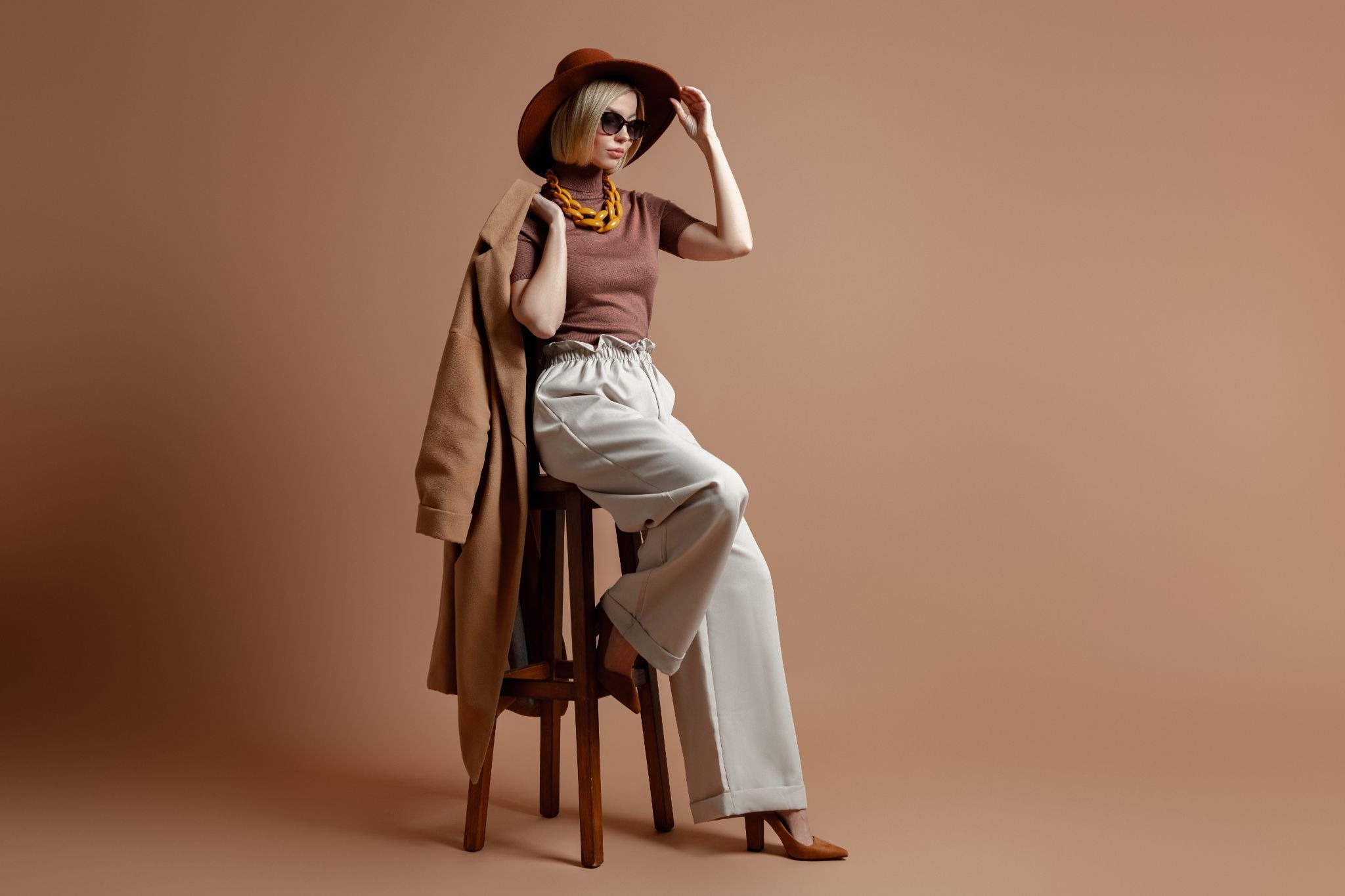
Head-to-toe color, particularly in black but also in richer neutrals, is emerging as a strong styling direction this season. Rather than relying on color contrast, the impact comes from texture, layering, and construction within a single tone.
This approach also works well as a practical retail strategy, since it doesn't require introducing new colors into a lineup; it's more about how existing pieces get styled and merchandised together. A monochrome outfit built from this season's richer neutrals, like cognac or bordeaux, reads as considered rather than simply matching.
Sport-Lux Hybrid
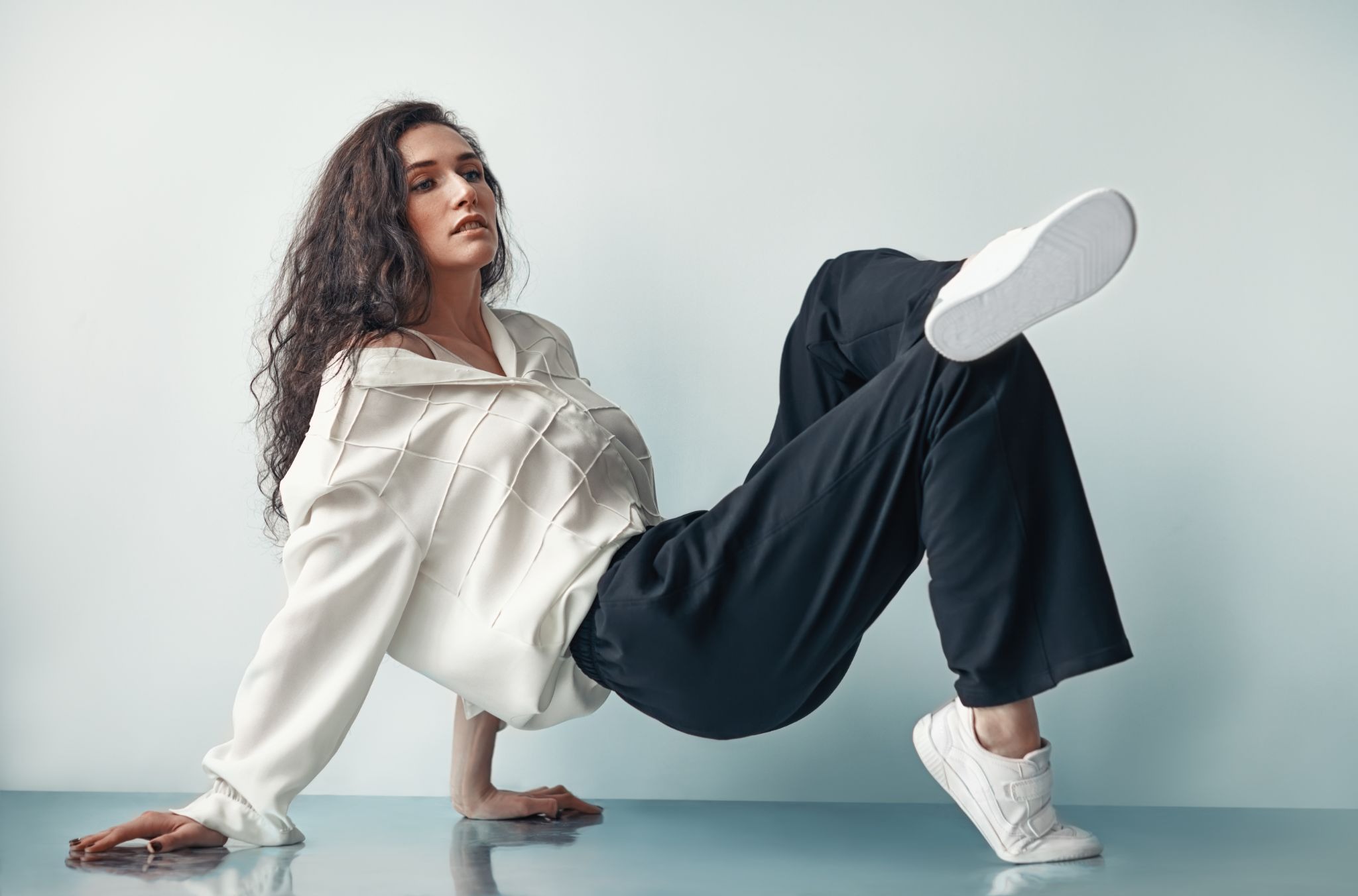
Athletic-inspired pieces continue to move into everyday, non-athletic styling, but this season the blend feels more deliberate than in past years. Track pants, in particular, are being styled with structured jackets or oversized knits rather than purely athletic pieces, aiming for a look that reads as intentional rather than like leftover activewear.
This trend performs best when it leans into contrast: a technical or sporty piece paired with something more polished, rather than a full head-to-toe athletic look. It's a lower-risk way for both shoppers and retailers to participate in a broader trend without committing to an entirely new aesthetic.
What's Runway-Only (and Why That's Fine to Skip)
Not everything that shows up on a runway is headed for a store shelf, and treating every detail as equally important is one of the most common mistakes in seasonal trend coverage.
Heavy embellishment, elaborate embroidery, feathers, sequins, and sculptural surface treatments fall firmly into this category. These pieces are genuinely striking, but they're built for a runway moment or a red carpet, not a retail rack. The same goes for extreme asymmetry and deconstructed silhouettes that prioritize visual drama over wearability. These directions are worth knowing about for context, but they're not worth building a buying strategy around.
Skipping these isn't a loss. It's actually where a lot of trend coverage goes wrong, treating couture-level statement pieces as if they carry the same retail weight as something like a funnel neck coat or a cognac-toned knit.
How This Plays Out Across the US
These fall winter 2026-2027 fashion trends don't move at the same pace everywhere, and buying or marketing as if the whole country behaves the same way misses real regional variation.
- Northeast and Midwest: colder weather arrives earlier here, so heavier trends like shearling, statement outerwear, and rich brown tones tend to show up in demand data first. These regions are also quicker to adopt the bordeaux and oxblood shift away from lighter reds.
- South and Southwest: lighter layering pieces, like satin basics and suede accessories, stay relevant longer here, since the need for heavy outerwear arrives later in the season. Cherry red, as a lighter accent color, also tends to hold on longer in these markets.
- West Coast: monochrome dressing and accessory-driven trends like hardware-forward bags and jewel-tone accents tend to outperform heavier outerwear trends here, reflecting a broader preference for simpler, less bulky styling.
Common Mistakes Brands Make With Seasonal Trend Reports
A few mistakes show up in seasonal trend coverage every single year:
- Copying every runway detail without filtering for retail viability: a report that treats a couture embellishment the same as a wearable coat detail isn't actually useful for buying decisions
- Ignoring regional pacing: a trend that's already selling well in the Northeast might still be a few weeks out in the South
- Treating heavy embellishment as mass-market signal: a striking runway moment doesn't automatically mean it will translate into what people actually buy
Final Word
Fall winter 2026-2027 fashion trends point toward a season built on texture, warmer neutrals, and structural detail rather than loud statement pieces. The 13 trends in this report all showed genuine crossover potential between the runway and real retail demand, which is a much better guide for planning a season than a runway recap alone.
This is exactly the kind of filtering Trendalytics is built for: separating what's actually worth buying from what's simply worth watching. Want a clearer, data-backed read on which of these trends fit your audience? Get in touch to see how our trend forecasting tools can guide your next season's planning.
FAQs
1. What are the biggest fall/winter 2026-2027 fashion trends?
Rich jewel tone accents, shearling textures, soft tailoring, statement outerwear, rich brown tones, and bordeaux accents lead the season's most retail-relevant trends.
2. Is cherry red still trending for fall/winter 2026-2027?
Cherry red is maturing into a lingering accent color, while deeper tones like bordeaux and oxblood are taking over as the season's dominant red.
3. What's the difference between this season's shearling and suede trends?
Shearling leans cozy and outdoor-inspired, showing up mostly in outerwear, while suede leans sleeker and more tailored, appearing in blazers, trousers, and structured bags.
4. Are funnel neck coats still in style for winter 2026?
Yes. Funnel neck coats are one of the season's most consistently confirmed outerwear details, offering structure without needing a separate scarf.
5. Do fall/winter fashion trends vary across the US?
Yes. The Northeast and Midwest adopt heavier trends like shearling and statement outerwear earlier, while the South holds onto lighter pieces like satin basics longer.
6. Which runway trends won't make it to retail this season?
Heavy embellishment, extreme asymmetry, and highly deconstructed silhouettes are largely runway-only and unlikely to translate into mainstream retail pieces.
7. How does Trendalytics build its seasonal trend reports?
By cross-referencing runway coverage from major fashion capitals against retail-facing sources and our own search and demand data, filtering out trends unlikely to reach stores.
Get ahead and stay
ahead with AI-powered trend forecasting.
Request a demo. Our AI tools are unmatched in the marketplace for predictive data and trend forecasting.