
The Future of Trend Analytics: Retail Trends 2026-2030
.webp)
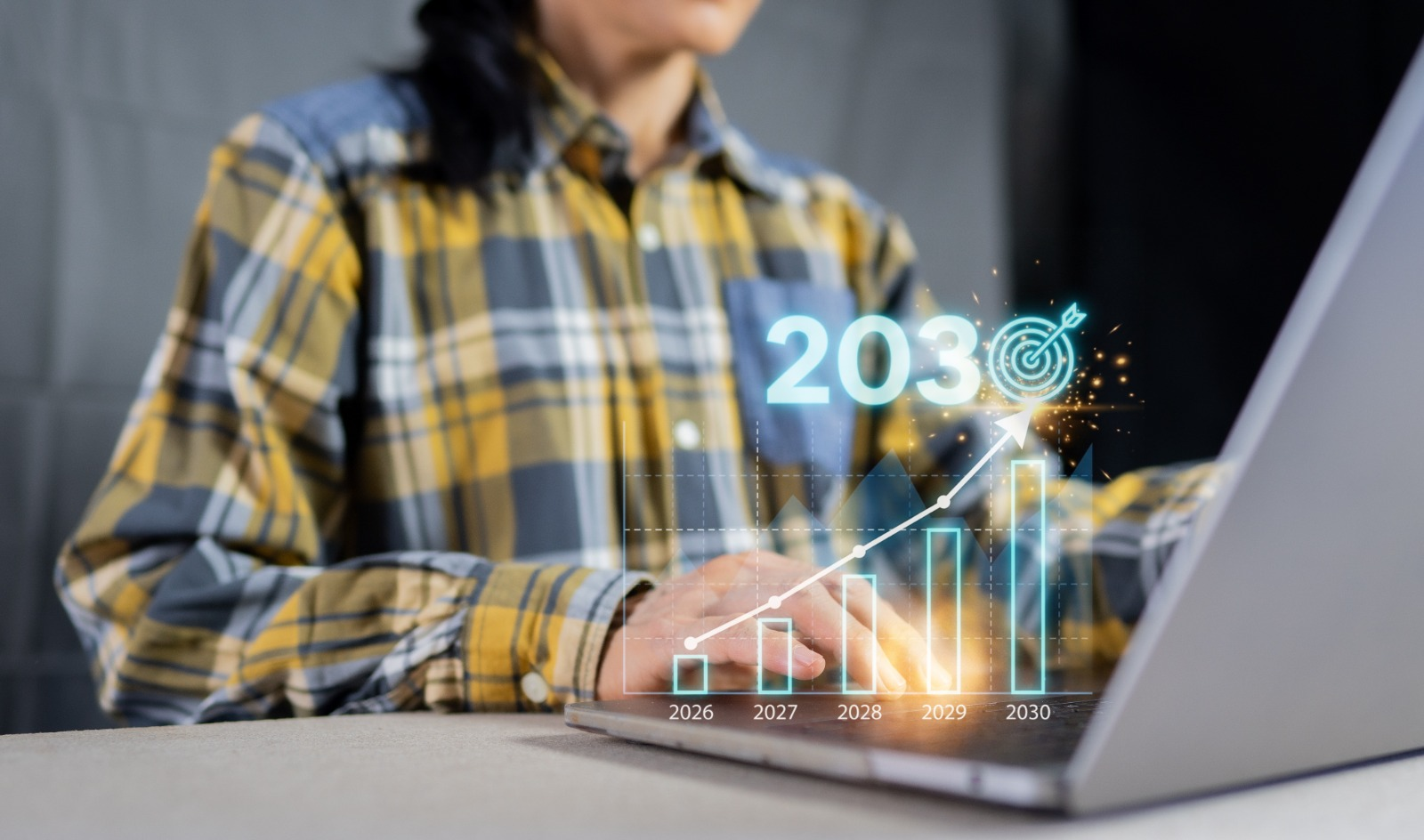
TREND ANALYTICS is quietly moving from a nice-to-have dashboard to a core part of how retailers decide what to buy, make, and stock. For most of the last decade, retail trend forecasting meant reading last season's sales and guessing forward. That's changing fast.
Between now and 2030, predictive analytics in retail is set to get more precise, more automated, and a lot more accountable. Here's what's actually shifting, and what it means for USA fashion and retail brands trying to plan further ahead than a single season.
Where Predictive Analytics Stands in 2026
Retail trend analytics has already moved past pure experimentation. A few years ago, plenty of retailers were testing AI trend forecasting tools just to see what they could do. In 2026, that phase is largely over.
Most market research on retail analytics points in the same direction: strong double-digit growth through the early 2030s, driven by USA retailers who've realized that trend-analysis tools pay for themselves when they actually reduce markdowns and stockouts. What's changed is the bar for proof. Leadership teams now expect a forecasting tool to show its work, not just produce a confident-looking number.
That means retailers can realistically predict more than they could two years ago, with rising search interest, early social signals, and sell-through velocity, but the winning tools are the ones that can explain why a prediction was made, not just what it predicts.
What's Changing in Trend Forecasting by 2030
From Historical Data to Real-Time Signals
Traditional forecasting looked backward: last year's sales, last season's bestsellers. Retail trend analytics is shifting toward signals that show up before a purchase ever happens: search behavior, social engagement, product page visits, wishlist adds. By the time a trend shows up in sales data, the head start is already gone.
Multi-Source Models Will Connect More Consumer Signals
A single data source only tells part of the story. Search data shows intent. Social data shows cultural momentum. Product and sales data show what's actually converting. Combining all three into one model gives a far more complete read on consumer behavior prediction than any one source alone, and by 2030 this kind of multi-source approach will likely be the baseline, not the differentiator.
From Category-Level Trends to Product-Level Predictions
Knowing that "olive green is having a moment" is useful. Knowing which specific silhouette, fabric, or SKU is likely to sell through in which region is far more useful. Predictive trend analytics is moving toward that level of granularity, with category trends broken down into product- and store-level demand forecasting that retail teams can actually act on.
How Retailers Will Actually Use Predictive Trend Analytics
Demand Forecasting and Inventory Planning
This is the most immediate payoff. Better demand forecasting retail teams can act on means fewer stockouts on what's selling and less dead stock on what isn't, translated directly into fewer emergency reorders and fewer end-of-season markdowns.
Personalization at Scale
Not every customer responds to the same trend the same way. Retail personalization built on trend data means different segments see different recommendations, informed by which trends are actually resonating with which audience, rather than a single trend forecast applied to everyone.
Reducing Overproduction and Markdown Waste
Overbuying on a trend that fizzles is expensive and, increasingly, a sustainability liability. Inventory planning informed by real demand signals rather than gut instinct is one of the clearest, most measurable ways predictive analytics pays for itself.
Why ROI and Accountability Will Matter More
The easy AI experimentation phase is ending. Leadership teams, especially CFOs, are asking harder questions: what did this tool actually predict correctly, and what did it cost to find out? That shift toward accountability is reshaping which trend-analysis tools survive past the pilot stage.
Explainability matters more than raw accuracy claims. A tool that can show why it flagged a color or silhouette as rising, which signals moved, by how much, is more useful to a buying team than a black-box score with no reasoning behind it. Expect data governance and clear audit trails to become standard requirements, not nice-to-haves, for any AI trend forecasting tool used at scale.
What This Means for Fashion and Retail Brands
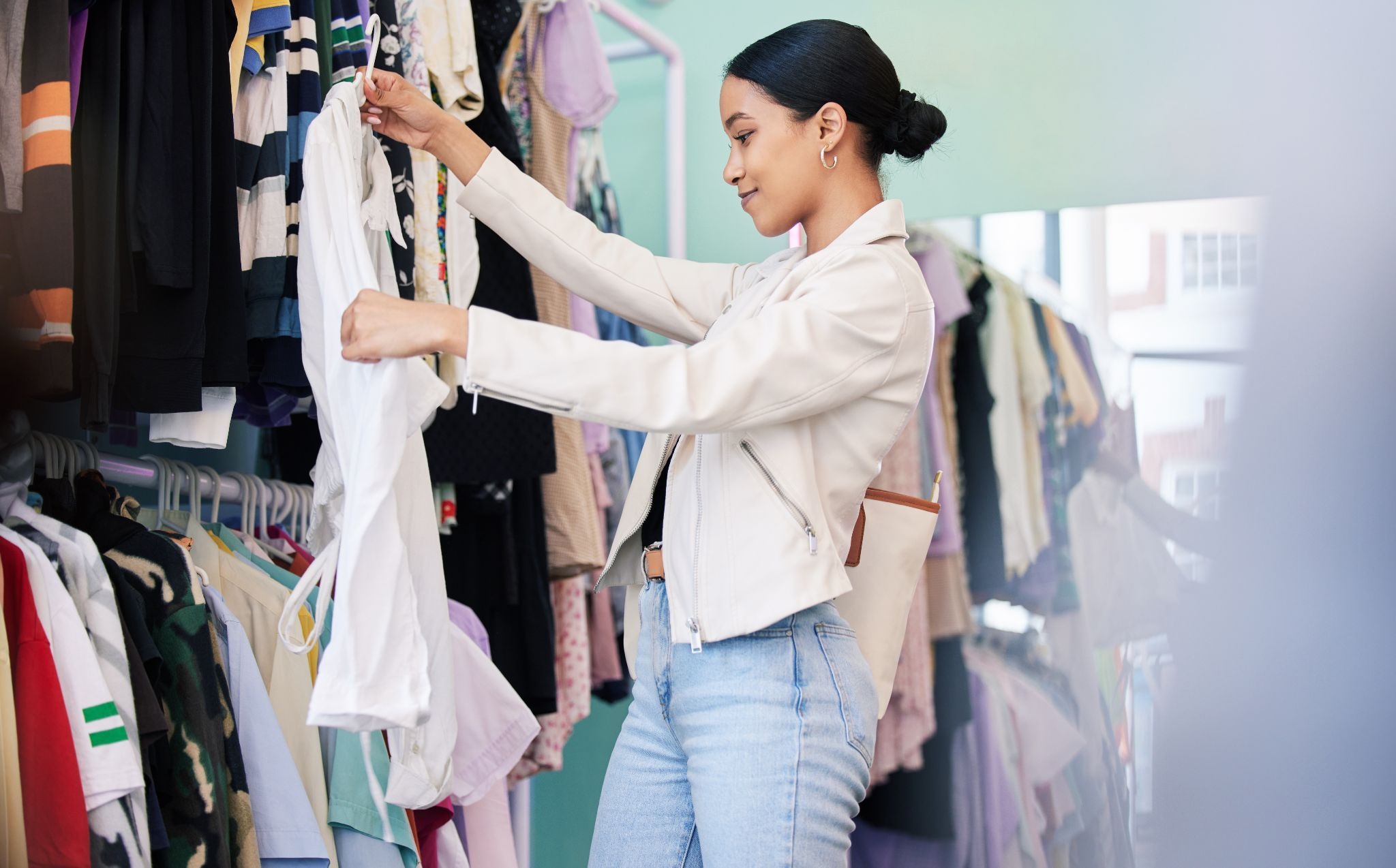
For fashion brands specifically, this shift means faster, more confident product decisions. Instead of waiting for a trend to show up in competitor sales data, teams can spot rising demand while there's still time to act on it: earlier fabric sourcing, earlier production commitments, and less reactive buying.
This is exactly the gap Trendalytics is built to close. By combining search, social, and product signals into one read on USA consumer demand, Trendalytics gives USA fashion and retail teams the kind of trend intelligence this shift toward predictive, accountable forecasting actually requires: not just a list of what's trending, but a read on where a trend is headed and how confident that read is.
What Retailers Should Do Now to Prepare for 2030
- Start combining multiple consumer signals instead of relying on one data source.
- Move beyond historical sales reporting toward real-time demand signals.
- Connect trend insights directly to commercial decisions, not just merchandising reports.
- Measure prediction accuracy against actual outcomes, not just adoption.
- Keep human expertise in the loop rather than automating buying decisions entirely.
- Choose tools that explain their predictions, not just ones that produce a score.
Final Takeaway
The retail teams that win by 2030 won't just ask "what's trending?" They'll ask what's likely to grow, who's actually going to want it, and how fast they need to respond. That's a fundamentally different question, and it needs fundamentally different tools to answer it.
Curious how predictive trend analytics could fit into your buying calendar? Request a demo with Trendalytics.
FAQs
1. What is predictive analytics in retail trend forecasting?
It's the use of AI and machine learning to analyze search, social, and sales data together, predicting which trends will grow rather than just reporting what's already sold.
2. How big is the predictive analytics market by 2030?
Estimates vary by research firm and scope, but most point to strong double-digit annual growth for predictive and retail analytics through the early 2030s, driven largely by retail and e-commerce adoption.
3. Why is AI trend forecasting getting more scrutiny in 2026?
Leadership teams are demanding measurable ROI and explainable predictions before scaling AI tools, moving the industry away from experimentation and toward accountability.
4. How will predictive analytics change fashion buying by 2030?
Buying decisions are shifting from category-level trend calls to product- and store-level demand predictions, giving teams more precise, actionable forecasts.
5. What's the difference between reactive and predictive trend analytics?
Reactive analytics reports what already happened, like last season's bestsellers. Predictive trend analytics flags what's likely to happen next, based on real-time search and social signals.
Get ahead and stay
ahead with AI-powered trend forecasting.
Request a demo. Our AI tools are unmatched in the marketplace for predictive data and trend forecasting.