
Gen Z Consumer Trends 2026: What Brands Need to Know Next

The answer is clear. Gen Z Consumer Trends 2026 will be shaped by digital-first experiences, social commerce, personalization, sustainability, and authenticity. Unlike previous generations, Gen Z consumers expect brands to understand their values, preferences, and lifestyles. As a result, companies are changing how they develop products, communicate with audiences, and build long-term relationships.
Moreover, Gen Z continues to influence culture, technology, fashion, beauty, and retail trends. This generation spends significant time online, discovers products through social media, and expects seamless digital experiences. Therefore, businesses that understand these changing behaviors will be better positioned to capture future demand and remain competitive.
Why Gen Z Matters More Than Ever in 2026
Gen Z has become one of the most influential consumer groups in the market. Their purchasing decisions affect not only their own spending but also the behavior of older generations.
Furthermore, Gen Z consumers actively shape trends rather than simply follow them. They share opinions online, influence product popularity, and help brands gain visibility through user-generated content. Consequently, businesses now pay close attention to their preferences.
At the same time, this generation values transparency. They want honest communication, meaningful products, and brands that align with their beliefs. Therefore, companies that focus only on traditional advertising often struggle to connect with younger consumers.
The Growing Purchasing Power of Gen Z
Gen Z's spending power continues to increase. Many members of this generation have entered the workforce and now make independent purchasing decisions.
As their income grows, their influence on the market grows as well. Consequently, brands across fashion, beauty, technology, wellness, and lifestyle sectors are adapting their strategies to meet Gen Z expectations.
Moreover, Gen Z consumers often influence household purchases. Their recommendations affect buying decisions within families, making their impact even greater.
How Gen Z Influences Market Trends
Gen Z drives many of today's fastest-growing trends. Through social media platforms, they rapidly share new ideas, products, and experiences.
As a result, trends can spread globally within days. Brands that monitor these conversations gain valuable insights into emerging opportunities. Furthermore, understanding trend development helps businesses respond more quickly to changing demand.
Understanding Gen Z Consumer Behavior
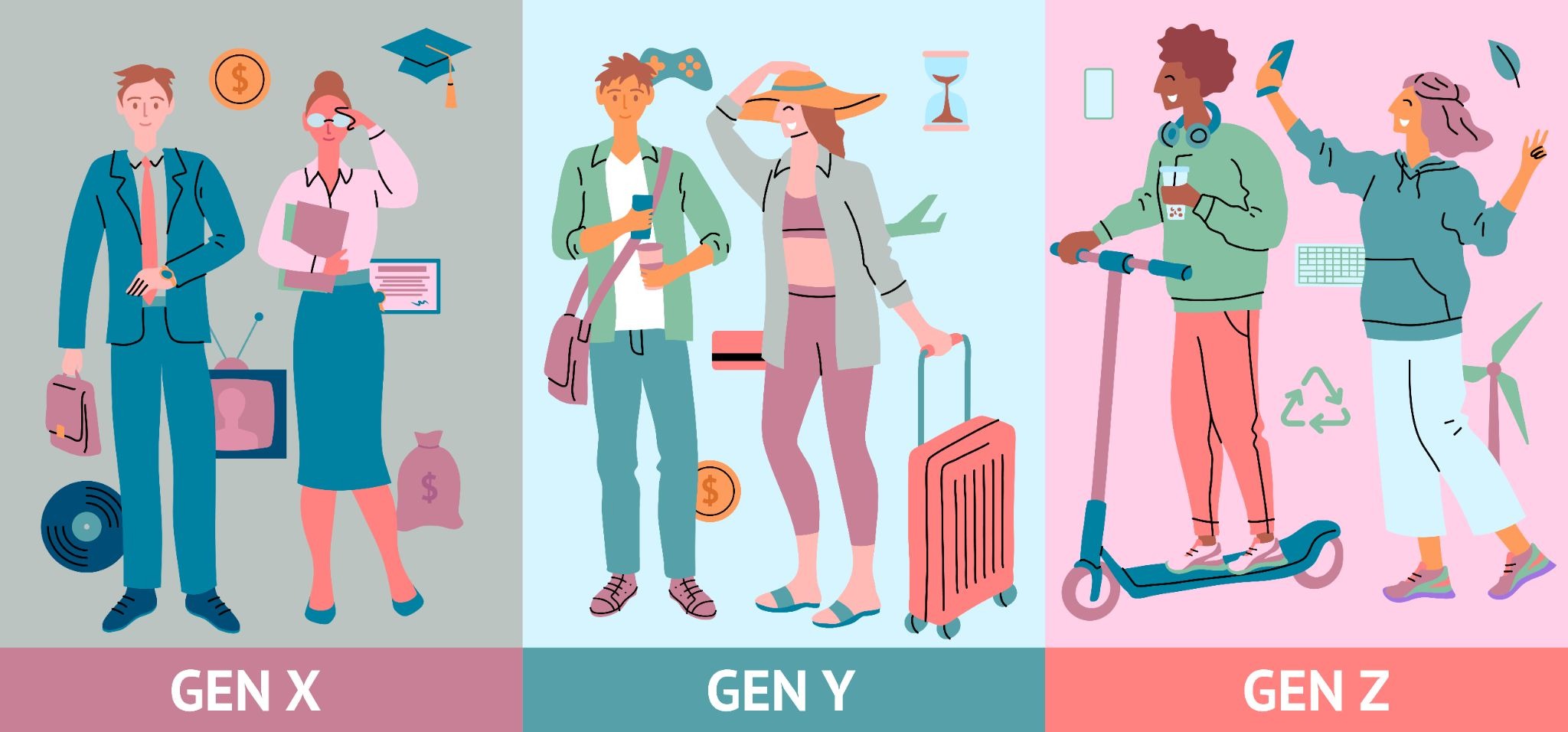
To connect with Gen Z, brands must understand what motivates their decisions.
Unlike previous generations, Gen Z consumers prioritize experiences, values, and authenticity. They often research products before purchasing and compare multiple options before making a decision.
Additionally, they expect brands to communicate openly. Therefore, businesses that provide clear information and genuine messaging often build stronger trust.
What Drives Gen Z Purchasing Decisions
Several factors influence Gen Z buying behavior.
First, product quality remains important. However, quality alone is not enough. Consumers also evaluate brand values, customer reviews, and overall reputation.
Second, convenience matters. Gen Z expects smooth online shopping experiences and fast access to information.
Third, social proof influences purchasing decisions. Reviews, recommendations, and creator content often shape consumer confidence.
The Importance of Authenticity and Transparency
Authenticity remains one of the strongest drivers of Gen Z engagement.
Consumers quickly recognize messaging that feels artificial or overly promotional. Therefore, brands that communicate honestly often perform better.
Transparency also builds trust. Consumers want information about sourcing, production practices, ingredients, and company values. Consequently, openness has become an important competitive advantage.
How Values Influence Buying Behavior
Values increasingly affect purchasing decisions. Many Gen Z consumers support brands that demonstrate social responsibility, environmental awareness, and ethical business practices.
As a result, companies that align with these priorities often attract stronger loyalty. Furthermore, consumers are more likely to support brands that take meaningful action rather than simply making marketing claims.
Gen Z Consumer Trends 2026
Several important trends are expected to shape consumer behavior throughout the year.
Digital-First Shopping Continues to Grow
Gen Z has grown up in a digital environment. Therefore, online shopping feels natural and convenient.
Consumers increasingly use mobile devices to discover products, compare prices, and complete purchases. As a result, brands must prioritize mobile-friendly experiences and seamless digital journeys.
Moreover, consumers expect personalized recommendations and relevant content. Businesses that deliver these experiences often achieve stronger engagement and conversion rates.
Social Commerce Becomes a Primary Sales Channel
Social media is no longer just a place for entertainment. It has become a major shopping destination.
Consumers frequently discover products through creators, reviews, and recommendations. Consequently, social commerce continues to expand across multiple industries.
Platforms such as TikTok, Instagram, and YouTube play a critical role in influencing purchasing decisions. Therefore, brands must develop strategies that support social-first consumer journeys.
Personalized Experiences Drive Engagement
Personalization remains one of the most powerful tools for customer engagement.
Gen Z consumers expect brands to understand their preferences and provide relevant recommendations. As a result, companies increasingly use data and AI to improve customer experiences.
Personalized communication helps consumers feel valued. Consequently, it often leads to stronger relationships and higher loyalty.
Sustainability Remains a Purchase Driver
Environmental concerns continue to influence consumer behavior.
Many Gen Z shoppers actively seek products that align with sustainable practices. Therefore, brands that prioritize responsible sourcing and environmental responsibility often gain a competitive advantage.
However, consumers also expect proof. Companies must demonstrate genuine commitment rather than relying on marketing messages alone.
Community-Led Brands Gain Consumer Trust
Consumers increasingly value community-driven experiences.
Brands that encourage participation, feedback, and collaboration often build stronger relationships with their audiences. As a result, community engagement has become a key growth strategy.
Furthermore, user-generated content helps create authenticity and trust.
Affordable Luxury Attracts Gen Z Consumers
Gen Z appreciates premium experiences. However, affordability remains important.
As a result, many consumers seek products that deliver quality and status without excessive costs. This trend has created opportunities for brands offering accessible luxury products.
AI-Powered Shopping Experiences Expand
Artificial intelligence continues to transform retail experiences.
Consumers increasingly interact with recommendation engines, virtual assistants, and personalized shopping tools. Consequently, AI plays a growing role in customer engagement and decision-making.
Businesses are also using AI Fashion Trend Forecasting tools to better understand future demand and identify emerging opportunities before they become mainstream.
The Role of Social Media in Gen Z Consumer Trends
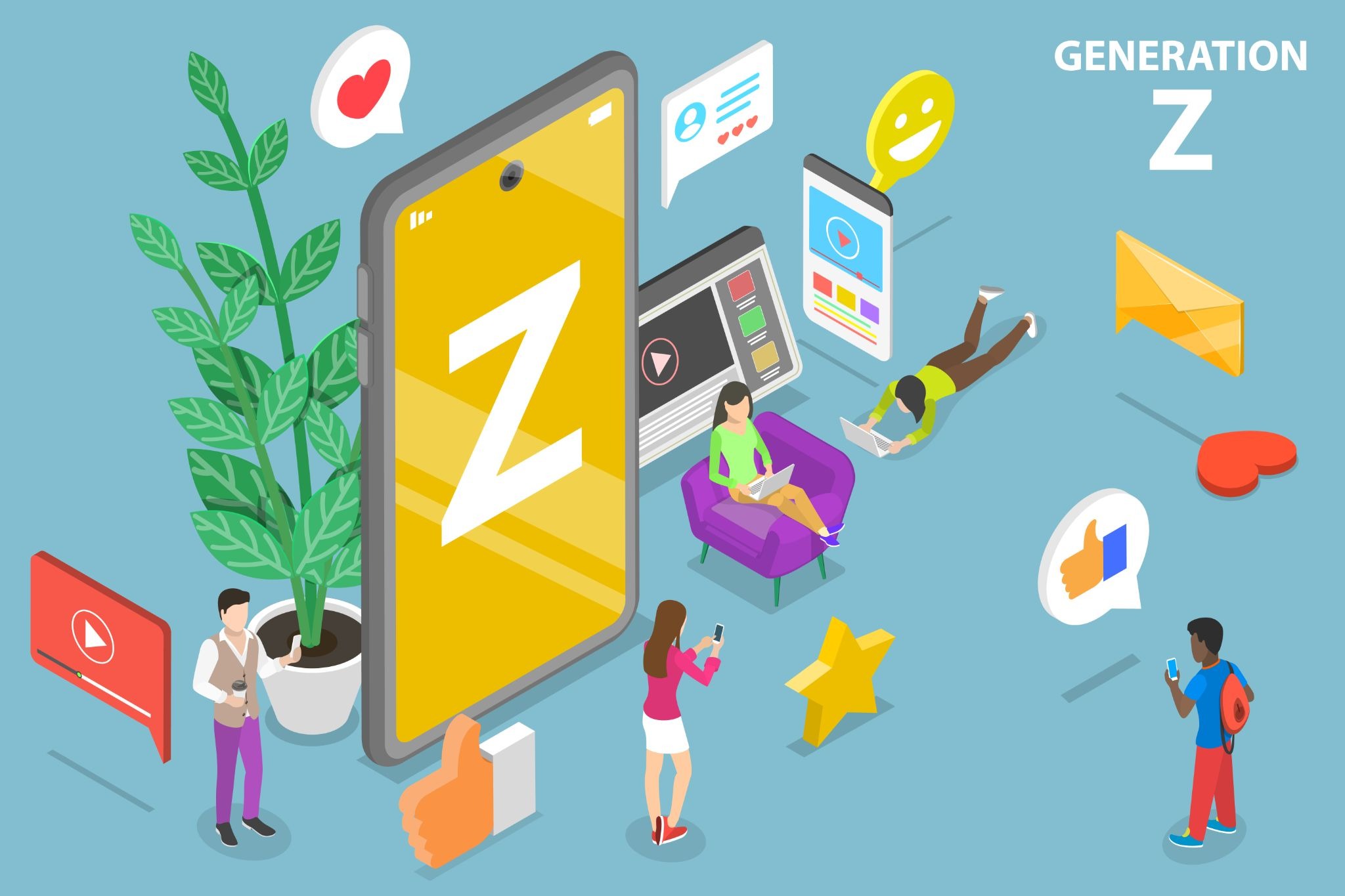
Social media remains one of the strongest influences on Gen Z behavior.
Consumers use social platforms to discover products, evaluate brands, and engage with communities. Therefore, social content often influences purchasing decisions more than traditional advertising.
How TikTok Influences Consumer Demand
TikTok continues to shape product discovery across multiple industries.
Consumers frequently encounter products through creator content, tutorials, and reviews. As a result, products can gain significant visibility within a short period of time.
This influence extends beyond beauty and fashion into lifestyle, wellness, technology, and home categories.
Creator Recommendations and Brand Discovery
Creators help consumers discover new products and brands.
Many consumers trust creator recommendations because they feel more authentic than traditional advertisements. Therefore, influencer partnerships continue to play an important role in marketing strategies.
User-Generated Content Builds Trust
User-generated content strengthens credibility.
Consumers often trust other consumers more than brands. Consequently, reviews, testimonials, and shared experiences help influence purchasing behavior.
Emerging Categories Capturing Gen Z Attention
Several industries continue to attract strong interest from Gen Z consumers.
Beauty and Skincare
Beauty remains one of the most influential categories among younger consumers.
Personalized skincare, wellness-focused products, and science-backed ingredients continue gaining popularity.
Fashion and Streetwear
Fashion trends evolve quickly within Gen Z communities.
Many brands are already using Gen-Z Future Fashion Trend Prediction in 2026 insights to understand changing style preferences and prepare future collections.
Streetwear, resale fashion, and sustainable clothing continue attracting strong interest.
Health and Wellness Products
Wellness has become a major lifestyle priority. Consumers actively seek products that support mental well-being, physical health, and long-term self-care.
Technology and Smart Devices
Technology remains deeply integrated into everyday life. As a result, Gen Z continues adopting innovative devices that improve convenience, productivity, and connectivity.
How AI Helps Predict Gen Z Consumer Trends
AI has transformed consumer trend forecasting. Businesses now analyze search activity, social engagement, purchasing behavior, and consumer conversations to identify emerging patterns.
Identifying Consumer Demand Signals
Demand signals often appear before trends become mainstream. By monitoring these indicators, businesses can identify opportunities earlier and make more informed decisions.
Tracking Behavioral Shifts in Real Time
Consumer behavior changes quickly. AI systems help brands monitor these changes and respond more effectively to evolving market conditions.
Forecasting Future Purchasing Patterns
Forecasting allows businesses to anticipate future demand rather than simply reacting to current trends. Consequently, brands can improve product development, inventory planning, and marketing strategies.
Challenges Brands Face When Targeting Gen Z
Despite the opportunities, several challenges remain.
- Rapidly Changing Consumer Preferences: Gen Z trends move quickly. Therefore, brands must remain flexible and responsive.
- Balancing Price and Value: Consumers seek value while maintaining high expectations for quality and experience.
- Maintaining Brand Relevance: Brands must continuously innovate to remain relevant within a competitive marketplace.
What Brands Should Do Next
Brands should invest in consumer insights, forecasting, personalization, and community engagement.
Furthermore, they should prioritize authenticity and transparency across all customer interactions.
Most importantly, businesses must remain adaptable as consumer preferences continue to evolve.
The Future of Gen Z Consumer Behavior
The future points toward greater personalization, stronger digital experiences, and deeper integration of AI-driven insights.
Consumers will continue expecting brands to understand their needs while providing meaningful value.
Therefore, companies that combine technology, consumer understanding, and strategic planning will be best positioned for long-term success.
Conclusion
Gen Z Consumer Trends 2026 highlight the growing importance of digital-first experiences, social commerce, sustainability, personalization, and authentic brand relationships. As consumer expectations continue to evolve, businesses must adapt quickly to remain competitive.
Moreover, brands that understand behavioral shifts, leverage forecasting technologies, and build genuine connections with consumers will gain a significant advantage. The companies that act early will be better prepared for future market opportunities and changing demand patterns. Contact Us to learn how consumer insights and trend forecasting solutions can help your brand stay ahead of the next generation of consumers.
FAQs
- What are the biggest Gen Z Consumer Trends 2026?
The biggest trends include social commerce, personalization, sustainability, community-led brands, AI-powered shopping experiences, and digital-first consumer behavior.
- Why is Gen Z important for brands?
Gen Z influences purchasing decisions, drives social media trends, and shapes future consumer demand across multiple industries.
- How does social media affect Gen Z purchasing decisions?
Social media helps consumers discover products, evaluate reviews, and engage with creators who influence buying behavior.
- What role does AI play in understanding Gen Z consumers?
AI helps businesses analyze consumer behavior, identify demand signals, and forecast future purchasing patterns.
- How can brands build loyalty with Gen Z?
Brands can build loyalty by providing authentic communication, personalized experiences, transparency, and products that align with consumer values.
Get ahead and stay
ahead with AI-powered trend forecasting.
Request a demo. Our AI tools are unmatched in the marketplace for predictive data and trend forecasting.