
Gen Z vs Millennial Fashion: Who Is Setting Trends in 2026
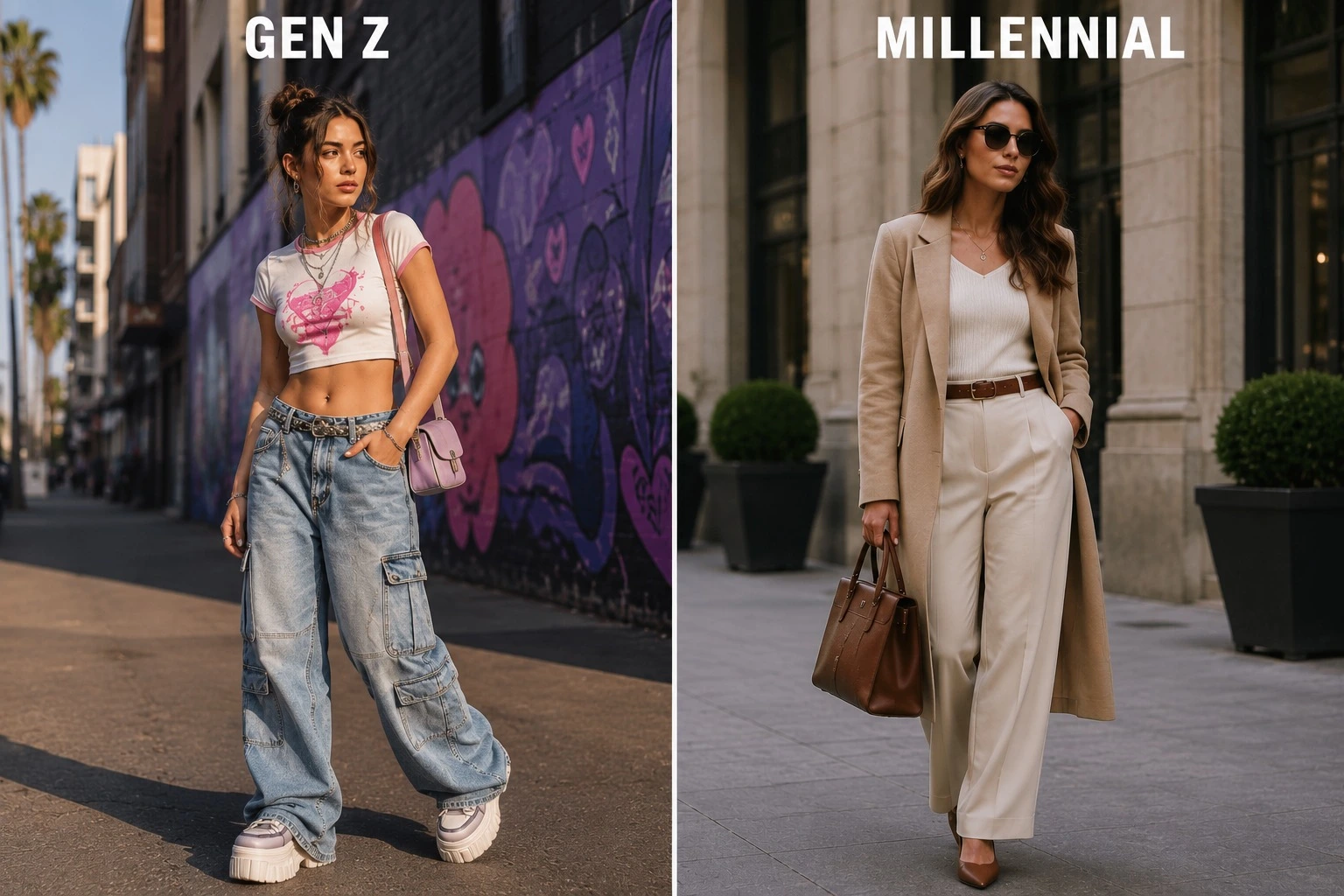
Who's winning the fashion war in 2026, Gen Z or Millennials? A year ago, that question had an obvious answer. Gen Z came in loud, rejected everything Millennials loved, built their own aesthetic universe on TikTok, and never looked back. Skinny jeans, side parts, logo everything gone. Replaced with Y2K nostalgia, thrifted oversized fits, and micro-aesthetics that shift faster than any seasonal trend cycle ever could.
But 2026 brought something nobody predicted. The two generations are converging. The overlap is growing. And the data from Trendalytics tracking both audiences across the US market in real time tells a story that's way more nuanced and way more interesting than the memes ever were.
How Gen Z and Millennials Actually Shop Differently
Before getting into the clothes, it helps to understand how these two generations think about fashion in the first place. Because the differences start long before anything ends up in a shopping cart.
Gen Z is the more self-consciously stylish generation. Nearly half, 49.1%, say they're more fashionable than most people. 45.4% say they keep up with current trends. They grew up with TikTok as their fashion magazine, algorithm-fed aesthetics as their runway, and thrift stores as their primary shopping destination. They treat clothes as a tool for identity, not just appearance. And they are deeply skeptical of brands that market to them without meaning it.
Millennials are different. Only 42.3% consider themselves more fashionable than most. 27.8% actively say they don't follow trends or fashions at all. They tend to stick to classic items, buy for longevity, and are less interested in whatever is cycling through the algorithm this week. After years of building and rebuilding their wardrobes through boom and bust, Millennials have largely landed on the idea that a good wardrobe is a stable one.
Gen Z holds over $360 billion in spending power and is projected to account for 40% of all fashion spending by 2035. That number is already reshaping how trends spread, how brands market, and how retail buys. Retail Trend Intelligence Platform tracks both audiences simultaneously because understanding which generation is driving a trend and at what speed is the difference between a smart buy and an overstock problem.
The Styles Each Generation Owns in 2026
Some trends are clearly owned by one generation. Here's where the divide is sharpest in 2026.
Gen Z's Signature Styles in 2026
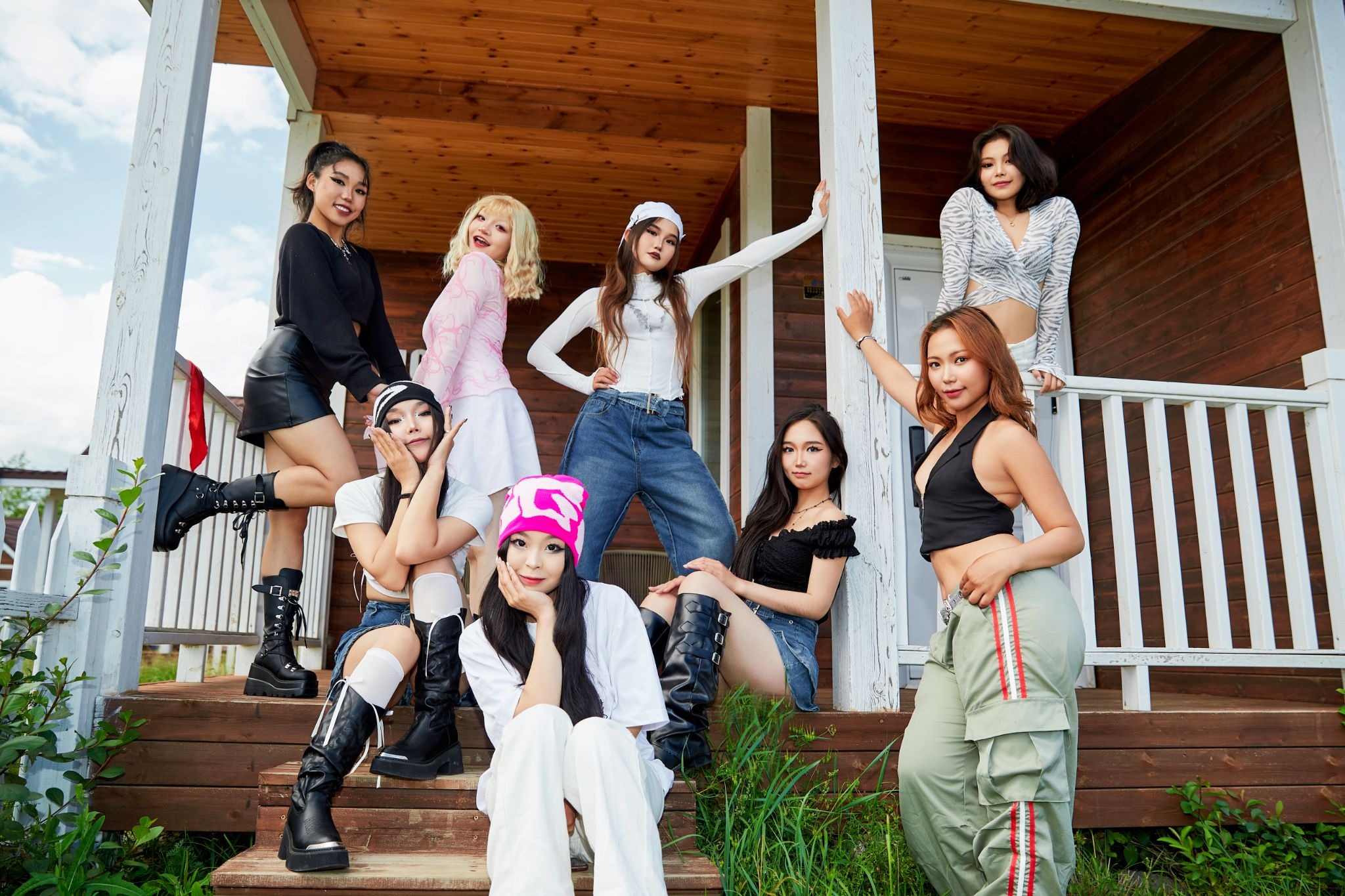
Y2K Revival up +486% YoY. This is the one that started it all. Low-rise jeans, rhinestone everything, baby tees, butterfly clips, mini bags, and chunky platform shoes. Gen Z didn't just bring back Y2K; they rebuilt it for 2026 with thrifted pieces, personalized details, and a self-awareness that the original didn't have. Search data confirms this trend is still climbing with no sign of peaking.
Oversized streetwear: Cargo pants, graphic hoodies, chunky sneakers, and anything that looks like it came from a vintage shop three sizes too large. This aesthetic sits completely outside Millennial comfort zones, and Gen Z wears it like a uniform. It's anti-fitted, anti-polished, and very deliberately so.
Micro-aesthetics: Cottagecore. Mob Wife. Clean Girl. Balletcore. Dark Academia. Gen Z doesn't follow one trend; they build entire visual identities around specific aesthetics and switch between them. This is a behavior pattern that simply didn't exist in Millennial fashion culture, which followed broader seasonal trends rather than niche online subcultures.
Gender-fluid styling: Mainstream for Gen Z in a way it has never been for any previous generation. Men wearing skirts, women in oversized menswear, and a general disregard for gendered sizing are completely normal in Gen Z fashion spaces, and it's growing. Menswear search data is up +338% YoY for gender-fluid styles in the US market.
Sustainable thrifting: More than 60% of Gen Z consumers in the US actively prefer secondhand or sustainable clothing options. This is not a marketing preference. It's a real purchasing behavior that shows up clearly in both search data and retail sell-through.
Millennials' Signature Styles in 2026
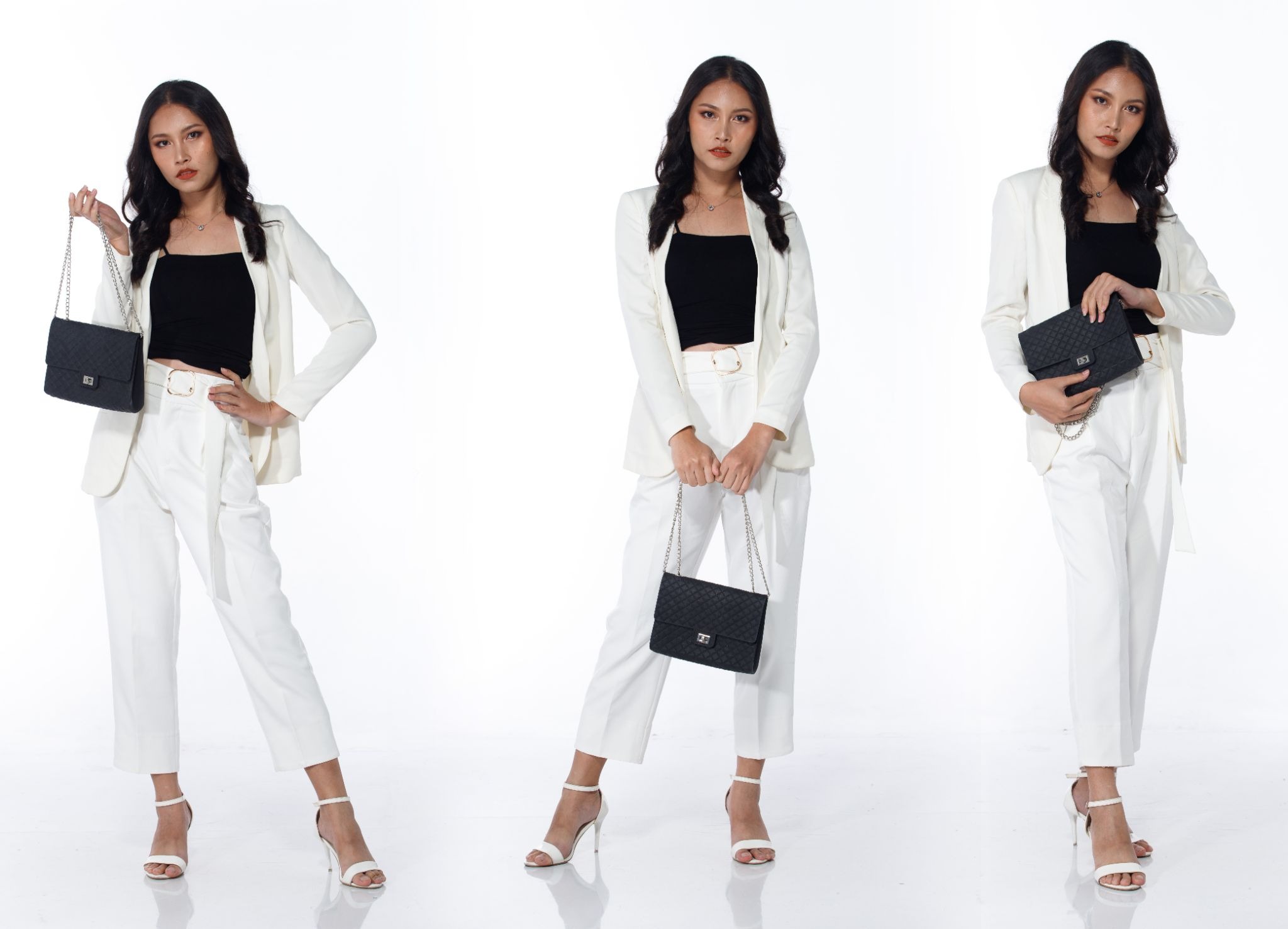
Quiet Luxury: This one belongs to Millennials. Understated, expensive-looking basics. Cashmere in neutral tones. Tailored trousers that cost more than they look like they do. No logos, no noise. Search interest in quiet luxury has been growing consistently in the US, and it skews older. This is the aesthetic of someone who has stopped trying to prove anything with their clothes.
Investment dressing: The blazer that lasts ten years. The leather bag that gets better with age. The white button-down was worn three different ways. Millennials who went through 2008, the pandemic, and multiple economic cycles have learned that buying less and buying better is not just practical; it's a lifestyle. The 3-3-3 wardrobe rule that went viral earlier this year skews heavily Millennial in its audience.
Workwear with personality: Millennials are in their careers now. They need clothes that work in professional settings but still feel like them. The tailored blazer over a graphic tee, the elevated loafer with straight-leg jeans, the silk blouse that works for a Zoom call and a dinner out. This is where Millennial fashion lives in 2026: functional, elevated, and slightly less interested in what TikTok thinks.
Where Gen Z and Millennials Agree in 2026
Here's the part that surprises everyone. In 2026, Gen Z and Millennials are agreeing on more than they disagree on, and that convergence is one of the most interesting fashion stories of the year.
Both generations are wearing wide-leg and straight-leg denim. The skinny jean debate is officially over, and both sides lost, because neither generation is wearing them anymore. Wide-leg, straight-leg, and barrel-fit jeans have completely taken over across both demographics in the US.
Both generations are choosing bold accessories over bold clothes. A plain white tee with stacked rings, a chunky chain, a statement bag, and tinted sunglasses reads as stylish to a 22-year-old and a 35-year-old in exactly the same way. Accessories have become the great equalizer in 2026 fashion. Search data from Fashion Trend Forecasting platform shows chunky jewelry and statement bags climbing consistently across both age groups.
Both generations are wearing capri pants and cropped trousers. This one shocked everyone, including fashion editors. Capri-length pants, controversial across every age bracket, are being worn nearly identically by Gen Z and Millennials in spring 2026. Heeled flip-flops, slouchy bags, and breezy jackets are completing the look on both sides.
Both generations care about sustainability, but for slightly different reasons. Gen Z cares because of values. Millennials care because buying less, buying better is a financial strategy as much as an environmental one. The outcome is the same: both groups are moving away from fast fashion and toward pieces that last.
Trends Gen Z Started That Millennials Are Now Wearing
This is where it gets interesting. Several trends Gen Z launched on TikTok have now crossed into Millennial adoption, and that crossover is usually the sign a trend is becoming something bigger than a viral moment.
- The Mob Wife Aesthetic: started as a 2024 Gen Z TikTok moment; Millennial adoption is now significant
- Ballet flats: Gen Z brought them back as Y2K; Millennials wear them because they're genuinely comfortable
- Quiet luxury: Gen Z discovered it through TikTok; Millennials were already living it, making it the biggest cross-generational search audience of any style trend
- Satin and silk pieces: up +158% in market adoption across the US, climbing across age groups, not just within Gen Z
The Millennial Pieces Making a Comeback: Thanks to Gen Z
And then there's the reverse. Gen Z has a habit of reclaiming things Millennials wore the first time around and making them feel completely new in the process.
Low-rise jeans. Millennials wore these as teenagers and spent the last decade grateful they were gone. Gen Z brought them back, and now a whole new generation is wearing them without any of the complicated feelings. Search interest in low-rise jeans has risen significantly in the US, driven almost entirely by Gen Z.
Velour tracksuits. Paris Hilton. Juicy Couture. 2003. Gen Z found these in thrift stores, styled them with chunky sneakers and gold hoops, and turned them back into something people actually want to wear. What Millennials wore as teenagers, Gen Z is wearing as a fashion statement.
Long cardigans. Millennials wore these constantly in the early 2010s, open over graphic tees and skinny jeans. Gen Z is wearing them differently: one button closed, over wide-leg trousers, as a layering piece with a more structured silhouette. Same garment, completely different energy.
Jelly shoes. Another Y2K revival that works for both generations. Gen Z wears them as a nostalgic fashion statement. Some Millennials are wearing them for the third or fourth time. Either way, search data confirms they're having a major 2026 moment in the US market.
Gen Z vs Millennial Fashion by Category
Who Is Actually Setting Trends in 2026?
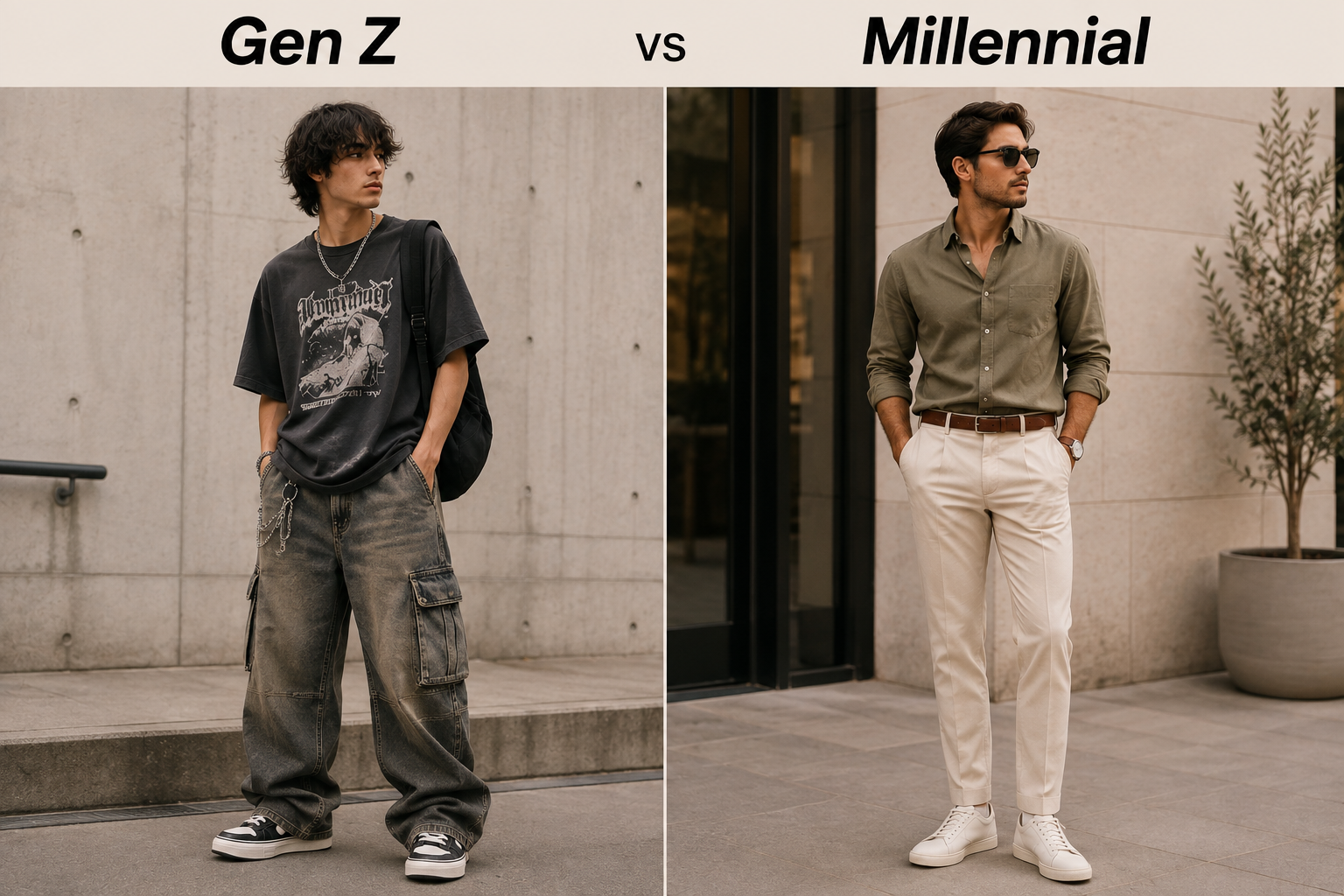
Here's the honest answer: both, but in completely different ways.
Gen Z sets the speed. They find things first in thrift stores, on TikTok, in niche communities, and push them into the mainstream fast. Competitive Trend Intelligence tools track exactly this kind of rapid early-stage movement, because brands that catch Gen Z signals early enter trends at full price instead of peak virality.
Millennials set the staying power. When a trend crosses from Gen Z into Millennial adoption, that's when it moves from viral content to a durable retail category. Satin, quiet luxury, ballet flats, and the Mob Wife aesthetic all made that jump in 2026, and each became a stronger commercial opportunity the moment Millennials started buying in.
What Trendalytics Data Shows About Both Generations
Trendalytics is a US-based AI trend forecasting platform that tracks search velocity, social media signals, TikTok momentum, and retail sell-through data in real time. For Gen Z vs Millennial fashion, the platform's data points to a few clear patterns heading into the second half of 2026.
Gen Z-driven searches are moving faster than ever. The speed at which a Gen Z TikTok moment translates into search volume and then into retail sell-through has shortened significantly in 2026. What used to take months now happens in weeks. Brands that aren't tracking these signals in real time are always playing catch-up.
Millennial searches are more consistent. Millennial-driven search behavior tends to be steadier and more sustained, less spikey, and more seasonal. Quiet luxury, investment dressing, and workwear searches all show the kind of consistent week-over-week growth that signals a stable, committed consumer rather than a trend-chasing one.
Cross-generational trends are the biggest commercial opportunity. When retailer tools show the same style climbing in both age groups simultaneously, that's the strongest possible buy signal. It means the trend has moved beyond a single demographic and is building the kind of broad consumer base that sustains full-price sell-through across multiple seasons.
The color story is diverging. Gen Z is leaning into icy blues, dusty pastels, and warm neutrals in 2026. Millennials are staying in deep jewel tones, classic navy, camel, and black. Brands that build assortments without understanding which consumer they're dressing are ending up with the wrong color in the wrong channel.
Conclusion
Gen Z vs Millennial fashion in 2026 isn't the simple rivalry it used to be. Gen Z is still setting the pace, discovering trends faster and driving search velocity in ways no previous generation has. But Millennials are the ones turning those trends into lasting commercial categories and in 2026, the two generations are wearing more of the same things than either would probably admit.
The brands winning in US fashion right now are the ones who track the early Gen Z signal, validate it against Millennial adoption, and buy for the full opportunity, not just one half of it.
Request a demo with Trendalytics and see exactly which fashion trends are driving Gen Z and Millennial consumers in 2026, before your competitors do.
FAQs
Q1: What is the difference between Gen Z and Millennial fashion in 2026?
Gen Z fashion in 2026 is built around Y2K revival, oversized streetwear, micro-aesthetics, gender-fluid styling, and sustainable thrifting. Millennials are gravitating toward quiet luxury, investment dressing, tailored workwear, and elevated basics. The biggest difference is not just the clothes; it's the approach. Gen Z uses fashion as an identity expression and follows micro-trends at speed. Millennials are buying less, buying better, and caring less about what's cycling through the algorithm this week.
Q2: Who is setting fashion trends in 2026, Gen Z or Millennials?
Gen Z sets the speed. They find trends first in thrift stores, on TikTok, in niche online communities, and push them into the mainstream fast. Millennials set the staying power. When a trend crosses from Gen Z into Millennial adoption, it becomes a durable commercial category rather than a viral moment. The most powerful fashion trends of 2026 in the US are the ones both generations are wearing: bold accessories, wide-leg denim, satin pieces, and quiet luxury aesthetics.
Q3: What fashion trends do Gen Z and Millennials agree on in 2026?
More than most people expect. Both generations have abandoned skinny jeans for wide-leg and straight-leg denim. Both are styling bold accessories over simple basics. Both are wearing capri-length trousers and cropped styles. Both care about sustainability, even if for slightly different reasons. And both are adopting satin pieces, which Trendalytics data shows up a significant percentage in market adoption across age groups in the US in 2026.
Q4: What Y2K trends is Gen Z bringing back in 2026?
Y2K revival searches are up over 486% year over year, driven almost entirely by Gen Z. The biggest Y2K pieces making a comeback include low-rise jeans, rhinestone accessories, baby tees, butterfly clips, platform shoes, mini bags, velour tracksuits, and jelly shoes. Gen Z is wearing these with a self-aware, thrifted, personalized approach that makes them feel completely current rather than costumey.
Q5: How does Trendalytics track Gen Z vs Millennial fashion trends?
Trendalytics tracks search velocity, TikTok post momentum, social media signals, and retail sell-through data across the US market in real time. For Gen Z vs Millennial fashion specifically, the platform identifies which age groups are driving which trends, how quickly Gen Z signals are crossing into Millennial adoption, and which cross-generational trends represent the strongest and most durable commercial opportunities for fashion brands and buyers.
Get ahead and stay
ahead with AI-powered trend forecasting.
Request a demo. Our AI tools are unmatched in the marketplace for predictive data and trend forecasting.